

Could GLP-1 for Sleep Apnea Transform Your Nights? Science, Weight Loss, and FDA Approvals Explained
For millions, waking up at 3 AM with a racing mind, parched throat, and a heavy sense of exhaustion is a daily battle. Emerging research into glp-1 for sleep apnea suggests metabolic science may offer new pathways to nighttime recovery. By tracking biometric trends, the screen-free Herz P1 Smart Ring helps you monitor how these physiological shifts impact your daily recovery.
Take Back Your Sleep.
Take Back Your Life.
- Fall asleep faster & sleep deeper
- Stop waking up in the middle of the night
- Wake up refreshed & full of energy
- The Metabolic Link: Clinical evidence highlights how weight loss induced by GLP-1 therapy can substantially clear upper airway obstructions.
- FDA Status & Research: Robust clinical trials demonstrate an average reduction of over 50% in the Apnea-Hypopnea Index (AHI).
- Biometric Tracking: Sleep architecture improvements (including REM and Deep sleep stages) are highly correlated with metabolic recovery.
- Screen-Free Support: Modern wearables allow you to monitor these physiological shifts without bulky, distracting screen devices.
Understanding the Science of GLP-1 for Sleep Apnea

Quick Answer
Yes, metabolic therapies can play a pivotal role in airway management. The short answer is that using glp-1 for sleep apnea helps reduce the physical fat deposits around the upper airway, resolving structural obstructions over time. However, to choose the right approach, you need to understand how metabolic changes interact with your nervous system and sleep architecture.
Detailed Physiological Analysis
Obstructive Sleep Apnea (OSA) is characterized by the repeated physical collapse of the upper airway during sleep. This structural obstruction is heavily influenced by pharyngeal fat pads—localized fat deposits around the neck and throat area. When we sleep, muscle tone naturally relaxes, allowing these tissues to collapse inward and cut off the flow of oxygen.
This is where the use of glp-1 for sleep apnea acts as a systemic physical intervention. Glucagon-like peptide-1 (GLP-1) receptor agonists, such as semaglutide and tirzepatide, mirror natural hormones that regulate appetite, blood glucose, and gastric emptying. By addressing systemic metabolic dysfunction, these medications promote significant weight reduction. As global body fat decreases, structural fat deposits surrounding the pharynx are minimized, directly decreasing the anatomical vulnerability of the airway during sleep.
Every time you experience an airway collapse, your blood oxygen saturation drops, triggering a sudden spike in sympathetic nervous system activity (your body’s “fight-or-flight” response). This surge releases cortisol and adrenaline, waking you up in a state of panic with a racing mind, a pounding heart, and a dry mouth. It is a highly stressful cycle that fragments your sleep architecture and prevents you from spending adequate time in restorative Deep and REM sleep stages.
Without healthy sleep architecture, your body struggles to repair cellular damage, manage systemic inflammation, or maintain balanced glucose metabolism. Over time, you may experience profound morning brain fog, emotional instability, and an increased dependency on sugar or caffeine to push through the day, further aggravating metabolic dysfunction.
When to Consider Metabolic Interventions
Utilizing a metabolic protocol with glp-1 for sleep apnea is highly appropriate for individuals who present with both structural sleep issues and metabolic concerns, such as a elevated body mass index (BMI), insulin resistance, or chronic difficulty maintaining systemic energy balance. Reducing overall body weight helps alleviate the physical burden on your throat muscles, allowing your respiratory system to function properly overnight.
Conversely, this approach is less suitable for individuals whose sleep issues are rooted in centralized nervous system factors or anatomical variations unrelated to weight (such as a narrow jaw structure or enlarged tonsils). Before initiating any clinical therapy, it is crucial to consult a qualified physician to map your physiological needs.
Simple, Screen-Free Recovery Monitoring
While exploring metabolic therapies under a physician’s guidance, tracking how your body responds to weight shifts and improved breathing is essential. Instead of relying on a bulky, glowing smartwatch that interrupts your winding-down routine with notifications, we recommend a screen-free tracking approach to monitor your trends.
The Herz P1 Smart Ring provides a comfortable, ultra-lightweight titanium solution that tracks your sleep stages, Heart Rate Variability (HRV), and physiological recovery trends. With no screens to distract you and no ongoing subscription fees, it allows you to observe your body’s gradual recovery as your health improves.
Heart Rate Variability (HRV) is a primary indicator of nervous system balance. When your airway collapses during sleep, your HRV drops because your sympathetic system is continuously stimulated. As breathing stabilizes, your autonomic nervous system balances, leading to higher resting HRV and improved deep sleep trends.
Physiological FAQ
Q: Can GLP-1 medications replace a CPAP machine immediately?
A: No, they should not be viewed as an instant replacement. While glp-1 for sleep apnea helps clear structural blockages over time via weight reduction, mechanical interventions like CPAP may still be necessary while your body goes through these metabolic shifts. Always consult your physician before making changes to your medical equipment.
Q: How long does it take to see sleep improvements on these medications?
A: Most clinical trials show improvements in breathing and sleep architecture as significant body weight is lost, typically beginning within 12 to 24 weeks. Tracking sleep trends with a non-intrusive ring can help you visualize these gradual improvements.
Q: Does weight loss completely resolve obstructive sleep apnea?
A: It depends on the individual. For many, targeting obesity can significantly lower the severity of airway collapse, sometimes reducing symptoms to mild levels. For others with structural airway narrowness, some degree of sleep issues may persist.
FDA Approvals and Clinical Trials: The Shift in Sleep Medicine

The medical landscape is shifting rapidly. For years, the primary medical response to airway collapse has been continuous positive airway pressure (CPAP) therapy. While CPAP remains a reliable standard, many individuals struggle with its daily use due to the discomfort of wearing a heavy mask or the loud hum of the machine. This has led to growing clinical interest in metabolic solutions like weight loss and sleep improvements driven by GLP-1 receptor agonists.
Recent clinical trials have begun investigating medications such as tirzepatide (commercially known as Zepbound) and semaglutide (often referred to as ozempic for sleep apnea) for their specific impact on sleep apnea. These studies measure improvements using the Apnea-Hypopnea Index (AHI), which tracks how many times your breathing slows down or stops completely per hour of sleep.
The results have been highly encouraging. In major clinical studies, participants utilizing these GLP-1 receptor agonists saw substantial decreases in their baseline AHI scores, often reducing airway obstructions by over 50%. In many instances, participants were even able to transition out of the severe sleep apnea category altogether. This represents a significant shift in sleep medicine, moving the focus from merely managing symptoms with mechanical masks to addressing the metabolic root causes of airway blockages.
- Deep Sleep Optimization: Airway obstructions prevent you from reaching Stage 3 non-REM (Deep) sleep, which is critical for physical recovery, muscle tissue repair, and system-wide detoxification.
- Nervous System Stabilization: Fewer hypopneas (breathing drops) mean your sympathetic system is not continually activated, allowing your body to rest in a parasympathetic state.
- Cognitive Renewal in REM: Stable oxygen levels during the night support healthy REM cycles, facilitating emotional processing and memory consolidation.
When studying the impact of glp 1 for sleep apnea, researchers have observed a noticeable stabilization in overnight heart rate profiles. Because the body is no longer forced to wake up to breathe, the physiological stress load drops dramatically. This autonomic stability can be tracked through resting heart rate trends and HRV metrics, offering a clear picture of how metabolic changes support cardiovascular health.
Additionally, regulatory bodies are closely evaluating these findings. As clinical trials on tirzepatide and semaglutide continue to demonstrate consistent results, formal FDA approvals for sleep apnea indications are expected to reshape standard treatment protocols. This progression highlights why keeping an eye on your clinical trials on sleep apnea data is highly valuable for anyone seeking to reclaim their energy and long-term health.
As these therapeutic paths become more widely available, individuals are looking for practical, non-intrusive ways to keep track of their recovery. Large, glowing smartwatches with constant screen alerts can disrupt your winding-down routine, keeping your mind alert when it should be preparing for rest. Opting for a screen-free alternative allows you to gather high-fidelity sleep data without the blue-light stimulation and digital distractions of a traditional smartwatch.
Comparing Solutions: GLP-1, CPAP, and Screen-Free Biometric Monitoring
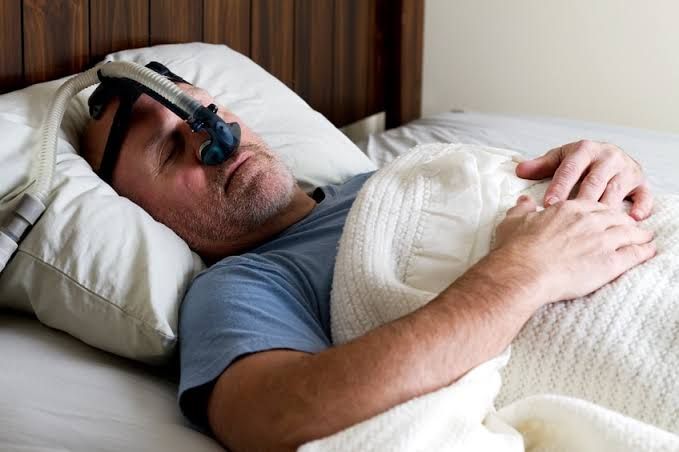
For those looking for alternatives to CPAP, combining metabolic management with simple, non-invasive biometric tracking has become a popular modern strategy. While mechanical devices physically force the airway open, combining dietary changes, lifestyle shifts, and glp1 for sleep apnea therapy addresses the anatomical narrowing directly. This dual focus supports long-term metabolic health and cardiovascular recovery.
Why the Herz P1 Smart Ring Fits Your Sleep Routine
A premium, screen-free wearable designed to help you track sleep architecture, daily recovery, and cardiovascular trends without subscription fees or bulky designs.
- Zero Subscription Fees: Buy once, own your data forever. No hidden monthly costs.
- Ultra-Lightweight Titanium: Elegant, highly durable, and comfortable to wear all night long.
- Detailed Biometrics: Tracks Deep, REM, and Light Sleep phases, plus HRV and resting heart rate.
- Screen-Free Design: No glowing screen or buzzing alerts to wake you or disrupt your sleep hygiene.
When monitoring your health, understanding your biometric trends during recovery is crucial. Instead of sifting through complicated graphs or confusing datasets, the Herz P1 Smart Ring translates complex physiological metrics into a single, easy-to-read Recovery Score. It helps you see how changes in your diet, physical activity, and sleep hygiene directly support your night-time rest.
It is important to emphasize that the Herz P1 Smart Ring is a wellness tracking device, not a medical instrument. It does not diagnose, treat, or cure medical conditions like sleep apnea. Instead, it is designed to serve as a supportive companion on your wellness journey. It offers clear, data-informed insights into your daily habits, sleep patterns, and natural recovery trends as you work toward your health goals.
If you are exploring sleep apnea weight loss solutions and want to understand how your body responds over time, tracking your resting heart rate and sleep phases can provide valuable insights. Reclaiming your rest requires a holistic approach—and keeping track of your body’s natural recovery trends is an excellent place to start.
Disclaimer: Results may vary depending on individual physical activity levels, unique health conditions, and daily tracking patterns. The content provided in this article is for informational and educational purposes only and should not be construed as medical advice, diagnosis, or treatment. Always consult a qualified healthcare provider regarding any metabolic, respiratory, or sleep concerns before initiating new treatments or altering existing protocols.
