

Waking up with your chest pounding can feel deeply unsettling. Discovering that your high heart rate while sleeping has spiked above 120 beats per minute requires immediate attention. At Herz P1, our goal is to decode these vital biometric signals. This comprehensive guide explains exactly why your heart rate can rise during rest. We will help you understand your data without fear or anxiety.
Built to Last. Save Up to 69% Today.
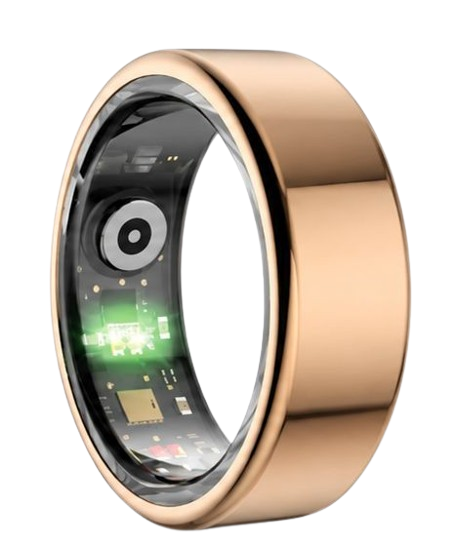
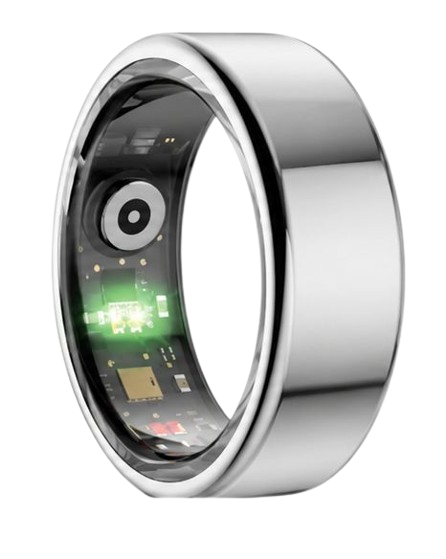
The Herz P1 Smart Ring tracks HRV, Sleep, Heart Rate & SpO2 around the clock. No subscriptions. No renewals. Ever.
In This Article
- Biometric Classification: What a heart rate above 120 bpm during sleep actually means for your health.
- Identifying Key Triggers: Exploring physiological causes like sleep apnea, alcohol, fevers, and chronic stress.
- Autonomic Balance: Deep-diving into sleep stages, stress physiology, and Heart Rate Variability (HRV).
- Practical Intervention: Actionable strategies and lifestyle habits to lower your heart rate and improve your recovery.
- Smart Ring Solutions: Overcoming bulky smartwatch mistakes with subscription-free biometric monitoring.
Does Having a Heart Rate Above 120 While Sleeping Mean You Have a Medical Problem?
A sudden spike in heart rate can feel like an unexpected alarm in the middle of the night.
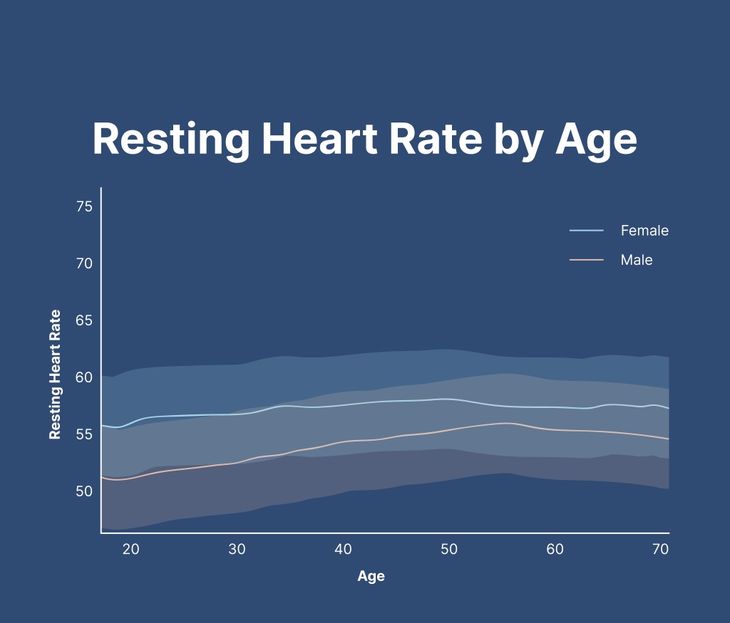
To understand what this means, we must first look at normal sleeping heart rate ranges.
Most healthy adults experience a resting heart rate between 40 and 80 beats per minute during deep sleep.
When your heart rate consistently rises above 120 beats per minute while you are at rest, doctors call this nocturnal tachycardia.
This phenomenon represents a significant departure from your body’s natural restorative state.
An elevated pulse means your cardiovascular system is working hard when it should be resting and repairing.
Anyone can experience a high pulse rate, but it is especially common in individuals dealing with heavy stress, sleep apnea, or hormonal shifts.
This elevated rate typically occurs in short bursts rather than staying high all night.
It often happens during the transition between sleep stages, particularly during intense Rapid Eye Movement (REM) cycles.
When this happens, your sympathetic nervous system overrides your parasympathetic system, causing your heart to pump rapidly.
Your brain receives a signal that there is a threat, even if you are safely asleep in your bed.
This fight-or-flight response floods your bloodstream with stress hormones like adrenaline and cortisol.
Quantitatively, experiencing this once in a while is usually not a cause for panic.
However, if your smart ring registers a heart rate above 120 bpm multiple times a week, you should pay closer attention.
According to the American Heart Association, chronic overnight tachycardia can strain your blood vessels over time.
Tracking these nightly trends helps you identify patterns before they turn into chronic health challenges.
If you want to track this in real time, the Herz P1 Smart Ring monitors cardiovascular metrics 24/7 — explore it here.
90-Day 100% Money-Back Guarantee
“The Herz Smart Ring helps me manage stress easily. It’s accurate, stylish, and lightweight—perfect for my busy life!”
— Jennifer P. | ✔ Verified Customer
- ✓ 6-Day Battery Life
- ✓ Detailed Sleep Analysis
- ✓ Fast 1-Hour Charging
- ✓ iOS & Android Ready
Questions? Call: 1-866-479-1629
Analyzing the Physiological Causes of a Sleeping Pulse Above 120 bpm
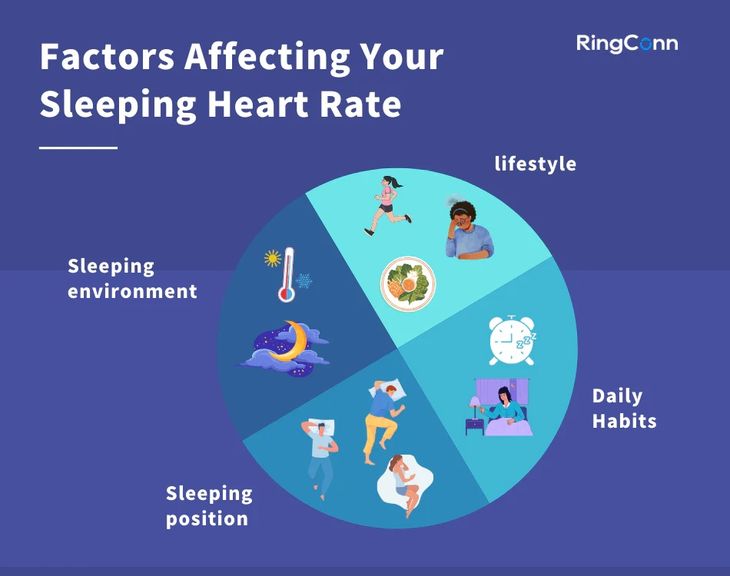
Identifying high sleep heart rate causes is essential to improving your nocturnal recovery.
One of the most frequent medical causes is obstructive sleep apnea.
During sleep apnea episodes, your throat muscles relax and temporarily block your airway.
This blockage causes your blood oxygen saturation (SpO2) levels to drop dangerously low.
Your brain suddenly detects this oxygen shortage and panics, sending an emergency signal to your heart.
This survival mechanism causes a sudden spike in heart rate while sleeping to force oxygenated blood back to your vital organs.
Another very common trigger is drinking alcohol or eating large, heavy meals close to bedtime.
When you drink alcohol, your liver has to work incredibly hard overnight to metabolize the toxins.
Alcohol also dilates your blood vessels, which forces your heart to beat much faster to keep your blood pressure stable.
Eating a heavy, sodium-rich dinner has a very similar dehydrating effect on your cardiovascular system.
Your stomach requires massive blood flow for digestion, leaving your heart racing to keep up with the demand.
This digestive strain explains why is my heart rate elevated at night.
Vivid nightmares and night terrors can also drive your sleeping pulse above 120 bpm.
When you experience an intense dream during REM sleep, your emotional brain is highly active.
Your body reacts to the dream threat as if it were real, releasing a massive surge of adrenaline.
You may wake up with a gasp, feeling your chest pound as if you had just run a hard sprint.
Running a fever is another common physiological trigger that forces your heart rate upward.
When your immune system is fighting off a virus, your core body temperature rises.
Medical studies show that your heart rate increases by about 10 beats per minute for every degree of temperature rise.
This natural immune response explains a temporary rapid heart rate during sleep.
By tracking these environmental and physiological factors, you can make smarter choices before going to bed.
The Science of Nighttime Tachycardia: HRV and Stress Physiology
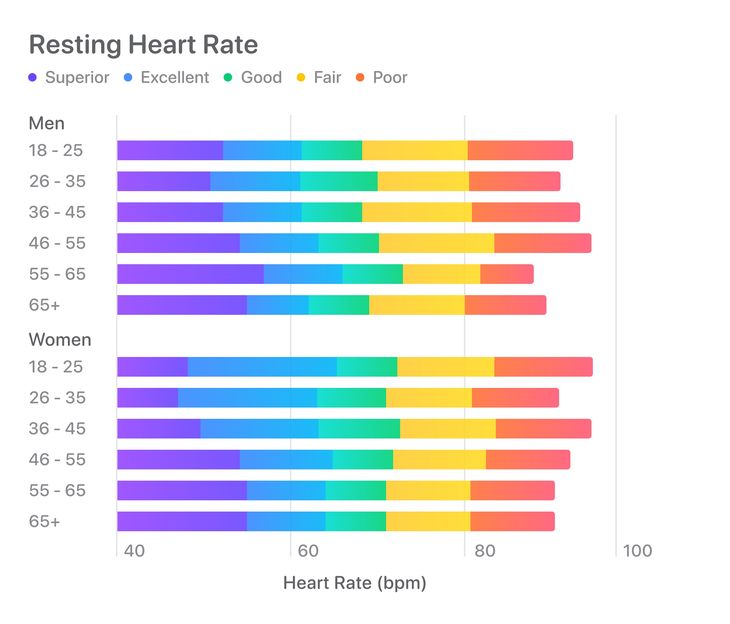
To truly understand an elevated heart rate during sleep, we must explore Heart Rate Variability (HRV).
HRV represents the tiny, millisecond-level differences in time between your consecutive heartbeats.
A high HRV indicates that your autonomic nervous system is balanced, resilient, and ready to adapt.
A low HRV shows that your body is exhausted and struggling to recover from daily stress.
When you carry chronic daily anxiety into your bedroom, your nervous system cannot transition into a restful state.
This inability to relax is a major reason why does heart rate increase while sleeping.
According to researchers at the National Sleep Foundation, psychological stress actively damages your sleep architecture.
Instead of experiencing long, restorative deep sleep cycles, your body remains in a light, easily disturbed state.
In this hyper-alert state, even a minor noise or a slight temperature shift can cause your pulse to skyrocket.
Tracking these delicate, invisible shifts requires an incredibly sensitive, continuous monitoring device.
We designed the Herz P1 Smart Ring to monitor your heart rate and HRV every five minutes throughout the night.
This frequent sampling ensures that brief spikes are captured rather than missed by infrequent spot-checks.
Our multi-wavelength PPG sensors use green, red, and infrared lights to read through your skin with high accuracy.
Having access to this continuous data lets you see exactly how your body responds to stressful days.
You can use these insights to plan calming evening routines that protect your heart from nightly stress.
Practical Ways to Lower a High Pulse Rate While Sleeping
Lowering a high pulse rate while sleeping is completely achievable with targeted lifestyle changes.
Start by building a dedicated evening wind-down routine that prepares your body for rest.
Avoid all caffeine consumption after 2:00 PM to give your liver plenty of time to clear it from your system.
Caffeine is a powerful stimulant that blocks adenosine receptors, keeping your nervous system wired long after drinking it.
Try incorporating five minutes of slow, deep breathing exercises right before you turn off the lights.
Inhale deeply for four seconds, hold for four seconds, and exhale slowly for six seconds.
This simple breathing pattern stimulates your vagus nerve, which acts as a natural brake for your heart.
Ensure your bedroom temperature is kept cool, ideally between 60 and 67 degrees Fahrenheit.
A cool room encourages your core temperature to drop, which naturally helps lower your resting pulse.
When you wake up, open the Herz P1 App to review your personalized overnight biometric trends.
Look closely at the times when your heart rate climbed above the normal range.
Ask yourself if those spikes correlate with a late-night snack, an argument, or an intense movie.
The app lets you add tags to your sleep data, helping you connect your daily choices to your sleep quality.
Over several weeks, you will start to see clear patterns emerge from your unique biological data.
This knowledge empowers you to make small, high-impact changes that protect your sleep.
Because the Herz P1 ring weighs only 3.5 grams and has a smooth inner liner, it is exceptionally comfortable to wear all night.
Optimizing Your Exercise Intensity for Better Sleep
Engaging in high-intensity workouts too late in the evening can keep your heart racing for hours.
To protect your sleep, try to finish strenuous exercise sessions at least four hours before bedtime.
If you must exercise late, choose restorative activities like walking, stretching, or light yoga.
You can use the Herz P1 Smart Ring to track your cardiovascular recovery rate after each workout.
Watching your heart rate return to its baseline quickly is a fantastic sign of improving physical fitness.
This tracking helps you balance physical conditioning with high-quality nightly recovery.
Common Pitfalls in Tracking Sleep Heart Rates
Many health-conscious individuals make the mistake of wearing a bulky, heavy smartwatch to bed.
Bulky watch cases easily shift when you turn over, which temporarily separates the sensor from your skin.
This movement leads to highly inaccurate heart rate readings, false alerts, or missing data blocks.
The bright screens on smartwatches can also light up unexpectedly, interrupting your deep sleep stages.
Another common headache is discovering that your wearable requires an expensive monthly app subscription.
Many well-known brands require you to pay a recurring fee just to view your own sleep and HRV data.
At Team Herz P1, we believe that accessing your own health metrics should never require a monthly paywall.
That is why our companion application is completely free for a lifetime with zero hidden charges.
Our smart ring is crafted from military-grade steel, making it incredibly durable yet lightweight.
This comfortable design ensures you can track your heart rate continuously without any sleep disruptions.
By choosing a subscription-free ring, you protect both your cardiovascular wellness and your wallet.
Why Finger Sensors Provide Superior Sleep Data
Wrist-based optical sensors struggle to get clear readings because of the thick skin and bone structure in your wrist.
The arteries in your fingers run extremely close to the surface, especially at the base of the digit.
This thin skin layer allows our multi-wavelength optical sensors to gather much cleaner PPG signals.
A snugly fitted smart ring stays in place perfectly, even if you toss and turn throughout the night.
This constant, secure contact ensures that your overnight tracking remains highly accurate from dusk till dawn.
FAQ: Navigating Sleep Biometrics and Smart Ring Capabilities
Understanding how your biometric tracking device works is the key to getting the most out of your health journey.
To help you make an informed decision, we have created a clear comparison of various tracking methods below.
| Feature | Herz P1 Smart Ring | Standard Smartwatches & Apps |
|---|---|---|
| Monthly Fees | Zero Fees (Free App Forever) | Often requires $5.99 to $10.00/month |
| Nocturnal Monitoring | Continuous (Every 5 mins) | Often hourly or spot-check only |
| Material & Durability | Military-Grade Steel (IP68 Waterproof) | Fragile plastics/low grade aluminum |
| Warranty | 2-Year Manufacturer Warranty | Standard 1-year coverage only |
Is the Herz P1 smart ring waterproof enough for daily wear and swimming?
Yes, the Herz P1 comes with a certified IP68 waterproof rating.
This means the ring can be safely submerged in water up to 164 feet deep.
You can wear it while swimming laps, taking a shower, washing your hands, or relaxing in a hot tub.
The internal electronics are protected by a seamless, military-grade steel outer shell.
How long does the battery last on a single charge?
The Herz P1 battery lasts up to 6 full days under normal continuous tracking conditions.
It charges incredibly fast, reaching 100% capacity in less than one hour.
This fast charging means you rarely have to take the ring off, preventing gaps in your data.
Most users charge their ring quickly while taking a morning shower to maintain constant monitoring.
Which finger is best for wearing the Herz P1 Smart Ring?
We recommend wearing the smart ring on your index, middle, or ring finger for the most accurate readings.
Your non-dominant hand is usually the best choice because it experiences less daily friction and movement.
Ensure the ring fits snugly against the base of your finger without causing any discomfort.
Your finger size can fluctuate slightly depending on the temperature, hydration, and time of day.
Does the Herz P1 store my biometric data when my phone is offline?
Yes, the Herz P1 has secure built-in storage that holds up to 7 days of biometric data offline.
You do not need to keep your smartphone next to your bed or connected to Bluetooth all night.
The ring will safely log your heart rate, HRV, SpO2, and sleep stages while you sleep.
As soon as you open the app, all of your offline data will sync automatically in a few seconds.
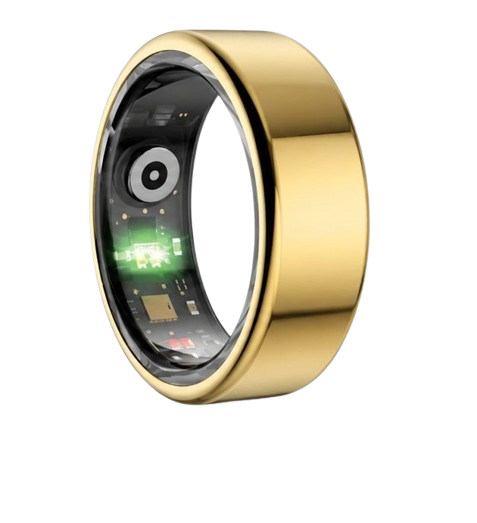
Elevate Your Sleep Quality with Herz P1
Ready to monitor your health every day? Explore the Herz P1 Smart Ring and see if it fits your lifestyle. Call: 1-866-479-1629 — our team can help you advise on the correct ring size and set personalized health goals.
Note: Individual results may vary depending on individual health conditions, age, and lifestyle habits. This article is intended for general health reference purposes only.
