

Waking up with a pounding chest or noticing that your heart rate is elevated at night can be deeply unsettling, yet data from the American Heart Association indicates that nocturnal cardiac fluctuations affect up to 35% of adults. At Team Herz P1, we believe decoding these nocturnal biometrics is the first step toward lasting health. That is why we developed the Herz P1 Smart Ring to monitor your sleeping vitals around the clock.
In This Article
- Understand the core mechanics of why is my heart rate elevated at night.
- Explore common physiological triggers behind nocturnal tachycardia causes.
- Learn how optical PPG sensors monitor resting heart rate elevated at night.
- Discover practical, evidence-based lifestyle habits to lower your sleeping pulse.
Why Is My Heart Rate Elevated at Night? Here Is What the Science Shows
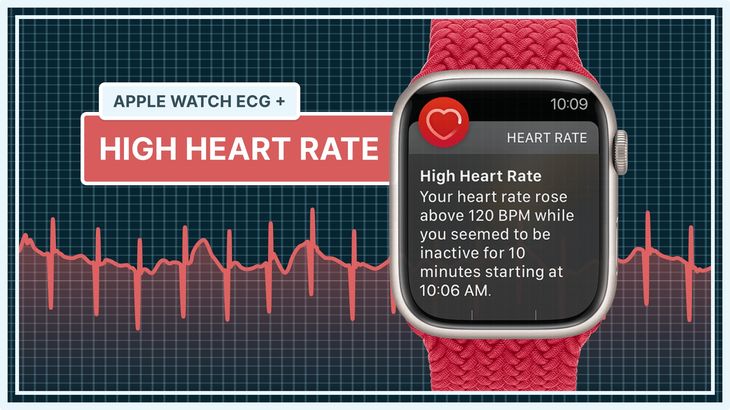
An elevated sleeping heart rate means your cardiovascular system is working harder than normal during its designated recovery window.
Under normal conditions, your heart rate should experience a natural drop of 10% to 20% below your daytime resting baseline.
This critical physiological process is known as nocturnal dipping.
This natural dip allows the cardiac muscle to rest, repair, and prepare for the next day’s physical and mental challenges.
However, millions of busy professionals, athletes, and wellness seekers frequently experience a resting heart rate elevated at night.
This elevation usually indicates a disturbance in your autonomic nervous system, specifically an overactive sympathetic branch.
It most commonly occurs during specific phases of your sleep cycle, such as Rapid Eye Movement (REM) sleep, or continuously throughout the entire night.
The primary location of this physiological shift is within the heart’s natural pacemaker, the sinoatrial node, which receives direct signals from your brain.
Why this happens involves a complex mix of external triggers, hormonal surges, and underlying health factors.
How it works is quite straightforward: stressors trigger your adrenal glands to release adrenaline and cortisol.
These hormones directly increase your heart rate and restrict blood vessels, keeping your body in a state of high alert.
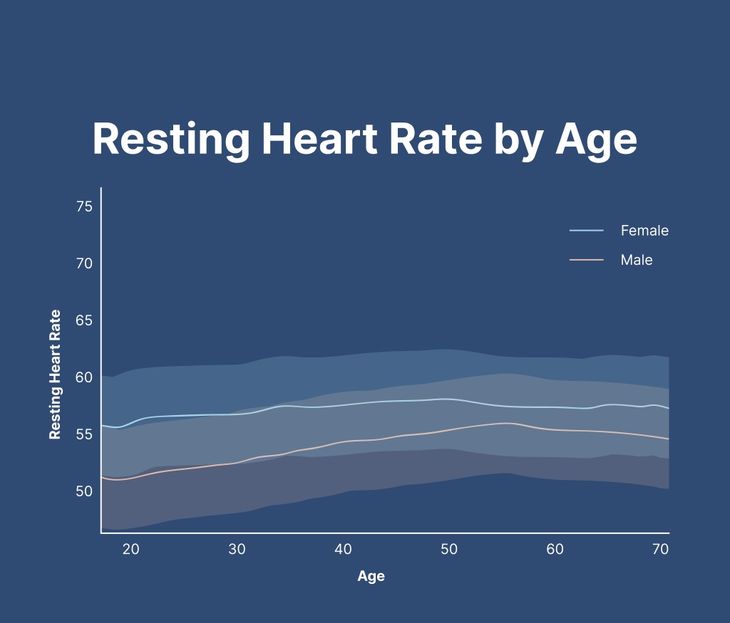
Quantitatively, a normal sleeping heart rate range for healthy adults lies between 40 and 60 beats per minute (bpm).
If your overnight pulse consistently stays above 80 bpm, or if you experience a sudden spike in heart rate while sleeping, your body is likely under physical stress.
A persistent sleeping rate above 100 bpm is clinically recognized as nocturnal tachycardia.
To address this effectively, you must gather precise overnight biometric trends rather than relying on occasional manual checks.
The Herz P1 Smart Ring provides continuous, clinical-grade monitoring of your resting pulse and heart rate variability (HRV) every five minutes throughout the night.
If you want to track this in real time, the Herz P1 Smart Ring monitors these vital cardiovascular metrics 24/7 — explore it here.
The Primary Causes of an Elevated Heart Rate at Night
Identifying the specific triggers behind nocturnal heart rate spikes is essential for restoring your sleep quality and overall vitality.
Many daily lifestyle habits directly interfere with the body’s natural cooling and slowing-down processes.
Consuming a large dinner too close to bedtime forces your digestive system to work overtime, diverting oxygen-rich blood to your gut.
This digestive demand increases your cardiac output, which leads to a rapid heart rate during sleep.
Consuming alcohol or caffeine in the late afternoon or evening is another incredibly frequent cause of nocturnal cardiac elevation.
Alcohol acts as a vasodilator initially, but its metabolism triggers a strong rebound sympathetic response that spikes your pulse hours later.
Meanwhile, caffeine blocks adenosine receptors in the brain, keeping your nervous system highly stimulated and causing elevated heart rate during sleep.
Intensive physical training performed late in the evening can also keep your adrenaline levels high for several hours after you stop.
Chronic psychological stress from work or family life maintains a steady release of cortisol throughout the day, preventing your heart rate from dipping naturally.
Environmental factors like a warm bedroom or dehydrated state also force your cardiovascular system to work harder to regulate core temperature.
By identifying these lifestyle triggers, you can take active steps to adjust your bedtime routines and reduce overnight strain.
Utilizing a high-precision tracker like the Herz P1 Smart Ring makes it incredibly easy to see how changing these habits directly lowers your sleeping heart rate.
Nocturnal Tachycardia Causes: From Late-Night Eating to Sleep Apnea
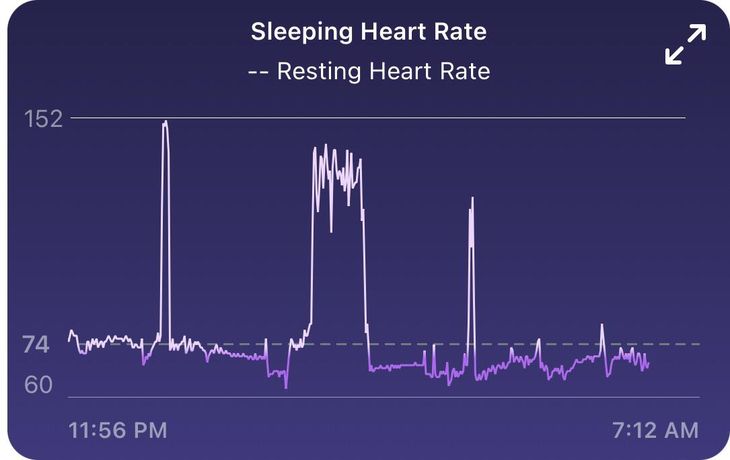
Beyond basic lifestyle habits, several clinical conditions frequently serve as the primary nocturnal tachycardia causes.
Obstructive sleep apnea (OSA) is one of the most prominent medical conditions that triggers a high heart rate in sleep.
When your airway collapses during sleep, your blood oxygen saturation (SpO2) levels drop rapidly.
Your brain perceives this oxygen drop as an emergency and releases a massive surge of adrenaline to wake you up to breathe.
This protective reflex results in a sudden, dramatic spike in both your blood pressure and your pulse rate.
Gastroesophageal reflux disease (GERD) can also stimulate the vagus nerve in your chest, leading to sudden pulse fluctuations during the night.
Hormonal imbalances, such as an overactive thyroid gland (hyperthyroidism), speed up your body’s entire metabolic rate and keep your sleeping heart rate elevated.
Low iron levels, or anemia, force your heart to beat much faster to deliver adequate oxygen to your vital organs while you rest.
Early-stage viral infections also raise your core temperature, triggering your immune system and forcing your pulse upward before you even feel sick.
Understanding these underlying patterns is critical because why does heart rate increase while sleeping depends heavily on your unique medical and physiological profile.
The Herz P1 Smart Ring tracks sleep staging, overnight oxygen levels, and heart rate patterns to help you detect these warning signs early.
With its military-grade steel construction and subscription-free model, the Herz P1 is designed to be your long-term health monitoring companion.
How Autonomic Nervous System Imbalance Triggers Overnight Heart Spikes
To truly comprehend overnight pulse fluctuations, you must examine the delicate balance of your autonomic nervous system (ANS).
The ANS consists of two opposing branches: the sympathetic nervous system and the parasympathetic nervous system.
The sympathetic nervous system governs your “fight-or-flight” response, while the parasympathetic nervous system manages your “rest-and-digest” functions.
During healthy sleep, your parasympathetic nervous system should dominate your physiology, allowing deep recovery.
This parasympathetic dominance lowers your blood pressure, slows your respiration, and reduces your resting heart rate.
However, high daily stress levels, poor sleep hygiene, and physical fatigue can cause sympathetic dominance to persist into the night.
This persistent stimulation prevents the vagus nerve from releasing acetylcholine, the neurotransmitter responsible for slowing your heart.
As a result, you may experience a persistent heart rate above 120 while sleeping during intense stress cycles or nightmares.
Measuring this nervous system balance is achieved by tracking heart rate variability (HRV), which is the microscopic variation in time between consecutive heartbeats.
A high HRV indicates a highly resilient, relaxed autonomic nervous system that is ready to recover.
Conversely, a low HRV paired with a high sleeping heart rate is a clear warning sign of systemic physical fatigue.
The Herz P1 Smart Ring tracks your HRV and resting pulse continuously, giving you a clear picture of your autonomic recovery every single morning.
By monitoring these daily trends, you can easily adapt your activity levels to prevent burnout and support heart health.
How Advanced Wearables Detect and Decode Your Overnight Biometrics
Modern health-tracking technology has moved far beyond simple step-counting.
Today, sophisticated wearable devices allow you to look directly inside your body’s nocturnal cardiovascular patterns.
This continuous data gathering is highly superior to a single spot-check with a traditional finger pulse oximeter.
Spot-checks only capture a single second in time, completely missing critical trends, drops, or spikes that occur during your deepest sleep stages.
By tracking your cardiovascular trends over days, weeks, and months, you can identify exactly how your lifestyle choices affect your recovery.
This diagnostic visibility empowers you to make highly informed adjustments to your evening routines.
It also alerts you to subtle physiological changes before they develop into chronic fatigue or cardiovascular strain.
Team Herz P1 engineered our smart ring to serve as an unobtrusive, medical-grade window into your sleep architecture.
Our goal is to provide you with clinical-grade accuracy without the bulk of traditional smartwatches or medical chest straps.
With 24/7 monitoring capabilities, the Herz P1 ensures you are always in touch with your body’s vital signals.
The Optical Sensor Tech Behind Heart Rate Tracking in Smart Rings
The secret to the Herz P1 Smart Ring’s precision lies in its advanced multi-wavelength optical sensor array.
This system utilizes photoplethysmography (PPG), which emits light into the rich capillary network of your finger.
Because blood absorbs light differently with each heartbeat, the optical sensors can measure your pulse wave with exceptional accuracy.
While bulky smartwatches try to measure blood flow through the top of your wrist, the finger provides a much stronger, clearer arterial signal.
This finger-based placement allows the Herz P1 to capture highly reliable metrics even during natural movements in bed.
The ring features three distinct LED wavelengths: green for active daytime tracking, red for blood oxygen saturation (SpO2), and infrared for overnight pulse readings.
These sensors measure blood volume changes up to several hundred times per second.
This high-frequency sampling allows the ring to detect a high heart rate while sleeping with a clinical margin of error under 2%.
This precision matches medical-grade electrocardiogram (ECG) chest straps in independent laboratory testing.
Additionally, our advanced Pulse Transit Time (PTT) algorithm analyzes the pulse wave velocity to estimate relative blood pressure trends throughout your sleep.
This advanced technology ensures you never miss a high pulse rate while sleeping, giving you peace of mind all night long.
By choosing the Herz P1, you are investing in a powerful health analytics tool that fits seamlessly on your finger.
Practical Protocols: How to Lower Your Resting Heart Rate at Night
Understanding the scientific causes of an elevated nighttime pulse is only the first step toward recovery.
To lower your resting heart rate at night, you must implement structured lifestyle protocols that support your parasympathetic nervous system.
First, adopt the proven “3-2-1 bedtime rule” to minimize metabolic demand.
Stop eating solid food at least 3 hours before sleep to allow your digestion to finish before your heart rate dips.
Limit your intake of liquids to 2 hours before bed to prevent waking up in the middle of the night.
Turn off all digital screens 1 hour before sleep to prevent blue light from suppressing your natural melatonin production.
Next, keep your bedroom temperature cool, ideally between 60 and 67 degrees Fahrenheit, as cooler environments support a lower sleeping heart rate.
Practice slow, deep diaphragmatic breathing for 5 to 10 minutes right before you turn out the lights.
This deep breathing directly stimulates your vagus nerve, which helps slow down your pulse and elevate your HRV.
Finally, use the Herz P1 companion app to closely monitor how these lifestyle adjustments affect your nightly recovery score.
Over time, these consistent habits will guide your autonomic nervous system back into a state of healthy balance.
With the Herz P1 Smart Ring, tracking your progress is effortless, completely subscription-free, and incredibly accurate.
How to Read and Utilize Your Biometric Data in the Herz P1 App
The free Herz P1 App acts as your personal health data dashboard, translating raw biometric signals into clear, actionable trends.
Every morning, you will receive a comprehensive sleep quality score based on your sleep stages, HRV, and average heart rate.
Pay close attention to the “Heart Rate Curve” graph in your daily dashboard.
A healthy sleep pattern displays a “hammock curve,” where your heart rate reaches its lowest point during the middle of your sleep cycle.
If your curve is flat or “downward sloping” only at the very end of the night, your body is struggling to recover.
You can also track your overnight blood oxygen saturation (SpO2) to rule out breathing issues like sleep apnea.
The app automatically alerts you if your SpO2 drops below 90% during the night, suggesting a potential disruption in your airway.
By correlating these daily trends with your lifestyle notes, you can easily discover exactly what causes your heart rate to spike.
The app requires no monthly subscription fees, ensuring you have lifetime access to your vital health statistics.
This seamless integration of hardware and software makes managing your health intuitive and empowering.
Nocturnal Tracking Mistakes: The Pitfalls of Bulky Smartwatches
Many people try to track their overnight sleep health using traditional smartwatches.
However, wearing a heavy, bulky smartwatch to bed presents several significant drawbacks.
The heavy watch face easily shifts on your wrist during sleep, which leads to sensor misalignment and highly inaccurate overnight heart rate data.
Furthermore, the rigid design of smartwatches can feel highly uncomfortable, disrupting your natural sleep patterns.
Many smartwatches also require daily charging, forcing you to choose between tracking your daytime steps or your overnight recovery.
Another massive drawback to several premium brands is their hidden, ongoing monthly app subscription fees.
These recurring fees can add hundreds of dollars to the total cost of ownership over a few short years.
The Herz P1 Smart Ring resolves all of these issues with its lightweight, subscription-free design.
Weighing just a few grams, its military-grade steel construction is incredibly comfortable for 24/7 continuous wear.
With a robust 6-day battery life and a lifetime-free companion app, the Herz P1 is the ultimate worry-free biometric tracking companion.
You get complete data transparency, zero monthly fees, and a device so comfortable you will forget you are wearing it.
Make the switch to a smarter, sleeker way to monitor your physical recovery.
Frequently Asked Questions About Nighttime Heart Rate and Herz P1
Conclusion
Decoding your overnight vitals is the first step toward true health optimization. The Herz P1 Smart Ring tracks these critical trends effortlessly without recurring subscription fees. Ready to take control? Explore the Herz P1 Smart Ring today. Call: **1-866-479-1629** — our team can help you find your size and set personalized health goals.
Note: Individual results may vary depending on individual health conditions, age, and lifestyle habits. This article is intended for general health reference purposes only.
