

If you are constantly wondering “why is my resting heart rate so high,” your body is likely signaling a physiological shift that requires attention. Clinical data shows that even a small baseline pulse increase can reflect elevated stress, systemic fatigue, or poor recovery. Fortunately, tracking these vital metrics without bulky equipment is simple with the premium Herz P1 smart ring. This comprehensive guide will show you exactly what causes an elevated resting pulse and how to lower it effectively.
Built to Last. Save Up to 69% Today.
The Herz P1 Smart Ring tracks HRV, Sleep, Heart Rate & SpO2 around the clock. No subscriptions. No renewals. Ever.
In This Article
- Step-by-Step Recovery Guide: A proven blueprint for lowering your elevated resting heart rate immediately.
- The Biological Science: An expert analysis of autonomic nervous system balance and physiological stress.
- Underlying Causes Identified: Exploring the role of dehydration, poor sleep architecture, and stress hormones.
- Biometric Data Strategies: How to utilize advanced wearable trends to build physical resilience.
How to Lower an Elevated Resting Heart Rate: A Step-by-Step Recovery Guide
To safely lower your baseline pulse, you need to implement a structured, scientifically supported approach over several weeks.
Before beginning, you will need a consistent method to track your daily metrics, a disciplined hydration routine, and a quiet sleeping environment.
-
Step 1: Optimize Your Daily Hydration Balance
Dehydration directly reduces your overall blood volume, which causes your blood to become slightly thicker.
When blood volume drops, your heart must pump significantly faster to deliver oxygen to your vital organs.
This explains why simple dehydration can cause your resting heart rate to rise by several beats per minute.
To prevent this cardiovascular strain, aim to drink half of your body weight in ounces of clean water daily.
Adding high-quality electrolytes or a tiny pinch of sea salt will help your cells absorb the hydration more effectively.
-
Step 2: Establish a Strict Sleep and Recovery Hygiene Window
Consistent sleep schedules stabilize your circadian rhythm and keep your sympathetic nervous system quiet overnight.
Try to go to bed and wake up at the exact same hour every day, including your days off.
Limit your exposure to high-energy blue light from screens for at least ninety minutes before you sleep.
Keep your bedroom environment cool, quiet, and dark to promote the natural production of sleep hormones.
These simple habits will help lower your heart rate overnight, leading to a much more refreshed feeling in the morning.
-
Step 3: Integrate Consistent Low-Intensity Zone 2 Cardio Sessions
Performing consistent cardiovascular exercise is one of the most effective long-term methods to strengthen your heart.
Focus on Zone 2 aerobic workouts, where your exertion level allows you to maintain a steady, comfortable conversation.
Brisk walking, steady cycling, or light rowing for thirty minutes three times a week is ideal for beginners.
This low-intensity exercise increases your cardiac stroke volume, allowing the heart muscle to pump more blood per beat.
Over a period of several weeks, this efficiency will naturally lower your average resting heart rate.
-
Step 4: Practice Daily Parasympathetic Nervous System Activation
Chronic daily stress keeps stress hormones circulating in your blood, forcing your pulse to remain elevated.
To counteract this fight-or-flight response, integrate deep breathing exercises into your afternoon routine.
The box breathing technique involves inhaling, holding, exhaling, and holding for four seconds each.
This controlled breathing stimulates your vagus nerve, which acts as a natural brake to slow down your heart.
Just ten minutes of daily mindfulness can create a measurable reduction in your resting biometric trends.
-
Step 5: Limit Stimulants and Late-Night Food Intake
Consuming caffeine, nicotine, or alcohol close to bedtime significantly disrupts your resting heart rate.
Caffeine blocks chemical receptors in your brain that signal tiredness, keeping your heart artificially stimulated.
Alcohol acts as a systemic toxin that forces your cardiovascular system to work harder while processing it.
Try to eliminate caffeine after midday and stop eating heavy meals at least three hours before you go to sleep.
This simple dietary window allows your metabolic rate to cool down, facilitating a lower sleeping pulse.
Achieving these recovery milestones is significantly easier when you can view your real-time physiological response on a clean dashboard.
Our team at Herz P1 designed our tracking technology to provide continuous, high-fidelity monitoring of your heart’s recovery trends.
By using the Herz P1 smart ring daily, you can quickly identify which habits are successfully lowering your pulse without any manual guesswork.
Decoding the Science: Why Is Your Resting Heart Rate So High?
The rate at which your heart beats at rest is a direct reflection of your autonomic nervous system balance.
When you are calm and resting, your parasympathetic nervous system should be dominant.
This dominance slows your heart rate down, allowing your cardiac tissues to rest and repair.
However, physical or mental stressors can easily disrupt this delicate biological equilibrium.
If you notice your resting heart rate higher than normal, it is a clear indicator of sympathetic dominance.
Sympathetic dominance floods your system with adrenaline, preparing your body for immediate physical action.
When this state is chronic, your heart muscle never receives the rest it needs to function efficiently.
This constant strain is why many people observe that their resting heart rate increased by 10 in a month during stressful life events.
Your body is essentially working overtime, even when you are lying perfectly still on your bed.
Another common cause of this physiological imbalance is your immune system’s response to an infection.
Experiencing an elevated heart rate when sick is a defensive mechanism to help clear pathogens.
The body raises its temperature and blood flow velocity, which forces your baseline pulse to increase dramatically.
Autonomic Dysregulation: When Your Heart Rate Spikes During Rest and Sleep
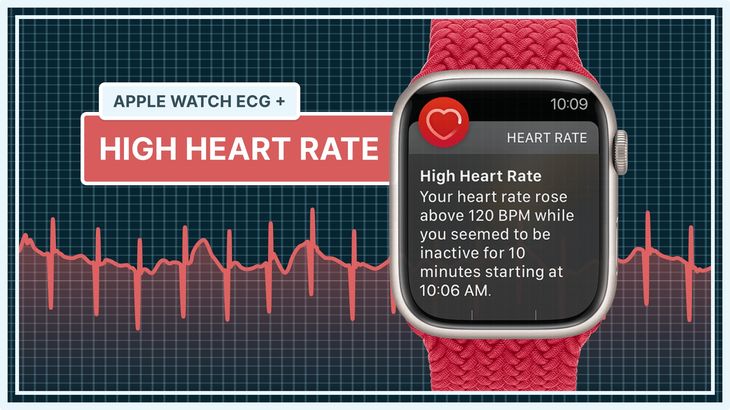
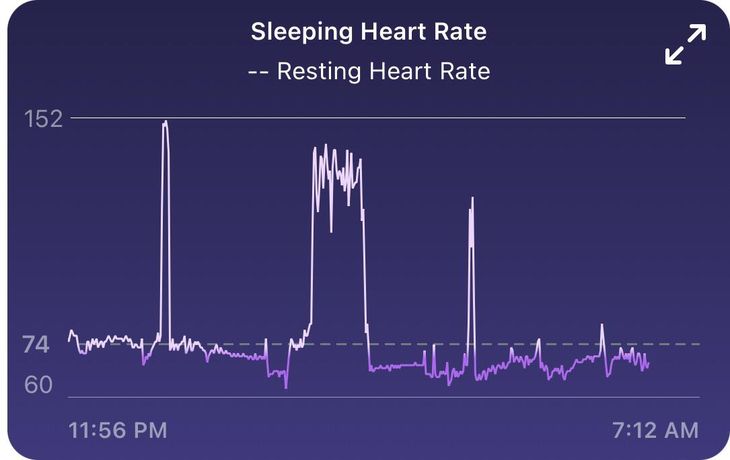
Under normal conditions, your heart rate should reach its lowest point during the deepest stages of sleep.
This drop in pulse is essential for the restoration of your brain, muscles, and cellular energy stores.
If you experience a resting heart rate suddenly increased, your nighttime recovery is likely compromised.
Many users discover that they have a surprisingly high heart rate in the morning before they even get out of bed.
This morning spike can be caused by cortisol rushes, morning dehydration, or late-night metabolic activity.
If you are wondering why did my resting heart rate increase, you must examine your nightly metrics.
Suffering from a high heart rate in sleep means your body is treating rest like active exercise.
This lack of recovery leaves you feeling mentally exhausted and physically drained the following day.
Furthermore, experiencing tachycardia when sick is a classic clinical sign that your system is fighting an inflammatory battle.
Your blood vessels dilate as your immune system mobilizes white blood cells to combat the active illness.
This drop in peripheral vascular resistance requires your heart to pump much faster to maintain normal arterial pressure.
Keeping a close eye on these shifts helps you understand when to push yourself and when to prioritize rest.
Analyzing the Key Causes of an Elevated Resting Pulse Rate
Identifying the specific causes elevated resting heart rate is vital for designing an effective lifestyle intervention.
An increased resting heart rate is rarely the result of just one single factor in isolation.
Instead, it is usually a cumulative response to several daily choices and environmental pressures.
Many people are shocked to find their heart rate is 90 at rest during a standard physical exam.
This high rate is often a reflection of chronic daily anxiety, subclinical dehydration, or poor overall physical fitness.
If you ask yourself why is my pulse so high at rest, look closely at your intake of stimulants.
Consuming energy drinks, drinking coffee late in the day, or using pre-workout powders can elevate your baseline for hours.
Additionally, a lack of regular physical activity reduces the efficiency of your heart muscle over time.
This is a major factor among the primary causes of increased resting heart rate in modern office workers.
Sitting for long hours without movement causes your cardiovascular system to become detrained and highly inefficient.
If you notice that your resting heart rate increased suddenly, it could also point to a thyroid hormone imbalance.
An overactive thyroid gland accelerates your entire metabolism, which directly forces your pulse to run hot.
Long-Term Cardiovascular Consequences of High Resting Heart Rate
Allowing your resting pulse to remain elevated for months or years can have serious long-term consequences.
A heart that beats eighty-five or ninety times per minute at rest performs thousands of extra contractions daily.
This continuous physical workload can cause gradual thickening of the heart muscles over time.
It also increases the mechanical wear and tear on your delicate arterial walls.
This arterial damage can accelerate the accumulation of cholesterol plaques, leading to hypertension.
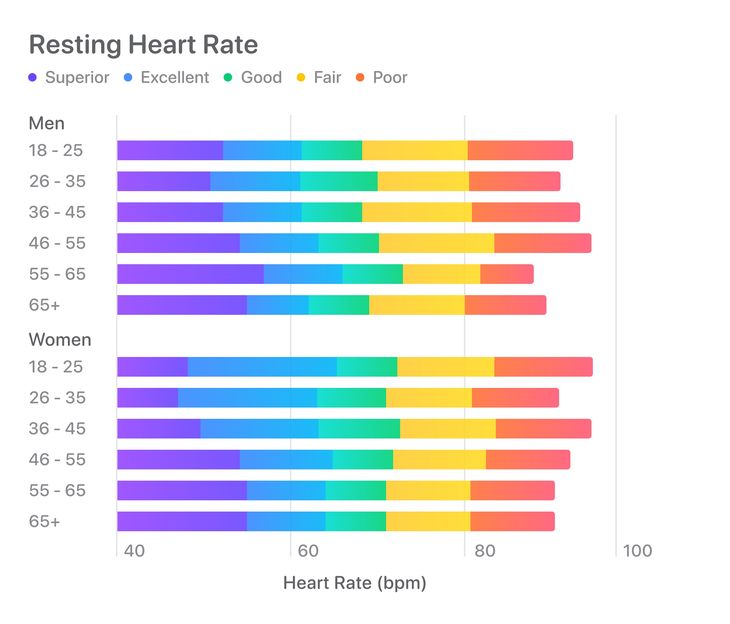
Clinical studies show that individuals with a resting pulse over eighty have a significantly higher risk of cardiovascular events.
By taking proactive steps to lower your pulse, you are directly investing in your long-term longevity.
Keeping your heart efficient reduces systemic stress and preserves the youthfulness of your blood vessels.
A lower resting heart rate is a universal hallmark of a highly resilient and healthy cardiovascular system.
This is why tracking these daily shifts with a reliable wearable is a key pillar of modern preventative medicine.
How to Correctly Monitor Your Heart Rate Trends with the Herz P1
Tracking your recovery metrics should be an effortless, seamless part of your daily routine.
The Herz P1 companion app makes it simple to understand your personal cardiac baseline trends.
As soon as you open the app, you will see a clear visualization of your daily heart rate fluctuations.
The app automatically highlights your lowest sleeping heart rate, which is your true resting heart rate.
This ensures you do not get confused by daytime spikes caused by normal physical movement.
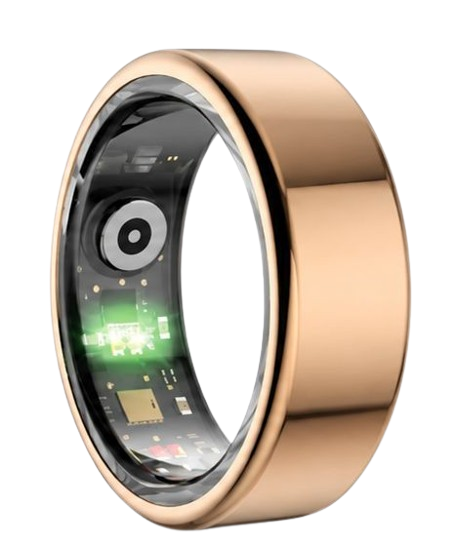
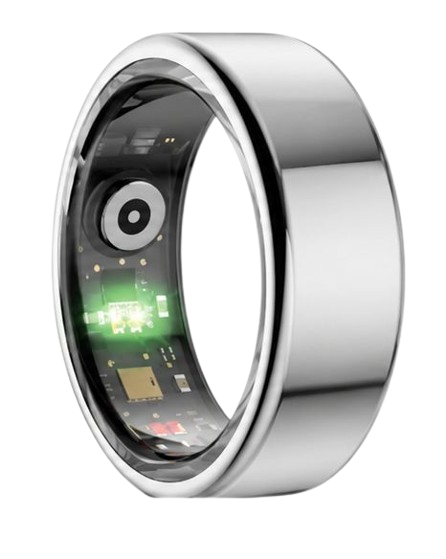
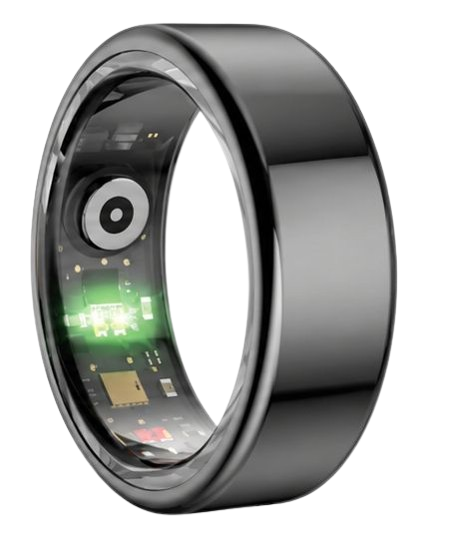
The ring features a sleek, low-profile design that does not disrupt your grip or get caught on clothing.
Unlike bulky wrist trackers, you can wear this lightweight ring comfortably while typing, exercising, or sleeping.
It is manufactured from premium military-grade steel to resist scratches and dents during your daily activities.
The continuous optical sensors read your pulse from the base of your finger, where blood vessels are highly accessible.
This ensures a highly accurate, clinical-grade reading with a minimal margin of error.
Avoiding the Pitfalls of Complex Smartwatches and Costly Apps
Many people quickly abandon their health tracking goals because their smartwatches are too heavy to wear to bed.
Sleeping with a bulky metal watch can actually disrupt your sleep quality, defeating the purpose of tracking.
Other smart ring brands lock your advanced biometric data behind a mandatory monthly paywall.
This means you must pay an ongoing fee just to view your own heart rate and sleep history.
We believe that access to your personal biological data should always be completely free.
The Herz P1 Smart Ring offers full access to all tracking metrics with absolutely no monthly subscription fees.
This transparent pricing model saves you hundreds of dollars over the lifetime of your device.
Additionally, the ring is rated IP68 waterproof, meaning you never have to take it off to wash your hands or swim.
This eliminates the risk of losing your ring or leaving it behind on a bathroom counter.
Choosing a subscription-free, highly durable tracker is the smartest way to invest in your continuous wellness.
Resting Heart Rate FAQ
Is the Herz P1 Smart Ring waterproof?
Yes, the Herz P1 features a premium IP68 waterproof rating that allows it to withstand depths of up to 164 feet.
This means you can safely wear it while swimming, taking hot showers, or relaxing in a steam room.
The durable outer shell prevents water from ever interfering with the internal optical sensors.
How long does the battery last on a single charge?
The advanced battery delivers up to 6 days of continuous monitoring on a single charge.
When it is time to recharge, the ring powers up from empty to full in less than 1 hour.
This rapid charging capability ensures you never have to miss a night of detailed sleep tracking.
Which finger is the best choice for wearing the smart ring?
The index finger of your non-dominant hand is the most recommended choice for maximum biometric accuracy.
However, the ring performs exceptionally well on your middle or ring fingers as long as the fit is snug.
Ensure the inner sensor bumps are positioned against the palm side of your hand for optimal reading.
Does the Herz P1 store my health data offline?
Yes, the ring features local memory that can store up to 7 days of continuous biometric data offline.
As soon as you open the companion app, the stored data automatically syncs to your smartphone via Bluetooth.
This allows you to track your recovery even when traveling without an active internet connection.
90-Day 100% Money-Back Guarantee
“The Herz Smart Ring helps me manage stress easily. It’s accurate, stylish, and lightweight—perfect for my busy life!”
— Jennifer P. | ✔ Verified Customer
- ✓ 6-Day Battery Life
- ✓ Detailed Sleep Analysis
- ✓ Fast 1-Hour Charging
- ✓ iOS & Android Ready
Questions? Call: 1-866-479-1629
Conclusion: Your Subscription-Free Wellness Journey Starts Here
Lowering your resting heart rate requires consistent daily habits and accurate physical tracking.
The Herz P1 Smart Ring serves as a quiet, highly reliable companion that helps you monitor these vital wellness signals effortlessly.
Ready to monitor your health every day? Explore the Herz P1 Smart Ring and see if it fits your lifestyle. Call: 1-866-479-1629 — our team can help you advise on the correct ring size and set personalized health goals.
