

Finding the perfect sleeping position is more than just a matter of comfort; it is a critical pathway to optimizing your body’s nightly restorative cycles. If you struggle with daytime fatigue or morning back stiffness, unlocking the scientifically proven side sleeper health benefits through optimal physical alignment can completely transform your recovery. By pairing correct posture with the advanced biometric monitoring of the Herz P1 Smart Ring, you can track precisely how these skeletal changes elevate your cardiovascular and neurological health overnight.
Built to Last. Save Up to 69% Today.
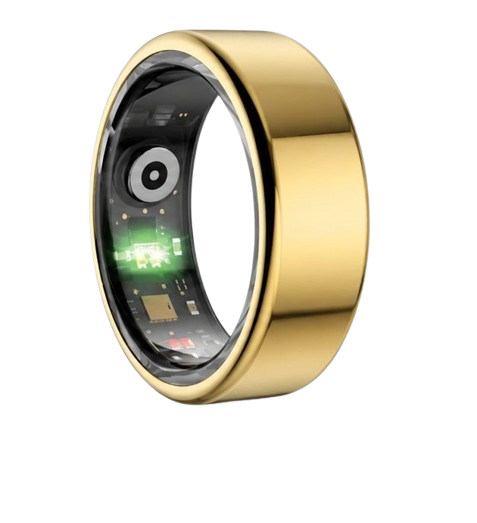
The Herz P1 Smart Ring tracks HRV, Sleep, Heart Rate & SpO2 around the clock. No subscriptions. No renewals. Ever.
In This Article
- Step-by-Step Side Sleeping Optimization: Learn exactly how to align your neck, spine, and pelvis for restorative sleep.
- Brain Waste Clearance Science: Discover how lateral sleeping optimizes the brain’s glymphatic detoxification process.
- Cardiovascular & Digestive Benefits: Understand why left-side sleeping supports cardiac output and gastric empty times.
- Biometric Validation with Herz P1: Explore how to measure your sleep quality improvements without monthly app fees.
How to Optimize Your Body Alignment for Side Sleeping: A Step-by-Step Guide
Prerequisites / What You’ll Need
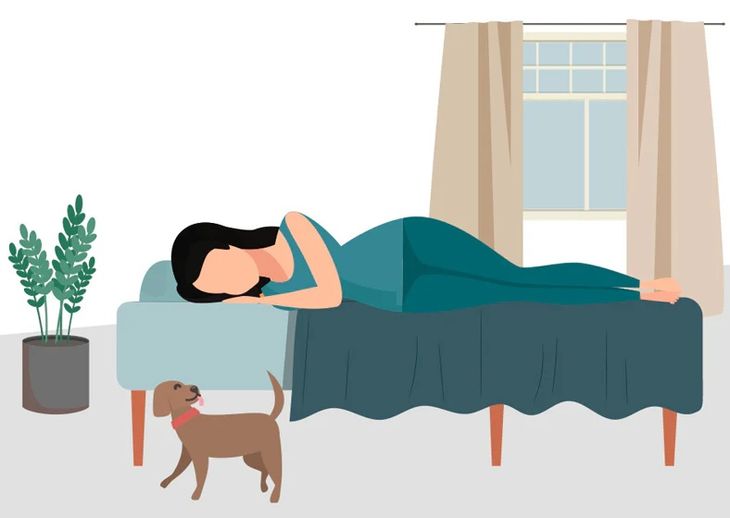
To successfully transition to a healthy, supportive lateral sleeping posture, you must gather the right environmental tools.
You will need a medium-firm supportive mattress that contours to your shoulders and hips.
You also need a contoured neck pillow that matches your shoulder-to-neck distance.
Finally, a secondary orthopedic pillow is necessary to place between your knees to stabilize your pelvis.
-
Step 1: Select the Correct Pillow Height to Protect Your Neck
A pillow that is too thick will force your cervical spine to bend upward toward the ceiling.
Conversely, a flat pillow will cause your head to sag downward toward the mattress, pinching vital nerves.
Select a supportive foam pillow that keeps your ears, shoulders, and hips in a perfect straight line.
This neutral neck position prevents muscle strain and maintains regular blood flow to the head.
-
Step 2: Align the Shoulder Joint to Avoid Nerve Compression
Many side sleepers make the mistake of tucking their bottom arm directly under their pillow.
This direct compression cuts off circulation, causing numbness or tingling in your hands.
Instead, roll slightly backward onto your shoulder blade rather than resting directly on the point of the shoulder.
Extend your bottom arm outward at a comfortable ninety-degree angle from your torso.
-
Step 3: Place a Knee Pillow to Keep Your Pelvis Square
Without support, your top leg will naturally drop forward and rest on the mattress surface.
This simple rotation pulls your lower lumbar spine out of alignment, causing persistent back stiffness.
Place a firm, rectangular pillow between your knees and ankles to keep your legs stacked parallel.
This pelvic stabilization relieves direct pressure on the sacroiliac joint throughout the night.
Using this method is highly recommended as a sleep position for back pain relief.
-
Step 4: Keep Your Thoracic Spine Long and Neutral
Avoid the temptation of tucking your chin deep into your chest while sleeping on your side.
We often refer to this overly bent posture as sleeping curled up in a ball.
Instead, gently elongate your torso and push your shoulders down away from your ears.
This open posture ensures your rib cage can fully expand, which keeps your blood oxygen levels high.
-
Step 5: Position Your Hands in a Relaxed Neutral State
Rest your hands gently in front of your chest or hold a supportive body pillow.
This posture is often referred to by experts as the classic yearner sleeping position.
Avoid clenching your fists or curling your wrists tightly inward to prevent carpal tunnel strain.
Keeping your upper body relaxed encourages deeper muscle recovery and lowers overnight stress levels.
Enhancing Your Alignment with the Herz P1 Smart Ring
Correcting your sleep posture takes consistent effort, and tracking your physical progress is essential to success.
The Herz P1 Smart Ring provides precise, real-time data on how your body responds to improved alignment.
By monitoring overnight oxygen saturation levels and Heart Rate Variability, you can see the immediate impact of side sleeping.
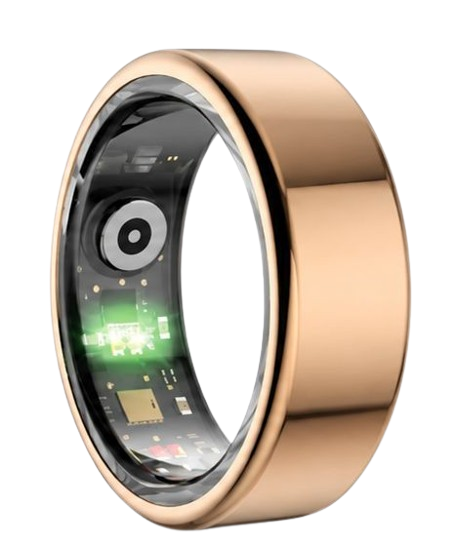
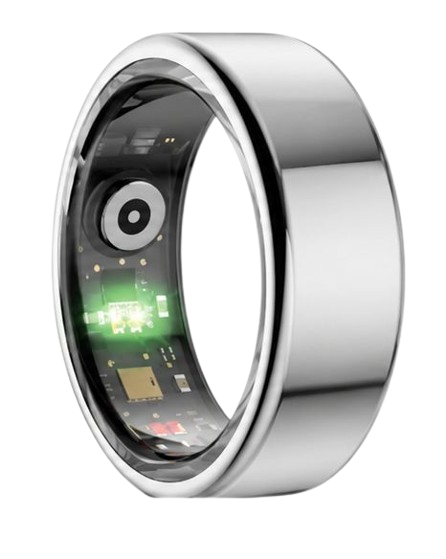
The military-grade steel ring tracks your movement patterns without the bulk of a typical smartwatch.
You can check your personalized daily metrics on the completely subscription-free Herz P1 companion app.
90-Day 100% Money-Back Guarantee
“The Herz Smart Ring helps me manage stress easily. It’s accurate, stylish, and lightweight—perfect for my busy life!”
— Jennifer P. | ✔ Verified Customer
- ✓ 6-Day Battery Life
- ✓ Detailed Sleep Analysis
- ✓ Fast 1-Hour Charging
- ✓ iOS & Android Ready
Questions? Call: 1-866-479-1629
The Neurological Power of Lateral Sleeping: Brain Waste Clearance and Glymphatic Health
One of the most revolutionary discoveries in modern sleep science is the brain’s unique waste-clearance system.
Known as the glymphatic system, this pathway acts as a neurological plumbing setup that removes toxic proteins while we rest.
Clinical studies show that lateral sleeping brain waste clearance is significantly more efficient than lying on your back or stomach.
When you sleep on your side, the cerebrospinal fluid flows more freely through brain tissues, rinsing away metabolic waste like beta-amyloid.
The National Sleep Foundation highlights lateral positioning as a major defender of long-term neurological health.
This chemical rinse cycle is especially active during deep slow-wave sleep and REM Sleep stages.
When you use a smart ring like the Herz P1, the high-precision PPG sensor monitors your sleep stages with incredible accuracy.
If your sleep structure is fragmented due to poor breathing or spinal pain, your brain never spends enough time in deep stages.
Using a comfortable lateral position protects your airway, which directly optimizes your blood oxygen saturation, or SpO2 levels.
Keeping your SpO2 high prevents the brief waking episodes that break up your restorative glymphatic clearance phases.
Over time, tracking these sleep trends helps you understand the direct link between sleep positions and cognitive clarity.
Transitioning from other positions is simple when you review the steps in our guide on how to transition from fetal sleep safely.
Cardiovascular and Digestive Mechanics: Why Side Sleeper Health Benefits Favor the Left Side
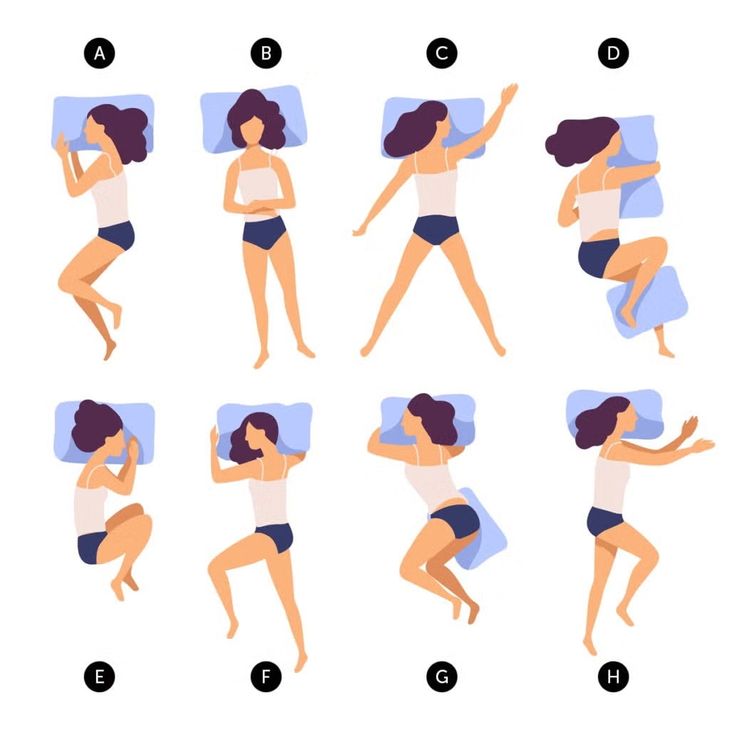
The physiological advantages of side sleeping change depending on whether you choose your left or right side.
Sleeping on your left side offers profound advantages for both cardiac function and gastrointestinal digestion.
The American Heart Association notes that left-side sleeping supports healthy circulation by relieving pressure on the vena cava.
The inferior vena cava is the body’s largest vein, carrying blood from your lower extremities back to your heart.
When you rest on your left side, gravity helps keep this pathway open, lowering your resting heart rate overnight.
This improved venous return directly influences your Heart Rate Variability (HRV), a primary indicator of nervous system recovery.
A higher overnight HRV score suggests your parasympathetic nervous system is actively repairing muscle tissue and lowering stress.
The Herz P1 Smart Ring measures your HRV every five minutes while you sleep, providing a detailed picture of your cardiac trends.
Left-side sleeping also works with the natural anatomy of your digestive tract to prevent painful acid reflux.
Your stomach sits naturally on the left side of your abdomen below the esophagus.
By sleeping on your left side, gastric juices stay pooled below the esophageal valve, preventing heartburn.
This structural relief keeps your digestion smooth and prevents discomfort from waking you up mid-cycle.
Understanding these physical mechanics helps you find the true sleep position meaning behind your body’s morning recovery signals.
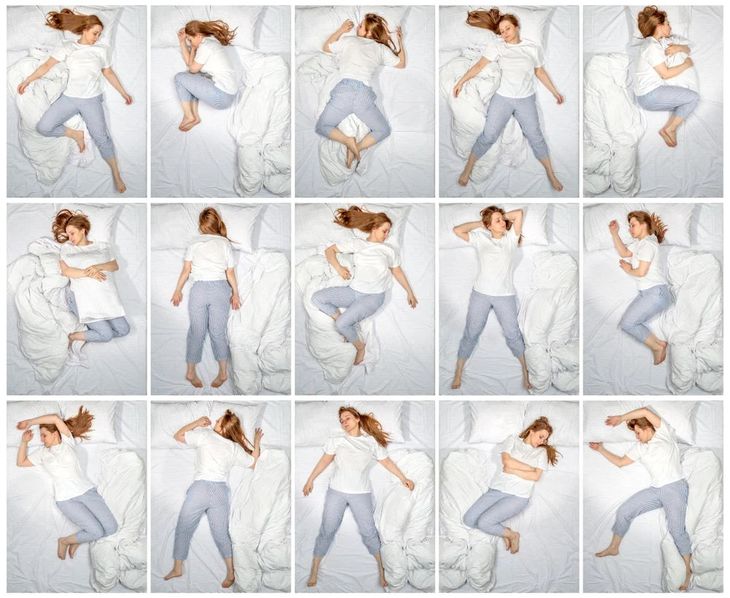
Whether you choose a slightly bent fetal position sleep posture or a straight side posture, support is key.
Using pillows correctly ensures you can enjoy these internal benefits without causing shoulder or hip stiffness.
How to Leverage Smart Ring Biometrics to Validate Your Sleep Alignment
Switching your sleep posture is a great first step, but how do you know if your alignment is actually improving your rest?
The Herz P1 Smart Ring companion app translates complex physical metrics into simple, actionable daily insights.
When you open your app each morning, the first metric to review is your Sleep Score, rated on a scale from 1 to 100.
This score combines sleep duration, stage ratios, movement, and heart rate to show your overall recovery.
Check your Deep Sleep percentage, which should ideally make up fifteen to twenty-five percent of your night.
If you wake up feeling stiff or see frequent movement spikes in your data, your pillow height may need a quick adjustment.
You can also track your SpO2 graph to see if your side sleeping posture is keeping your airways fully open.
An average oxygen level between ninety-five and one hundred percent indicates clear breathing without obstructive airway pressure.
If your levels dip, it means your head or chin might be drooping too close to your chest.
The Herz P1 tracks these trends seamlessly, allowing you to run small personal sleep experiments with different pillows.
Because the ring is made of military-grade steel, it is incredibly light and comfortable to wear all night long.
Unlike heavy smartwatches, the ring won’t distract you or wake you up as you change positions.
By using this accurate, subscription-free data, you can build a highly customized sleep routine that supports long-term health.
Common Pitfalls of Sleep Tracking: Bulky Wearables and Hidden Costs
Many people want to monitor their sleep, but they choose devices that actually get in the way of a good night’s rest.
Wearing a bulky, heavy smartwatch to bed often creates physical irritation as you roll onto your side.
The hard edges of a watch can press into your wrist or snag on your sheets, causing micro-awakenings.
These brief, unnoticed wake-ups break your deep sleep cycles and lower your overall recovery score.
In addition, many wearable brands charge hidden monthly fees to access your own biometric data.
With those brands, buying the device is just the start of a continuous, expensive subscription cycle.
Team Herz P1 believes you should own your health data completely without any recurring charges.
The Herz P1 app is entirely free for life, giving you full access to advanced metrics, trends, and sleep insights.
Our smart ring is built with a sleek, minimalist profile that fits comfortably at the base of your finger.
The ring’s smooth inner lining avoids the skin irritation common with rubber smartwatch bands.
This focus on comfort and transparency makes it easier than ever to build a consistent tracking habit.
To learn more about how different setups affect your night, check out our popular sleeping positions guide.
Frequently Asked Questions About Sleep Positions and Biometric Tracking
Conclusion
Optimizing your sleep position is a powerful, science-backed way to support your heart, brain, and digestion overnight.
The Herz P1 serves as your ultimate, subscription-free partner on this health journey.
Ready to monitor your health every day?
Explore the Herz P1 Smart Ring and see if it fits your lifestyle.
Call: 1-866-479-1629 — our team can help you advise on the correct ring size and set personalized health goals.
