

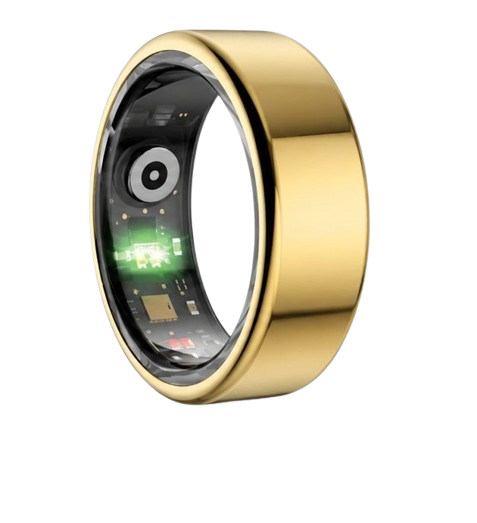
If you suffer from chronic lower back stiffness, sleeping with your knees propped up can provide immediate spinal decompression. Clinical data shows that optimizing your overnight posture relieves pressure on the lumbar vertebrae, allowing for deeper sleep. Our team at Team Herz P1 designed the Herz P1 Smart Ring to track exactly how these subtle postural adjustments improve your nightly heart rate variability (HRV) and deep sleep recovery.
Built to Last. Save Up to 69% Today.
The Herz P1 Smart Ring tracks HRV, Sleep, Heart Rate & SpO2 around the clock. No subscriptions. No renewals. Ever.
In This Article
- Postural Step-by-Step Guide: How to properly configure pillows to alleviate spinal tension.
- Biomechanics of Alignment: The scientific mechanism of posterior pelvic tilt and disc decompression.
- Neurological Optimization: Connecting physical comfort to autonomic nervous system metrics like HRV.
- Biometric Diagnostics: How to read your physiological markers using advanced smart wearables.
How to Achieve Optimal Spinal Alignment: A Step-by-Step Guide to Propping Your Knees Up in Bed

To implement this alignment method successfully, you must prepare the correct environment and tools.
Ensure you have a supportive, medium-firm mattress that does not sag in the middle.
You will need a specialized cylindrical bolster, a wedge pillow, or two dense, standard-sized pillows.
Finally, clear any heavy blankets that might restrict your feet from resting naturally.
Step 1: Select Your Ideal Pillow Density and Height
Do not use an overly soft feather pillow for this restorative posture technique.
A soft pillow collapses completely under the heavy weight of your thighs and calves.
Instead, choose a medium-firm memory foam pillow or a dense poly-fill bolster.
The ideal height of the support should range precisely between three to five inches.
This height ensures your knees are elevated at a highly relaxed and natural angle.
A higher elevation can over-flex your hips and cause muscle shortening over time.
Conversely, an excessively low pillow will fail to tilt your pelvis sufficiently.
You want a density that maintains its structured shape throughout the entire night.
Consider using a contoured orthopedic leg pillow designed specifically for pelvic support.
Test the firmness by pressing your hand firmly into the center of the cushion.
It should push back gently, indicating a strong, resilient structural support core.
Having the correct physical tool is the foundational key to unlocking overnight back relief.
Step 2: Assume a Balanced Supine Position
Begin by lying completely flat on your back in the direct center of your mattress.
Keep your head, neck, and upper shoulders supported by a supportive cervical pillow.
Let your arms rest gently at your sides or folded lightly across your abdomen.
Avoid twisting your torso or tilting your head to one specific side.
This initial position is essential for establishing clean, bilateral spinal symmetry.
Ensure your weight is distributed evenly across your shoulder blades and sacrum.
Take three deep diaphragmatic breaths to release residual daytime muscle tension.
Relax your jaw, neck muscles, and chest to prepare your body for alignment.
Your spine should feel straight and centered from your skull down to your tailbone.
If your mattress is saggy, consider placing a supportive board underneath for stability.
A stable foundation prevents your hips from sinking too deeply into the bed.
Achieving a balanced supine posture is the critical second step of this process.
Step 3: Slide the Support Directly Under the Popliteal Fossa
Bend both of your knees slightly to lift your legs off the mattress surface.
Gently slide your chosen orthopedic pillow directly underneath your raised knees.
The bolster must sit squarely under the popliteal fossa, which is the space behind your knees.
This specific placement supports the natural joint flexion without straining delicate tendons.
Ensure the pillow does not slide down to support only your calves or heels.
Supporting only the calves can cause your knees to hyperextend, which increases joint strain.
The back of your thighs should rest comfortably against the upward slope of the pillow.
Your heels should remain in light, relaxed contact with the mattress sheet.
This dual support distribution keeps your lower limbs fully stabilized throughout the night.
Adjust the horizontal placement until both legs feel perfectly symmetrical and unconstrained.
There should be no pinching, pressure points, or physical discomfort in your joints.
Correct placement behind the knees is vital for continuous overnight lumbar relief.
Step 4: Confirm Your Pelvic Tilt and Lumbar Contact
Once the pillow is securely placed, pay close attention to your lower back sensation.
You should feel your pelvis tilt slightly backward into a healthy, neutral alignment.
This structural rotation allows your lower lumbar spine to contact the mattress gently.
This physical contact indicates that the natural arch of your back is fully supported.
Any hollow space or drafty gap between your lower back and the bed should completely disappear.
Your abdominal muscles should feel relaxed, soft, and completely free of tension.
If you still feel a hollow gap, your pillow height may need to be adjusted higher.
If your lower back feels forced or flattened uncomfortably, lower the pillow height slightly.
Listen closely to your body’s subtle feedback signals to find your personal sweet spot.
A perfectly aligned pelvis removes mechanical shearing forces from your spinal column.
This relief allows the surrounding deep muscles to relax and recover from daily fatigue.
Confirming this contact guarantees you are receiving the maximum therapeutic benefits of this posture.
Step 5: Transition Safely to a Side-Sleeping Position If Needed
If you prefer side sleeping, you can easily adapt this supportive technique.
Gently roll onto your preferred side while keeping your hips and shoulders aligned.
Pull your knees slightly upward toward your chest in a comfortable, relaxed angle.
Place your supportive pillow directly between your knees, extending down to your ankles.
This placement prevents your upper leg from dropping forward and twisting your pelvis.
It keeps your hips, knees, and ankles in a perfectly straight, parallel plane.
This parallel alignment removes painful twisting forces from your sacroiliac joint.
It also prevents your top hip from pulling on your lower lumbar vertebrae.
Make sure your head pillow is thick enough to keep your neck perfectly straight.
Your nose, sternum, and navel should form a straight, balanced horizontal line.
This balanced side posture is excellent for relieving pressure on your spinal discs.
Mastering this simple transition ensures pain-free rest no matter how much you turn.
Adopting these physical alignment steps can completely transform the way you feel each morning.
Many chronic pain sufferers find that sleeping with knees up is the single most effective home habit they can develop.
By committing to a regular pillow under knees sleep protocol, you are actively supporting your body’s musculoskeletal health.
This simple habit acts as the ultimate sleep position for back pain management and prevention.
For those struggling with hip tightness, it also serves as the best sleeping position for hip flexor pain relief.
To verify if these postural adjustments are actively improving your recovery, the Herz P1 Smart Ring offers a seamless, non-invasive solution.
It tracks your autonomic nervous system responses around the clock, providing clear feedback on your sleep quality changes.
Explore our premium health tracking technology at the Herz P1 Smart Ring checkout page to begin monitoring your wellness trends with military-grade precision.
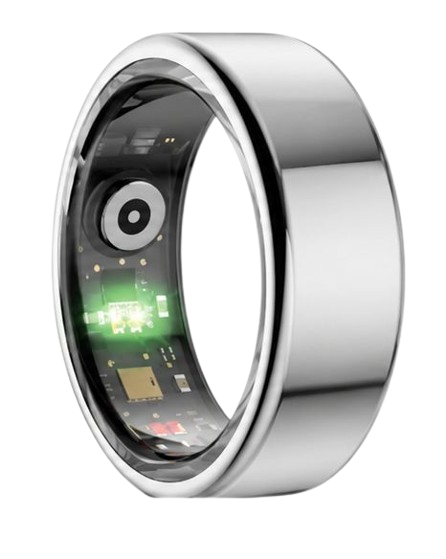
90-Day 100% Money-Back Guarantee
“The Herz Smart Ring helps me manage stress easily. It’s accurate, stylish, and lightweight—perfect for my busy life!”
— Jennifer P. | ✔ Verified Customer
- ✓ 6-Day Battery Life
- ✓ Detailed Sleep Analysis
- ✓ Fast 1-Hour Charging
- ✓ iOS & Android Ready
Questions? Call: 1-866-479-1629
The Spinal Science Behind Lumbar Decompression and Posterior Pelvic Tilt

When you sleep completely flat on a standard mattress, your legs pull your pelvis forward.
This pulling force is caused by tight hip flexor muscles, specifically the psoas major.
This muscular pull causes your pelvis to tilt anteriorly, creating an unnatural forward curve.
An anterior pelvic tilt exaggerates the natural lordotic curve of your lumbar spine.
This excessive, unnatural arching is scientifically referred to as lumbar hyperlordosis.
Hyperlordosis compresses the delicate facet joints located at the back of your vertebrae.
It also pinches the posterior walls of your intervertebral discs, leading to severe morning stiffness.
By propping your knees up, you instantly slacken the tension on the psoas muscle.
This targeted physical action rotates your pelvis backward into a healthy posterior tilt.
The flat posture allows the lumbar spine to rest flush against the sleeping surface.
Medical research from the National Sleep Foundation confirms this posture minimizes spinal muscle tension.
It also facilitates maximum passive spinal decompression throughout your nightly sleep cycles.
For comparison, lying flat on back without any knee support often worsens lower lumbar compression.
In contrast, lifting your knees reduces the intradiscal pressure by up to fifty percent.
This massive pressure drop allows oxygen-rich fluids to flow back into the spinal discs.
This rehydration process is essential for maintaining spinal elasticity and preventing disc degeneration.
Protecting your discs from wear is the primary key to long-term back health.
How Sleep Posture Directly Influences Heart Rate Variability and Sleep Stages
Physical pain is a powerful physiological stressor that activates your sympathetic nervous system.
This fight-or-flight system triggers a steady release of cortisol and adrenaline into your bloodstream.
These stress hormones keep your heart rate elevated and your blood pressure high during sleep.
When you use targeted orthopedic positioning to align your spine, your physical discomfort decreases.
This welcome pain relief allows your autonomic nervous system to shift into a parasympathetic state.
The parasympathetic branch governs your body’s natural rest, digest, and recovery functions.
According to the American Heart Association, a strong parasympathetic tone directly increases your heart rate variability.
Heart rate variability, or HRV, measures the tiny variations in milliseconds between consecutive heartbeats.
A higher HRV score indicates a highly resilient, adaptive, and fully recovered nervous system.
Conversely, chronic structural pain keeps your HRV low, indicating poor systemic physical recovery.
By optimizing your sleep ergonomics, you reduce the micro-arousals caused by physical discomfort.
Fewer micro-arousals mean your body can spend more uninterrupted time in deep sleep stages.
Deep slow-wave sleep is the precise stage where physical tissue repair and muscle growth occur.
The Herz P1 Smart Ring monitors these critical shifts by recording your heart rate and HRV every five minutes.
This high sampling frequency provides an incredibly high-resolution map of your autonomic recovery.
It allows you to see the exact moment your body transitions from stress to deep repair.
Tracking these trends helps you connect daily postural habits with real overnight recovery results.
Optimizing Your Daily Recovery with the Herz P1 Health Tracking Dashboard
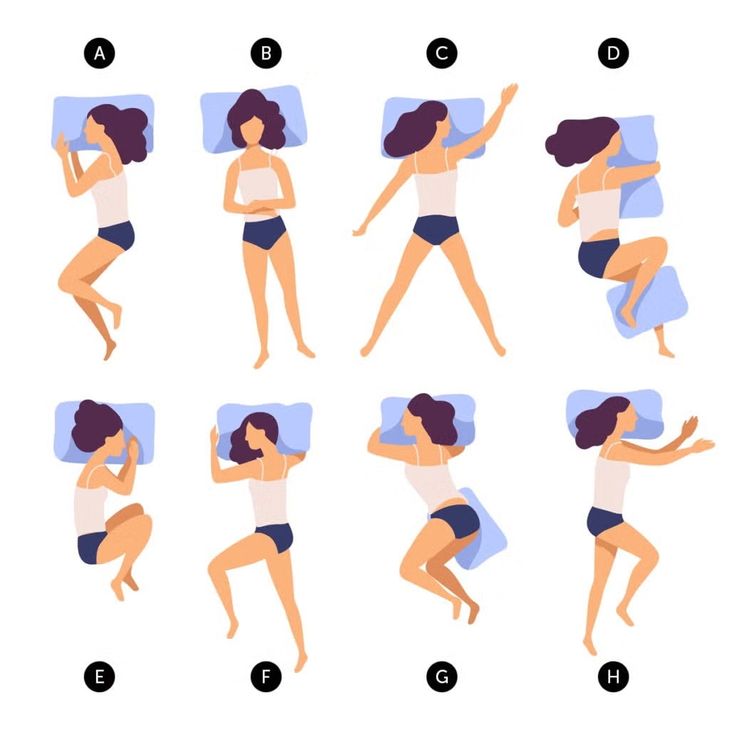
Understanding your biometrics is the ultimate key to mastering your overall sleep hygiene.
The Herz P1 companion app translates complex medical-grade data into clear, actionable visual trends.
When you open the application each morning, check your overall Sleep Score first.
This comprehensive score combines your total sleep duration, deep sleep percentage, and resting heart rate.
Next, examine the sleep staging graph to analyze your REM and Deep Sleep cycles.
Compare nights when you slept flat to nights when you propped your knees up.
You will likely observe a significant, measurable increase in your deep slow-wave sleep duration.
You may also see a lower average sleeping heart rate, indicating improved cardiovascular efficiency.
The app also tracks your blood oxygen saturation, or SpO2, around the clock.
Consistent oxygen levels above ninety-five percent are crucial for healthy tissue recovery and repair.
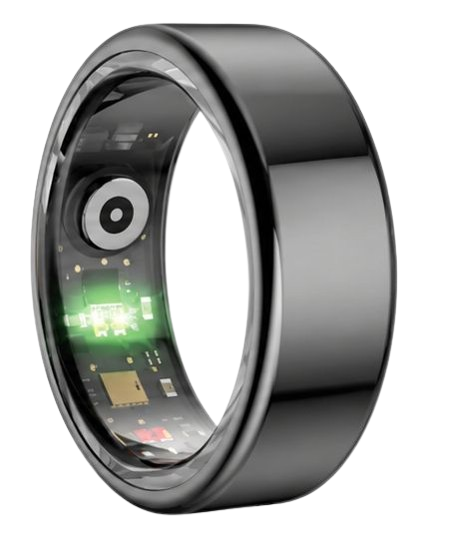
The Herz P1 features an ultra-lightweight, sleek design that is highly comfortable for continuous wear.
Unlike heavy, bulky smartwatches, the ring does not cause wrist irritation or disrupt your sleep.
This ergonomic comfort makes it easy to collect clean, uninterrupted biometric data for weeks.
Using these insights, you can fine-tune your evening routine to achieve maximum physical recovery.
Empowering yourself with data is the fastest way to reclaim your vitality and energy.
Avoiding Postural Pitfalls: Sleep Posture Mistakes That Sabotage Recovery
While propping your knees is highly beneficial, executing the technique incorrectly can cause issues.
One common mistake is sleeping straight with your legs fully locked on an overly firm mattress.
This rigid posture forces your lower back into an artificial, highly strained arch.
Another major mistake is using a stack of standard pillows that are far too high.
An excessive bend in your knees can restrict healthy blood circulation in your lower limbs.
It can also cause your hip flexors to shorten and tighten over time.
Always strive for a modest, natural knee bend of about fifteen to twenty degrees.
Additionally, pay close attention to your overall sleep position meaning and movement habits.
For instance, some individuals try to sleep in a rigid figure 4 sleeping position while propping their knees.
This asymmetrical posture twists the delicate sacroiliac joint and can worsen sciatica pain.
Keep your hips perfectly square and your legs evenly supported to avoid pelvic rotation.
Beyond physical posture, many people make the mistake of wearing heavy smartwatches to bed.
These bulky devices often catch on your sheets, causing sudden micro-arousals that ruin sleep.
They also carry the hidden cost of expensive, recurring monthly application subscriptions.
The Herz P1 Smart Ring completely eliminates this frustration by offering a free app for lifetime.
Avoiding these common errors ensures your sleep setup works for you, not against you.
Frequently Asked Questions Regarding Sleep Posture and Herz P1 Tracking
Yes, the Herz P1 features a premium IP68 waterproof rating.
This rating ensures the ring is fully protected against dust and continuous water submersion.
You can safely wear it while swimming in pools, taking hot showers, or washing your hands.
The military-grade steel outer shell protects the delicate internal sensors from high water pressure.
It is designed to withstand depths up to 164 feet without losing any tracking functionality.
The Herz P1 Smart Ring features an exceptional battery life of up to 6 days.
This long lifespan is powered by an ultra-efficient, custom-engineered micro-battery.
It allows you to track your sleep, HRV, and activity continuously without daily charging stress.
When the battery is depleted, the ring charges fully in under 1 hour.
This fast-charging capability ensures you never miss critical overnight biometric sleep data.
Our testing shows the index finger offers the highest biometric reading accuracy.
This is because the index finger contains larger, highly accessible blood vessels near the skin surface.
However, you can also wear the ring comfortably on your middle or ring finger.
Ensure the inner sensor bumps sit snugly against the palm side of your chosen finger.
A snug fit is crucial for preventing the ring from rotating and losing contact with your skin.
Yes, the ring contains advanced built-in flash memory for offline storage.
It can safely store up to 7 days of detailed biometric data locally on the device.
This means you do not need to keep your smartphone near your bed while you sleep.
Once you open the app, the ring automatically syncs your data via a secure Bluetooth connection.
This offline feature is perfect for traveling or practicing a healthy screen-free bedroom routine.
Yes, the inner lining of the Herz P1 is crafted from hypoallergenic, medical-grade resin.
The outer band is made of military-grade steel that resists corrosion and sweat buildup.
This combination prevents skin irritation, rashes, and localized allergic reactions during extended wear.
We recommend drying your finger thoroughly after washing your hands or exercising.
Keeping the skin clean and dry ensures a highly comfortable 24/7 tracking experience.
Smartwatches are often heavy, bulky, and uncomfortable to wear during sleep.
They also require frequent charging, which often forces you to miss overnight tracking sessions.
The Herz P1 is incredibly lightweight, weighing only a few grams on your finger.
It has no bright screen to wake you up with sudden, disruptive notifications.
Additionally, it provides cleaner biometric signals due to the high density of blood vessels in the fingers.
No, the Herz P1 companion app is completely free for lifetime.
We believe your personal health data should never be locked behind a paywall.
You will have full access to all sleep staging, HRV tracking, and stress metrics.
There are no hidden fees, recurring monthly charges, or premium upgrade paywalls.
Your one-time hardware purchase secures lifetime access to our entire health tracking platform.
We back every Herz P1 Smart Ring with an industry-leading 2-year warranty.
This warranty covers any manufacturing defects or hardware malfunctions under normal use.
We also offer an ironclad 90-day money-back guarantee with every purchase.
If you are not completely satisfied with your tracking results, you can return it for a full refund.
This risk-free policy reflects our absolute confidence in our product’s quality and accuracy.
Conclusion: Begin Your Journey to Pain-Free, Restorative Sleep Today
Taking control of your sleep posture is a highly effective way to eliminate chronic lower back stiffness naturally.
By keeping your knees propped up, you release mechanical strain and allow your spine to heal.
Combine this mechanical physical adjustment with the advanced tracking technology of the Herz P1 Smart Ring.
This powerful duo provides the physical relief and real-time data trends you need to optimize your daily health.
Ready to monitor your health every day? Explore the Herz P1 Smart Ring and see if it fits your lifestyle. Call: 1-866-479-1629 — our team can help you advise on the correct ring size and set personalized health goals.
