

According to clinical research from the National Sleep Foundation, nearly 13% of adults adopt the yearner sleeping position, a side-sleeping posture characterized by outstretched arms that can significantly impact spine alignment and overnight cardiovascular stress. To successfully manage the physiological outcomes of this distinct posture, modern sleepers are turning to the innovative Herz P1 smart ring to track structural breathing trends, daily oxygen levels, and autonomic recovery without uncomfortable watch bands.
Built to Last. Save Up to 69% Today.
The Herz P1 Smart Ring tracks HRV, Sleep, Heart Rate & SpO2 around the clock. No subscriptions. No renewals. Ever.

In This Article
- Spine Alignment Protocol: Learn the precise physical adjustments required to prevent shoulder and back compression.
- Psychological Profiles: Explore how side-sleeping postures relate to subconscious behavioral patterns and traits.
- Autonomic Recovery Tracking: Understand how continuous oximetry and heart rate variability validate your rest quality.
- Lifestyle Optimization: Discover daily routines to improve overall sleep architecture and longevity.
How to Optimize Spine Alignment in the Yearner Sleeping Position
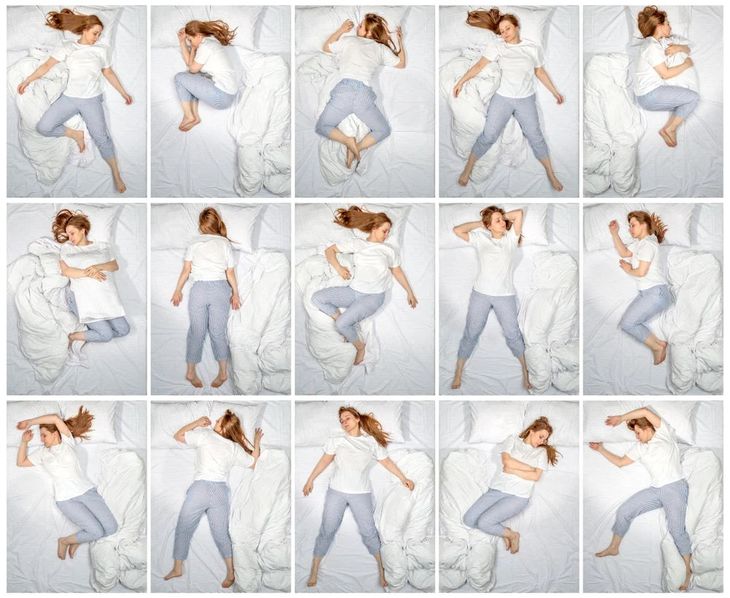
Before adjusting your posture, gather the necessary supportive tools to protect your neck and shoulders.
You will need a medium-firm contour pillow, a secondary thin knee pillow, and a biometric tracker like the Herz P1 Smart Ring to monitor structural recovery progress.
-
Step 1: Select the Perfect Primary Head Pillow
Choose a supportive head pillow that fills the exact gap between your outer shoulder and your ear.
Avoid pillows that are too thick because they force your neck upward into an unnatural bend.
Avoid flat pillows that let your head sag toward the mattress and strain your cervical muscles.
A memory foam contour pillow maintains a neutral, straight cervical spine throughout the night.
-
Step 2: Position Your Arms to Reduce Shoulder Compression
Avoid placing your lower arm directly under your pillow or torso to prevent cutting off circulation.
Stretch both arms outward in front of your chest to distribute your upper body weight evenly.
Keep a slight, relaxed bend in your elbows to prevent nerve tension in your wrists.
This outstretched alignment prevents the waking stiffness common to the yearner sleep position.
-
Step 3: Place a Support Pillow Between Your Knees
Bend your knees slightly and pull them gently toward your chest in a relaxed curve.
Insert a thin, supportive pillow directly between your knees to keep your joints aligned.
This pillow prevents your upper leg from sliding forward and twisting your lower back during sleep.
Maintaining pelvic alignment prevents chronic lower back stiffness and hip joint pain.
-
Step 4: Engage a Consistent Sleep Tracking Routine
Slide your biometric tracker onto your index or middle finger before going to sleep.
Ensure the sensor pads face inward to capture the strongest pulse signals from your blood vessels.
Track your weekly baseline metrics to see how your new posture affects your deep sleep phases.
Consistency is vital because spinal adaptation takes several nights to register in your recovery data.
-
Step 5: Review Your Respiratory and Autonomic Metrics Daily
Open your companion health app immediately after waking up each morning.
Examine your blood oxygen saturation trends for any structural drops caused by poor breathing posture.
Cross-reference these respiratory patterns with your total deep sleep duration to verify restorative rest.
Adjust your pillow height if you notice consistent drops in your overnight oxygen levels.
Adjusting your body alignment in the names of sleeping positions requires objective validation to be effective.
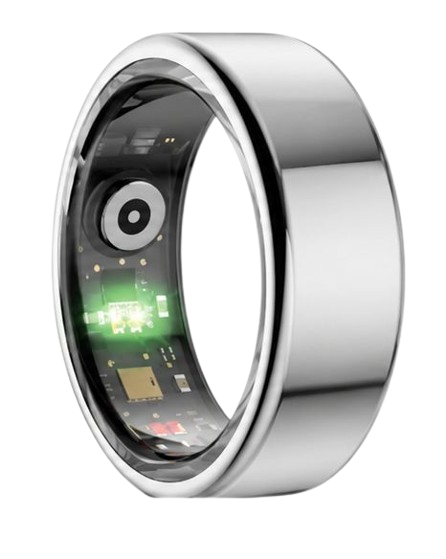
The Herz P1 Smart Ring continuously monitors your blood oxygen and heart rate variability without monthly subscription hurdles.
Our team engineered this military-grade steel ring to provide detailed biometric feedback so you can see exactly how posture changes improve recovery.
90-Day 100% Money-Back Guarantee
“The Herz Smart Ring helps me manage stress easily. It’s accurate, stylish, and lightweight—perfect for my busy life!”
— Jennifer P. | ✔ Verified Customer
- ✓ 6-Day Battery Life
- ✓ Detailed Sleep Analysis
- ✓ Fast 1-Hour Charging
- ✓ iOS & Android Ready
Questions? Call: 1-866-479-1629
Decoding the Psychological and Physical Meaning of the Yearner Sleeping Position
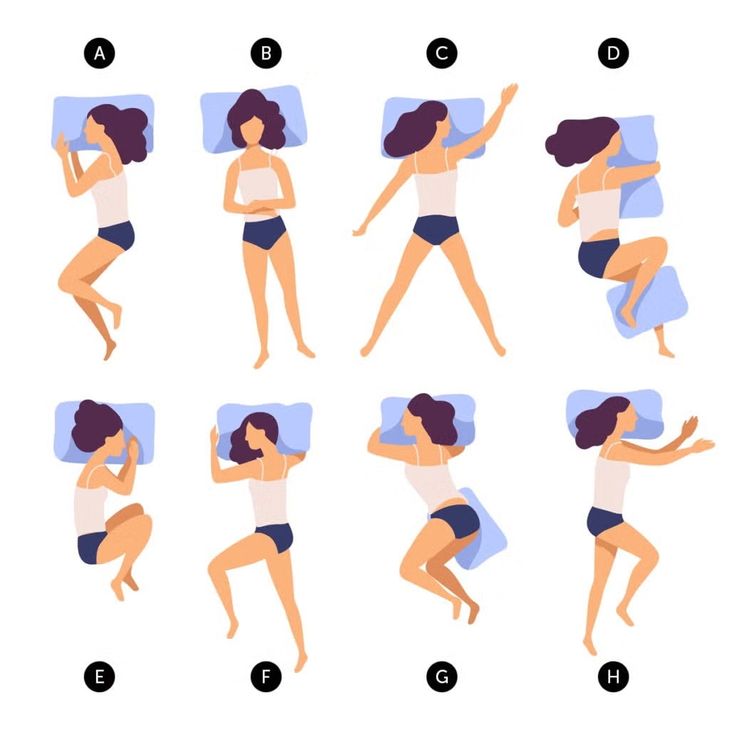
Sleep researchers have long analyzed how our physical resting habits relate to our waking minds.
The sleeping positions meaning extends far beyond simple physical comfort or routine habit.
Psychological studies suggest that individuals who choose the yearner sleeping position often possess open but cautious personalities.
They are typically slow to make decisions because they prefer to weigh all potential outcomes carefully.
However, once they commit to a path, they rarely change their minds or abandon their plans.
This combination of openness and determination mirrors their physical stance of reaching out while lying safely on their side.
Among the popular sleeping positions, this stance stands out for its unique biomechanics.
Unlike the tight, curled-up shape of the fetal position sleep, the yearner allows for greater chest expansion.
This physical openness supports steady lung volume and heart rate regulation during deep sleep cycles.
Furthermore, keeping the neck extended prevents the airways from becoming compressed during long resting periods.
Understanding these subtle physical patterns helps you make more informed choices about your daily rest.
The Biometric Science of Side Sleeping: How Posture Affects HRV and Oxygen Saturation
Clinical data from the National Sleep Foundation shows that side sleeping can significantly reduce the risk of sleep apnea.
When you lie on your side, gravity keeps your tongue and throat muscles from blocking your airway.
The American Heart Association also notes that left-side sleeping can improve overall blood circulation to the heart.
However, sleeping on your side can put extra pressure on your shoulders and neck if your head is not properly supported.
This structural stress can trigger minor stress responses in your nervous system throughout the night.
Your body registers this physical load through changes in Heart Rate Variability (HRV).
A lower HRV score during sleep indicates that your body is working harder to recover from daytime fatigue.
By tracking your HRV every five minutes, the Herz P1 Smart Ring helps you identify these subtle stress indicators.
If your HRV drops when you sleep in certain side positions, you may need better mattress or pillow support.
Continuous blood oxygen (SpO2) tracking provides another critical layer of safety for side sleepers.
Healthy oxygen levels should stay between 95% and 100% throughout the entire night.
Significant drops can indicate breathing issues caused by a collapsed airway or poor neck posture.
The Herz P1 measures these changes with an advanced optical sensor, keeping you informed of your respiratory trends.
Comparing the Yearner to Other Classic Sleep Postures
Understanding where the yearner pose fits among other styles helps you make better sleep choices.
For instance, the soldier sleeping position requires lying flat on your back with arms at your sides.
While this keeps the spine straight, it often increases the risk of loud snoring and acid reflux.
In contrast, the stomach-lying freefall sleeping position can twist the neck and strain the lower back.
The supine starfish position also keeps the spine neutral but is prone to airway collapse.
The yearner pose offers a healthy compromise by keeping your airway open and your back supported.
By comparing your biometric data across different nights, you can find your optimal style.
You might discover that your deep sleep stages are longest when you avoid sleeping on your stomach entirely.
Monitoring these changes with a smart ring gives you the clarity to build better habits.
Practical Steps to Optimize Your Sleep Quality Using Smart Ring Biometrics

Tracking your metrics is only useful if you know how to apply the data to your life.
The Herz P1 App makes it easy to read and understand your complex body signals.
Each morning, check your Sleep Quality Score, which combines deep sleep, REM sleep, and awake times.
If your deep sleep is low, try adjusting your room temperature to a cool 65 to 68 degrees Fahrenheit.
If your HRV score is low, reduce your physical exercise intensity for the day to avoid overtraining.
You can also use these insights to assess how late-night meals or alcohol affect your cardiac recovery.
Because the Herz P1 is made of lightweight, military-grade steel, you can wear it 24/7 without discomfort.
Unlike bulky smartwatches, it will not irritate your wrist or catch on your bedsheets.
This seamless design ensures you never miss a minute of biometric tracking.
Over time, these small adjustments lead to more energy and better focus during the day.
Avoiding the Pitfalls of Fragile and Expensive Wearables
Many people try to monitor their health using large, heavy smartwatches.
These bulky devices are often uncomfortable to wear to bed, leading to missing sleep data.
They also require daily charging, which usually happens during the night when you need tracking most.
Furthermore, many wearable brands charge expensive monthly subscription fees to access your own data.
We believe your health insights should always belong to you for free.
The Herz P1 Smart Ring offers a lifetime of full app access with zero monthly fees.
Its highly durable, military-grade steel shell is completely waterproof and built to last.
You can wash your hands, swim, or take a hot shower without ever taking it off.
Investing in a subscription-free smart ring saves you hundreds of dollars over the years.
This makes high-quality biometric tracking accessible to everyone without hidden costs.
Frequently Asked Questions About Wearable Biometrics and Sleep
Is the Herz P1 Smart Ring waterproof?
Yes, the Herz P1 features an advanced IP68 waterproof rating.
It is certified safe for continuous submersion in water up to 164 feet deep.
You can confidently wear it while swimming, showering, or washing your hands.
The sealed internal electronics are fully protected from moisture and sweat.
How long does the battery last on a single charge?
The battery lasts up to 6 full days of continuous 24/7 biometric tracking.
It charges fully in under 1 hour using our magnetic quick-charge dock.
This long battery life means you can track your sleep without constant charging anxiety.
You can travel for a weekend without needing to pack your charger.
Which finger is best to wear the smart ring on?
The index finger of either hand is the recommended choice for the highest sensor accuracy.
The middle finger and ring finger are also excellent alternative options.
Choose a finger where the ring fits snugly but comfortably without rotating easily.
Avoid fingers with prominent knuckles that might cause the ring to sit too loosely.
Does the Herz P1 store my health data offline?
Yes, the ring has secure built-in local storage that holds up to 7 days of raw data.
Your metrics will sync automatically to the app once your phone is nearby with Bluetooth turned on.
You do not need to keep your phone in your bedroom to capture your overnight sleep metrics.
This offline storage prevents any data loss when you are away from your devices.
Conclusion: Your Subscription-Free Wellness Journey Starts Here
Optimizing your sleep alignment in the yearner position is key to daily vitality.
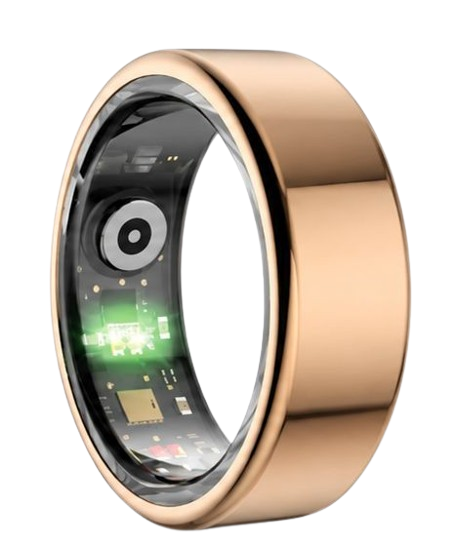
The Herz P1 Smart Ring provides the subscription-free biometric data you need to master your recovery.
Ready to monitor your health every day?
Explore the Herz P1 Smart Ring and see if it fits your lifestyle.
Call: 1-866-479-1629 — our team can advise on the correct ring size.
Note: Individual results may vary depending on individual health conditions, age, and lifestyle habits. This article is intended for general health reference purposes only.
