

Waking up exhausted despite spending eight hours in bed is a frustrating cycle that points directly to suboptimal sleep quality. To break this cycle, you must learn how to measure and optimize your nightly sleep score, a vital health metric tracked continuously by the Herz P1 Smart Ring. By analyzing your heart rate, autonomic nervous system recovery, and oxygen saturation, you can identify the exact variables keeping your body from achieving deep, restorative recovery.
Built to Last. Save Up to 69% Today.
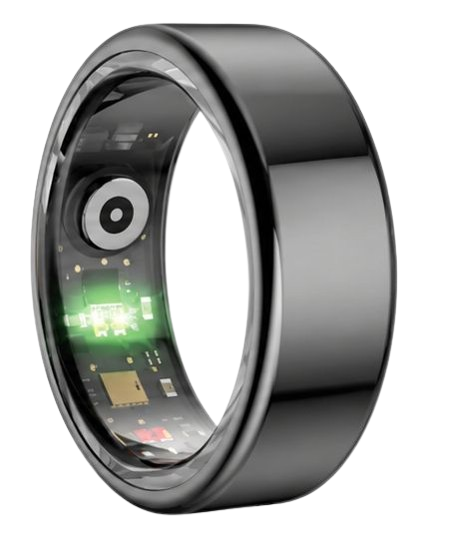
The Herz P1 Smart Ring tracks HRV, Sleep, Heart Rate & SpO2 around the clock. No subscriptions. No renewals. Ever.
In This Article
- How to Optimize Your Sleep Score: A breakdown of actionable steps to take before bed.
- The Science of Sleep Scores: Learn how heart rate, HRV, and SpO2 dictate your daily rest quality.
- Reading Sleep Metrics: How to use smart ring dashboards to build a healthier routine.
- Sizing and Placement Tips: Ensure complete physical accuracy for reliable tracking.
How to Optimize Your Sleep Score for Better Recovery: A Step-by-Step Biometric Guide
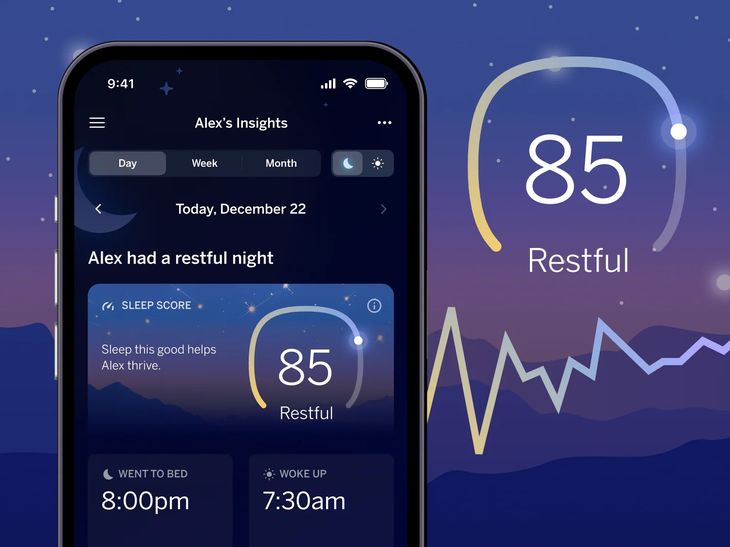
Before starting your optimization journey, you need a reliable way to monitor your night-to-night recovery.
Having a comfortable biometric tracker is highly recommended to gather baseline recovery data.
A commitment to gradual, daily lifestyle adjustments will yield the most significant results.
Step 1: Establish a Consistent Circadian Anchor
Maintaining a rigid wake-up time is the single most effective way to anchor your circadian rhythm.
When you wake up at the exact same hour every day, you train your brain to release cortisol predictably.
This morning cortisol spike signals to your autonomic nervous system that the active day has officially begun.
Consequently, your body will naturally begin producing melatonin approximately fourteen hours later.
Slipping into deep restorative sleep cycles becomes far easier when your hormonal cues align.
Many people make the critical mistake of sleeping in late on weekends to recover lost rest.
This erratic behavior creates a physiological state known to scientists as social jetlag.
Social jetlag disrupts your internal master clock and severely degrades your overall sleep score.
To prevent this, try to limit weekend sleep extensions to no more than sixty minutes past your normal wake time.
Consistency is the ultimate key to unlocking high-quality recovery metrics on your companion application.
Step 2: Minimize Latency Through Downregulation
Understanding what your sleep latency means is essential for diagnosing sleep-onset issues.
Latency measures the precise amount of time it takes you to transition from full wakefulness to light sleep.
An optimal latency window falls strictly between fifteen and twenty minutes.
Falling asleep in under five minutes often indicates a state of severe, chronic exhaustion.
Conversely, taking more than thirty minutes to fall asleep suggests that your central nervous system remains highly elevated.
You can accelerate this transition by executing a dedicated thirty-minute downregulation routine before getting into bed.
This wind-down period must include dimming overhead household lights to signal the approach of night.
You should also avoid all digital screens, as blue light directly suppresses the natural secretion of melatonin.
Focus instead on passive activities like reading a physical book or practicing progressive muscle relaxation.
Lowering your core body temperature with a warm shower also triggers the physiological transition into slumber.
Step 3: Track and Eliminate Sleep Debt
Sleep debt represents the cumulative deficit of lost rest relative to your biological baseline.
If your body requires eight hours of rest but you only get six, you accumulate a two-hour deficit.
Monitoring this metric is simplified when you utilize a dedicated sleep debt tracker app.
Learning how to calculate sleep debt manually allows you to make informed recovery decisions.
You calculate this by subtracting your actual sleep duration from your personal optimal nightly target over seven days.
Allowing your accumulated debt to exceed fifteen hours can severely impair cognitive performance and immune function.
You cannot repay a massive debt in a single night of excessive sleep.
Instead, repay your debt gradually by adding thirty to sixty minutes of rest over several consecutive nights.
This systematic approach prevents the circadian disruption associated with sleeping in for half the day.
Keeping your debt low is crucial for maintaining an outstanding weekly health outlook.
Step 4: Reduce Autonomic Stress Before Bed
Your autonomic nervous system must transition into a parasympathetic state before you fall asleep.
If you go to bed stressed, your heart rate remains elevated and your recovery will suffer.
You can track your physiological capacity to handle daily stress via your stress resilience score.
High stress resilience translates to a faster heart rate drop during the initial stages of sleep.
To promote this calm state, avoid intense physical workouts within three hours of your bedtime.
Late-night exercise elevates your core temperature and floods your bloodstream with stimulating cortisol.
Similarly, you should avoid eating heavy meals or consuming alcohol late in the evening.
Digestion forces your heart to pump harder, which elevates your resting heart rate throughout the night.
Alcohol acts as a sedative initially but severely fragments your sleep architecture during the second half of the night.
Implementing simple breathing exercises like box breathing can quickly shift your body into recovery mode.
Step 5: Control Your Sleep Environment for Deep Stage Optimization
Your physical bedroom environment plays a monumental role in determining your slow-wave sleep duration.
Deep sleep is the critical phase where your muscles repair and your brain flushes metabolic waste.
To optimize this phase, keep your bedroom temperature cool, ideally between sixty-five and sixty-eight degrees Fahrenheit.
A cool room mimics the natural drop in body temperature that occurs during deep sleep.
You must also ensure that your room is as close to pitch-black as humanly possible.
Use heavy blackout curtains or a comfortable eye mask to block all ambient light pollution.
Light leaking through windows or from electronics can stimulate your optic nerve even through closed eyelids.
This subtle stimulation disrupts your brain’s progress into deep sleep without fully waking you up.
Minimizing ambient noise using a white noise machine or earplugs is also highly beneficial.
Protecting your sleep environment ensures your body spends maximum time in restorative stages.
How the Herz P1 Smart Ring Empowers Your Routine
Tracking these optimization steps becomes incredibly simple when you leverage advanced wearable technology.
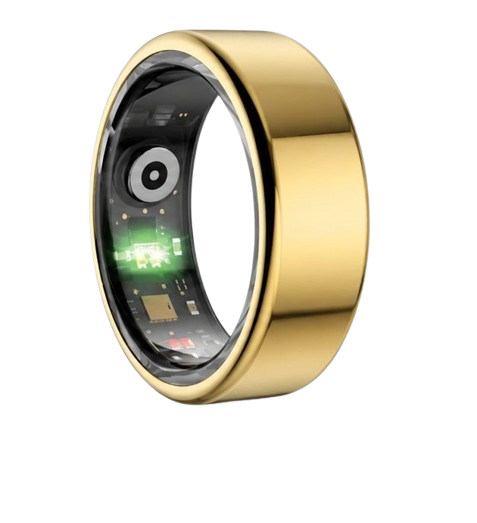
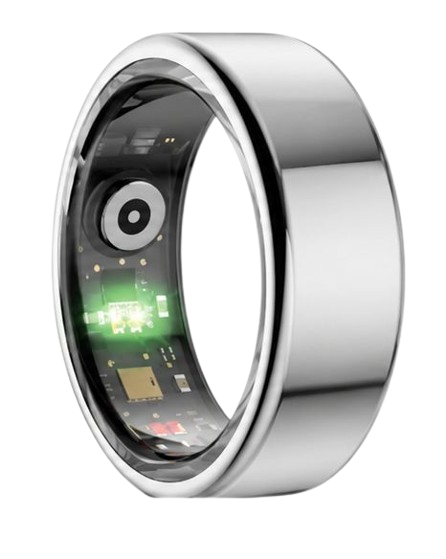
The Herz P1 Smart Ring continuously monitors your physiological transitions with scientific precision.
It maps your sleep stages, tracks autonomic balance, and logs every minor disruption without any annoying wrist bulk.
Because it sits comfortably on your finger, it provides more accurate and uninterrupted readings than bulky smartwatches.
Best of all, you receive this world-class physiological analysis with absolutely zero monthly subscription fees or recurring app charges.
The Science Behind Sleep Score Calculation and Core Sleep Metrics

To improve your nightly recovery, you must first understand the clinical algorithms behind your sleep data.
Your daily dashboard does not just guess how you rested; it calculates a precise score based on multiple physiological pillars.
Deciphering the Components of Your Sleep Efficiency Score
Your sleep efficiency score is a mathematical ratio of time spent asleep relative to total time spent in bed.
The National Sleep Foundation defines a healthy efficiency score as eighty-five percent or higher.
If you lie in bed for eight hours but spend an hour tossing and turning, your efficiency drops to eighty-seven percent.
The Herz P1 Smart Ring tracks this metric using high-precision infrared photoplethysmography sensors.
These optical sensors measure blood flow changes in your finger to detect the exact moment you fall asleep.
This advanced tracking lets you see how small bedtime adjustments directly impact your sleep efficiency score.
Visualizing your trends on a personalized sleep graph makes it easy to spot historical patterns of disruption.
Over time, keeping your efficiency high ensures that you are not wasting valuable time lying awake in bed.
This precise calibration of your rest windows is essential for sustained physiological health.
Our smart ring delivers these insights without requiring any complex setup or monthly app fees.
How Heart Rate Variability and SpO2 Dictate Recovery
Heart rate variability and blood oxygen saturation are critical biomarkers for tracking autonomic recovery.
Heart rate variability, or HRV, measures the tiny fluctuations in time between consecutive heartbeats.
The American Heart Association notes that a higher HRV indicates a healthy, highly adaptable autonomic nervous system.
During deep sleep, a surge in parasympathetic activity should cause your HRV to rise and your heart rate to drop.
If your HRV remains low overnight, it means your body is struggling to recover from daily stress.
Meanwhile, monitoring blood oxygen saturation, or SpO2, ensures your breathing remains stable throughout the night.
Sudden drops in SpO2 can signal breathing disruptions that severely fragment your deep sleep stages.
The Herz P1 Smart Ring monitors both metrics continuously with an incredibly narrow margin of error.
It integrates these complex data points directly into your daily recovery and sleep scores.
This ensures you receive a comprehensive, clinically informed picture of your physiological state every morning.
What Is a Good Sleep Score and How It Impacts Daily Readiness
Navigating the sea of metrics can feel overwhelming without clear benchmarks for success.
Understanding what your numbers mean allows you to interpret your daily recovery accurately.
Understanding Whats a Good Sleep Score Across Different Age Groups
Many people wonder whats a good sleep score when they first begin tracking their health.
Most biometric tracking algorithms scale sleep scores on a spectrum from zero to one hundred.
A score above eighty generally indicates excellent sleep quality and sufficient restorative time.
Scores between seventy and seventy-nine reflect moderate sleep that could benefit from minor lifestyle tweaks.
Anything below seventy suggests significant sleep fragmentation, high debt, or poor autonomic recovery.
However, what constitutes a healthy score can vary depending on your age and activity level.
Younger adults typically require more deep slow-wave sleep to support physical development and growth.
Older adults often experience a natural decline in deep sleep, which can lower their baseline sleep scores.
Regardless of age, the goal is to optimize your individual trends rather than comparing yourself to others.
The Herz P1 Smart Ring helps you establish a personalized baseline to monitor your unique progress.
Connecting Sleep to Your Daily Readiness Index
Your nightly sleep quality directly dictates your physical capacity for the following day.
This biological relationship is quantified through your daily readiness index.
A high sleep score serves as the primary foundation for a peak readiness rating.
When you achieve sufficient REM and deep sleep, your brain is primed for complex cognitive tasks.
Your muscles also receive the blood flow necessary to rebuild and recover from physical exertion.
The companion app analyzes multiple readiness contributors to calculate this daily score.
These contributors include your resting heart rate, HRV trends, body temperature, and previous sleep scores.
Understanding this daily rating prevents you from overtraining when your body is in a depleted state.
It allows you to tailor your workout intensity and work tasks to your actual physical capacity.
This proactive approach to wellness is what elevates your long-term health and performance.
Applying Your Smart Ring Data to Master Your Recovery Rhythm

Gathering high-quality biometric data is only the first step on your wellness journey.
To experience true change, you must integrate these insights into your daily lifestyle routines.
Translating Biometric Data into Actionable Lifestyle Shifts
Owning an advanced smart ring is only valuable if you know how to use the data.
You should review your sleep metrics inside the companion app first thing every morning.
Look for trends rather than obsessing over a single night of poor sleep.
If you notice your resting heart rate is elevated, consider moving your dinner to an earlier hour.
If your deep sleep is low, experiment with lowering your bedroom thermostat by two degrees.
You can also track how your daily physical exertion impacts your sleep metrics.
The app calculates an activity score based on your active minutes and steps.
Maintaining a balanced activity score promotes healthy sleep pressure, making it easier to fall asleep.
However, excessive physical strain without proper recovery will cause your sleep scores to decline.
The key is finding the perfect equilibrium between active movement and physiological rest.
Wearing the lightweight military-grade steel ring 24/7 ensures that your data remains unbroken and reliable.
Overcoming Risks and Avoiding Common Sleep Wearable Mistakes
Many wellness seekers fall into common pitfalls that compromise their biometric tracking.
Identifying these issues early allows you to maintain clean, accurate data over the long term.
Bulky Smartwatches vs. Elegant Smart Rings for Sleep Tracking
Many people attempt to track their sleep using traditional, bulky smartwatches.
However, wearing a heavy watch to bed can actually disrupt your sleep hygiene.
The physical discomfort of a thick wristband can cause micro-arousals during the night.
These brief awakenings degrade your sleep scores even if you do not fully remember them.
Furthermore, wrist-based optical sensors are highly prone to motion artifacts during sleep.
If you roll over, a smartwatch can shift, leading to gaps in your heart rate data.
An elegant, lightweight smart ring solves these issues by sitting snugly at the base of your finger.
The blood vessels in your fingers are much closer to the skin surface than those in your wrist.
This anatomical advantage allows optical sensors to capture highly precise physiological signals.
You can sleep comfortably in any position without worrying about a bulky device on your wrist.
The Hidden Costs of Popular Wearable Subscriptions
Another major pitfall in the wearable market is the presence of mandatory monthly subscriptions.
Many leading brands require you to pay an ongoing monthly fee to access your own biometric data.
Over several years, these hidden subscription fees can easily exceed the original cost of the device.
This pricing model turns a simple health tracker into an expensive, lifelong financial commitment.
At Team Herz P1, we believe that you should own your health data completely and unconditionally.
That is why the Herz P1 Smart Ring features absolutely zero subscription fees or hidden costs.
You pay for the hardware once and receive unlimited, lifetime access to our advanced analytical app.
This includes all future software updates, deep sleep staging, HRV monitoring, and stress metrics.
Combining military-grade steel construction with a subscription-free model provides unmatched long-term value.
You can focus entirely on optimizing your sleep score without worrying about recurring monthly bills.
Frequently Asked Questions About Optimizing Your Sleep Score
Is the Herz P1 Smart Ring fully waterproof?
Yes, the Herz P1 features a certified IP68 waterproof rating for maximum protection.
This standard allows the device to withstand continuous immersion in water up to one hundred and sixty-four feet deep.
You can safely wear it while washing your hands, showering, bathing, or swimming in any body of water.
Our robust design ensures that active biometric tracking remains uninterrupted during water activities.
How long does the battery last on a single charge?
The Herz P1 delivers up to six days of battery life on a single charge under standard conditions.
This extended battery life reduces the constant charging anxiety associated with average smartwatches.
When the power runs low, the ring charges completely in under one hour using the included magnetic dock.
This fast-charging capability ensures that your nightly sleep tracking remains seamless and unbroken.
Which finger is best for wearing the smart ring?
The index, middle, and ring fingers offer the strongest arterial pulse signals for biometric sensors.
We recommend placing the ring on your index finger for the highest degree of data accuracy.
Ensure the three raised sensor bumps on the inside of the ring rest against the palm side of your hand.
A snug, comfortable fit prevents the ring from rotating and maintains optical sensor contact.
Does the smart ring store health data offline?
Yes, the Herz P1 has integrated local memory that securely stores up to seven days of biometric data offline.
This feature allows you to sleep or exercise without keeping your smartphone nearby at all times.
The next time you open the app, your stored data will automatically sync via a secure Bluetooth connection.
This functionality ensures that you never lose important recovery insights during travel or disconnects.
90-Day 100% Money-Back Guarantee
“The Herz Smart Ring helps me manage stress easily. It’s accurate, stylish, and lightweight—perfect for my busy life!”
— Jennifer P. | ✔ Verified Customer
- ✓ 6-Day Battery Life
- ✓ Detailed Sleep Analysis
- ✓ Fast 1-Hour Charging
- ✓ iOS & Android Ready
Questions? Call: 1-866-479-1629
Elevate Your Sleep and Recovery Today
Optimizing your sleep score is a life-changing journey that starts with accurate biometric tracking.
The subscription-free Herz P1 Smart Ring provides the precise, military-grade tools you need to reclaim your recovery.
Explore the Herz P1 Smart Ring and see if it fits your lifestyle.
Call: 1-866-479-1629 — our team can help you select the correct size and set goals.
Note: Individual results may vary depending on individual health conditions, age, and lifestyle habits. This article is intended for general health reference purposes only.
