

Understanding your body’s physiological limits is the absolute key to preventing chronic burnout. If you have been struggling with persistent fatigue, poor sleep, or daily anxiety, your autonomic nervous system may be sending warning signs that you are failing to notice. By tracking your daily stress resilience score, you can uncover exactly how your body responds to and recovers from psychological and physical stressors. The Herz P1 smart ring provides real-time biometric tracking to help you interpret these signals, enabling you to optimize your daily health without any monthly subscription fees.
Built to Last. Save Up to 69% Today.
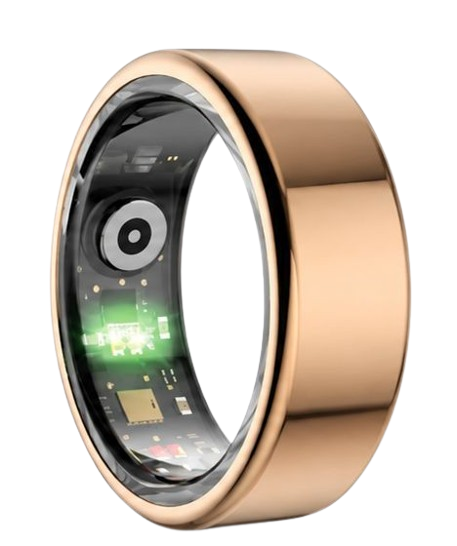
The Herz P1 Smart Ring tracks HRV, Sleep, Heart Rate & SpO2 around the clock. No subscriptions. No renewals. Ever.
In This Article
- How to build your daily stress resilience with five structured recovery steps.
- The medical science behind Heart Rate Variability (HRV) and physiological data tracking.
- Expert analysis of wearable stress monitors and recovery index features.
- Real-world guidelines to prevent chronic physical burnout using your smart ring.
How to Optimize Your Stress Resilience Score: A Step-by-Step Guide
Prerequisites / What You’ll Need
To successfully calculate and scale your daily physiological resilience, you must establish a highly structured framework.
You will need a premium multi-sensor wearable device that measures continuous overnight heart rate variability, sleep stages, and skin temperature changes.
You will also require a basic understanding of your normal autonomic resting baseline and a dedication to testing daily lifestyle changes for at least two weeks.
-
Step 1: Determine Your Autonomous Biometric Baseline
You must wear your smart tracking device for fourteen consecutive days to lock in your physiological baseline.
The device records your nocturnal heart rate variability and waking resting heart rate during this calibration phase.
These initial numbers will act as the anchor point for your daily readiness rating inside the app interface.
Avoid any extreme lifestyle shifts or unusual physical workouts during this introductory monitoring window.
-
Step 2: Map Your Natural Stress Variations and Rhythm
Check the stress tracker trends on your app interface at three distinct milestones during your active day.
Log your biometric data in the morning, immediately after lunch, and right before you head to bed.
This tracking process helps isolate physical stress triggers from psychological work anxiety throughout the day.
Pay close attention to your daily stress rhythm score to see if your autonomic strain matches your active work hours.
-
Step 3: Structure and Enhance Your Sleep Architecture
Aim to extend your deep sleep and REM cycles by setting a strict, non-negotiable wind-down schedule.
Avoid bright blue light screens, heavy exercise, and large meals for at least three full hours before sleeping.
The body requires deep sleep stages to restore muscle tissue and REM sleep to process mental load.
Your night-time metric tracking will reveal if your nervous system successfully calms down during sleep.
-
Step 4: Incorporate Active Recovery and Micro-Breaks
When you notice a sharp daytime spike in your stress metrics, dedicate five minutes to slow breathing.
Practice a deliberate box-breathing technique by inhaling for four seconds and exhaling for six seconds.
This simple breathing method shifts your autonomic nervous system from sympathetic fight mode to parasympathetic rest.
Consistently practicing these short breathing breaks directly improves your overall recovery index over time.
-
Step 5: Adjust Daily Activity Based on Readiness
Modify your physical exercise intensity based on your morning recovery scores.
If your baseline metrics drop by more than fifteen percent, choose light recovery walks over heavy weight training.
This prevents chronic cortisol accumulation and allows muscle tissue to repair efficiently.
Balancing daily strain with your capacity ensures positive adaptations in your overall readiness contributors.
Enhance Your Journey with Herz P1
The process of building resilience requires a high-precision tool that fits seamlessly into your daily life.
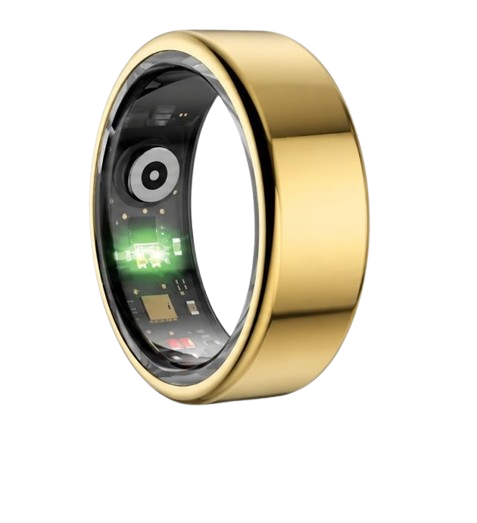
The Herz P1 Smart Ring excels here by providing medical-grade PPG optical sensors that monitor your metrics around the clock.
You do not have to worry about clunky designs, annoying screen notifications, or frequent charging demands.
With its long-lasting six-day battery life and zero monthly subscription fees, you gain complete access to your health metrics forever.
Invest in your recovery path by exploring the Herz P1 Smart Ring today.
The Science of Heart Rate Variability and Stress Recovery
Your autonomic nervous system controls your unconscious bodily functions through two primary pathways.
The sympathetic branch acts as your gas pedal, preparing you to tackle physical work and unexpected threats.
The parasympathetic branch functions as your brake system, supporting tissue healing and calm digestion.
Measuring the milliseconds of variation between consecutive heartbeats yields your heart rate variability.
A higher baseline variation indicates a flexible, resilient nervous system ready for challenges.
A depressed baseline suggests chronic, unmitigated autonomic fatigue and physical overload.
The American Heart Association emphasizes that tracking heart rate trends is highly valuable for monitoring cardiac workloads.
Clinical studies show that continuous optical PPG technology at the finger base provides exceptionally clean pulse readings.
Wavelength sensors send light through your skin to register changes in your blood flow.
This allows the device to measure subtle metrics without the discomfort of chest-strap monitors.
Keeping a close eye on your hrv stress score tracking metrics tells you when your system needs rest.
Pairing these insights with oxygen saturation levels gives you a clear window into your lung and airway health.
The National Sleep Foundation notes that dips in oxygen levels during sleep can indicate respiratory disruptions.
By monitoring these critical vitals, you can protect your long-term health and optimize your physical capacity.
Decoding Your Resilience Graph to Prevent Burnout

A single, isolated health reading cannot provide a complete picture of your physiological health.
You need to look at your weekly trends to understand how you handle everyday stress.
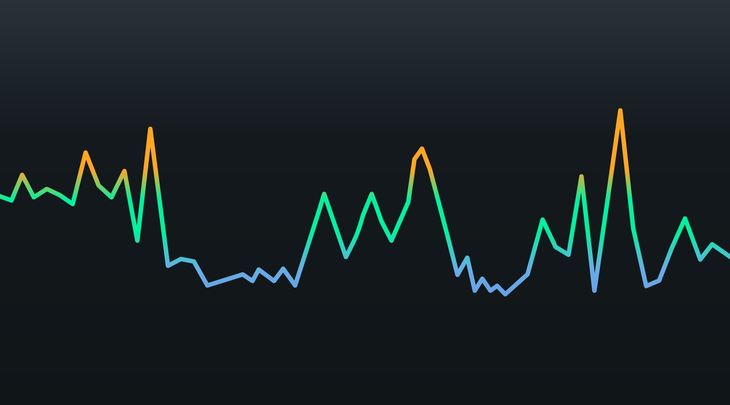
This is where your personal resilience graph becomes an invaluable health tool.
The horizontal axis tracks your daily strain, while the vertical axis displays your autonomic recovery capacity.
If your line climbs steadily upward, your nervous system is adapting well to your daily load.
If the trend slopes downward over several days, you are likely heading toward chronic burnout.
Recognizing this downward trend early gives you a vital opportunity to adjust your schedule before extreme fatigue sets in.
Many busy professionals ignore these clear warning signs until they feel completely exhausted.
By reviewing your daily charts, you can see exactly which hours trigger your highest stress spikes.
This data empowers you to make smart, targeted changes to your working habits.
You might decide to take short walks during stressful afternoons or change your evening routine.
This physiological self-awareness helps you maintain stable energy and stay productive throughout the week.
Over time, you will watch your recovery metrics stabilize as your body adapts to positive lifestyle changes.
This data-informed path to self-care protects both your daily performance and your long-term health.
Practical Application Guide and Lifestyle Tips with Herz P1
Reviewing your biometric data on the companion app is simple, intuitive, and highly rewarding.
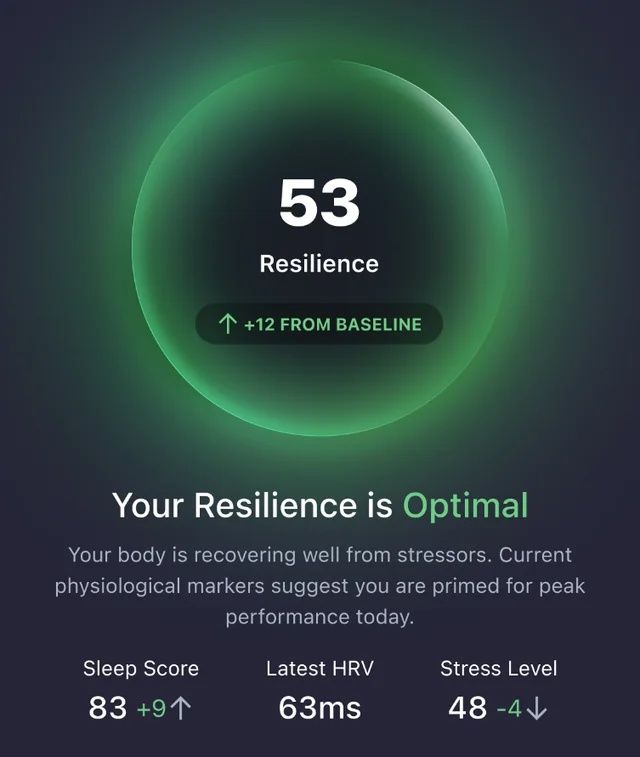
When you open the app each morning, check your physical readiness score first.
This comprehensive score combines your resting heart rate, sleep quality, and HRV trends into one clear indicator.
If your score is in the green zone, your body is fully prepared for high-intensity workouts or demanding projects.
If your score drops into the yellow or red zones, prioritize recovery strategies throughout your day.
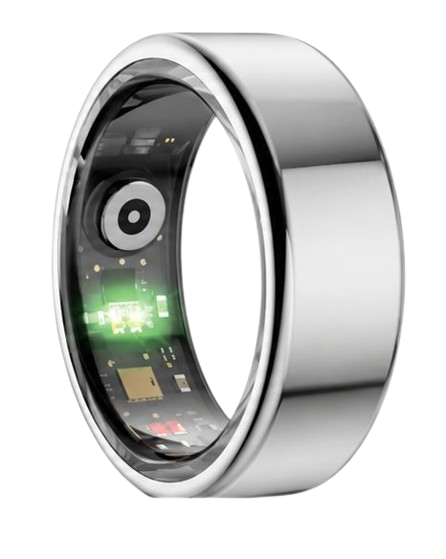
The compact design of the Herz P1 ring ensures comfortable, fuss-free monitoring all day and night.
Traditional smartwatches can feel bulky on your wrist, often disrupting your sleep or catching on clothing.
This medical-grade steel ring is incredibly lightweight, letting you track your sleep stages without distraction.
Its IP68 waterproof rating means you never need to remove the ring when washing hands, showering, or swimming.
This seamless design ensures you never have gaps in your health charts.
You can easily share your monthly trend reports with your physical trainer or doctor to optimize your health plan.
Consistent tracking helps you build a solid baseline of healthy habits that support long-term wellness.
Overcoming Risks and Common Biometric Tracking Mistakes
Many fitness trackers on the market require continuous, costly monthly subscriptions to view your own health data.
This hidden fee structure quickly turns a one-time tech purchase into an expensive ongoing bill.
We believe your personal biometrics should belong to you completely, with no strings attached.
The Herz P1 App provides full access to your health metrics forever, with zero subscription fees.
Another common mistake is wearing bulky smartwatches to bed to monitor your sleep.
These large wrist devices often pinch your skin, glow unexpectedly in the dark, and wake you up with loud notifications.
These disruptions defeat the purpose of sleep tracking by actively harming your sleep quality.
A slim, sensor-equipped smart ring offers a far more comfortable, natural sleep-tracking experience.
Some users also struggle with inaccurate optical readings because their devices fit too loosely.
An improper fit allows ambient light to leak into the sensors, which corrupts your data.
Always use our sizing kit to find a snug fit that stays securely in place without feeling tight.
By avoiding these common tracking mistakes, you ensure highly accurate metrics and a better user experience.
Frequently Asked Questions About Herz P1 and Stress Resilience
Is the Herz P1 Smart Ring waterproof?
Yes, the Herz P1 is fully IP68 waterproof and built to withstand continuous water exposure. You can safely wear it while washing your hands, showering, swimming, or relaxing in the sauna. It is engineered to perform reliably at depths of up to 164 feet, so you never have to interrupt your biometric tracking.
How long does the ring battery last on a single charge?
The advanced battery inside the Herz P1 provides up to six days of continuous monitoring on a single charge. When the battery runs low, the ring charges fully in less than one hour using the magnetic USB cradle. This quick charging cycle means you never have to miss out on overnight sleep tracking.
Which finger is best for wearing the smart ring?
For the most accurate optical sensor readings, we recommend wearing the ring on your index, middle, or ring finger. Choose the finger that offers a secure, comfortable fit without sliding around. Make sure the sensor nodes on the inner band face the palm side of your hand for optimal blood flow readings.
Does the Herz P1 store health data offline when my phone is away?
Yes, the ring has secure local memory that stores up to seven days of biometric data offline. You can comfortably go for runs, swim, or sleep without keeping your smartphone nearby. Once your ring reconnects to your phone via Bluetooth, all stored data syncs automatically to your app.
90-Day 100% Money-Back Guarantee
“The Herz Smart Ring helps me manage stress easily. It’s accurate, stylish, and lightweight—perfect for my busy life!”
— Jennifer P. | ✔ Verified Customer
- ✓ 6-Day Battery Life
- ✓ Detailed Sleep Analysis
- ✓ Fast 1-Hour Charging
- ✓ iOS & Android Ready
Questions? Call: 1-866-479-1629
Conclusion
Tracking your daily biometrics is the most effective way to build lasting physical and mental resilience.
By measuring your metrics with a high-precision device, you take complete control of your wellness journey.
Ready to monitor your health every day? Explore the Herz P1 Smart Ring and see if it fits your lifestyle. Call: 1-866-479-1629 — our team can help you advise on the correct ring size and set personalized health goals.
Note: Individual results may vary depending on individual health conditions, age, and lifestyle habits. This article is intended for general health reference purposes only.
