

According to clinical trials, practicing the physiological sigh can reduce acute anxiety by up to 44% in under sixty seconds. At Team Herz P1, we understand how high-stress workdays disrupt your cardiovascular recovery and nighttime rest. The premium, subscription-free Herz P1 smart ring monitors these exact shifts in real-time, helping you reclaim physiological balance instantly.
Built to Last. Save Up to 69% Today.
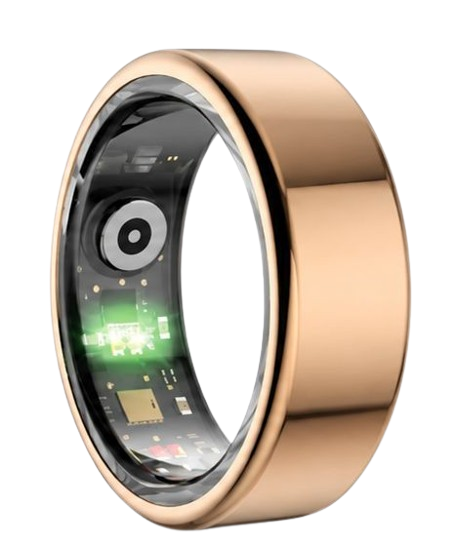
The Herz P1 Smart Ring tracks HRV, Sleep, Heart Rate & SpO2 around the clock. No subscriptions. No renewals. Ever.
In This Article
- Step-by-Step Breathing Protocol: Learn exactly how to execute this rapid calming exercise with flawless technique.
- Autonomic Nervous System Science: Discover how a simple cardiorespiratory mechanism rapidly clears carbon dioxide from your blood.
- Optimizing Your Heart Rate Variability (HRV): Understand the physiological feedback loop that boosts your vagal nerve tone.
- Real-Time Tracking Insights: Find out how to use advanced smart ring metrics to monitor your recovery.
How to Perform the Physiological Sigh for Instant Calming: A Step-by-Step Guide

Before starting this exercise, you do not need to buy any special breathing apparatus or equipment.
You simply need a quiet place where you can focus on your cardiorespiratory rhythms without interruption.
An advanced, passive health tracker can help you verify the real-time autonomic benefits of this practice.
Step 1: Find a Stable, Comfortable Posture
Begin by sitting upright in a supportive chair or standing with your feet shoulder-width apart.
Keep your shoulders relaxed and down away from your ears.
This physical alignment allows your diaphragm to expand without restriction.
You can close your eyes to minimize environmental distractions and focus entirely on your breath.
Avoid slouching forward as this compresses your chest cavity and limits lung capacity.
Place your hands gently on your lap or at your sides to release residual physical tension.
Ensure your neck is aligned with your spine to facilitate unobstructed airflow.
Take a brief moment to bring your awareness into your physical body before you begin.
Unnecessary tension in your jaw or facial muscles can hinder deep breathing.
Consciously relax your forehead, eyes, and jaw as you settle into your chosen position.
Keep your spine tall but not rigid to maintain comfortable muscular engagement.
This balance of structure and relaxation signals safety to your nervous system.
A stable physical posture prevents the activation of minor muscle stabilization reflexes.
These simple adjustments ensure that your body is fully receptive to the calming effects of the exercise.
Step 2: Take a Deep, Rapid Inhalation Through the Nose
Draw a deep, smooth breath through your nostrils to fill your lungs.
Focus on expanding your abdomen rather than raising your chest.
This movement engages the lower lobes of your lungs where gas exchange is most efficient.
Ensure this first inhalation is deep but comfortable.
Inhaling through the nose filters, warms, and humidifies the air before it reaches your lungs.
This nasal breathing pathway also stimulates the production of nitric oxide.
Nitric oxide acts as a gentle vasodilator to improve oxygen transport throughout your bloodstream.
Avoid forcing the breath or causing physical strain in your throat.
Think of this step as a smooth, continuous wave of air filling your entire torso.
Your ribcage should expand laterally as your lungs inflate to near-maximum capacity.
This initial phase primes your cardiorespiratory system for the unique gas exchange that follows.
Taking a steady nasal breath helps stabilize your immediate heart rate trends.
It is the essential launching point for the entire physiological sighing process.
Step 3: Sniff a Second, Sharp Breath at the Top
Without exhaling, take a second, short inhalation through your nose.
This second sniff should feel like a quick burst of air.
This action pops open the tiny air sacs in your lungs known as alveoli.
Collapsed alveoli limit your body’s ability to offload carbon dioxide efficiently.
This step is the most critical part of the entire breathing pattern.
When you are stressed, these microscopic air sacs naturally deflate and cling together.
A single breath is often insufficient to re-inflate these vital structural tissues.
The secondary, sharp sniff provides the precise pressure needed to re-open them.
This sudden inflation vastly increases the total surface area available for gas exchange.
It allows your blood to dump accumulated carbon dioxide back into the lungs.
Ensure this second inhale is brief and distinct from the first.
It should feel like a final, deliberate topping-off of your lung capacity.
This specific mechanical trigger is what separates this exercise from standard deep breathing.
Step 4: Exhale Slowly and Completely Through an Open Mouth
Release the air slowly through your mouth with a long, relaxed sigh exhale.
Make a soft “haaa” sound as you let the breath exit your body.
The exhalation should last at least twice as long as the inhalation.
This extended exhalation triggers your parasympathetic nervous system to slow down your heart rate.
Let your chest and abdomen sink naturally as the air drains away completely.
Do not restrict or force the air out with muscular effort.
Instead, let gravity and passive elastic recoil do the work for you.
A slow, steady release of air signals to your brain stem that you are safe.
This extended mouth exhalation maximizes the clearance of carbon dioxide from your bloodstream.
It is the primary phase where the actual physical sensation of relaxation occurs.
Many practitioners feel an immediate wave of warmth or calmness during this step.
Ensure that you empty your lungs as completely as possible before starting the next cycle.
Step 5: Repeat the Cycle for Three to Five Rounds
Perform this breathing sequence consecutively for up to five times.
Limit the initial practice to under two minutes to avoid lightheadedness.
Pay close attention to the immediate sensation of muscle relaxation in your neck and shoulders.
Regular practice builds autonomic resilience and improves your overall carbon dioxide tolerance.
You do not need to practice this for hours to achieve a profound psychological shift.
Just three rounds are often enough to interrupt an acute stress or panic response.
Repeating the pattern reinforces the neural pathways associated with active relaxation.
It provides a reliable mental reset during hectic workdays or intense study sessions.
Practicing this routine daily helps train your brain to down-regulate stress more quickly.
It is a highly portable tool that you can use anywhere, anytime without anyone noticing.
Always listen to your body and return to normal breathing if you feel dizzy.
This simple repetition makes the protocol highly effective for busy modern lifestyles.
The Herz P1 Smart Ring captures the real-world impact of how to measure breathing rate and heart rate variations during these conscious interventions.
By reviewing your real-time data in our subscription-free app, you can confirm exactly how these breathing protocols lower your autonomic stress markers.
Explore the Herz P1 Smart Ring today to start analyzing your recovery trends with scientific precision.
The Autonomic Science Behind the Physiological Sighing Method

The physiological sighing mechanism is a naturally occurring breathing pattern that your body performs unconsciously throughout the day.
Humans perform these physiological sighs approximately every five minutes to prevent lung collapse.
When you experience acute psychological tension, your normal respiratory rate increases.
This rapid breathing causes your microscopic lung alveoli to deflate and stick together.
Deflated alveoli impair your blood’s oxygenation and lead to an accumulation of carbon dioxide.
This carbon dioxide buildup triggers a distress signal in your brain stem.
The double-inhalation method instantly inflates these collapsed air sacs.
By maximizing the surface area of your lungs, you can dump excess carbon dioxide rapidly during the long exhalation.
Clinical research from institutions like Stanford University proves this is the fastest way to reduce autonomic arousal in real-time.
The American Heart Association notes that slow, paced breathing exercises help manage cardiorespiratory stress effectively.
Furthermore, maintaining a healthy breathing rate while sleeping is essential for deep tissue repair and hormonal balance.
Using breathing exercises for sleep can dramatically improve your overnight recovery scores.
When carbon dioxide levels in your blood rise, it creates a subtle feeling of claustrophobia or panic.
This is why high-stress environments often cause you to feel short of breath.
By intentionally performing a deep sigh, you override this involuntary survival mechanism.
You shift your blood chemistry back into a balanced, alkaline state.
This chemical shift immediately calms the amygdala, the brain’s primary fear center.
It is a beautiful example of how conscious physical action can directly rewrite emotional states.
How the Physiological Sigh Optimizes Your Heart Rate Variability (HRV)
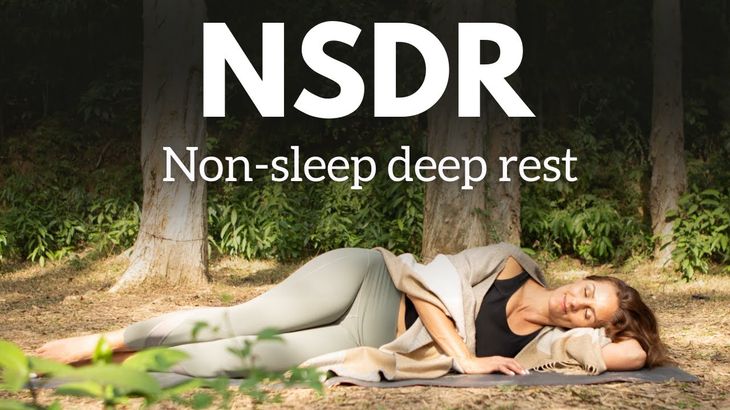
Heart Rate Variability is the variation in time intervals between consecutive heartbeats.
A high HRV indicates a highly adaptable, resilient nervous system.
Conversely, a low HRV suggests that your body is locked in a chronic state of stress.
When you perform the physiological sigh, you directly engage your vagus nerve.
The vagus nerve is the primary highway of the parasympathetic nervous system.
This nerve bundle transmits calming signals directly from your lungs and heart to your brain.
This process is key to effective vagal toning, which strengthens your stress resistance over time.
During the long, slow exhalation of the sigh, your diaphragm moves upward into your chest cavity.
This movement reduces the physical space inside your chest, which temporarily slows down your blood flow.
Specialized pressure sensors called baroreceptors detect this change in blood pressure.
The brain immediately responds by sending a signal through the vagus nerve to slow down your heart rate.
This biological feedback loop is known as respiratory sinus arrhythmia.
Performing this breathing technique regularly can elevate your baseline HRV score over a thirty-day period.
It is a highly effective, natural tool to combat daily occupational fatigue.
When your heart rate slows down, your blood vessels dilate to improve circulation.
This cardiovascular shift allows your organs to receive optimal nutrient delivery.
It also reduces the workload on your cardiac muscle fibers.
Tracking these subtle cardiac fluctuations is now easier than ever with modern biometric devices.
By viewing your daily HRV trends, you gain a clear picture of your actual physiological recovery.
Integrating Breathing Protocols into Your Daily Herz P1 Health Tracking
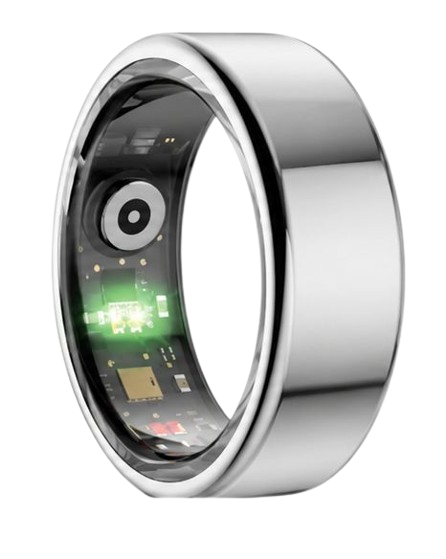
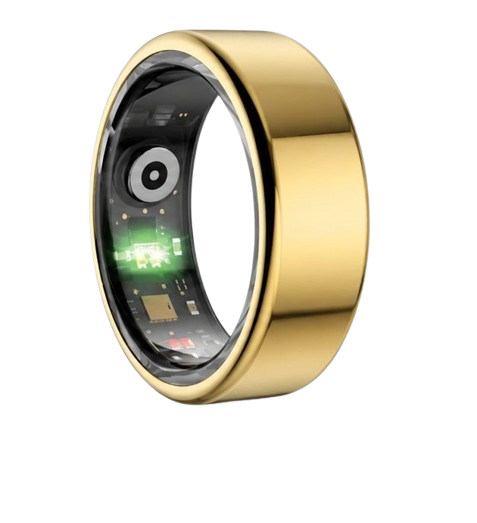
The Herz P1 Smart Ring provides the precise biometric dashboard you need to monitor your respiratory wellness.
Our military-grade steel ring is light and comfortable enough for continuous twenty-four-hour wear.
Traditional smartwatches are often too bulky to wear comfortably during sleep.
The Herz P1 weighs only a few grams, allowing you to monitor your health without even noticing it.
Our multispectral optical sensors track your resting heart rate, SpO2 levels, and HRV every five minutes.
When you wake up, you can open the free companion app to review your sleep architecture.
This includes detailed breakdowns of your Deep, Light, and REM sleep cycles.
If you experience high stress during the day, the ring will log a temporary dip in your HRV.
You can then use the sighing breathing method to restore balance.
Reviewing your data after the exercise will show a visible stabilization in your pulse trends.
The app also tracks your respiratory rate, helping you learn calming activities for sleep that actually work for your body.
You can use these objective metrics to optimize your daily exercise intensity and recovery schedules.
Our advanced algorithms process your biological data to provide a personalized daily Stress Score.
This score helps you decide whether to push hard in a workout or prioritize rest.
Consistent daily use allows you to identify long-term patterns in your cardiorespiratory health.
The Herz P1 helps you take control of your wellness with highly accurate, actionable insights.
Enhancing Nighttime Recovery and Combating Insomnia
Many busy professionals struggle to transition from work mode to sleep mode at night.
An overactive mind keeps your sympathetic nervous system highly active late into the evening.
This mental hyperarousal prevents you from falling into deep, restorative slow-wave sleep.
Using physiological sighs before bed is a powerful way to quiet your mind.
This breathing protocol helps you learn how to stop overthinking at night.
You can pair this breathing pattern with other relaxing evening rituals.
For example, taking a warm bath for sleep relaxes tight muscle fibers.
You can also incorporate unguided sessions of quiet meditation in a dark room.
By signaling safety to your brain, you facilitate a faster transition into the deeper stages of sleep.
The Herz P1 Smart Ring will document these improvements through a higher Sleep Score.
You will notice a reduction in mid-night awakenings and tossing and turning.
Consistent overnight tracking helps you build healthy habits that sustain long-term vitality.
Improving your sleep architecture has a profound impact on your cognitive performance the next day.
When your brain spends more time in deep sleep, it clears metabolic waste more efficiently.
This cellular cleanup is critical for memory consolidation and emotional regulation.
Using natural relaxation methods ensures you wake up feeling truly refreshed without grogginess.
Critical Pitfalls in Wearable Health Tracking and Stress Management
Many consumers purchase fragile smartwatches that require daily charging.
When a device is constantly sitting on a charging dock, you miss critical health data.
The Herz P1 Smart Ring eliminates this problem with its impressive six-day battery life.
It fully charges in under one hour, allowing you to maintain continuous data tracking.
Another major pitfall is the hidden cost of ongoing subscription fees.
Many popular health tracking brands lock your personal health data behind a monthly paywall.
We believe that you should never have to pay a subscription to access your own biological data.
The Herz P1 App is completely free for life, with no hidden charges or subscription renewals.
Furthermore, wearing heavy wrist-worn devices can cause skin irritation and disrupt sleep.
Our medical-grade, hypoallergenic materials are designed for sensitive skin.
We also back our product with a robust two-year warranty and a ninety-day money-back guarantee.
This ensures you can invest in your health tracking with complete peace of mind.
Many smart rings on the market use fragile plastics that scratch easily.
Our ring is wrapped in military-grade steel to survive the toughest daily physical demands.
Whether you are lifting weights or washing dishes, the Herz P1 remains scratch-resistant.
It is a durable, low-maintenance companion built to support your health journey for years to come.
Frequently Asked Questions About the Physiological Sigh and Herz P1
Is the Herz P1 Smart Ring waterproof?
Yes, the Herz P1 is fully IP68 waterproof up to 164 feet.
This means you can wear it safely while swimming, showering, or washing your hands.
The military-grade steel construction protects the internal sensors from water damage.
How long does the Herz P1 battery last on a single charge?
The battery lasts up to six days under normal usage conditions.
It uses a fast-charging magnetic base to reach full battery capacity in under one hour.
This long battery life ensures you never miss critical overnight sleep tracking metrics.
Which finger is the best choice for wearing the smart ring?
The index finger is the recommended choice for the highest sensor accuracy.
The middle and ring fingers are also excellent alternatives if you prefer a different fit.
Make sure the sensor bumps on the inside of the ring rest against the palm side of your finger.
Does the Herz P1 store health data offline when disconnected from my phone?
Yes, the ring features seven days of secure offline local storage.
It will automatically sync all of your metrics once you reconnect to the companion app.
You do not need to keep your phone nearby to capture your continuous health trends.
What is the difference between a psychological sigh and a physiological sigh?
The terms are often used interchangeably to describe the double-inhalation breathing pattern.
However, “physiological” refers to the automatic respiratory mechanism that regulates lung volume.
“Psychological” highlights the intentional use of this breathing pattern to relieve mental stress.
Both terms describe the exact same highly effective cardiorespiratory exercise.
90-Day 100% Money-Back Guarantee
“The Herz Smart Ring helps me manage stress easily. It’s accurate, stylish, and lightweight—perfect for my busy life!”
— Jennifer P. | ✔ Verified Customer
- ✓ 6-Day Battery Life
- ✓ Detailed Sleep Analysis
- ✓ Fast 1-Hour Charging
- ✓ iOS & Android Ready
Questions? Call: 1-866-479-1629
Conclusion: Your Subscription-Free Wellness Journey Starts Here
Mastering your autonomic health begins with simple, conscious breathing adjustments.
The Herz P1 Smart Ring offers the continuous, subscription-free tracking you need to verify your progress.
Ready to monitor your health every day? Explore the Herz P1 Smart Ring and see if it fits your lifestyle. Call: 1-866-479-1629 for sizing advice.
Note: Individual results may vary depending on individual health conditions, age, and lifestyle habits. This article is intended for general health reference purposes only.
