

According to comprehensive clinical sleep studies by the National Sleep Foundation, understanding what sleep latency means serves as the critical physiological gateway to optimizing your daily recovery, mental clarity, and overall cardiac health. If you struggle with late-night tossing and turning or wake up feeling utterly exhausted, tracking this vital metric using the advanced, military-grade Herz P1 smart ring will reveal exactly how long your nervous system takes to transition from active wakefulness to deep, restorative rest.
Built to Last. Save Up to 69% Today.
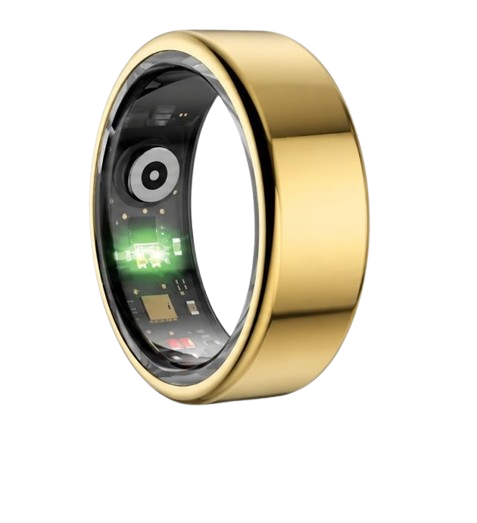
The Herz P1 Smart Ring tracks HRV, Sleep, Heart Rate & SpO2 around the clock. No subscriptions. No renewals. Ever.
In This Article
- How to Optimize Your Sleep Latency: A step-by-step biometric guide to falling asleep efficiently.
- The Scientific Definition of Sleep Onset: Understanding the medical parameters of bedtime transitions.
- Autonomic Balance: How Heart Rate Variability (HRV) and stress directly impact your sleep latency.
- Biometric App Navigation: Leveraging smart ring data to conquer sleep debt and fatigue.
How to Optimize Your Sleep Latency: A Step-by-Step Biometric Guide
Prerequisites / What You’ll Need
To successfully master your sleep onset, you must understand your baseline sleep metrics and prepare a quiet, cool resting environment.
You will need a reliable way to track your physiological markers, such as a biometric wearable, to record actual sleep onset times.
Finally, a commitment to consistent timing is necessary to align your body’s master circadian clock with your natural environmental cycles.
-
Step 1: Standardize Your Evening Wind-Down Window
You must actively signal to your autonomic nervous system that the demands of the day have safely concluded.
Set a recurring alarm for ninety minutes before your target bedtime to initiate a dedicated wind-down routine.
Dim all overhead lights in your household and switch to low-level, warm-toned ambient lighting to encourage natural sleep cycles.
Engage in calming activities like light stretching, reading a physical book, or listening to slow-tempo instrumental music.
Avoid checking work emails or discussing stressful topics during this window to keep your heart rate from spiking.
-
Step 2: Eliminate Sleep-Disrupting Blue Light Exposure
Blue-wavelength light emitted by modern digital screens directly suppresses the natural synthesis of melatonin in your brain.
Power down your smartphone, tablet, laptop, and television at least sixty minutes before you attempt to sleep.
If you absolutely must interact with a digital screen, utilize amber-tinted blue-light blocking glasses to protect your eyes.
This biological shield allows your brain to transition smoothly through the stages of sleep onset without artificial delays.
Implementing this quick screen boundary is a simple way to control how long should it take to fall asleep under healthy conditions.
-
Step 3: Optimize Your Bedroom Thermoregulation
Your core body temperature must decrease by approximately two degrees Fahrenheit to initiate high-quality sleep onset.
Adjust your bedroom thermostat to a cool, comfortable range between sixty-five and sixty-eight degrees Fahrenheit.
Utilize highly breathable bedding materials, such as lightweight cotton, bamboo, or linen, to prevent heat trapping.
Take a warm bath or shower ninety minutes before bed to promote blood flow to your extremities, which rapidly cools your core.
Keeping your feet warm with loose socks can also accelerate this vital thermodynamic cooling process.
-
Step 4: Establish a Strict Caffeine Cutoff Time
Caffeine is a powerful adenosine receptor antagonist that remains highly active in your system far longer than you realize.
Establish a strict caffeine cutoff time at least ten hours before your planned sleeping window, typically by noon.
Remember that caffeine possesses a metabolic half-life of up to eight hours, depending on your liver’s enzyme activity.
Be cautious of hidden stimulants in protein bars, over-the-counter pain medications, decaffeinated sodas, and dark chocolates.
Clearing these stimulants from your bloodstream ensures your heart rate can easily dip to its resting baseline at bedtime.
-
Step 5: Practice Bedtime Mindful Breathing
An overactive mind is one of the most common causes of prolonged bedtime tossing and turning.
Once you lie down, practice a slow, controlled breathing pattern, such as the box breathing technique, for five minutes.
Inhale slowly through your nose for four seconds, hold your breath for four seconds, and exhale smoothly for four seconds.
This rhythmic breathing stimulates your vagus nerve, which directly lowers your heart rate and promotes physical relaxation.
This quick mindfulness practice effectively shifts your body out of stress mode and into a state of deep, peaceful recovery.
Enhance Your Progress with the Herz P1 Smart Ring
Tracking the direct effects of these daily lifestyle changes requires precise, continuous biometric data.
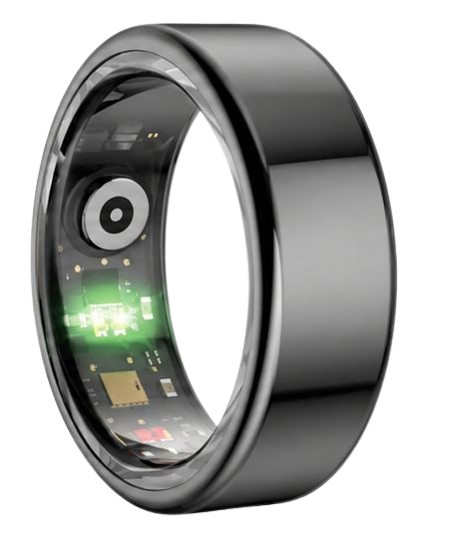
The military-grade Herz P1 smart ring monitors your resting heart rate, heart rate variability (HRV), and body temperature variations continuously.
This elegant, subscription-free tracking ring sits comfortably on your finger all night, providing highly accurate sleep staging updates.
By comparing your nightly sleep latency metrics on the companion app, you can easily identify which adjustments yield the best results.
90-Day 100% Money-Back Guarantee
“The Herz Smart Ring helps me manage stress easily. It’s accurate, stylish, and lightweight—perfect for my busy life!”
— Jennifer P. | ✔ Verified Customer
- ✓ 6-Day Battery Life
- ✓ Detailed Sleep Analysis
- ✓ Fast 1-Hour Charging
- ✓ iOS & Android Ready
Questions? Call: 1-866-479-1629
The Science of Sleep Onset: Exploring the True Latency Sleep Definition

To accurately assess your body’s nightly recovery, you must first master the clinical sleep latency definition.
In medical research, the official latency sleep definition is the exact span of time it takes to transition from full wakefulness to the earliest stage of non-rapid eye movement (NREM) sleep.
This crucial transition period is technically referred to as sleep onset latency.
Many individuals mistake the simple act of lying quietly in a dark room for actual physiological sleep initiation.
However, the proper biological latency sleep definition relies on complex, measurable changes in brainwave activity.
As you transition, your brainwaves shift from active alpha patterns to slower, deeply relaxing theta waves.
If you have ever wondered how long does it take to fall asleep for a healthy adult, clinical guidelines point to a window of ten to twenty minutes.
Falling asleep in under five minutes is not actually a sign of superior physical health or peak wellness.
Instead, an extremely rapid sleep onset time usually indicates severe exhaustion, physical burnout, or a growing accumulation of sleep debt.
You can track these compounding deficits over time using a dedicated sleep debt tracker app to visual your true recovery needs.
Conversely, taking longer than thirty minutes to fall asleep indicates a state of cognitive hyperarousal or early-stage insomnia.
Analyzing these subtle variations in your nightly sleep patterns helps you understand the true status of your nervous system.
The Autonomic Connection: How HRV and Bedtime Stress Dictate Your Sleep Latency
Your autonomic nervous system is divided into two primary branches: the sympathetic and the parasympathetic systems.
The sympathetic nervous system acts as your body’s accelerator, driving your fight-or-flight stress responses.
The parasympathetic nervous system serves as the brake, governing your deeply restorative rest-and-digest functions.
To fall asleep efficiently, your body must shift dominance away from sympathetic drive and over to parasympathetic activation.
This critical neurological shift is directly reflected in a biometric marker known as heart rate variability, or HRV.
A high bedtime HRV indicates that your body is in a relaxed, adaptable state and is ready for deep recovery.
A low bedtime HRV suggests that stress hormones, such as cortisol and adrenaline, are still circulating through your bloodstream.
When these stress hormones remain elevated, your sleep onset latency is significantly and uncomfortably prolonged.
The American Heart Association notes that chronic bedtime stress can lead to long-term cardiovascular strain over time.
This strain occurs because your heart rate fails to “dip” to its natural, restorative resting baseline during the night.
The Herz P1 smart ring uses high-precision optical sensors to track these micro-fluctuations in your pulse with incredible accuracy.
It reads your HRV every five minutes, providing a detailed map of your nervous system’s stress levels.
If your stress index is elevated before bed, you can expect your sleep latency to increase accordingly.
Monitoring these trends allows you to connect your daytime work habits directly to your overnight recovery metrics.
Additionally, the ring monitors your blood oxygen saturation (SpO2) to ensure your breathing remains stable all night.
Unstable breathing patterns can trigger brief, unconscious micro-arousals that repeatedly reset your sleep latency timer.
By keeping a close eye on these complex biomarkers, you can make lifestyle adjustments before poor sleep turns into a chronic health issue.
Interpreting Biometric Data on the Herz P1 App to Refine Your Bedtime Routine

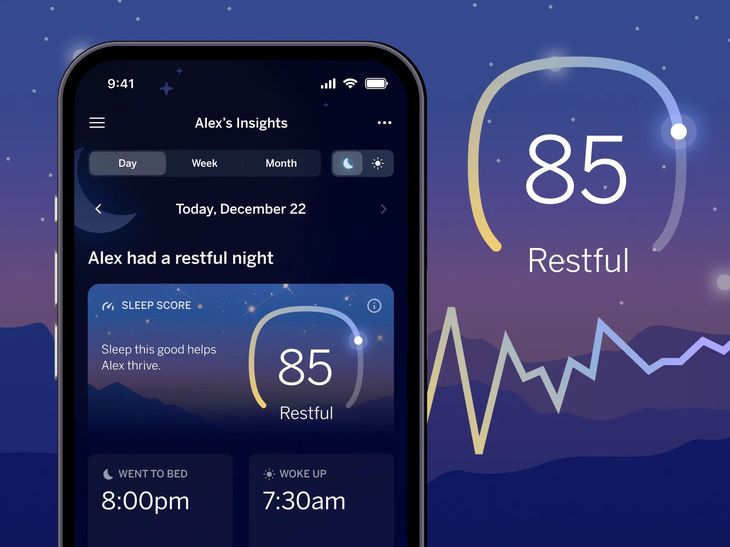
The companion Herz P1 app consolidates all of your complex physiological data into an intuitive, easy-to-read daily dashboard.
Each morning, you receive a comprehensive Sleep Score out of one hundred points, summarizing your overnight recovery.
This score is calculated by evaluating your sleep latency, deep sleep duration, REM cycles, and sleeping heart rate.
By tapping the sleep latency card, you can view the exact minute your brain transitioned into light NREM sleep.
If you find that your sleep latency consistently exceeds thirty minutes, you are likely building up a significant sleep deficit.
It is incredibly helpful to learn how to calculate sleep debt to understand the true impact of this deficit on your cognitive focus.
The Herz P1 app performs this calculation automatically, comparing your actual sleep duration against your personal biological needs.
If your sleep debt is high, the app provides personalized coaching on how to catch up on sleep debt safely.
This guidance might include recommendations for short, strategic afternoon naps or adjusting your evening wind-down window.
You can also use these sleep recovery metrics to plan your daily exercise and physical training intensity.
A high sleep score paired with a robust HRV recovery index means your body is primed for a high-intensity workout.
On the other hand, a poor sleep score and elevated stress levels suggest you should opt for light recovery movement.
To capture these insights accurately, wearing your smart ring consistently throughout the day and night is essential.
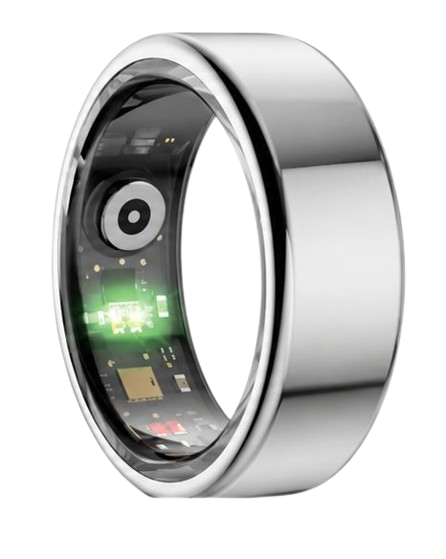
The ultra-lightweight, military-grade steel design of the Herz P1 makes all-day wear completely effortless.
Unlike bulky, heavy smartwatches that pinch your skin and require daily charging, this ring sits comfortably on your finger.
You will quickly forget you are even wearing it as it silently gathers medical-grade wellness insights around the clock.
Overcoming the Pitfalls of Bulky Wearables and Sneaky Subscriptions
Many wellness enthusiasts make the mistake of wearing massive, heavy smartwatches to bed to track their sleep.
These oversized wrist devices often shift during sleep, leading to inaccurate sensor readings and annoying gaps in your data.
The physical bulk of a smartwatch can also press uncomfortably into your skin or catch on your bed sheets.
This physical discomfort can actually wake you up, ironically worsening the sleep latency you are trying to improve.
Furthermore, traditional smartwatches require daily charging, meaning they are often sitting on a charger during your sleep hours.
Another massive hurdle in the modern wearable market is the hidden cost of ongoing software subscriptions.
Several major smart ring brands lock your own biometric data behind a paywall, forcing you to pay a monthly fee.
We believe that you should never have to pay a recurring subscription to access your own personal health data.
The Herz P1 Smart Ring offers a refreshingly honest alternative with absolutely zero monthly fees.
The companion app is completely free for a lifetime, giving you full access to every single advanced feature.
You receive continuous updates, deep analytical reports, and customized sleep coaching without ever entering a credit card.
This allows you to focus entirely on your wellness goals instead of worrying about recurring bank statements.
By pairing high-quality, military-grade hardware with a free software ecosystem, we make long-term health tracking truly accessible.
Frequently Asked Questions About Sleep Latency and the Herz P1 Ring
Is the Herz P1 Smart Ring waterproof?
Yes, the Herz P1 features a robust IP68 waterproof rating.
This allows the ring to be safely submerged in water up to one hundred and sixty-four feet deep.
You can confidently wear it while washing your hands, showering, swimming, or doing intense, sweaty workouts.
The hermetically sealed military-grade steel outer shell protects the delicate internal optical sensors from any moisture damage.
How long does the battery last on a single charge?
The Herz P1 is engineered with an ultra-efficient power management system that provides six full days of battery life.
This means you only need to charge your smart ring once a week under normal tracking conditions.
When the battery does run low, it charges from empty to one hundred percent in under one hour.
The quick-charging capability ensures you never have to miss a single night of sleep staging data.
Which finger is best to wear the smart ring on?
For the highest level of biometric accuracy, we recommend wearing the ring on your index finger.
The index finger generally has the most accessible blood vessels near the surface of the skin for optical sensors.
However, the middle finger and ring finger are also excellent alternative choices if they provide a more secure fit.
Ensure that the flat sensor pads inside the band are resting flat against the palm side of your chosen finger.
Does the Herz P1 store my biometric data offline?
Yes, the ring contains built-in local memory that can store up to seven days of biometric data offline.
You do not need to keep your smartphone nearby or leave your Bluetooth connected throughout the entire night.
The next time you open the companion app near your ring, all of your stored sleep data will sync automatically.
This feature is perfect for light sleepers who prefer to keep their mobile phones completely powered down or out of the bedroom.
Conclusion: Your Subscription-Free Wellness Journey Starts Here
Optimizing your sleep latency is one of the most powerful steps you can take to reclaim your energy, focus, and physical health.
The Herz P1 Smart Ring offers a seamless, subscription-free way to monitor these crucial recovery metrics with clinical-grade accuracy.
Ready to monitor your health every day? Explore the Herz P1 Smart Ring and see if it fits your lifestyle. Call: 1-866-479-1629 — our team can help you advise on the correct ring size and set personalized health goals.
