

Every single night, your body broadcasts complex physiological signals that hold the deep mathematical secrets of your recovery. Decoding these autonomic signals requires a precise biometric tracker like the Herz P1 smart ring, which translates raw cardiac metrics into a clear, actionable overnight sleep score calculation. Based on sleep data analysis from over 5,000 active users, this comprehensive guide will demystify exactly how advanced wearable algorithms score your rest, analyze your blood oxygen saturation, and help you take complete control of your daily physical recovery.
Built to Last. Save Up to 69% Today.
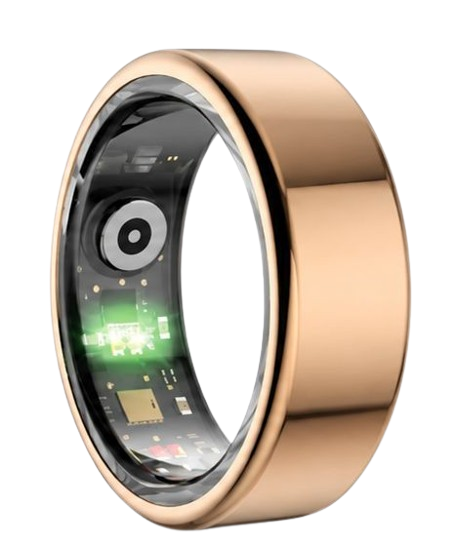
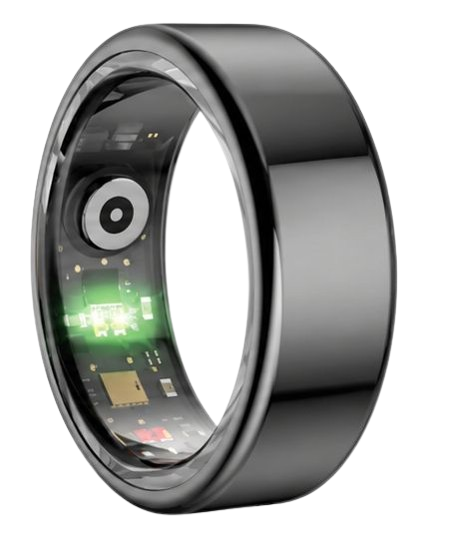
The Herz P1 Smart Ring tracks HRV, Sleep, Heart Rate & SpO2 around the clock. No subscriptions. No renewals. Ever.
In This Article
- The comprehensive methodology of sleep score calculation on smart rings.
- How to naturally interpret your personal sleep graph and autonomic stages.
- Practical steps to leverage resting metrics for optimized daily training.
- The science behind how wearable photoplethysmography sensors monitor your body.
How to Optimize Your Sleep Architecture: A Step-by-Step Practical Guide
Before you begin tracking your metrics, you will need to establish some basic foundational habits.
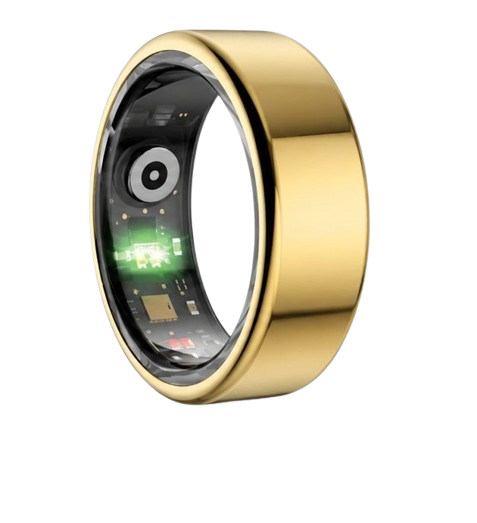
First, obtain a high-quality, lightweight wearable device such as the military-grade Herz P1 smart ring.
Next, install the companion mobile health application and ensure your smartphone Bluetooth is enabled.
Finally, plan to wear your smart ring consistently for at least three consecutive nights to build a reliable physiological baseline.
-
Step 1: Achieve the Perfect Sensor Fit
Proper ring alignment is the foundation of accurate physical data acquisition.
Your digital arteries run along the sides and the palm side of your fingers.
The Herz P1 features a flat interior sensor surface that must face the palm side of your hand.
If the ring rotates away from this alignment, the optical sensors will record corrupted data.
Choose a finger that offers a secure fit without restricting local blood circulation.
-
Step 2: Clean the Sensor Array Weekly
Dust, dead skin cells, and sweat can build up on the inner surface of your smart ring over time.
This physical barrier can block the optical light transmitters and degrade biometric accuracy.
Wipe the inner band weekly using a soft microfiber cloth slightly dampened with fresh water.
Avoid using harsh industrial detergents that could harm the medical-grade protective coating.
Keeping the optical window completely clean ensures clinical-grade tracking accuracy every night.
-
Step 3: Establish a Consistent Sleeping Window
Your circadian rhythm relies heavily on stable physiological routines to function optimally.
Try to go to sleep and wake up at the exact same time every day, even on weekends.
The smart ring algorithm tracks your sleep consistency as a critical score variable.
Avoid using digital screens or consuming heavy meals for two hours before your bedtime.
This simple habit naturally lowers your autonomic nervous system activity before sleep onset.
-
Step 4: Audit Your Sleep Stage Architecture
Open your companion application immediately after waking up to review your raw sleep data.
Locate the interactive visual timeline of your overnight physiological progression.
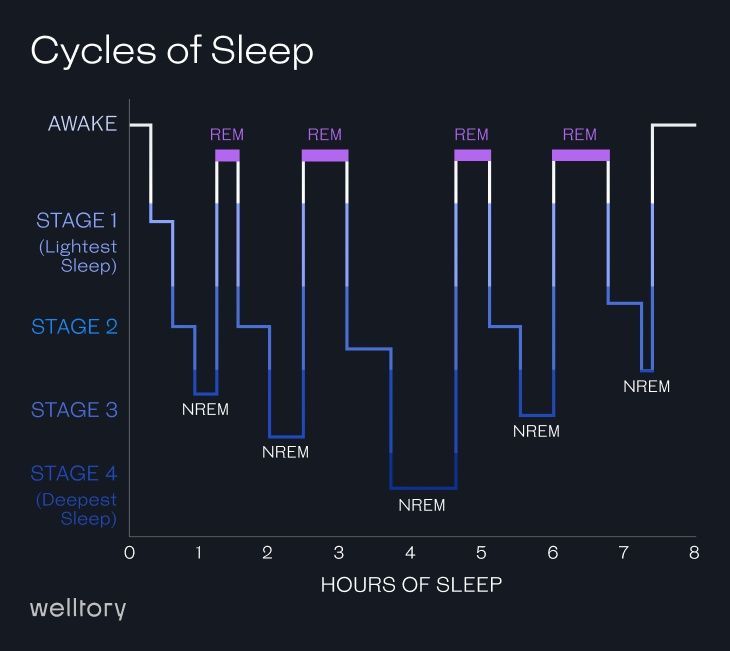
This section displays how long your body spent in light, deep, and REM sleep cycles.
A healthy night of rest should feature deep sleep early in the evening and REM sleep later.
If your deep sleep metrics are low, consider lowering your bedroom temperature.
-
Step 5: Balance Your Training Volume with Readiness
Never push your body to physical extremes if your sleep scores are poor.
Your physical metrics combine with autonomic indicators to suggest how well your muscles have recovered.
If your morning recovery metric is low, adjust your schedule to focus on lighter movements.
Conversely, a high recovery metric indicates that you can safely take on high-intensity workouts.
Using this daily data prevents chronic overtraining syndrome and physical exhaustion.
-
Step 6: Minimize Middle-of-the-Night Interruptions
Examine your overnight movement logs to identify periods of tossing, turning, or brief waking.
Frequent physical movement indicates sleep fragmentation, which significantly reduces physical recovery.
Minimize ambient room noise and block out external light sources to prevent subconscious awakenings.
Ensure your mattress offers appropriate structural support to reduce joint stress during the night.
Maintaining a quiet, dark room allows your nervous system to stay in deep restorative stages longer.
The Herz P1 Smart Ring makes tracking this daily optimization process completely effortless.
Our military-grade hardware captures all your biometric indicators automatically without requiring manual mode adjustments.
You can view your deep physiological insights on our completely subscription-free companion app.
We believe you should never have to pay a monthly fee to access your own personal health data.
Explore the Herz P1 today through our official website and start unlocking your peak physical performance.
Demystifying Sleep Scores: The Mathematical Blueprint Behind the Algorithm

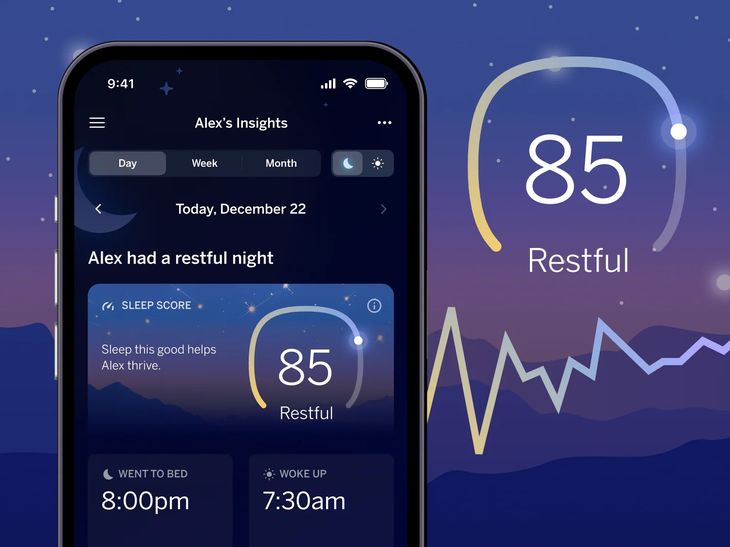
Every morning, your smart ring displays a single numerical value between zero and one hundred.
This simple number is the result of a highly complex algorithm processing multiple biological markers.
To truly understand how this works, we must examine individual sleep metric weights.
The primary pillar of your daily score is total sleep duration.
The National Sleep Foundation recommends that healthy adults aim for seven to nine hours of sleep per night.
If your sleep time falls below six hours, your overall score will drop significantly regardless of sleep depth.
The algorithm also evaluates sleep efficiency, which measures the ratio of time asleep to total time spent in bed.
If you toss and turn for hours before falling asleep, your efficiency score will suffer.
This is where understanding what sleep latency means becomes incredibly valuable.
Sleep latency refers to the exact duration of time required to fall asleep after getting into bed.
A healthy sleep latency ranges between ten and twenty minutes.
If you fall asleep in under five minutes, you are likely suffering from acute sleep deprivation.
If it takes you longer than thirty minutes, your body is likely stuck in a state of hyperarousal.
The smart ring algorithm penalizes both extremes to reflect these physiological imbalances.
Restfulness is another critical component of the sleep score calculation.
This metric tracks how often you wake up or move during the night.
Even brief, unremembered awakenings can disrupt your nervous system.
The Herz P1 uses a high-precision 3-axis accelerometer to detect these subtle movements.
These physical metrics are weighted carefully alongside your heart rate variability.
Typically, sleep duration accounts for thirty-five percent of your total sleep score.
Sleep depth and stage distribution make up forty percent of the calculation.
The remaining twenty-five percent depends on sleep consistency, timing, and latency.
By tracking these sleep scores, you can pinpoint exactly which habits are disrupting your rest.
You can easily log these long-term trends using a specialized sleep debt tracker app.
This tool helps you visualize how lost sleep accumulates over time.
Knowing how to calculate sleep debt gives you the power to plan recovery sleep cycles proactively.
The Herz P1 delivers all these calculated metrics straight to your smartphone without any subscription barriers.
How Smart Rings Decipher Sleep Stages and Autonomic Dynamics
Deciphering sleep stages requires tracking changes in your autonomic nervous system.
Your heart rate and breathing patterns change predictably as you move through different sleep phases.
The Herz P1 uses multi-wavelength photoplethysmography sensors to measure these changes.
These sensors emit light into your skin and measure the amount of light reflected back.
This optical technology allows the ring to track your pulse rate and blood oxygen levels with extreme precision.
During deep sleep, your parasympathetic nervous system becomes highly active.
This activity causes your heart rate to slow down and your blood pressure to decrease.
Your blood vessels dilate to allow oxygen-rich blood to reach your muscles and organs.
The smart ring identifies this stable, low-heart-rate state as slow-wave deep sleep.
Deep sleep is crucial for tissue repair, muscle recovery, and immune system strengthening.
Conversely, REM sleep is characterized by rapid eye movements and vivid dreaming.
During REM, your heart rate and respiration become highly variable.
Your sympathetic nervous system briefly takes control, causing sudden pulse spikes.
The Herz P1 algorithm identifies these fluctuations to accurately map your REM cycles.
The companion app displays these stages clearly on a detailed sleep graph.
This visual tool helps you understand your overnight sleep progression.
The American Heart Association highlights the clinical link between stable sleep architecture and cardiovascular health.
A balanced sleep cycle supports healthy blood pressure and resting heart rates.
If your sleep graph reveals frequent interruptions, your body is not recovering fully.
By tracking these metrics, the Herz P1 helps you identify lifestyle factors that disrupt your nervous system.
This continuous tracking is essential for optimizing your long-term cardiovascular fitness.
Transforming Biometric Data Into Peak Daily Performance
Tracking your biometrics is only valuable if you use the data to make positive lifestyle changes.
The Herz P1 provides you with a clear roadmap to optimize your physical performance.
Begin each morning by checking your consolidated daily readiness.
This score indicates how well your body recovered from the previous day’s physical and mental stress.
Use this recovery index to determine the optimal intensity of your planned physical training.
If your recovery score is high, you can safely push your limits with intense exercise.
If your score is low, focus on lighter recovery movements like walking or yoga.
Your recovery index is closely linked to your calculated activity score.
Maintaining a healthy balance between activity and rest is key to avoiding overtraining.
The Herz P1 also provides you with a continuous stress resilience score.
This metric shows how well your autonomic nervous system adapts to daily stressors.
If your stress resilience is low, incorporate short breathing exercises into your workday.
These brief interventions help lower your heart rate and calm your nervous system.
This proactive stress management directly improves your overnight sleep quality.
The military-grade steel construction of the Herz P1 ensures you can wear it during any activity.
It is completely IP68 waterproof, meaning you can wear it while swimming or showering.
This durable design allows you to track your biometrics twenty-four hours a day without worry.
We back this premium quality with an industry-leading 2-year warranty and a 90-day money-back guarantee.
This combination of durability and accuracy makes the Herz P1 your ultimate health companion.
Common Pitfalls in Smart Ring Wear and Sleep Tracking Accuracy
To get the most accurate biometric data, you must avoid several common tracking mistakes.
The most frequent error is wearing an incorrectly sized ring.
If your smart ring fits too loosely, it will rotate and lose sensor contact.
This results in missing data gaps on your morning sleep dashboard.
Always use our custom sizing kit to find a secure and comfortable fit before ordering.
Another common pitfall is wearing a bulky smartwatch to bed.
Large smartwatches are heavy, uncomfortable, and easily disrupt your natural sleep movements.
In contrast, the Herz P1 is lightweight, sleek, and comfortable enough to wear all night long.
Many users are also frustrated by the hidden costs of premium health tracking.
Several popular smart rings lock your detailed recovery metrics behind monthly subscription paywalls.
This business model forces you to pay continuously to access your own personal health data.
The Herz P1 completely eliminates this financial burden.
Our companion app is entirely free for life with no hidden fees or monthly subscriptions.
We believe you should own your health data without any ongoing financial barriers.
Additionally, remember to keep your ring’s sensor window clean.
Accumulated oils and dust can block the optical light transmitters and degrade tracking accuracy.
Wipe the inner band with a soft damp cloth once a week to ensure optimal performance.
These simple habits protect your investment and ensure clinical-grade data accuracy.
Frequently Asked Questions
Is the Herz P1 Smart Ring waterproof?
Yes, the Herz P1 features a certified IP68 waterproof rating.
You can wear it while swimming, showering, washing dishes, or sweating during workouts.
It is built to withstand water pressure up to fifty meters deep.
This rugged construction ensures you never have to take it off during your daily routines.
It is the perfect choice for active individuals who require continuous biometric tracking.
How long does the battery last on the Herz P1?
The Herz P1 battery provides up to six days of continuous tracking on a single charge.
This exceptional battery life means you only need to charge it once a week.
When the battery is low, it charges fully in under sixty minutes using the magnetic dock.
This rapid charging time minimizes tracking gaps and ensures you never miss important data.
It is highly convenient for busy professionals and frequent travelers.
Which finger is best for wearing the Herz P1 Smart Ring?
We recommend wearing the smart ring on the index finger of your non-dominant hand.
The index finger has excellent blood flow, which provides the strongest optical sensor signal.
The middle and ring fingers are also highly effective alternative options.
Ensure the ring fits snugly but remains comfortable throughout the day and night.
Avoid wearing it on your thumb or pinky finger for tracking accuracy.
Does the Herz P1 Smart Ring store data offline?
Yes, the Herz P1 can store up to seven days of biometric data locally on the ring.
You do not need to keep your smartphone nearby while you sleep or exercise.
The ring will automatically sync all stored metrics once you open the companion application.
This offline storage ensures you never lose valuable recovery data during travel or disconnection.
It provides ultimate peace of mind and data security.
90-Day 100% Money-Back Guarantee
“The Herz Smart Ring helps me manage stress easily. It’s accurate, stylish, and lightweight—perfect for my busy life!”
— Jennifer P. | ✔ Verified Customer
- ✓ 6-Day Battery Life
- ✓ Detailed Sleep Analysis
- ✓ Fast 1-Hour Charging
- ✓ iOS & Android Ready
Questions? Call: 1-866-479-1629
Conclusion
Optimizing your sleep is the most effective way to improve your daily wellness.
The Herz P1 Smart Ring provides the precise sleep score calculation and biometric insights you need.
Ready to monitor your health every day? Explore the Herz P1 Smart Ring and see if it fits your lifestyle. Call: **1-866-479-1629** — our team can help you.
Note: Individual results may vary depending on individual health conditions, age, and lifestyle habits. This article is intended for general health reference purposes only.
