

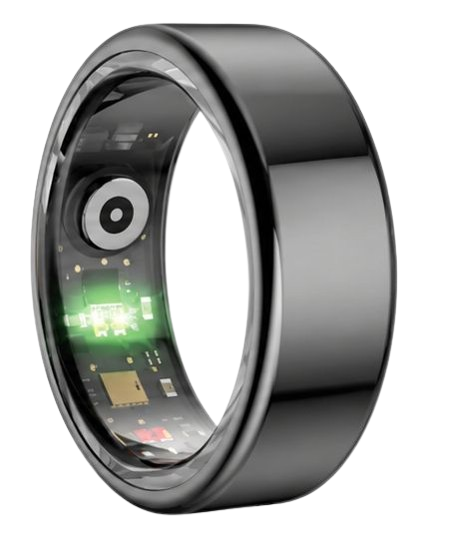
According to scientific studies from the National Sleep Foundation, over sixty percent of fitness enthusiasts fail to realize that actual muscle growth occurs during rest rather than during training. If you push your body through intense workouts without optimizing your sleep and muscle recovery, your physiological progress will hit an inevitable plateau. The team at Herz P1 has designed an advanced biometric smart ring to help you monitor these crucial physiological windows with precision.
Built to Last. Save Up to 69% Today.
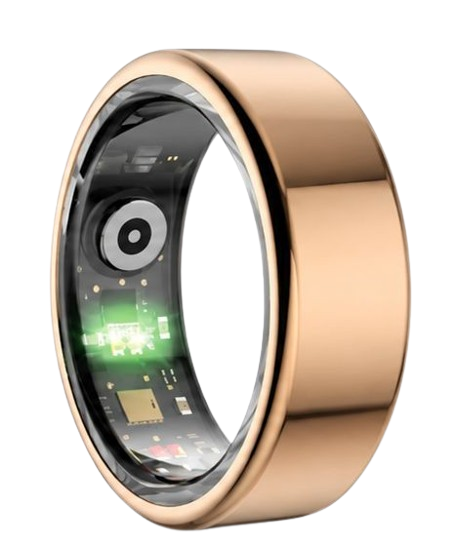
The Herz P1 Smart Ring tracks HRV, Sleep, Heart Rate & SpO2 around the clock. No subscriptions. No renewals. Ever.
In This Article
- The Step-by-Step Recovery Protocol: Learn how to optimize your nightly routines to enhance physical restoration.
- The Science of Sleep Stages: Discover how deep sleep and REM sleep directly affect muscle tissue repair and cognitive performance.
- Autonomic Balance & HRV: Explore how Heart Rate Variability acts as your ultimate guide to physical readiness and stress adaptation.
- Hormonal Dynamics: Understand the metabolic impact of sleep loss on testosterone, cortisol, and muscle growth.
How to Optimize Your Sleep Quality for Accelerated Muscle Growth: A Step-by-Step Recovery Protocol
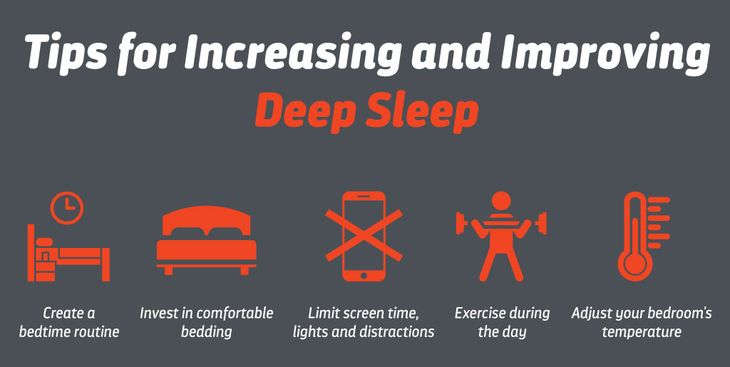
To consistently build lean muscle tissue, you must treat your nightly rest with the same discipline as your training sessions.
This step-by-step tutorial will show you exactly how to structure your evening habits to maximize your physiological restoration.
Prerequisites and Essential Conditions
Before beginning this protocol, ensure you have a dedicated sleep-tracking device and a quiet, dark sleeping environment.
You will also need to commit to a standardized bedtime window to allow your circadian rhythm to stabilize.
-
Step 1: Establish a Consistent Circadian Anchor
Go to bed and wake up at the exact same times every single day.
Irregular sleeping schedules throw off your body’s natural release of human growth hormone.
Keeping your sleep schedule steady allows your endocrine system to anticipate recovery cycles.
Aim to keep your weekend sleep variability within a thirty-minute window of your weekday routine.
-
Step 2: Optimize Your Thermal Environment
Adjust your bedroom thermostat to a temperature between sixty-five and sixty-eight degrees Fahrenheit.
Your core body temperature must drop by several degrees to successfully initiate deep restorative sleep.
High ambient room temperatures prevent your body from reaching deep sleep stages.
Consider using lightweight, breathable bedding materials to prevent overnight overheating.
-
Step 3: Implement a Screen-Free Wind-Down Routine
Power down all smartphones, tablets, and computers at least sixty minutes before your target bedtime.
The blue light emitted from digital displays actively suppresses the natural production of melatonin in your brain.
Replace screen time with light stretching, breathing exercises, or reading physical books.
This signal helps your sympathetic nervous system shift into a relaxed parasympathetic state.
-
Step 4: Manage Your Late-Day Nutrition and Stimulant Intake
Avoid consuming any caffeine within eight hours of your scheduled sleep time.
Caffeine blocks adenosine receptors in your brain, preventing you from feeling naturally tired.
Finish your final meal of the day at least three hours before you lie down to sleep.
Heavy late-night digestion diverts oxygen-rich blood flow away from recovering skeletal muscle tissues.
-
Step 5: Review Your Biometric Performance Metrics Daily
Check your daily recovery data every morning to assess how your lifestyle choices impact your physiology.
Monitoring these patterns helps you make data-informed adjustments to your daily exercise intensity.
If your overnight recovery markers are low, reduce your training volume to prevent injury.
Consistent objective analysis removes the guesswork from building a highly resilient body.
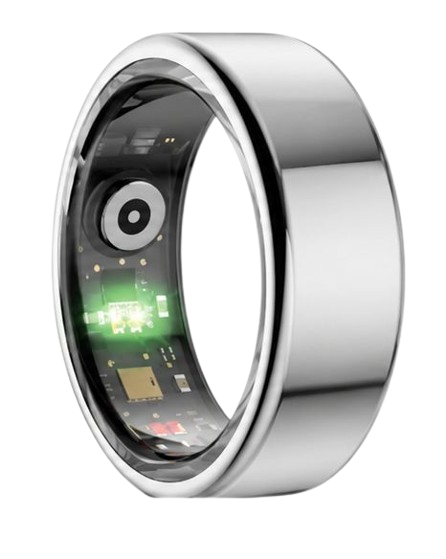
The team at Herz P1 designed our advanced smart ring to streamline this exact five-step process.
By wearing the Herz P1 Smart Ring, you receive effortless, automated tracking of your sleep stages, resting heart rate, and overnight recovery trends.
90-Day 100% Money-Back Guarantee
“The Herz Smart Ring helps me manage stress easily. It’s accurate, stylish, and lightweight—perfect for my busy life!”
— Jennifer P. | ✔ Verified Customer
- ✓ 6-Day Battery Life
- ✓ Detailed Sleep Analysis
- ✓ Fast 1-Hour Charging
- ✓ iOS & Android Ready
Questions? Call: 1-866-479-1629
The Science of Sleep and Muscle Recovery: Understanding Your Body’s Nocturnal Repair Shop
To fully understand how muscle recovery sleep works, we must examine what happens beneath the surface during the night.
Many active individuals ask: do muscles grow when you sleep?
The answer is a definitive yes, as your body enters an anabolic state designed specifically for cellular repair.
During waking hours, resistance training creates microscopic tears in your skeletal muscle fibers.
When you rest, your physiological systems shift resources toward mending these microscopic lesions.
This repair process results in stronger, larger, and more resilient muscle fibers.
Understanding the individual stages of sleep helps clarify how your body prioritizes this vital workload.
The Deep Sleep Stage: The Epicenter of Muscle Reconstruction
Deep sleep, also known as slow-wave sleep, represents the most crucial phase for physical recovery.
During this stage, your brain releases up to ninety percent of your daily human growth hormone.
This vital hormone is essential for tissue regeneration, cellular reproduction, and overall sleep building efficiency.
Additionally, your blood pressure drops, and your deep sleep heart rate reaches its lowest daily levels.
This reduction in cardiovascular workload allows your body to redirect extra blood flow to skeletal muscles.
The increased blood flow delivers vital amino acids, oxygen, and other nutrients directly to worn muscle tissues.
Without sufficient deep sleep, your body cannot synthesize proteins fast enough to keep pace with your workouts.
The REM Sleep Stage: Restoring Your Central Nervous System
While deep sleep restores your physical tissues, REM sleep restores your neurological pathways.
Heavy resistance training places an immense amount of stress on your central nervous system.
Your brain uses the REM stage to reorganize motor patterns, store memories, and restore neurotransmitters.
A stable rem sleep and heart rate profile indicates that your mind is successfully recovering from neuromuscular fatigue.
If you skip this phase, your physical coordination, strength output, and mental focus will suffer.
A fatigued nervous system cannot efficiently recruit muscle fibers during your next training session.
Thus, getting high-quality sleep is directly linked to maintaining peak physical performance over time.
Heart Rate Variability (HRV) and Stress Tracking: Measuring Your Daily Adaptive Capacity

Heart Rate Variability, or HRV, is the measurement of the time variation between consecutive heartbeats.
This metric serves as a direct window into the balance of your autonomic nervous system.
A high HRV score indicates that your parasympathetic nervous system is active and ready to handle physical stress.
A low HRV score suggests that your body is locked in a sympathetic fight-or-flight state.
By monitoring overnight hrv, you gain a highly accurate picture of your true recovery level.
If your HRV is chronically depressed, it is a clear warning sign that you are overtraining.
Ignoring this warning can lead to elevated muscle breakdown, chronic fatigue, and potential injuries.
Using these biological insights allows you to make smarter, safer, and more productive choices in the gym.
Building Resilience to Training and Life Stressors
Your body does not distinguish between physical workout stress and psychological life stress.
Both types of stress drain your physiological reserves and impact your overall recovery.
Focusing on building resilience helps your body adapt to these combined demands.
When your stress levels are consistently managed, your body can allocate more resources toward muscle protein synthesis.
Keeping tabs on daily stress trends ensures you do not overwhelm your system when your personal life is hectic.
Adjusting your workout plans based on objective biometric feedback keeps you moving forward safely.
Hormonal Regulation and Muscle Protein Synthesis During Sleep
Sleep deprivation has a profound and immediate impact on your overall hormone balance.
When you restrict your sleep, your body’s production of cortisol spikes dramatically.
Cortisol is a highly catabolic stress hormone that actively breaks down muscle proteins for energy.
At the same time, sleep loss significantly reduces your levels of anabolic hormones like testosterone.
This negative hormonal shift makes it incredibly difficult for your body to build or maintain lean tissue.
Understanding the link between sleep and metabolism is crucial for anyone looking to optimize their body composition.
When your hormones are out of balance, your body resists fat loss and accelerates muscle wasting.
This demonstrates why the question does your muscle grow when you sleep is so deeply tied to your endocrine health.
Without high-quality rest, your hormonal profile actively works against your fitness goals.
To get the absolute most out of your physical efforts, you must prioritize sleep as much as nutrition.
Practical Blueprint: Translating Herz P1 Data Into Lean Muscle Gains
Tracking raw data is only useful if you know how to apply those insights to your daily lifestyle.
Our subscription-free companion app organizes your biometric metrics into clear, actionable trends.
Every morning, open the app to view your daily recovery score and check your overnight sleep graph.
Look closely at the ratio of deep sleep to REM sleep to evaluate your physical and mental recovery.
If your sleep graph displays long stretches of awake time, take steps to improve your evening wind-down routine.
If your recovery score is green, your body is fully prepared for a high-intensity training session.
If your score lands in the yellow or red zone, consider scheduling a light recovery walk or a rest day.
Our lightweight steel ring design ensures maximum comfort all day and all night, making continuous tracking effortless.
You will quickly forget you are wearing a tracker, which allows for natural, uninterrupted sleep.
Overcoming the Obstacles: Why Traditional Wearables Fail Your Recovery Goals
Many fitness enthusiasts try to track their recovery using oversized smartwatches.
However, wearing a bulky watch to bed often causes discomfort and disrupts your natural sleep patterns.
Additionally, smartwatches typically require daily charging, which leads to frequent gaps in your tracking data.
If your tracker is sitting on a charger overnight, it cannot record your vital recovery metrics.
Furthermore, many wearable brands charge high monthly app subscriptions to access your own biometric data.
We believe you should never have to pay a recurring fee to view your personal health trends.
The Herz P1 Smart Ring App is completely free for life, with absolutely zero hidden fees.
Our durable military-grade steel ring is incredibly lightweight, comfortable, and built to withstand daily wear.
With a six-day battery life, you can track your health continuously without the annoyance of daily charging.
Frequently Asked Questions About Sleep, Muscle Recovery, and Herz P1
Is the Herz P1 Smart Ring fully waterproof?
Yes, the Herz P1 is IP68 waterproof and built to withstand continuous water submersion up to one hundred and sixty-four feet.
You can safely wear the ring while swimming, showering, washing your hands, or sitting in a sauna.
This level of protection ensures that your daily water activities will never disrupt your biometric tracking.
How long does the battery last on a single charge?
Our smart ring features a highly efficient battery that lasts up to six days on a single charge.
When it is time to charge, the ring powers up from zero to one hundred percent in under one hour.
This fast charging capacity minimizes down-time and prevents gaps in your overnight health data.
Which finger is best for wearing the Herz P1?
We recommend wearing the smart ring on your index, middle, or ring finger for the most accurate readings.
Choose the finger that offers a secure yet comfortable fit without restricting your natural circulation.
A proper fit ensures the optical sensors maintain consistent contact with your skin throughout the night.
Can the smart ring store my data offline?
Yes, the Herz P1 has built-in offline storage that holds up to seven days of local biometric data.
If you travel without your smartphone, the ring will continue to monitor your metrics automatically.
Your stored data will sync seamlessly to the mobile app as soon as your Bluetooth connection is restored.
Conclusion
Prioritizing your sleep is the most effective way to unlock consistent muscle growth and long-term vitality.
The durable Herz P1 Smart Ring offers the perfect subscription-free solution for tracking your nightly recovery.
Ready to monitor your health every day?
Explore the Herz P1 Smart Ring and see if it fits your lifestyle.
Call: 1-866-479-1629 — our team can help you advise on the correct ring size and set personalized health goals.
