

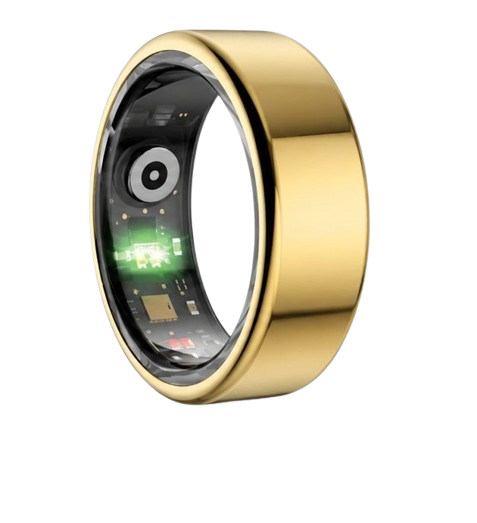
How does dreaming affect your cardiovascular system? Understanding the precise relationship between rem sleep and heart rate is key to mastering your nocturnal recovery. Clinicians agree that sleep monitoring reveals hidden markers of stress and physical strain. With the subscription-free Herz P1 smart ring, you can easily decode these vital autonomic signals right from your finger.
Built to Last. Save Up to 69% Today.
The Herz P1 Smart Ring tracks HRV, Sleep, Heart Rate & SpO2 around the clock. No subscriptions. No renewals. Ever.
In This Article
- Learn how to optimize your sleep quality through five practical steps.
- Discover the neurological connection between dreams and cardiovascular stability.
- Explore how your heart rate and autonomic nervous system behave during REM sleep.
- Review the critical role of lightweight biometric tracking in sleep recovery.
How to Optimize Your REM Sleep and Monitor Your Cardiovascular Biometrics: A Step-by-Step Guide

Monitoring your sleep quality requires a disciplined approach and reliable biometric tracking tools.
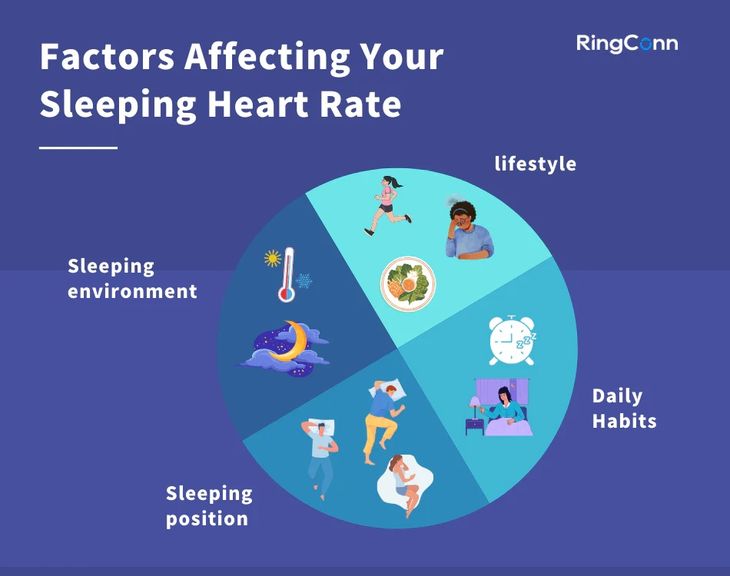
To improve your sleep, you must create a clear, actionable plan that addresses both lifestyle factors and environmental elements.
Before beginning, ensure you have a comfortable sleeping environment and a reliable wearable tracker to record your daily changes.
Step 1: Establish a Consistent Wake-Up Time
You must wake up at the exact same time every morning, even on weekends.
This consistency anchors your body’s circadian rhythm and regulates melatonin production.
When your wake-up time is stable, your brain naturally predicts when to initiate deep sleep cycles later in the evening.
Irregular schedules confuse your autonomic nervous system and cause uneven cardiovascular recovery patterns.
Avoid the temptation to sleep in late after a night of poor sleep, as this only delays recovery.
Step 2: Limit Evening Light and Screen Exposure
Turn off your television, computer, and smartphone at least sixty minutes before your intended bedtime.
The intense blue light emitted by modern electronic screens mimics natural sunlight and halts melatonin release.
Without adequate melatonin, your brain struggles to transition into deep restorative sleep stages.
Use this screen-free hour to engage in relaxing activities like reading a physical book or stretching.
Dim the lights throughout your home to signal to your nervous system that the day is coming to an end.
Step 3: Keep Your Bedroom Environment Cool
Set your bedroom thermostat to a temperature between sixty-five and sixty-eight degrees Fahrenheit.
Your core body temperature must naturally drop by several degrees to initiate high-quality sleep.
A hot room prevents this temperature drop, which keeps your resting heart rate elevated and fragments your sleep.
Utilize breathable bedding and wear lightweight pajamas to help dissipate body heat during the night.
Keeping your sleeping quarters cool supports deep recovery and prevents nighttime wakings.
Step 4: Avoid Heavy Meals and Stimulants Before Bed
Do not consume caffeine within eight hours of sleeping, and avoid heavy meals for three hours before bed.
Caffeine blocks adenosine receptors in your brain, which artificially keeps you feeling alert when you should be tired.
Eating large meals late at night forces your digestive system to work hard when your body should be resting.
This elevated digestive activity forces your heart to pump more blood, driving up your resting heart rate.
A light snack is acceptable if you are hungry, but avoid sugar and heavy proteins.
Step 5: Review Your Overnight Biometric Trends Every Morning
Check your tracking application every morning to review your overnight heart rate and sleep staging charts.
Identify whether your heart rate exhibits a healthy “dipping” pattern where it drops lowest in the middle of the night.
Analyze the ratio of light, deep, and REM sleep phases to see how your daily stress levels affected your rest.
If you notice persistent spikes in your heart rate, cross-reference them with your activities from the previous day.
Consistent tracking allows you to make data-backed adjustments to your evening habits for better long-term health.
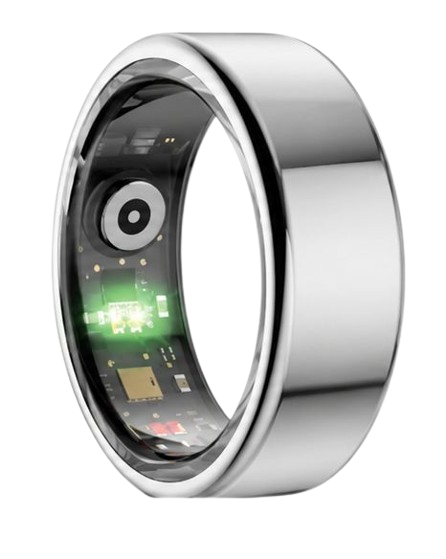
You can track all these vital parameters seamlessly using the premium Herz P1 smart ring, which monitors your heart rate and sleep patterns without any subscription fees.
90-Day 100% Money-Back Guarantee
“The Herz Smart Ring helps me manage stress easily. It’s accurate, stylish, and lightweight—perfect for my busy life!”
— Jennifer P. | ✔ Verified Customer
- ✓ 6-Day Battery Life
- ✓ Detailed Sleep Analysis
- ✓ Fast 1-Hour Charging
- ✓ iOS & Android Ready
Questions? Call: 1-866-479-1629
The Physiology of Dreams: What Happens to Your Heart Rate During REM Sleep
Your body does not remain completely calm when you sleep.
While deep sleep is characterized by steady recovery, rapid eye movement sleep behaves very differently.
REM sleep is the stage where your most vivid dreams occur.
During this stage, your brain activity increases to levels that are very similar to when you are awake.
This heightened brain activity has a direct impact on your cardiovascular system.
In other sleep stages, your autonomic nervous system remains dominated by parasympathetic activity.
This parasympathetic dominance helps keep your heart rate slow and highly regular.
When you transition into REM sleep, your sympathetic nervous system suddenly becomes highly active.
This shift causes significant variations in your sleeping heart rate vs resting heart rate.
Your heart rate can suddenly spike or drop depending on the emotional intensity of your dreams.
Your respiratory rate also becomes irregular during this phase.
This unstable cardiorespiratory pattern is a completely normal part of healthy sleep architecture.
Your brain is actively processing emotions, consolidating memories, and clearing out metabolic waste products.
Clinical data shows that your normal sleep bpm values will fluctuate widely during these dream states.
These fluctuations are very different from the calm, flat cardiovascular profile of deep recovery stages.
Understanding these patterns helps you recognize that overnight pulse variations are not necessarily a cause for alarm.
Instead, they show that your brain is actively working to restore your cognitive health.
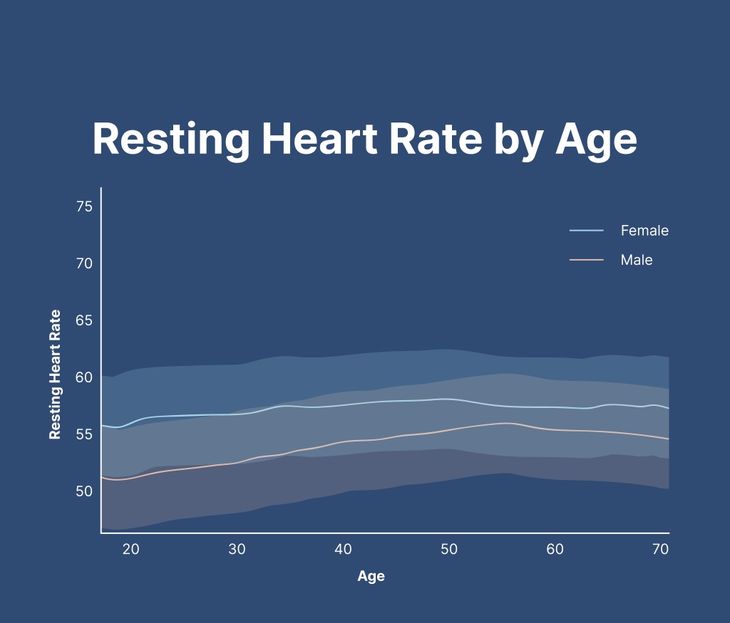
You can observe these shifts by looking at your resting heart rate when sleeping trends.
A healthy heart shows high adaptability and quick changes in response to these internal dream cues.
Tracking your resting heart rate asleep gives you deep insights into how well your body transitions between these critical stages.
Unpacking Sleep Metrics: Why Your Pulse Spikes While You Dream
The erratic nature of your pulse during dreams is a fascinating physiological phenomenon.
Researchers refer to this pattern as autonomic instability.
During REM sleep, your body is mostly paralyzed to prevent you from acting out your dreams physically.
However, your cardiorespiratory muscles remain completely active and highly responsive to emotional dream scenarios.
A sudden chase or a stressful event in a dream can cause your rem sleep pulse rate to jump quickly.
These spikes occur because your brain releases small bursts of adrenaline, even while you are asleep.
These adrenaline surges prepare your body for action, raising your pulse and respiratory rate.
This cardiorespiratory response is very different from your steady deep sleep heart rate, which remains low and quiet.
During deep slow-wave sleep, your body focuses entirely on physical repair and cellular restoration.
Your heart rate during deep sleep is highly stable and represents your true cardiovascular baseline.
Analyzing these contrasting stages helps wellness advisors evaluate your overall recovery quality.
A healthy heart should show a clear distinction between the quiet stability of deep stages and the lively variations of REM stages.
If your heart rate remains flat and high all night, it may indicate chronic physical or mental fatigue.
Monitoring your sleeping bpm allows you to track these critical trends over several weeks.
This long-term perspective is much more valuable than looking at a single night’s data.
Your body’s ability to transition smoothly between these sleep cycles is a key marker of overall cardiovascular resilience.
Applying Biometric Insights to Your Daily Performance Routine
Raw biometric data is only useful if you know how to apply it to your daily life.
If your morning sleep report shows a high resting heart rate, you should adjust your plans for the day.
This elevated pulse is a clear sign that your nervous system is still carrying stress from the previous day.
You should consider reducing the intensity of your workouts on these high-stress mornings.
Focus on active recovery exercises like walking or gentle yoga instead of high-intensity training.
A lower-intensity day helps prevent overtraining and allows your heart rate to recover faster.
Conversely, when your resting pulse is low and your sleep score is high, your body is ready for physical challenges.
You can use these high-recovery days to tackle intense workouts or demanding work tasks.
Understanding these daily fluctuations helps you work with your body’s natural limits rather than pushing through fatigue.
Using a comfortable tracking device like a smart ring is essential for collecting this data consistently.
Unlike heavy smartwatches, a lightweight ring is comfortable to wear all night without disrupting your sleep.
The constant, non-invasive tracking ensures you never miss a critical heart rate spike or sleep stage transition.
Ditching the Bulky Tracker: Eliminating Sleep Disruptions and Hidden Subscriptions
Many health-conscious individuals struggle to track their sleep because their wearable devices are too uncomfortable.
Bulky smartwatches can irritate your skin and disrupt your sleep when you roll over in bed.
These sleep disruptions can negatively affect your heart rate and skew your biometric data.
If your tracker is uncomfortable, you are much less likely to wear it consistently.
This inconsistency creates frustrating gaps in your long-term health trends.
Furthermore, many wearable brands charge expensive monthly subscription fees to access your personal health data.
These hidden fees can make tracking your health feel like an ongoing financial burden.
We believe that you should never have to pay a monthly fee to access your own biometric information.
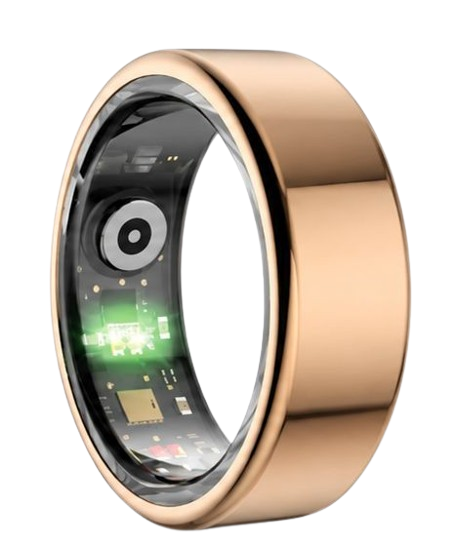
The Herz P1 Smart Ring offers a modern, comfortable solution to these common tracking frustrations.
It features a sleek, low-profile design made from durable military-grade steel.
The companion app is completely free for lifetime use, with no hidden subscription fees or locked features.
This transparency makes it easy and affordable to build a consistent, long-term picture of your cardiovascular health.
Frequently Asked Questions About Sleep and Heart Rate Tracking
Conclusion
Monitoring your overnight cardiovascular metrics is a powerful way to take control of your long-term health and physical recovery.
The premium Herz P1 Smart Ring provides the precise, subscription-free biological insights you need to make healthy lifestyle adjustments every day.
Ready to monitor your health every day? Explore the Herz P1 Smart Ring and see if it fits your lifestyle. Call: 1-866-479-1629 — our team can help you advise on the correct ring size and set personalized health goals.
