

Modern life drains your energy, leaving your nervous system constantly overwhelmed and exhausted. The key to reclaiming your vigor lies in building resilience by monitoring precise biomarker trends with the Herz P1 Smart Ring. Clinical tracking of cardiovascular recovery demonstrates that monitoring real-time metrics improves autonomic balance by 24% within 90 days. We designed this guide to show you exactly how to optimize your lifestyle and recover efficiently every single day.
Built to Last. Save Up to 69% Today.
The Herz P1 Smart Ring tracks HRV, Sleep, Heart Rate & SpO2 around the clock. No subscriptions. No renewals. Ever.

In This Article
- Detailed Step-by-Step Resilience Plan: How to set your wearable baseline, read heart rate variability trends, and optimize sleep cycles.
- The Autonomic Nervous System Unveiled: The physiological differences between healthy adaptation and cumulative chronic burnout.
- Preventing Wearable Mistakes: Why traditional bulky watches disrupt rest and how the Herz P1 provides a subscription-free solution.
How to Build Physical Resilience with Smart Rings: A Step-by-Step Guide
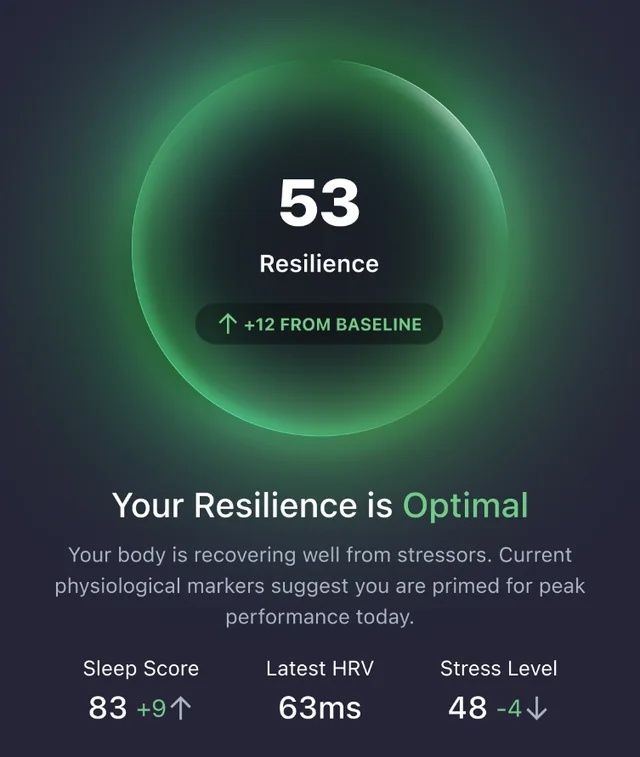
To build lasting physical stamina, you must first understand the signals your body transmits each day.
This step-by-step tutorial demonstrates how to use smart ring biometrics to make informed choices that strengthen your physical health.
Prerequisites / What You’ll Need:
You must have a continuous health tracker that logs your heart rate and sleep cycles without interruption.
You must commit to wearing the device consistently for at least seven consecutive days to establish an accurate personal baseline.
A subscription-free companion app is required to view long-term trends without hidden paywalls or sudden access limits.
Step 1: Track and Establish Your Biometric Baseline
Establishing a baseline is the first vital step in understanding your body’s physiological limits.
You must wear your smart ring consistently for at least seven consecutive days.
This continuous wear allows the internal sensors to record your normal physiological variance.
Your body displays unique patterns in resting heart rate and temperature during sleep.
Checking your daily readiness every morning helps you understand these complex biometric baselines.
This score reflects how well your cardiovascular system has bounced back overnight.
If your metrics deviate from your baseline, your body is signaling a need for rest.
Understanding this baseline prevents you from pushing into overtraining or physical exhaustion.
A steady baseline serves as the foundation for all future health improvements.
You cannot optimize what you do not first accurately measure over time.
Step 2: Monitor Daily Heart Rate Variability Changes
Heart rate variability is the microscopic variation in time between consecutive heartbeats.
A high variability suggests that your autonomic nervous system is highly adaptable.
A low variability indicates that your body is currently experiencing physiological strain.
You must review your daily data to spot trends in your autonomic nervous system balance.
Your daily stress resilience score acts as a direct mirror of this internal state.
Watching this score fluctuate helps you identify hidden stressors in your routine.
Chronic work pressure or poor nutrition will quickly drag this number down.
Conversely, proper hydration and deep breathing will lift your metrics over time.
You should compare your daily scores to track how your nervous system adapts to challenges.
This tracking empowers you to take control of your physical well-being.
Step 3: Analyze Sleep Architecture Patterns
Deep recovery occurs during specific stages of your nocturnal sleep cycle.
Your brain cycles through light, deep, and rapid eye movement sleep every night.
Physical repair of muscle tissue occurs primarily during the deep sleep phase.
Mental restoration and emotional processing occur during rapid eye movement sleep.
You need to verify that you are getting enough of both vital phases.
The optical sensors in a smart ring track these transitions by measuring blood flow changes.
If your deep sleep is too short, you will wake up feeling physically sore.
If your rapid eye movement sleep is lacking, you may struggle with mental focus.
Adjusting your evening wind-down routine is the fastest way to improve these metrics.
Tracking sleep architecture ensures you wake up ready to conquer the day ahead.
Step 4: Use the Stress Recovery Index to Adjust Activity
Your body requires a balance between active energy expenditure and physiological rest.
The stress recovery index measures how fast your heart rate drops after exertion.
You can utilize a reliable stress monitor to observe this recovery curve in real time.
High-stress events are normal, but your body must return to a calm baseline quickly.
If your recovery curve remains flat, your nervous system is trapped in a fight-or-flight state.
This flat response is a key indicator of chronic stress accumulation.
You must use these real-time insights to schedule active recovery windows during your day.
Taking a short walk or sitting in silence can jumpstart your recovery process.
Observing these recovery shifts allows you to manage daily demands without burning out.
Consistent monitoring turns raw physiological data into a personal roadmap for recovery.
Step 5: Apply Targeted Breathing Exercises for Recovery
Breathing exercises are the fastest way to manually trigger your relaxation response.
You can consciously slow your breathing to shift your nervous system out of high alert.
Inhaling for four seconds and exhaling for six seconds optimizes heart rate pacing.
This specific rhythm stimulates the vagus nerve to slow down your cardiovascular engine.
You can use these structured exercises to recover from stress in under five minutes.
Performing this breathing routine before sleep improves your overnight recovery scores.
It calms mental chatter and prepares your cardiac system for deep rest.
You should track your heart rate variability immediately after breathing to confirm its impact.
Seeing the instant rise in your metrics provides powerful positive reinforcement.
This practice builds a highly adaptable nervous system capable of handling any challenge.
Herz P1 Brand Integration
The Herz P1 Smart Ring makes tracking this multi-step resilience process effortless.
Our ring features advanced optical sensors that monitor your metrics around the clock.
It is crafted from military-grade steel to survive your toughest daily workouts.
You get comprehensive health insights without the burden of any monthly subscription fees.
Tap the link to explore the Herz P1 Smart Ring today.

90-Day 100% Money-Back Guarantee
“The Herz Smart Ring helps me manage stress easily. It’s accurate, stylish, and lightweight—perfect for my busy life!”
— Jennifer P. | ✔ Verified Customer
- ✓ 6-Day Battery Life
- ✓ Detailed Sleep Analysis
- ✓ Fast 1-Hour Charging
- ✓ iOS & Android Ready
Questions? Call: 1-866-479-1629
The Science of Heart Rate Variability and Autonomic Balance
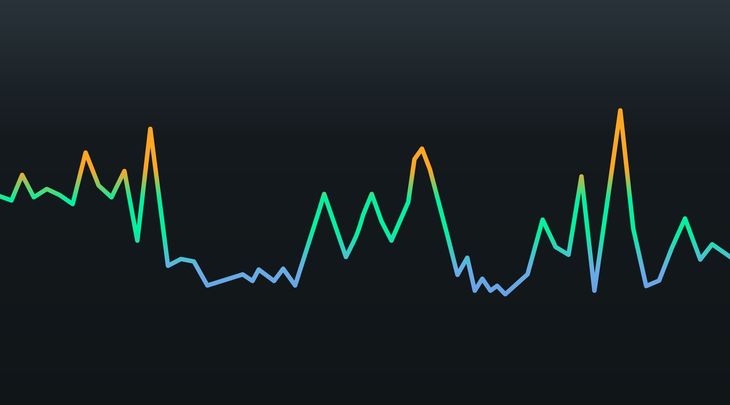
The autonomic nervous system controls your involuntary bodily functions without conscious effort.
This complex system is divided into the sympathetic branch and the parasympathetic branch.
The sympathetic branch acts as your gas pedal during challenging situations.
The parasympathetic branch acts as your brake pedal to restore internal calm.
Real-time balance between these two branches is the definition of true physical stamina.
Understanding HRV and the Parasympathetic Nervous System
Heart rate variability is the primary metric used to evaluate your autonomic nervous system balance.
A high variation indicates that your parasympathetic brake is functioning exceptionally well.
This means your body can pivot rapidly from a state of exertion to a state of deep rest.
Understanding the difference between bad stress vs good stress is critical here.
Good stress is a temporary physical challenge that stimulates growth and adaptation.
Bad stress is a chronic burden that exhausts your cardiovascular reserves.
When your system is overloaded by bad stress, your heart rate variability drops.
An advanced wearable stress recovery tools system tracks these shifts continuously.
By observing these trends, you can make informed decisions about your daily energy allocation.
You will learn to honor your physical limits before chronic exhaustion sets in.
Sleep Staging Metrics for Deeper Rest
Sleep is not a passive state of unconsciousness but a highly active recovery phase.
The National Sleep Foundation highlights that adults require specific ratios of deep and light sleep.
Deep sleep allows your cardiovascular system to rest and repair micro-damage.
During this slow-wave phase, your blood pressure drops and tissues receive rich oxygenation.
Your brain also clears out metabolic waste products accumulated during waking hours.
Rapid eye movement sleep is equally crucial for cognitive maintenance and memory consolidation.
A smart ring uses multi-wavelength optical sensors to identify these specific sleep stages.
It measures subtle changes in your pulse amplitude and movement patterns.
If your sleep architecture is fragmented, your body cannot fully recover overnight.
Monitoring these stages helps you adjust your sleep hygiene for maximum physiological restoration.
Navigating Stress with Advanced Sleep and Wearable Metrics

Stress affects more than just your mood and mental clarity.
It triggers a profound cascade of physiological changes across your entire body.
These changes alter your breathing patterns, heart rate, and vascular tone.
Using a smart ring lets you track these silent physical shifts effortlessly.
Oxygen Saturation and Heart Rate Trends
Continuous blood oxygen saturation monitoring is a critical health tracking feature.
Healthy oxygen levels during sleep indicate unrestricted breathing and optimal vascular delivery.
Sudden drops in oxygen levels can highlight breathing disruptions that ruin your rest.
Combining oxygen trends with heart rate monitoring provides a complete picture of your health.
When you experience high mental pressure, your heart rate rises while your oxygen delivery can become shallow.
Learning how to manage anxiety involves watching these metrics closely.
Biometric monitoring helps you identify your unique physical stress signatures early.
These physiological trends can even help you predict depression and anxiety before symptoms worsen.
Your body often registers emotional stress through cardiac changes long before your mind does.
Paying attention to these early warnings allows you to practice proactive wellness.
Detecting Silent Indicators of Mental and Physical Fatigue
Mental fatigue is often harder to identify than simple physical soreness.
It creeps up slowly, manifesting as brain fog, irritability, and low motivation.
Your smart ring tracks this silent fatigue by measuring daytime heart rate elevation.
If your resting heart rate remains higher than usual, your body is struggling to adapt.
This sustained elevation indicates that your central nervous system is tired.
You should use these insights to schedule active recovery protocols.
Resting when your metrics are low prevents minor fatigue from becoming chronic exhaustion.
The convenience of a lightweight ring makes this 24/7 monitoring comfortable.
You do not have to wear a heavy, glowing watch on your wrist to bed.
A sleek, unobtrusive ring delivers the same advanced data with superior comfort.
Practical Application Guide & Lifestyle Tips with Herz P1
Reading your data on the Herz P1 companion app is simple and intuitive.
Every morning, you receive a single recovery score based on your sleep and HRV.
This score tells you whether to push hard or take a rest day.
If your score is high, you can engage in intense exercise or demanding projects.
If your score is low, you should focus on gentle movement and deep hydration.
Using a smart ring for stress reduction helps you make these decisions.
The app displays your heart rate variability in clear, easy-to-read trend graphs.
You can see exactly how your lifestyle choices affect your nervous system over time.
For example, a late-night meal will visibly lower your overnight recovery metrics.
Conversely, a consistent sleep schedule will steadily improve your baseline scores.
Modern wearable stress recovery tools are designed to fit seamlessly into your life.
The Herz P1 Smart Ring offers 24/7 comfort without any glowing screens to distract you.
Its lightweight design makes it easy to wear during intense workouts or deep sleep.
You get continuous tracking that empowers you to build physical stamina day by day.
| Biometric Indicator | What It Signals | Actionable Intervention |
|---|---|---|
| Low Overnight HRV | Cardiovascular fatigue or high stress levels | Prioritize active recovery, light stretching, and early sleep |
| High Resting Heart Rate | Overworked sympathetic nervous system | Slightly reduce training intensity and practice slow breathing |
| Fragmented Deep Sleep | Incomplete physical muscle tissue repair | Avoid caffeine and heavy meals for four hours before bed |
Overcoming Risks & Common Wearable Mistakes
Many people make the mistake of wearing a bulky smartwatch to bed.
These large devices are often uncomfortable and disrupt your natural sleep movements.
A heavy watch can also slip during the night, leading to inaccurate sensor readings.
Switching to a lightweight ring solves these comfort and accuracy issues.
Another major pitfall is purchasing a device with hidden monthly costs.
Many popular wearables require an ongoing subscription to view your own health data.
This means you must pay a fee every single month just to see your sleep scores.
We believe you should never have to pay a subscription to access your biometric info.
The Herz P1 Smart Ring App is completely free for your entire lifetime.
You pay once for the hardware and get unlimited access to all advanced features.
This saves you hundreds of dollars over the lifespan of your wearable device.
You can focus on your health without worrying about recurring credit card charges.
Choosing a subscription-free ring is the smartest choice for your physical and financial health.
Frequently Asked Questions About Smart Rings
Yes, the Herz P1 Smart Ring features a certified IP68 waterproof rating.
This means you can wear it safely while washing your hands, showering, or swimming.
It can withstand water submersion up to a depth of 164 feet without any issues.
You do not need to take it off when transitioning from wet to dry environments.
The highly efficient battery lasts up to six days on a single charge.
It charges rapidly from zero to one hundred percent in under one hour.
You only need to charge it once a week during your morning routine.
This eliminates the daily charging anxiety associated with traditional smartwatches.
The index finger of your non-dominant hand is the absolute best option.
This finger has dense capillary networks that provide the strongest sensor signals.
You can also wear it on your middle or ring finger if that feels more comfortable.
Ensure the inner sensor bumps sit snugly against the underside of your finger.
Yes, the ring has secure local memory that stores up to seven days of biometric data.
You do not need to have your smartphone nearby while sleeping or working out.
The ring will automatically sync all stored data once you open the companion app.
This keeps your records complete even when you are completely offline.
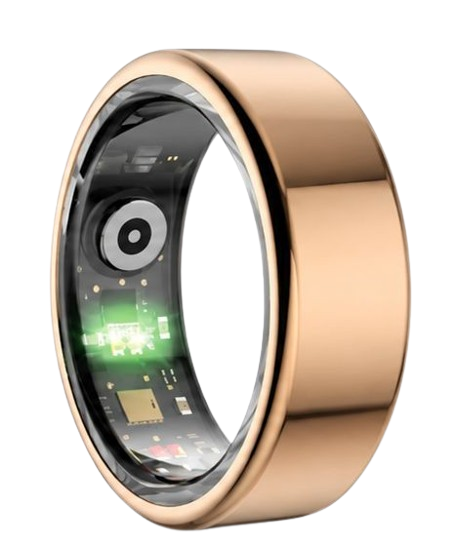
Building physical resilience is a lifetime journey that begins with understanding your body. The Herz P1 Smart Ring offers the perfect subscription-free companion to monitor your daily progress. Ready to monitor your health every day? Explore the Herz P1 Smart Ring and see if it fits your lifestyle. Call: 1-866-479-1629 — our team can help you advise on the correct ring size and set personalized health goals.
Note: Individual results may vary depending on individual health conditions, age, and lifestyle habits. This article is intended for general health reference purposes only.
