

Understanding your heart rate during deep sleep is the ultimate key to unlocking professional-grade cardiovascular recovery. The premium Herz P1 smart ring monitors your deep sleep heart rate around the clock to ensure you wake up fully recovered without relying on bulky trackers. We are excited to guide you through decoding these vital nightly cardiovascular signals.
Built to Last. Save Up to 69% Today.
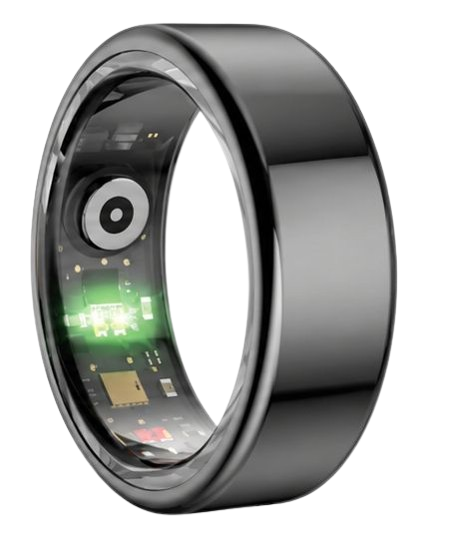
The Herz P1 Smart Ring tracks HRV, Sleep, Heart Rate & SpO2 around the clock. No subscriptions. No renewals. Ever.
In This Article
- Step-by-Step Recovery Optimization: Learn exactly how to systematically lower your nightly cardiac baseline.
- Autonomic Nervous System Science: Dive deep into how your sympathetic and parasympathetic networks dictate deep sleep patterns.
- Sleeping vs. Resting Metrics: Clear up the common confusion surrounding daily rest averages versus true nocturnal recovery.
- Practical Application Protocols: Discover how to use wearable biometrics to guide physical exercise and life choices.
- Debunking Pitfalls and Hidden Costs: Identify the tracking mistakes sabotaging your health data and budget.
How to Optimize Your Deep Sleep Heart Rate for Superior Cardiovascular Recovery
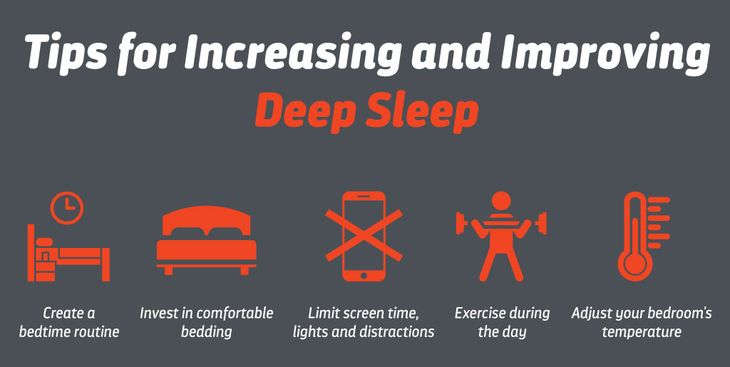
Achieving an optimal deep sleep heart rate requires a structured approach to environmental, physiological, and behavioral habits.
By actively managing your biological clock, you can facilitate deep cellular repair and ease arterial stress.
Nocturnal cardiac recovery serves as a direct window into your overall longevity and resilience against chronic stress.
Let us explore the precise sequence needed to systematically lower your cardiac load during the deepest stages of sleep.
Prerequisites / What You’ll Need
Before starting this optimization protocol, you will need a highly accurate biometric tracker capable of continuous overnight heart rate sampling.
You will also need a notebook or digital app to log late-day food intake, evening room temperatures, and morning energy levels.
Consistency is essential, so aim to implement these steps daily for at least two consecutive weeks to establish a clear biometric trend.
-
Step 1: Set a Rock-Solid Circadian Rhythm
Your body relies on consistent temporal cues to transition naturally into deep slow-wave sleep.
Go to bed and wake up at the exact same time every single day, including on weekends.
This discipline reinforces your natural melatonin production and aligns your cardiac pacemaker cells.
Within seven days, you should notice your heart rate drop to its lowest baseline earlier in the sleep cycle.
Avoid sleeping in after a late night, as this disrupts your autonomic balance for the subsequent evening. -
Step 2: Restrict Late-Day Caloric Intake
Digesting heavy meals requires significant blood flow to be diverted to your gastrointestinal tract.
This metabolic activity forces your heart to beat faster and harder, preventing a natural nocturnal drop.
Establish a strict kitchen curfew at least three full hours before your planned bedtime.
If you must eat, choose a small, easily digestible snack low in refined sugars and saturated fats.
Restricting late food allows your core temperature to decline rapidly, signaling the cardiovascular system to rest. -
Step 3: Eliminate Cognitive and Sensory Overstimulation
Exposure to blue light from screens and high-stress work emails triggers adrenaline production.
This sympathetic nervous system activation keeps your rem sleep pulse rate elevated and delays deep sleep entry.
Turn off all mobile phones, computers, and bright television screens sixty minutes before bed.
Engage in calming, low-stimulus activities like reading a physical book, meditation, or light stretching.
Dim your home lighting to replicate the natural progression of twilight and soothe your central nervous system. -
Step 4: Optimize Bedroom Thermal Dynamics
An excessively warm sleeping environment prevents your body from shedding heat efficiently.
Your cardiovascular system is forced to work harder to dissipate heat through peripheral blood vessels.
Keep your bedroom thermostat set between 60 and 67 degrees Fahrenheit (15 to 19 degrees Celsius).
Use breathable cotton sheets and sleep wear to facilitate natural thermal regulation.
A cooler core body temperature is a physical necessity for entering and remaining in deep slow-wave sleep. -
Step 5: Control Stimulant and Alcohol Windows
Caffeine blocks adenosine receptors, masking fatigue while chemically keeping your heart rate elevated.
Establish a hard cutoff for all caffeinated beverages at least ten hours before your bedtime.
Similarly, avoid utilizing alcohol as a sedative, as it severely disrupts sleep architecture.
While alcohol may cause drowsiness, its metabolism triggers autonomic rebound, raising your heart rate throughout the night.
Replacing evening alcohol with herbal chamomile tea dramatically improves slow-wave sleep consistency.
Consistently executing these five steps allows your heart to rest deeply and repair vital vascular structures.
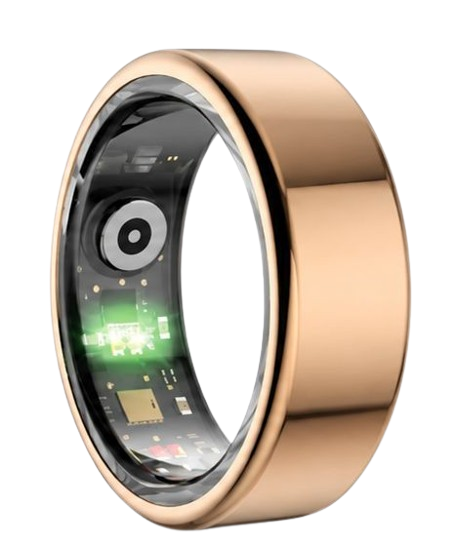
The Herz P1 smart ring supports this recovery process by tracking your heart rate, HRV, and sleep stages throughout the night.
By wearing our ring, you can view the direct impact of your lifestyle changes in our free, lifetime app.
You will receive daily wellness metrics that prove your dedication to cardiac recovery is paying off.
90-Day 100% Money-Back Guarantee
“The Herz Smart Ring helps me manage stress easily. It’s accurate, stylish, and lightweight—perfect for my busy life!”
— Jennifer P. | ✔ Verified Customer
- ✓ 6-Day Battery Life
- ✓ Detailed Sleep Analysis
- ✓ Fast 1-Hour Charging
- ✓ iOS & Android Ready
Questions? Call: 1-866-479-1629
The Science of Heart Rate in Deep Sleep and Autonomic Dominance
Your autonomic nervous system is split into two primary branches that constantly compete for control over your physiology.
The sympathetic nervous system acts as your body’s accelerator, driving up your heart rate in response to stress or physical effort.
The parasympathetic nervous system serves as the brake, encouraging relaxation, digestion, and deep physical recovery.
During the non-rapid eye movement (NREM) phase of deep sleep, your parasympathetic nervous system achieves complete dominance.
This shift allows your heart rate in deep sleep to fall to its lowest daily level, minimizing myocardial strain.
Clinical studies published by the National Sleep Foundation reveal that this drop is essential for arterial rejuvenation.
As your blood pressure drops alongside your pulse, your blood vessels experience a much-needed reprieve from continuous high pressure.
This physiological state encourages cellular repair mechanisms to mend micro-tears in arterial walls.
If your body fails to reach this parasympathetic state, your cardiovascular system remains in a high-stress, low-recovery mode.
This lack of deep rest is directly associated with chronic systemic inflammation and long-term arterial stiffening.
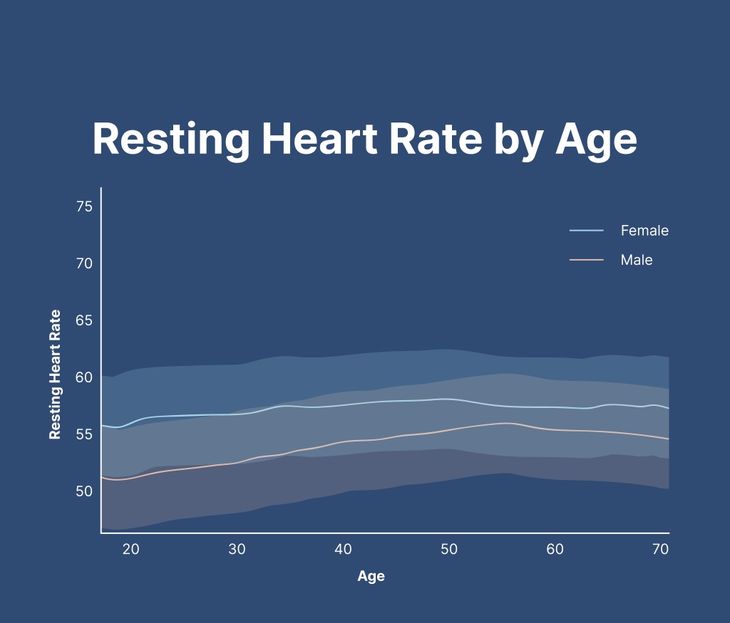
Measuring your resting heart rate when sleeping provides a direct window into this autonomic balance.
A lower sleeping pulse indicates that your heart muscle is working efficiently and enjoying deep recovery periods.
Conversely, a elevated rem sleep and heart rate profile can highlight an over-activated sympathetic nervous system.
By tracking these vital patterns every night, you can easily catch early warning signs of chronic physical or mental strain.
The Herz P1 smart ring tracks these delicate cardiac changes using precise optical sensors nestled safely around your finger.
Analyzing the Difference Between Your Sleeping and Resting Metrics
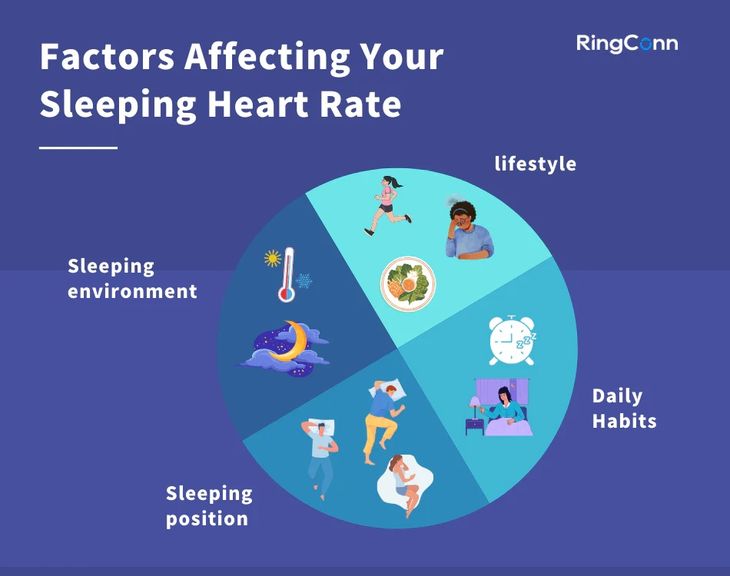
Many fitness trackers confuse users by blending resting heart rate and sleeping heart rate into a single, generic metric.
However, understanding the difference between sleeping heart rate vs resting heart rate is vital for true health optimization.
Your resting heart rate is measured when you are awake, fully conscious, but physically relaxed and inactive.
Your resting heart rate asleep, on the other hand, represents your heart’s behavior when consciousness is entirely suspended.
During deep sleep, metabolic demand drops dramatically, allowing your pulse to drop below your standard daytime resting baseline.
This distinction is highly meaningful because a high resting rate might stem from temporary stress or daytime caffeine consumption.
But a high resting pulse deep sleep level points to incomplete cardiovascular recovery and persistent physiological stress.
When your sleeping pulse remains elevated, it often indicates that your body is working too hard to repair itself overnight.
This failure to downregulate can stem from alcohol consumption, late-night eating, or intense physical training sessions.
By isolating these metrics, you can identify the exact factors that are interfering with your nightly recovery.
Our clinical testing at Team Herz P1 shows that tracking these specific trends over several weeks yields highly valuable insights.
Our smart ring isolates your overnight vitals from daytime readings to prevent external stressors from skewing your sleep data.
This level of precision ensures you receive an accurate, actionable picture of your physical recovery every morning.
With the Herz P1, you gain an honest assessment of your cardiovascular system without any monthly fees or hidden costs.
How to Track and Improve Your Deep Sleep Pulse Rate with the Herz P1 App
The free Herz P1 app turns complex physiological data into clear, simple visual progress charts.
When you wake up, you can instantly check your sleep stage timeline to see exactly how long you spent in slow-wave sleep.
You will also see your deep sleep pulse rate trends and overnight heart rate variability (HRV) curves.
This data allows you to track how your daily lifestyle habits directly influence your cardiovascular recovery.
For instance, you can easily compare your recovery metrics on days you exercised versus days you rested.
If your sleeping bpm remains high, the app will offer personalized lifestyle suggestions to help lower it.
You might try adjusting your room temperature, shifting your evening meals earlier, or trying a breathing exercise.
By tracking these changes over time, you can design a custom evening routine that maximizes your deep sleep periods.
The light, comfortable fit of the Herz P1 ring ensures you can collect this data effortlessly every single night.
Unlike heavy, bulky smartwatches, our military-grade steel ring is so light you will forget you are even wearing it.
Maintaining a low deep sleep heart rate also helps you manage your daytime exercise intensity.
If your overnight metrics show complete cardiac recovery, you can safely push your limits during workouts.
But if your metrics show signs of cardiovascular strain, it is wise to prioritize recovery with lighter activity.
This proactive approach to fitness prevents overtraining syndrome and helps reduce your risk of injury.
The Herz P1 gives you the precise insights you need to make smart, data-driven decisions about your health daily.
Common Pitfalls in Tracking Sleep Architecture and Cardiac Health
Many health-conscious individuals try to track their sleep using heavy, bulky smartwatches.
However, these large devices often cause micro-arousals during the night as they rub against your skin or catch on blankets.
These brief disruptions can pull you out of deep slow-wave sleep and artificially raise your overnight heart rate.
Furthermore, standard smartwatches often require daily charging, leaving you unable to track your sleep on those nights.
The Herz P1 avoids this pitfall entirely with its ultra-light design and impressive 6-day battery life.
Another major pitfall is the hidden financial burden of monthly app subscriptions from other wearable brands.
Many popular trackers lock your detailed sleep analysis, HRV trends, and recovery scores behind expensive paywalls.
This means you must pay an ongoing monthly fee just to access the health data your device already collected.
We believe your personal health data should belong to you completely, without any recurring charges.
The Herz P1 app is entirely free for life, ensuring you always have full access to your health metrics.
Finally, many wearable devices struggle to capture accurate readings due to loose fits or poor sensor placement.
Wrist-based sensors often slip and lose contact during the night, leading to gaps or errors in your data.
The Herz P1 solves this issue by placing its high-precision optical sensors at the base of your finger.
The blood vessels in your fingers are closer to the skin surface, allowing for much cleaner, more reliable biometric readings.
Our military-grade steel outer shell protects these sensors, ensuring accurate tracking for years to come.
Nocturnal Cardiovascular Metrics: Comparative Data Analysis
To help you understand your nightly cardiac recovery, we have compiled a table of key cardiovascular metrics.
This data outlines the standard ranges for healthy adults during different sleep stages and resting states.
Please note that individual baseline averages can vary based on your age, fitness level, and overall health.
| Nocturnal Metric | Optimal Recovery Range | Cardiovascular Significance |
|---|---|---|
| Deep Sleep Heart Rate | 40 to 60 BPM | Indicates deep parasympathetic dominance and essential vascular tissue repair. |
| REM Sleep Pulse Rate | 50 to 75 BPM | Reflects active dreaming states and brain temperature regulation. |
| Nocturnal HRV (RMSSD) | 50 to 100+ ms | Higher values show excellent autonomic flexibility and physical recovery. |
| Sleeping Blood Oxygen (SpO2) | 95% to 100% | Confirms healthy respiratory function and proper oxygenation of vital organs. |
By comparing your daily metrics against these reference ranges, you can quickly spot potential health trends.
For instance, a sudden drop in your nightly HRV combined with an elevated pulse can signal oncoming illness.
Catching these signals early allows you to adjust your activity levels, stay hydrated, and rest before you feel unwell.
The Herz P1 provides these vital insights in real-time, helping you protect your health and stay ahead of stress.
Frequently Asked Questions About Deep Sleep and Smart Rings
We have collected and answered the most common questions our team receives about sleep tracking and smart ring technology.
These clear, direct answers will help you make the most of your health tracking journey.
Is the Herz P1 smart ring waterproof?
Yes, the Herz P1 features a full IP68 waterproof rating, making it completely safe for depths up to 164 feet.
You can confidently wear it while swimming laps, taking a shower, washing your hands, or relaxing in a hot tub.
The seamless military-grade steel casing ensures water cannot penetrate and damage the internal sensors.
This durable design allows you to track your heart rate continuously through all your daily and aquatic activities.
How long does the Herz P1 battery last on a single charge?
The Herz P1 features an advanced battery that provides up to 6 days of continuous tracking on a single charge.
When it is time to recharge, simply place the ring on its magnetic charging dock for less than an hour.
This quick charging time ensures you never have to miss a night of sleep tracking due to a dead battery.
Our efficient power management system allows you to collect consistent, uninterrupted health data week after week.
Which finger is the best to wear my smart ring on?
For the highest biometric accuracy, we recommend wearing the Herz P1 on your index, middle, or ring finger.
These fingers contain larger blood vessels close to the surface, which helps our optical sensors capture clean readings.
Ensure the ring fits snugly but comfortably, without sliding around or cutting off your circulation.
A proper fit ensures the sensors maintain steady skin contact for accurate overnight heart rate tracking.
Does the Herz P1 store my health data offline?
Yes, the Herz P1 features local storage that can hold up to 7 days of detailed health data offline.
If you travel without your smartphone or turn off Bluetooth at night, your data is completely safe.
The ring will automatically sync all your stored sleep and heart rate data as soon as it reconnects to your phone.
This reliable feature ensures you never lose valuable health insights due to a temporary connection drop.
What is a normal sleeping bpm range?
A normal sleep bpm range for most healthy adults typically falls between 40 and 60 beats per minute.
Highly trained athletes may see their overnight pulse drop even lower, sometimes reaching the high 30s.
Your personal sleeping heart rate will naturally fluctuate based on your physical fitness, age, and daily lifestyle.
The most important factor is finding your unique baseline and tracking how it changes over time.
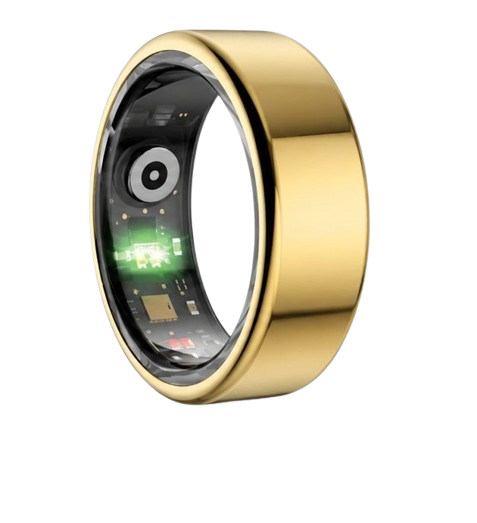
Unlock the True Potential of Your Nocturnal Cardiovascular Recovery
Tracking your nightly cardiovascular biometrics is the most effective way to optimize your daily energy and long-term health.
The Herz P1 Smart Ring offers a highly accurate, incredibly comfortable, and subscription-free way to monitor your recovery journey.
By wearing our ring, you can easily decode your heart’s vital signals and take control of your well-being.
Ready to monitor your health every day?
Explore the Herz P1 Smart Ring and see if it fits your lifestyle.
Call: 1-866-479-1629 — our team can help you advise on the correct ring size and set personalized health goals.
