

Achieving your dream body requires more than just counting calories; you must understand the complex physiological relationship between sleep and metabolism to unlock true weight loss. If you struggle with stubborn weight despite rigorous workouts, tracking your nightly recovery with the Herz P1 smart ring will reveal exactly how poor sleep architecture undermines your physical progress and stalls your metabolic rate.
Built to Last. Save Up to 69% Today.
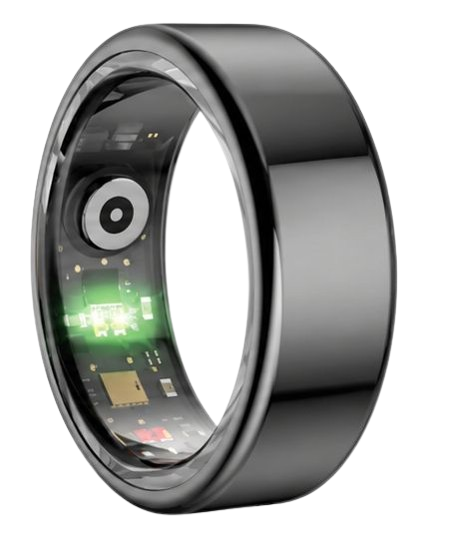
The Herz P1 Smart Ring tracks HRV, Sleep, Heart Rate & SpO2 around the clock. No subscriptions. No renewals. Ever.
In This Article
- How to Optimize Sleep: Learn a step-by-step evening routine to align your sleeping metabolism.
- The Hormonal Balance: Understand how deep sleep regulates crucial hunger hormones like leptin and ghrelin.
- Stress and Cortisol: Discover the biological link between heart rate variability (HRV) and fat storage.
- Avoiding Wearable Mistakes: See why bulky watches and expensive subscription fees hinder your progress.
How to Synchronize Sleep and Metabolism for Optimal Weight Loss: A Step-by-Step Guide
Prerequisites and Essential Conditions
Before you begin tracking, you will need a consistent sleeping window of at least seven to eight hours.
You will also need to establish a stable pre-sleep wind-down routine to prepare your body for deep recovery.
Finally, you should have access to a continuous biometric tracking tool, such as a smart ring, to monitor daily physiological trends.
-
Step 1: Determine Your Biological Sleep Need and Consistency
To optimize your sleeping metabolism, you must first establish a regular sleep schedule.
Going to bed and waking up at the exact same time every day stabilizes your master circadian clock.
This internal clock directly regulates your core endocrine system, including hormones that control daily energy expenditure.
Irregular sleeping schedules can disrupt this delicate balance, slowing your basal metabolic rate.
Aim for less than a thirty-minute variation in your sleep times throughout the week.
-
Step 2: Optimize Your Evening Nutritional Timing
Your last large meal of the day should occur at least three hours before your planned bedtime.
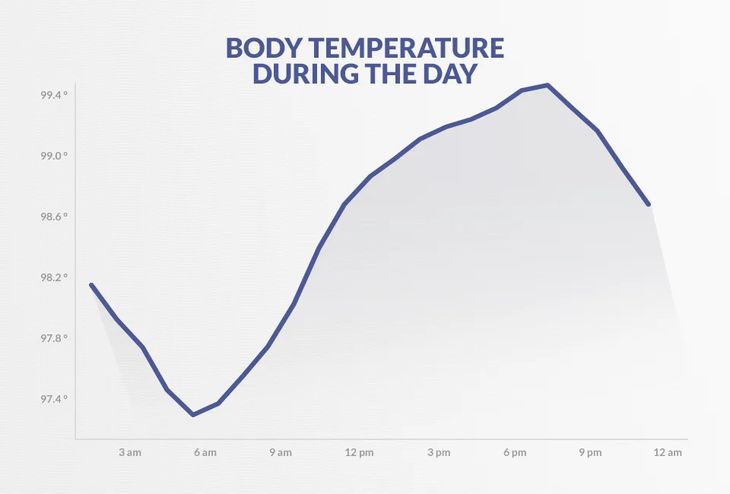
Digesting heavy meals late at night elevates your core body temperature and prevents metabolic rest.
Consuming carbs before bed can lead to elevated insulin levels, which suppresses fat oxidation while you sleep.
If you must eat late, choose small, easily digestible protein snacks that support muscle recovery sleep.
Proper nutrient timing ensures your body can focus on cellular repair and fat metabolism overnight.
-
Step 3: Track and Evaluate Your Deep Sleep Architecture
Deep slow-wave sleep is the crucial stage where human growth hormone is released to repair tissues.
You need to monitor this phase because it directly impacts insulin sensitivity and fat storage.
If your sleep tracking data shows less than ninety minutes of deep sleep, your body may struggle to regulate blood glucose.
Checking your overnight recovery score helps you determine whether your lifestyle is supporting high-quality deep sleep.
Adjust your daily physical activity if your deep sleep duration repeatedly falls below fifteen percent of your total rest.
-
Step 4: Manage Your Evening Light and Temperature Exposure
Exposure to artificial blue light from screens suppresses melatonin secretion, delaying your transition into deep sleep.
You should turn off all personal digital devices or wear blue-light blocking glasses at least sixty minutes before bed.
Keep your bedroom temperature cool, ideally between sixty-five and sixty-eight degrees Fahrenheit.
A cooler sleeping environment mimics the natural nightly drop in core body temperature, signaling your brain to rest.
Lowering environmental stress allows your cardiovascular system to enter a deep state of physiological recovery.
-
Step 5: Incorporate Strategic Fasting Windows
Experimenting with timed eating windows can dramatically improve your overnight metabolic efficiency.
Studies suggest that combining intermittent fasting and sleep quality parameters can accelerate metabolic flexibility.
When you fast overnight, your body depletes glycogen reserves and shifts toward burning stored body fat for cellular energy.
Understanding how intermittent fasting and sleep interact allows you to optimize your daily fat-burning potential.
Be careful to observe if late-night hunger wakes you up, and ask yourself does fasting help you sleep or disrupt your rest.
Enhancing Your Journey with the Herz P1 Smart Ring
The Herz P1 Smart Ring makes executing this metabolic optimization guide effortless and precise.
We engineered this sleek tracker to monitor your autonomic nervous system continuously without annoying screens or vibrations.
By reading your blood volume pulse every five minutes, the ring provides highly detailed sleep staging and daily recovery scores.
This real-time biological feedback allows you to adjust your routines and see immediate physiological improvements.
The lack of a monthly subscription ensures you own all your health data forever without hidden recurring costs.

90-Day 100% Money-Back Guarantee
“The Herz Smart Ring helps me manage stress easily. It’s accurate, stylish, and lightweight—perfect for my busy life!”
— Jennifer P. | ✔ Verified Customer
- ✓ 6-Day Battery Life
- ✓ Detailed Sleep Analysis
- ✓ Fast 1-Hour Charging
- ✓ iOS & Android Ready
Questions? Call: 1-866-479-1629
The Hormonal Symphony of Sleeping Metabolism: Leptin, Ghrelin, and Insulin Sensitivity

Lack of high-quality sleep alters the precise balance of appetite-regulating hormones in your bloodstream.
When you are sleep-deprived, your body reduces production of leptin, the hormone that signals fullness to your brain.
At the same time, your endocrine system increases levels of ghrelin, the hormone responsible for triggering intense hunger.
This hormonal imbalance explains why poor sleep often leads to strong cravings for calorie-dense carbohydrate-rich foods.
Based on medical research, a single night of restricted sleep can increase ghrelin levels by up to twenty percent.
This endocrine shift directly undermines your weight loss efforts by driving unwanted overeating behaviors.
To track these hormonal patterns, using an advanced metabolism tracker can provide key insights into your metabolic state.
Furthermore, poor sleep architecture significantly reduces your skeletal muscle insulin sensitivity.
When your cells become resistant to insulin, your body must produce more of this hormone to manage blood sugar.
Elevated insulin acts as a biochemical lock, preventing fat tissue from being broken down and burned for energy.
Over time, chronic sleep restriction can lead to a state of poor metabolic health and increase the risk of metabolic disorders.
To counteract these negative hormonal changes, prioritizing regular sleep must be your primary health focus.
Consistently achieving deep slow-wave sleep restores your insulin sensitivity and balances appetite hormones naturally.
By monitoring your nightly sleep cycles, you can ensure your body remains in an optimal fat-burning state during the day.
Why High Cortisol and Low HRV Stifle Your Fat-Burning Potential
Chronic psychological stress and poor physical recovery trigger a sustained release of the catabolic hormone cortisol.
Elevated cortisol levels signal your body to conserve energy and store visceral fat around your abdomen.
This survival mechanism directly slows down your basal metabolic rate and makes weight loss extremely difficult.
To understand how sleep affects metabolism, you must analyze your heart rate variability, or HRV.
Your HRV is a direct measure of the time variation between consecutive heartbeats, regulated by your autonomic nervous system.
A high HRV indicates that your parasympathetic nervous system is active, meaning your body is relaxed and recovering.
Conversely, a low HRV score reveals that your sympathetic nervous system is dominated by stress, blocking fat metabolism.
By tracking these subtle shifts, you can determine if your lifestyle is supporting active fat loss or promoting stress-induced fat storage.
Optical sensor technology, specifically photoplethysmography (PPG), allows modern wearables to read these metrics through your skin.
We designed the Herz P1 to use high-precision multi-wavelength optical sensors to capture your blood flow patterns at the finger base.
This allows us to track your heart rate, HRV, and blood oxygen saturation (SpO2) with medical-grade accuracy.
Understanding your body’s stress trends helps you decide when to push hard or when to focus on restorative rest.
If your overnight HRV remains depressed, your body is telling you that it has not fully recovered from yesterday’s stress.
Forcing intense workouts during these low-recovery periods will only elevate cortisol further and stall your metabolic progress.
Combining proper rest with calculated strength training for metabolism can help you rebuild a highly resilient metabolic system.
Practical Guide: Using Biometric Insights to Fuel Your Metabolism
Using your biometric data to guide your daily routine is the secret to sustainable long-term weight loss.
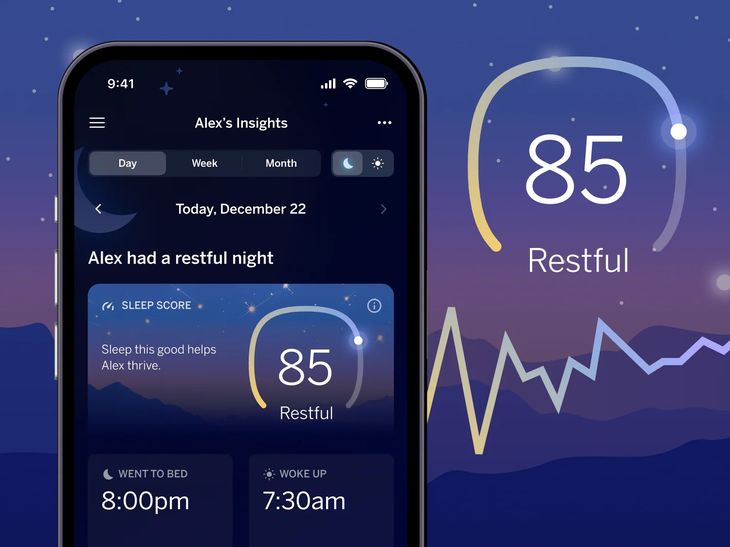
When you open your Herz P1 App, start by checking your comprehensive Sleep Score and your overnight HRV trends.
A high Sleep Score indicates that your body successfully completed multiple REM and deep sleep cycles.
You can use this positive reading as a green light to perform high-intensity physical training or difficult mental tasks.
If your Sleep Score is low, consider reducing your training intensity to focus on active recovery instead.
Sustaining this smart adjustment prevents chronic exhaustion and keeps your cortisol levels within a healthy range.
Wearing your Herz P1 Smart Ring around the clock is incredibly comfortable due to its ultralight, finger-contouring shape.
Unlike bulky smartwatches that pinch your wrist, this lightweight ring feels like a natural part of your body during sleep.
Continuous twenty-four-seven wear ensures the algorithm receives a constant stream of high-quality physiological data.
This seamless tracking allows the system to build an accurate personal baseline of your unique biological rhythms.
Over time, you will learn exactly how different foods, exercises, and habits affect your sleep quality and metabolic health.
Overcoming Tracking Obstacles and Avoiding Common Wearable Mistakes
One of the most common mistakes wellness enthusiasts make is wearing heavy smartwatches to bed.
These bulky devices often shift during the night, leading to inaccurate sensor readings and disrupted sleep.
The constant screen notifications can also wake you up, ruining your deep sleep architecture.
Switching to a sleek, lightweight smart ring solves these comfort and accuracy issues completely.
Another major pitfall in the wearable market is the hidden financial burden of ongoing monthly app subscriptions.
Many popular brands require you to pay a high recurring fee just to view your own biological data.
We believe you should never have to rent your health data from a technology company.
The Herz P1 App is completely free for life, providing full access to all advanced biometric analyses without monthly fees.
Our military-grade steel construction ensures your device remains protected from scratches, drops, and daily wear.
The highly durable material stands up to the toughest workouts and demanding daily environments.
With an IP68 waterproof rating, you never have to remove the ring while washing your hands, showering, or swimming.
This level of durability guarantees that your tracking remains uninterrupted, giving you the most complete data possible.
Frequently Asked Questions About Sleep and Metabolism
Is the Herz P1 Smart Ring fully waterproof?
Yes, the Herz P1 features a certified IP68 waterproof rating.
This advanced engineering standard means the ring is fully protected against dust and continuous water immersion.
Our hardware team tested the device to withstand water depths up to one hundred and sixty-four feet.
You can confidently wear the ring while washing hands, taking hot showers, swimming laps, or even diving.
The seamless outer shell prevents water from entering and damaging the sensitive optical sensors inside.
We use a specialized medical-grade protective resin to seal all internal electronic components.
This guarantees that sweat, salt water, and pool chemicals will not corrode the military-grade steel body.
You never have to experience the inconvenience of removing your tracker before getting wet.
Enjoy your active lifestyle without worrying about water damage ruining your health-tracking companion.
How long does the battery last, and how do I charge it?
The Herz P1 features an exceptionally long battery life of up to six days on a single charge.
This allows you to track your biometrics continuously without the annoyance of daily charging.
Our custom low-power sensor algorithm optimizes battery consumption while maintaining constant, highly accurate data tracking.
When the battery is low, simply place the ring on the included magnetic charging dock.
The device charges from zero to one hundred percent in under one hour.
We recommend charging the ring during brief daily activities like showering or preparing meals.
This simple habit ensures your ring never runs out of power during critical sleep-tracking hours.
The fast-charging capability means you spend less time waiting and more time gathering actionable health insights.
Experience the freedom of long-lasting battery performance designed to keep up with your busy schedule.
Which finger is best to wear the Herz P1 Smart Ring on?
For the most accurate biometric readings, we recommend wearing the Herz P1 on your index finger.
The index finger contains a high density of superficial blood vessels, which allows our optical sensors to read your pulse easily.
If you prefer another option, the middle or ring finger of your non-dominant hand also provides excellent results.
The non-dominant hand is ideal because it experiences less friction and impact during daily physical tasks.
Avoid wearing the ring on your thumb or pinky, as these fingers have different blood flow patterns that can affect accuracy.
Ensure the ring fits snugly but comfortably without rotating too easily on your chosen finger.
Your finger size naturally fluctuates throughout the day due to temperature and hydration changes.
The ring should feel secure enough to stay in place but easy to remove when necessary.
Our complimentary sizing kit helps you select the perfect size for optimal comfort and tracking performance.
Does the Herz P1 store data offline when my phone is away?
Yes, the Herz P1 has robust onboard storage that saves your biological data offline.
The ring can store up to seven days of highly detailed biometric data directly on its internal memory chip.
This means you do not need to keep your smartphone nearby or leave your Bluetooth on constantly.
You can sleep, exercise, or travel without your phone, knowing your data is completely secure.
Once your ring reconnects to the Herz P1 App via Bluetooth, all stored data syncs automatically in seconds.
This offline storage capability prevents any data gaps and ensures your daily health trends remain accurate and complete.
It is the perfect solution for users who prefer to limit evening screen exposure and sleep phone-free.
Your privacy and convenience are always our top design priorities.
Optimizing Your Path to Lasting Health
The deep relationship between sleep and metabolism is the key to unlocking your natural weight loss potential.
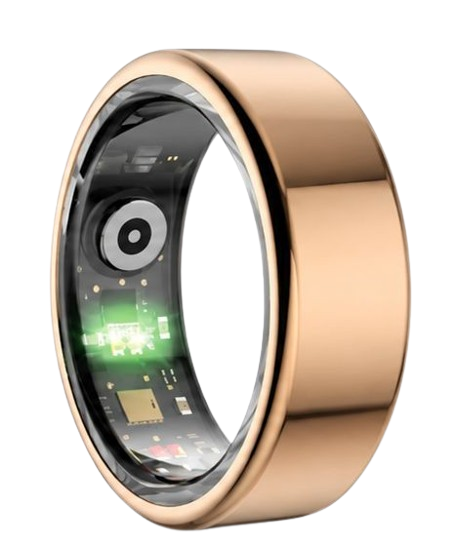
By using the Herz P1 Smart Ring to monitor your nightly recovery, you can make data-informed lifestyle adjustments that accelerate your progress.
Ready to monitor your health every day? Explore the Herz P1 Smart Ring and see if it fits your lifestyle.
Call: 1-866-479-1629 — our team can help you advise on the correct ring size and set personalized health goals.
