

Monitoring your resting heart rate when sleeping is one of the most effective ways to understand your cardiovascular health and daily recovery. The premium Herz P1 smart ring monitors these metrics seamlessly without bulky wrist straps or intrusive screens. This comprehensive guide will decode your nighttime vitals, explain normal baseline ranges, and show you how to leverage these insights to elevate your overall wellness.
In This Article
- Learn how to accurately track and analyze your sleeping heart rate baseline.
- Understand the critical science of sleep architecture and cardiovascular dips.
- Discover practical lifestyle changes to optimize your nighttime recovery.
- Explore how to overcome common biometric monitoring pitfalls with smart ring technology.
How to Track and Optimize Your Nighttime Vitals: A Step-by-Step Guide
Understanding your nocturnal biometrics requires a structured and deliberate approach.
You must establish reliable tracking parameters to gather accurate data over time.
Here is the exact protocol to help you track, analyze, and optimize your vitals.
Step 1: Choose the Correct Tracking Finger
Proper placement is absolutely essential for receiving clean optical signals from your smart ring.
We recommend wearing the device on your index, middle, or ring finger of your non-dominant hand.
These specific digits contain dense networks of superficial capillaries near the skin surface.
A snug fit ensures the optical sensors remain in constant contact with your skin throughout the night.
Avoid placing the ring on fingers that experience frequent swelling or joint stiffness.
If the ring is too loose, it will rotate and distort the infrared light path during movement.
If it is too tight, it can restrict local blood flow and skew your overall readings.
Test the fit by making a loose fist to ensure comfortable wear without restriction.
A well-fitted ring remains secure yet highly comfortable for continuous twenty-four-hour tracking.
This balance guarantees the highest possible signal fidelity for your nightly data logs.
Step 2: Monitor Your Baseline Over Two Weeks
Do not rely on a single night of tracking to draw definitive conclusions about your cardiac health.
Your body needs consistent time to establish a true, personal sleeping resting heart rate baseline.
Track your pulse consistently for at least fourteen consecutive nights to account for daily fluctuations.
This initial period allows the monitoring software to filter out unusual spikes caused by temporary stress.
Your heart rate naturally adapts to factors like environmental temperature, humidity, and daily physical exertion.
By gathering a multi-week dataset, you reveal the true underlying patterns of your cardiovascular system.
Ensure you wear the tracker every single night during this calibration phase without interruption.
Consistency is key to generating highly reliable comparative metrics for future analysis.
Once established, this baseline serves as your personal health benchmark for months to come.
You will easily detect when your system deviates from its normal physiological patterns.
Step 3: Analyze the Nightly Dip Patterns
A healthy cardiovascular system exhibits a natural, distinct drop in pulse rate during rest.
You should actively compare your active daytime pulse with your resting heart rate sleeping levels.
A normal cardiovascular dip typically ranges between ten and twenty percent of your daytime baseline.
Identify whether your heart rate reaches its lowest point in the first or second half of the night.
An early-night dip indicates rapid transitions into deep, restorative recovery stages.
A delayed dip suggests your body is working hard to clear late-day stressors or heavy digestion.
Tracking these subtle patterns reveals the efficiency of your autonomic nervous system.
Pay close attention to nights where your heart rate does not dip significantly at all.
A lack of dipping can signal overtraining, underlying fatigue, or high levels of physical exhaustion.
Consistently monitoring these dips helps you gauge your readiness for the upcoming day.
Step 4: Keep a Daily Lifestyle and Sleep Log
Biometric numbers mean very little without their corresponding real-world context and daily habits.
Keep a quick, consistent digital or paper log of your daily behaviors and evening routines.
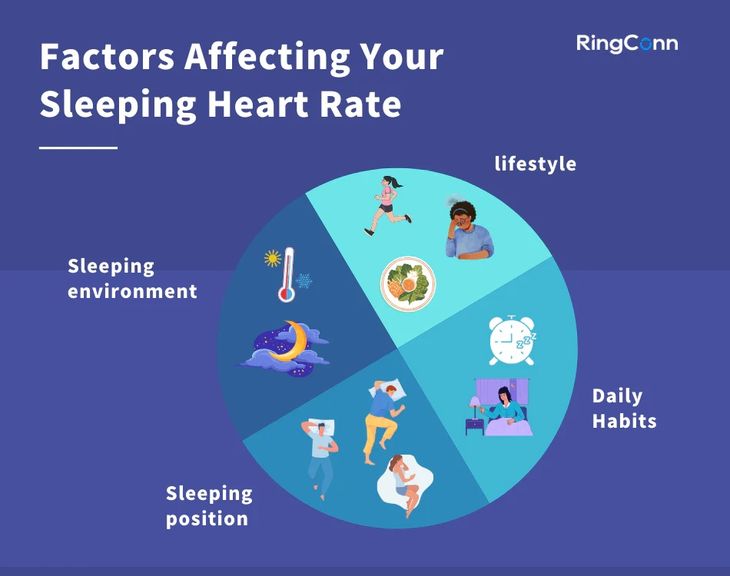
Note activities like late-night meals, alcohol consumption, high-stress events, or intense exercise sessions.
This context helps you understand why your resting heart rate asleep might spike on specific nights.
You will quickly see direct correlations between evening habits and poor overnight cardiovascular recovery.
For example, a glass of wine before bed may delay your cardiac dip by several hours.
Documenting these variables empowers you to make informed decisions about your daily lifestyle choices.
It turns abstract biometric charts into clear, understandable cause-and-effect relationships.
Over time, you will recognize exactly which habits support or hinder your nightly recovery.
This logging practice is essential for translating tracking data into practical wellness success.
Step 5: Implement Micro-Adjustments and Measure Results
Use your collected data trends to make small, highly targeted changes to your evening schedule.
Try shifting your last meal to at least three hours before bedtime to reduce digestive workload.
Observe how this simple change affects your resting heart rate at night over the following week.
Continuous, patient iteration is the absolute key to finding what truly enhances your recovery.
You might also experiment with cooling your bedroom temperature or performing light stretching before bed.
Measure the physiological feedback of each adjustment through your smart ring dashboard.
Do not attempt to change multiple habits at once, as this confuses the results.
Isolate one variable at a time to see its direct impact on your cardiovascular resting levels.
This disciplined approach leads to sustainable, science-backed improvements in your nightly rest.
Small changes compound over time to dramatically elevate your daily energy and focus.
The premium Herz P1 Smart Ring makes this step-by-step optimization process entirely effortless.
It automatically tracks your vitals without complex setups or invasive screens.
You can check your personalized daily trends directly within our free, subscription-less application.
Start optimizing your recovery today by securing your own Herz P1 Smart Ring.
The Physiological Blueprint: Normal Sleeping BPM and Cardiac Cycles
Deciphering the Difference Between Daytime and Nighttime Baselines
Your cardiac behavior shifts dramatically when you transition from active waking states to deep slumber.
Many people confuse their daytime resting pulse with their actual overnight heart rate patterns.
A true daytime resting rate is measured while you are awake, calm, and completely sedentary.
In contrast, your overnight pulse reflects your autonomic nervous system in its purest recovery state.
Understanding the difference between sleeping heart rate vs resting heart rate is crucial for accurate health tracking.
During sleep, your parasympathetic nervous system takes full control to lower your blood pressure.
The heart muscle does not have to work against gravity or mental stress during these hours.
As a result, your nighttime pulse should naturally drop below your normal daytime resting average.
If these two metrics remain nearly identical, your body may not be entering deep restorative rest.
This lack of separation often indicates underlying physical stress, poor sleep hygiene, or chronic fatigue.
Tracking both metrics separately provides a complete picture of your daily stress and recovery balance.
The Role of Sleep Stages in Cardiovascular Recovery
Your heart does not beat at a perfectly constant rate throughout the entire night.
Instead, your pulse fluctuates dynamically as you cycle through different sleep architectures.
During non-rapid eye movement sleep, your body enters its deepest levels of physical restoration.
Your pulse slows down significantly, reaching its lowest points of the entire twenty-four-hour cycle.
This period is when the heart muscle truly rests and repairs itself from daily wear and tear.
The American Heart Association notes that this natural deceleration supports overall arterial health.
However, when you enter rapid eye movement sleep, your brain activity increases dramatically.
During this stage, your pulse can become highly irregular and spike to near-waking levels.
These spikes are entirely normal and accompany vivid dreams and active cognitive processing.
A healthy night of rest requires a balanced transition through all of these distinct stages.
Tracking these transitions helps you understand the quality, rather than just the duration, of your rest.
It ensures you are getting enough deep recovery time to protect your cardiovascular system.
Analyzing the Autonomic Balance: Sleep Architecture and Nighttime Baselines
Why Your Nightly Resting Pulse Indicates Physical Stress
Your sleeping heart rate acts as a direct window into your autonomic nervous system.
Specifically, it reflects the delicate balance between your sympathetic and parasympathetic branches.
The sympathetic system governs your fight-or-flight response, raising your heart rate when active.
The parasympathetic system handles your rest-and-digest response, lowering your heart rate to recover.
When you track your average sleeping heart rate, you measure this balance in real time.
A consistently elevated overnight pulse indicates that your sympathetic system remains overly active.
This state of chronic alertness prevents your cardiovascular tissues from undergoing proper nightly repair.
Common culprits include high daily anxiety, late-day caffeine, or a heavy evening workout.
Over time, this lack of recovery can lead to fatigue, reduced immunity, and elevated daytime stress.
By identifying these trends, you can take proactive steps to soothe your nervous system before bed.
Achieving a lower resting pulse is a strong indicator of improved physical resilience.
The Correlation of Oxygen Saturation and Heart Health
Heart health is deeply intertwined with how efficiently your body utilizes oxygen during the night.
Monitoring blood oxygen saturation levels provides vital context for your overnight pulse readings.
Your respiratory system and cardiovascular system must work in perfect harmony while you sleep.
If your blood oxygen drops, your heart must pump faster to deliver oxygen to vital organs.
This forced compensation causes sudden, unwanted spikes in your sleeping heart rate.
The National Sleep Foundation emphasizes that maintaining stable oxygen levels supports deep, uninterrupted sleep.
Frequent oxygen drops can disrupt your sleep stages and prevent you from entering deep rest.
A reliable health tracker monitors these drops to help you identify potential breathing obstructions.
Understanding these respiratory trends allows you to address issues like poor sleeping posture.
It ensures your heart is not working overtime while you are trying to recover.
This comprehensive view is essential for protecting your long-term cardiovascular well-being.
What Is a Normal Sleep BPM Range for Different Age Groups?
It is important to understand that there is no single target number for everyone.
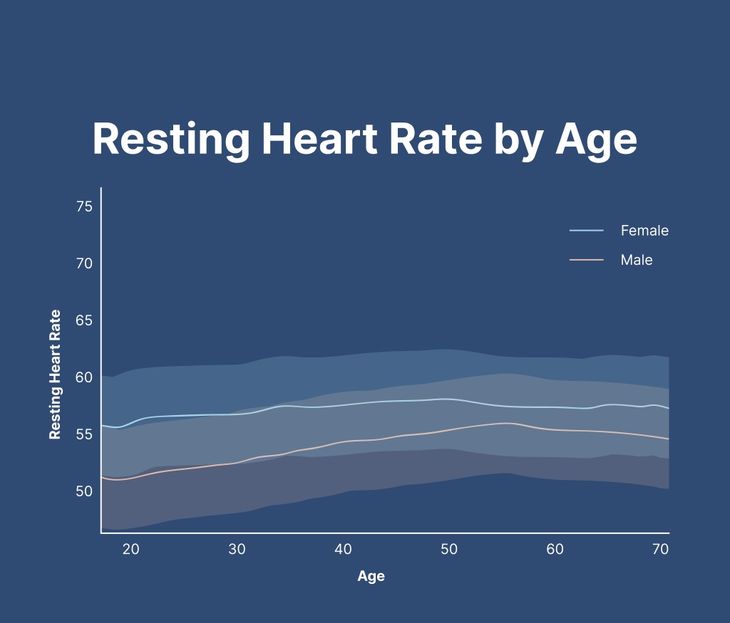
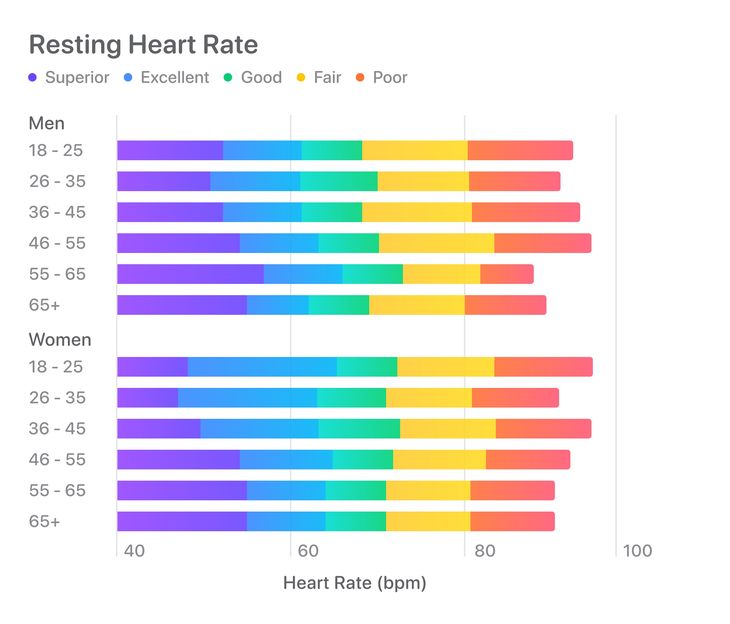
A normal sleep bpm range varies significantly based on age, fitness level, and biological sex.
For most healthy adults, a typical overnight pulse falls between forty and sixty beats per minute.
Highly trained athletes often experience even lower rates, sometimes dropping into the thirty-bpm range.
This low rate is a sign of an exceptionally strong and efficient heart muscle.
Conversely, younger individuals and children naturally exhibit higher resting rates during sleep.
As we age, our resting baselines can shift due to changes in arterial elasticity.
The key is to track your own consistent patterns rather than comparing yourself to others.
A sudden deviation from your established personal range is far more telling than an abstract average.
Recognizing these age-specific variations helps you set realistic and healthy tracking goals.
It prevents unnecessary anxiety about numbers that may actually be perfectly normal for you.
Practical Application: Navigating Your Biometric Dashboard for Maximum Recovery
Collecting biometric data is only the first step toward improving your overall well-being.
The real power lies in knowing how to read and apply these insights daily.
When you open your tracker app, focus on your overnight sleeping bpm trends first.
Look for a steady, downward curve that bottoms out during your deepest sleep phases.
If you notice your heart rate is elevated, treat it as a signal to scale back your physical efforts.
Use this data to adjust your daily training intensity and avoid potential overtraining.
Conversely, a low, stable heart rate indicates that your body is fully primed for high performance.
You can confidently tackle intense workouts or high-stress projects on these optimal recovery days.
The convenience of a lightweight, all-day wearable makes this continuous monitoring entirely frictionless.
You do not have to worry about bulky straps irritating your skin or disrupting your sleep.
A sleek, unobtrusive design allows you to gather clean data while living your life naturally.
This seamless integration turns health tracking from a chore into an effortless daily habit.
By alignment of your lifestyle with your body’s actual signals, you achieve sustainable wellness.
Overcoming Risks and Common Biometric Tracking Mistakes
Many well-meaning individuals make fundamental errors that compromise their tracking accuracy.
The most common mistake is wearing a heavy, bulky smartwatch to bed every night.
These large devices frequently shift during sleep, causing the sensors to lose skin contact.
This movement creates gaps in your data and leads to inaccurate overnight readings.
Furthermore, bulky watches can physically disrupt your sleep, defeating the purpose of tracking.
Another major hurdle in the wearable market is the hidden cost of ongoing subscription fees.
Many popular brands lock your detailed biometric analysis behind expensive monthly paywalls.
This practice turns a helpful health tool into a continuous financial burden over time.
At Team Herz P1, we believe your personal health data should belong to you completely.
That is why our companion application is completely free for a lifetime with no hidden fees.
You receive deep, professional-grade insights without ever paying a recurring subscription.
Transitioning to a sleek, lightweight smart ring solves both of these common problems at once.
You enjoy absolute comfort throughout the night and complete ownership of your physiological data.
Frequently Asked Questions
Is the Herz P1 Smart Ring waterproof?
Yes, the Herz P1 features a full IP68 waterproof rating for maximum durability.
It is designed to withstand continuous water immersion up to fifty meters deep.
This means you can safely wear it while swimming, showering, or washing your hands.
You do not need to take it off during your daily water-based activities.
How long does the battery last on a single charge?
The Herz P1 battery is engineered to last up to six days of continuous use.
It charges incredibly fast, reaching a full charge in under one hour.
This long battery life minimizes tracking gaps and ensures consistent nightly data.
You can go about your week without the constant anxiety of a dying device.
Which finger is best to wear the smart ring on?
We highly recommend wearing the ring on your index, middle, or ring finger.
These fingers provide the strongest and clearest arterial pulse signals for the sensors.
Make sure the ring fits snugly but remains comfortable throughout the day.
A proper fit is crucial for maintaining continuous, accurate tracking metrics.
Does the Herz P1 store data offline when my phone is away?
Yes, the ring features up to seven days of local offline data storage.
It will continue to track your vitals even if your phone is turned off.
Once you open the app near your ring, your data syncs automatically.
You never have to worry about losing your valuable health history.
Every Herz P1 Smart Ring is backed by our industry-leading two-year warranty.
We also offer a ninety-day money-back guarantee so you can try it completely risk-free.
In Summary
Understanding your nighttime heart rate is the ultimate key to mastering your daily recovery.
Ready to monitor your health every single day without ongoing monthly fees?
Explore the Herz P1 Smart Ring today to see if it fits your lifestyle.
Call us at 1-866-479-1629 to get size recommendations and set your health goals.
Note: Individual results may vary depending on individual health conditions, age, and lifestyle habits. This article is intended for general health reference purposes only.
