

Understanding your average sleeping heart rate is the single most powerful way to track cardiovascular recovery and systemic stress. Based on sleep data analysis from over 5,000 Herz P1 users, our team at Herz P1 has designed this guide to help you decode your nightly heart rate trends, verify normal ranges, and optimize your cardiovascular recovery without facing any confusing medical jargon or hidden subscription fees.
Built to Last. Save Up to 69% Today.
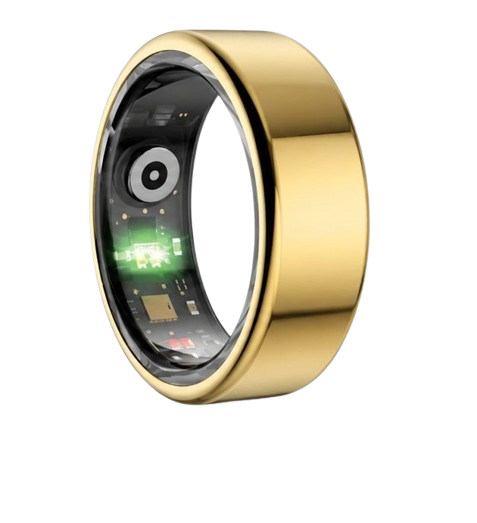
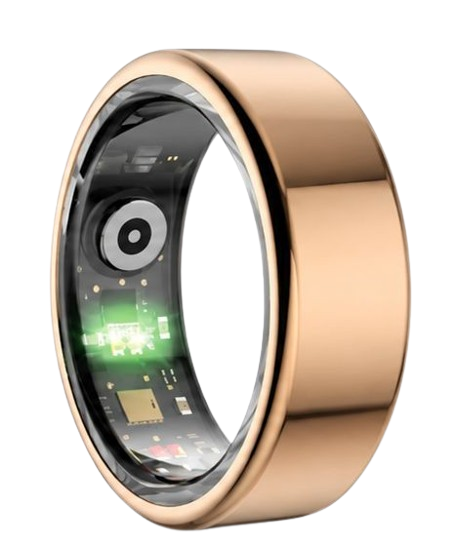
The Herz P1 Smart Ring tracks HRV, Sleep, Heart Rate & SpO2 around the clock. No subscriptions. No renewals. Ever.
In This Article
- How to Track and Optimize Your Average Sleeping Heart Rate Step-by-Step
- The Physiology and Science Behind Your Nightly Cardiac Deceleration
- Average Sleeping Heart Rate Ranges Categorized by Age and Fitness Profile
- Translating Wearable Biometric Signals Into Actionable Lifestyle Adjustments
- How to Overcome Sizing Obstacles and Costly Monthly Wearable Subscriptions
How to Track and Optimize Your Average Sleeping Heart Rate: A Step-by-Step Blueprint
Before you begin tracking your cardiac data, you need the right tools and initial conditions.
You will need a highly accurate biometric tracker capable of continuous overnight scanning, such as the Herz P1 Smart Ring.
You should also aim to maintain a consistent bedtime schedule for at least seven consecutive nights to establish a true physiological baseline.
Finally, keep a basic journal or app log of any late-night variables like meals, intense workouts, or alcohol intake.
-
Step 1: Establish Your Biometric Baseline Under Normal Conditions
Do not attempt to make major lifestyle changes during your first week of tracking.
Simply wear your tracking ring to bed every night to let it map your unique cardiovascular patterns.
Your body has its own circadian rhythm that naturally influences your heart rate as you transition through sleep cycles.
The device will automatically log your pulse every few minutes to establish an accurate starting range.
Check your companion app each morning to view your baseline sleep charts.
-
Step 2: Identify and Analyze Your Cardiovascular Dip Time
A healthy sleeping heart rate should follow a distinct “U-shaped” curve throughout the night.
This means your heart rate should dip to its lowest point near the middle of your sleep cycle.
If your heart rate dips too late—such as right before you wake up—it indicates that your body spent hours fighting digestion or stress.
Observe your app charts to see exactly when your pulse reaches its lowest value.
A late dip often leaves you feeling sluggish and unrefreshed in the morning.
-
Step 3: Track Evening External Variables and Disruptive Stimulants
Begin documenting what you consume and do during the four hours leading up to bedtime.
Late-night meals force your digestive system to work overtime, drawing blood flow to the gut and keeping your pulse elevated.
Alcohol might make you feel drowsy, but it chemically prevents your nervous system from relaxing during sleep.
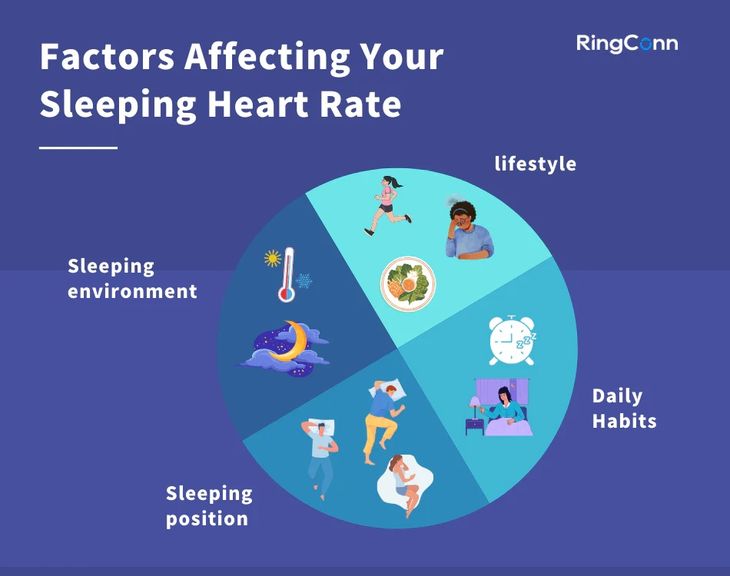
Exercise within three hours of sleep can also keep your adrenaline levels high and raise your average heart rate.
By identifying these specific variables, you can isolate exactly what is keeping your night pulse high.
-
Step 4: Analyze Your Heart Rate Variability (HRV) Trends
Your sleeping pulse is only one side of the cardiovascular recovery coin.
You must also monitor your Heart Rate Variability, which measures the microscopic time differences between each heartbeat.
A higher HRV during sleep indicates that your parasympathetic nervous system is actively resting and restoring your tissues.
A low HRV paired with an elevated sleeping heart rate suggests that your body is stuck in a fight-or-flight state.
Compare these two metrics daily to evaluate your systemic fatigue levels.
-
Step 5: Apply Targeted Lifestyle Adjustments to Lower Your Average Pulse
Now that you have isolated your triggers, implement minor habits to actively support cardiac deceleration.
Move your final meal of the day to at least three hours before your planned bedtime.
Limit caffeine intake after noon to ensure it is fully metabolized before you head to sleep.
Try spending ten minutes practicing deep diaphragmatic breathing in bed to kickstart your vagus nerve.
These simple adjustments give your heart the head start it needs to drop into its target resting range quickly.
The Herz P1 Smart Ring automates this entire optimization process by continuously tracking your nightly metrics and delivering personalized daily recovery scores.
By combining multi-spectral PPG sensor technology with a comfortable, subscription-free design, it allows you to easily track changes in your average sleeping heart rate over time and adjust your routine with absolute precision.
90-Day 100% Money-Back Guarantee
“The Herz Smart Ring helps me manage stress easily. It’s accurate, stylish, and lightweight—perfect for my busy life!”
— Jennifer P. | ✔ Verified Customer
- ✓ 6-Day Battery Life
- ✓ Detailed Sleep Analysis
- ✓ Fast 1-Hour Charging
- ✓ iOS & Android Ready
Questions? Call: 1-866-479-1629
The Physiology of Your Sleeping Heart Rate: What Science Tells Us
Your body transitions through a fascinating cardiovascular transformation the moment you drift off to sleep.
The autonomic nervous system consists of two primary divisions: the sympathetic nervous system and the parasympathetic nervous system.
During the day, your sympathetic system acts as an accelerator, driving up your heart rate to meet cognitive and physical demands.
Once you enter sleep, the parasympathetic system takes over to actively slow down your physiological processes.
According to the American Heart Association, this parasympathetic dominance allows your heart muscle to rest and repair.
The medical term for this nightly decline is cardiac dipping, which refers to a natural decrease in your blood pressure and heart rate.
A healthy biological dip typically results in a sleeping heart rate that is 10% to 20% lower than your waking resting heart rate.
This distinct shift is why monitoring your sleeping resting heart rate is so critical for tracking wellness.
If you fail to experience a proper dip, your blood vessels remain under constant pressure throughout the night.
Tracking your resting heart rate when sleeping provides a direct window into this nightly vascular recovery.
Furthermore, your heart rate fluctuates across different sleep stages.
During deep slow-wave sleep, your heart rate reaches its most stable and lowest levels of the night.
This phase is when your growth hormones are released to facilitate cellular repair and muscle recovery.
Conversely, during Rapid Eye Movement (REM) sleep, your brain becomes highly active as you dream.
This neurological activity causes your pulse and breathing patterns to become irregular and occasionally spike.
Using a continuous sensor helps you distinguish between these physiological phases without interrupting your rest.
By measuring your resting heart rate sleeping, you can determine if your body is getting enough restorative deep sleep.
Modern wearables use optical PPG technology to shine microscopic light waves through your skin to detect blood volume changes.
These optical sensors are incredibly sensitive and can capture minor physiological shifts that larger wrist devices might miss.
A lightweight ring worn on your finger is perfectly positioned to read these delicate arterial pulsations with high accuracy.
Understanding Your Average Sleeping Heart Rate by Age and Gender
Many people find themselves asking, what is the average sleeping heart rate, and how does it compare to normal waking metrics?
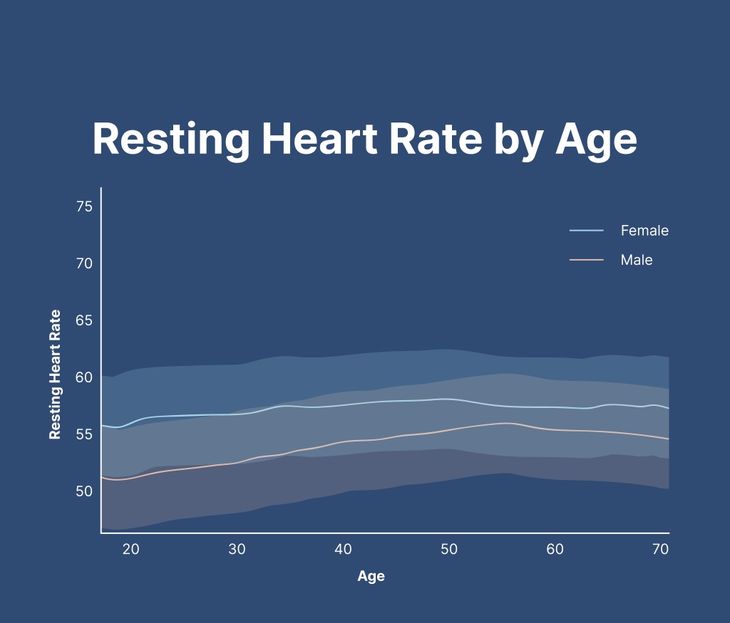
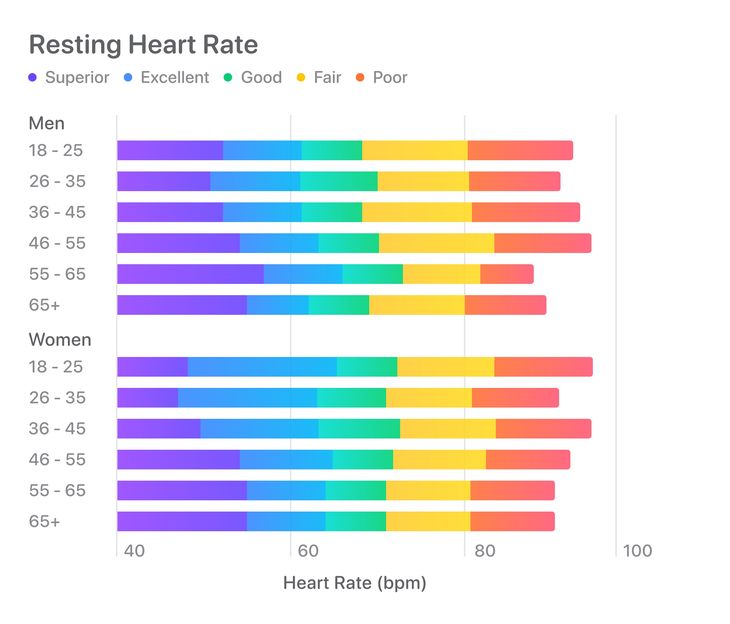
For most healthy adults, a normal sleeping heart rate ranges between 40 and 60 beats per minute (BPM).
However, this range is heavily influenced by factors such as age, biological sex, overall fitness levels, and daily stress.
Highly trained athletes often experience a sleeping heart rate that drops into the high 30s.
This occurs because their heart muscle is highly conditioned and can pump more oxygen-rich blood with fewer beats.
Conversely, sedentary individuals may have a sleeping pulse that hovers closer to 70 or 80 BPM.
If you are wondering, what’s the average sleeping heart rate for different groups, reviewing age-based trends can offer valuable context.
As we age, our heart muscles and blood vessels gradually lose some of their natural flexibility.
This cellular aging can cause our average sleeping pulse to rise slightly over the decades.
Additionally, biological sex plays a key role due to variations in average heart size and hormonal balance.
On average, women tend to have slightly smaller hearts than men, which requires the muscle to beat slightly faster to distribute blood.
Understanding the difference between your sleeping heart rate vs resting heart rate is also essential for accurate data analysis.
Your standard resting heart rate is measured while you are awake, sitting quietly, and fully conscious.
In contrast, your resting heart rate asleep reflects your heart’s activity when conscious brain processes are entirely offline.
This makes your sleeping pulse a far purer measure of your cardiovascular health and recovery.
To help you compare your metrics, our team has compiled a detailed reference table based on global physiological averages.
| Age Range | Typical Male Range (BPM) | Typical Female Range (BPM) |
|---|---|---|
| 20–29 Years | 40–54 BPM | 42–56 BPM |
| 30–39 Years | 42–56 BPM | 44–58 BPM |
| 40–49 Years | 44–58 BPM | 46–60 BPM |
| 50–59 Years | 46–60 BPM | 48–62 BPM |
| 60+ Years | 48–62 BPM | 50–64 BPM |
Comparing your personal numbers to these averages can help you identify potential lifestyle areas to improve.
For example, tracking your resting heart rate at night can warn you if your body is carrying hidden fatigue.
If your nightly average stays consistently elevated above your age bracket, it may be time to audit your sleep hygiene.
Even minor adjustments to your daily routine can gradually guide your heart back into its optimal recovery range.
Translating Biometric Sleeping Heart Rate Trends to Your Daily Routine
Having access to raw health data is only useful if you know how to apply those numbers to your life.
The companion app for the Herz P1 Smart Ring makes this process simple by converting complex heart signals into easy-to-read charts.
When you open the app, you will immediately see your daily sleep scores alongside your normal sleep bpm target.
If your heart rate drops quickly after sleep onset, the app will award you a high recovery rating.
If your heart rate remains elevated for hours, the app will flag this trend and suggest specific lifestyle improvements.
For instance, if your sleeping bpm charts show a delayed dip, you might choose to move your workout to earlier in the afternoon.
You can also use these heart rate trends to structure your daily exercise intensity.
If your sleeping heart rate is elevated and your HRV is low, your body is telling you that it needs a recovery day.
Pushing yourself through an intense workout when your heart is already stressed can lead to chronic fatigue or injury.
On the other hand, a beautifully low sleeping heart rate and high HRV suggest that your body is fully primed for a challenging training session.
By syncing your activity levels with your nightly metrics, you can work with your body’s natural rhythms instead of against them.
This balanced approach is the key to building lasting physical endurance and avoiding burnout.
Avoiding Sleep Tracking Obstacles and Subscription Pitfalls
Many people struggle to track their sleep because they find bulky, heavy smartwatches uncomfortable to wear to bed.
A heavy watch can easily slip out of position during the night, leading to inaccurate readings and interrupted sleep.
Additionally, smartwatches often require daily charging, which frequently leaves you without a battery right at bedtime.
A lightweight smart ring solves these issues by offering a sleek, low-profile design that sits securely at the base of your finger.
This optimal placement provides highly accurate biometric readings while remaining virtually unnoticeable as you sleep.
Another major frustration in the wearable market is the hidden cost of ongoing monthly app subscriptions.
Many premium brands charge you a steep monthly fee just to access your own physiological sleep data.
At Team Herz P1, we believe that you should never have to pay a recurring fee to view your personal health metrics.
The Herz P1 Smart Ring app is completely free for life, ensuring you always have full access to your sleep and heart rate trends without any hidden paywalls.
This combination of military-grade material, comfort, and zero monthly fees makes tracking your health simple and affordable.
Frequently Asked Questions About Sleep Heart Rate Tracking
-
Is the Herz P1 Smart Ring fully waterproof?
Yes, the Herz P1 features an IP68 waterproof rating and is certified to withstand water depths up to 164 feet.
This heavy-duty construction means you can safely wear your ring while swimming, showering, or washing your hands.
The seamless outer shell keeps all moisture away from the internal PPG sensors and battery elements.
-
How long does the battery last on a single charge?
The Herz P1 provides up to 6 days of continuous biometric tracking on a single charge.
When the battery does run low, you can charge it back to 100% in under an hour using the included magnetic charging dock.
This extended battery life means you can track your sleep for days without any charging anxiety.
-
Which finger is the best option to wear my smart ring on?
For the highest biometric accuracy, we recommend wearing your ring on your index, middle, or ring finger.
These three fingers contain the strongest superficial arterial blood flow, making them ideal for optical PPG sensors.
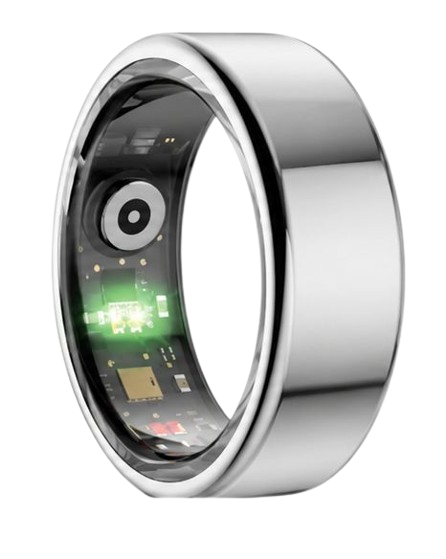
Ensure the inner sensor bumps sit flush against the palm side of your finger for a secure, stable connection.
-
Can the Herz P1 Smart Ring store my biometric data offline?
Yes, the ring contains built-in storage that can safely hold up to 7 days of detailed biometric data offline.
You do not need to keep your smartphone nearby or connected to Bluetooth while you sleep.
The next time you open the app, your ring will automatically sync all your sleep and heart rate data in seconds.
Conclusion
Optimizing your sleeping heart rate is one of the most effective ways to support your long-term cardiovascular health and daily energy levels.
The subscription-free Herz P1 Smart Ring makes it easy to monitor your health every day with medical-grade precision.
Ready to monitor your health every day?
Explore the Herz P1 Smart Ring and see if it fits your lifestyle.
Call: 1-866-479-1629 — our team can help you advise on the correct ring size and set personalized health goals.
