

The Complete Guide to Normal Resting Heart Rate Sleeping Ranges
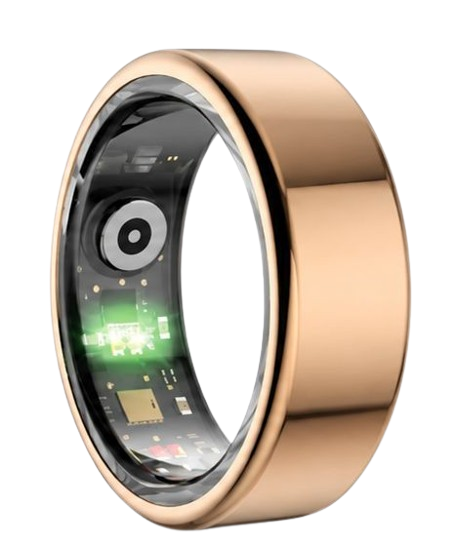
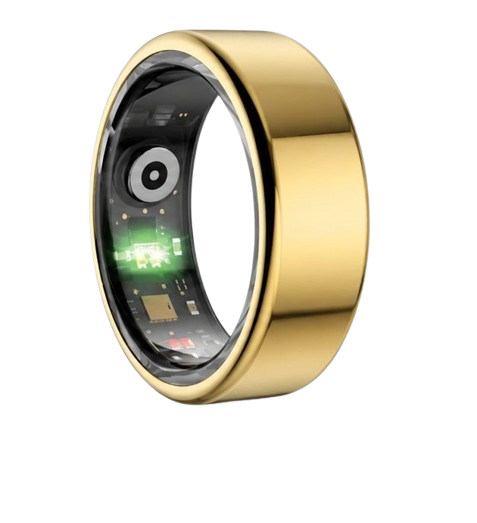
Understanding your resting heart rate when sleeping is the key to unlocking deep wellness, as clinical data reveals a normal overnight pulse should dip by 10% to 20% compared to daytime baselines. By monitoring this critical metric, you gain a clear, proactive look at your cardiovascular recovery and autonomic nervous system health without relying on bulky, uncomfortable wrist-worn trackers. The Herz P1 (available at Herz P1 Smart Ring) is a lightweight, subscription-free health companion engineered with military-grade steel and clinical optical sensors to track your sleep architecture, blood oxygenation, and overnight cardiac trends effortlessly.
Built to Last. Save Up to 69% Today.
The Herz P1 Smart Ring tracks HRV, Sleep, Heart Rate & SpO2 around the clock. No subscriptions. No renewals. Ever.
In This Article
- Optimize Your Overnight Resting Heart Rate: A clear, five-step recovery blueprint.
- The Physiology of Overnight Cardiac Recovery: Detailed explanations of normal sleeping pulse ranges.
- Advanced Sensor Technology: How multi-wavelength PPG sensors track your cardiac autonomic balance.
- Practical Lifestyle Improvements: Practical tips for enhancing cardiovascular wellness.
How to Optimize Your Overnight Resting Heart Rate: A Step-by-Step Recovery Guide
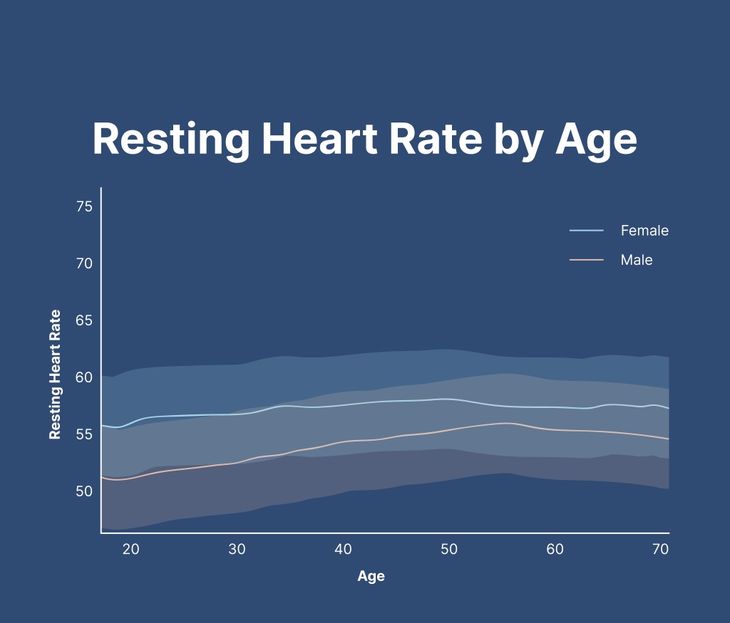
Before you can actively improve your overnight cardiac recovery, you must establish an accurate baseline using a specialized biometric tracking device.
-
Step 1: Establish Your Baseline Sleep Metric
To start optimizing, you must track your pulse consistently for at least seven consecutive nights.
This initial tracking period helps your biometric device determine your unique sleeping heart rate vs resting heart rate baseline.
Ensure you wear your smart tracker on the same finger every night to maintain consistent sensor contact with the capillary bed.
Avoid comparing your early numbers to generic charts, as age, genetics, and fitness levels significantly alter your starting point.
Your primary goal during this phase is simply to gather clean, uninterrupted overnight physiological data.
-
Step 2: Regulate Your Circadian Rhythm and Sleep Windows
Going to bed and waking up at the exact same times every day stabilizes your body’s natural internal clock.
A consistent routine helps lower your sleeping resting heart rate by reducing bedtime cortisol surges.
Ensure you restrict high-intensity exercise to the morning or early afternoon to prevent elevated nocturnal adrenaline.
Dim your household lights at least one hour before bed to signal your brain that it is time to release melatonin.
Consistency in sleep timing ensures your cardiovascular system transitions smoothly into a restful, parasympathetic state.
-
Step 3: Optimize Your Late-Day Nutritional Intake
Consuming heavy meals within three hours of bedtime forces your digestive system to work overtime during the night.
This digestive strain elevates your internal temperature and raises your resting heart rate asleep.
Limit alcohol intake in the evening, as alcohol acts as a cardiac stimulant that disrupts deep sleep stages.
Stop drinking caffeine at least eight hours before you plan to sleep to allow the stimulant to clear your bloodstream.
Opt for a light, easily digestible evening snack if you feel hungry before heading to bed.
-
Step 4: Implement a Targeted Bedtime Wind-Down Routine
Engaging in stressful work tasks or watching intense television right before bed triggers your sympathetic nervous system.
You can counteract this stress response by dedicating fifteen minutes to deep breathing exercises or gentle stretching.
This active relaxation technique helps lower your resting heart rate at night.
Try to keep your bedroom temperature cool, ideally between sixty-five and sixty-eight degrees Fahrenheit.
A cool environment encourages your core body temperature to drop, which naturally slows your cardiac pace.
-
Step 5: Track and Analyze Overnight Recovery Trends
Check your biometric data every morning to assess how your lifestyle choices impacted your overnight cardiac trends.
Look for a gradual downward slope in your sleep pulse graph, which indicates high-quality recovery.
A low average sleeping heart rate coupled with high HRV signals a highly recovered body.
If your pulse remains elevated, reflect on your diet, stress levels, or potential overtraining from the previous day.
Adjust your daytime behaviors based on these personalized insights to continuously improve your cardiovascular efficiency.
The Herz P1 Smart Ring provides the perfect platform to execute this recovery guide without annoying notifications or screen distractions.
With its military-grade steel construction and precision optical sensors, it automatically logs your cardiac metrics every second of the night.
You can review your complete physiological trends on our completely subscription-free mobile app.
To begin tracking your baseline today, secure your ring with our ninety-day money-back guarantee at the Herz P1 Smart Ring Store.
90-Day 100% Money-Back Guarantee
“The Herz Smart Ring helps me manage stress easily. It’s accurate, stylish, and lightweight—perfect for my busy life!”
— Jennifer P. | ✔ Verified Customer
- ✓ 6-Day Battery Life
- ✓ Detailed Sleep Analysis
- ✓ Fast 1-Hour Charging
- ✓ iOS & Android Ready
Questions? Call: 1-866-479-1629
The Physiology of Overnight Cardiac Recovery and Normal BPM Ranges
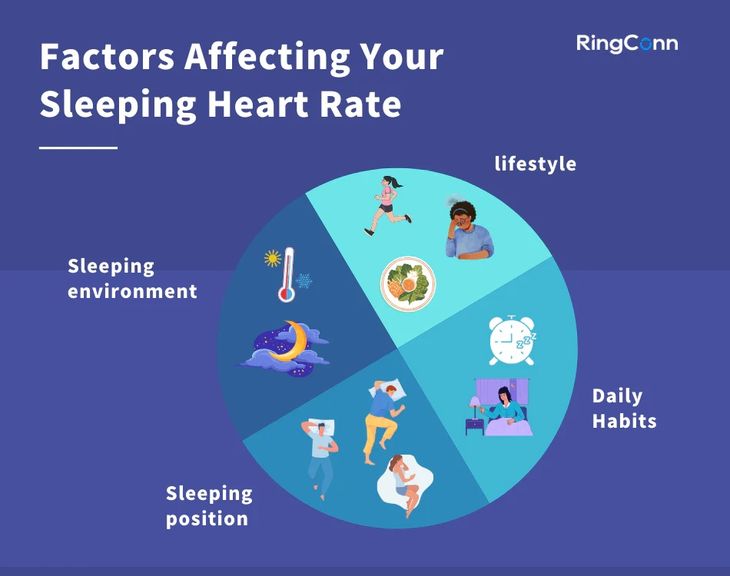
Analyzing overnight cardiac performance requires a basic understanding of human physiology and nervous system transitions.
Defining a Healthy Sleep Pulse Baseline
According to clinical cardiovascular guidelines, your daytime heart rate naturally fluctuates based on movement and stress.
When you drift into sleep, your metabolic demands plummet to support cellular repair.
This metabolic shift allows your normal sleep bpm to establish a steady, rhythmic baseline.
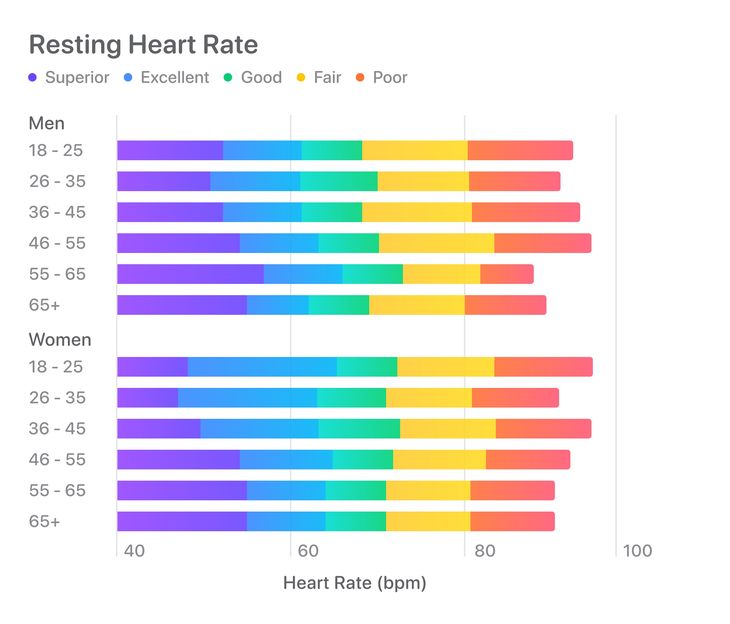
A typical, healthy adult will experience an overnight rate between forty and sixty beats per minute.
This substantial drop is highly indicative of robust parasympathetic nervous system activity.
If your rate stays elevated, your heart is working harder than necessary during its designated recovery phase.
Highly trained athletes frequently record nighttime baselines that dip well below forty beats per minute.
This physiological phenomenon is known as athletic bradycardia and is a sign of superior cardiac efficiency.
By tracking these trends, you can spot early signs of overtraining, fatigue, or incoming physiological illness.
Establishing your personalized baseline is far more important than comparing your data to general population averages.
How Sleep Stages Alter Your Nocturnal Cardiac Rhythms
Your nocturnal cardiac activity is not uniform but fluctuates dynamically throughout the night.
During non-REM deep sleep stages, your autonomic nervous system shifts heavily toward parasympathetic dominance.
This shift causes your blood pressure to decrease and your cardiac rate to reach its lowest point.
Your body utilizes this low-stress state to repair muscle tissue, release growth hormones, and bolster your immune system.
When you transition into Rapid Eye Movement sleep, your brain activity surges as you dream.
During REM cycles, your heart rate and respiration become highly erratic and closely mirror waking states.
This erratic pattern is completely normal and represents healthy cognitive processing and emotional consolidation.
A lack of distinct cardiac dipping during deep sleep suggests your body is stuck in a state of chronic stress.
Wearable devices must track these phase transitions accurately to provide a true picture of your sleep architecture.
Recognizing these subtle fluctuations helps you understand the direct relationship between daily habits and overnight recovery.
Advanced Sensor Engineering: Decoding HRV, SpO2, and Vagal Tone
Precision biometrics depend directly on the engineering of the sensors that gather your physiological signals.
The Technology Behind Fingertip PPG and Optical Heart Sensing
Wrist-worn trackers often fail to maintain accurate contact with your skin as you move in bed.
The fingers contain an incredibly dense network of superficial blood vessels that provide excellent signal clarity.
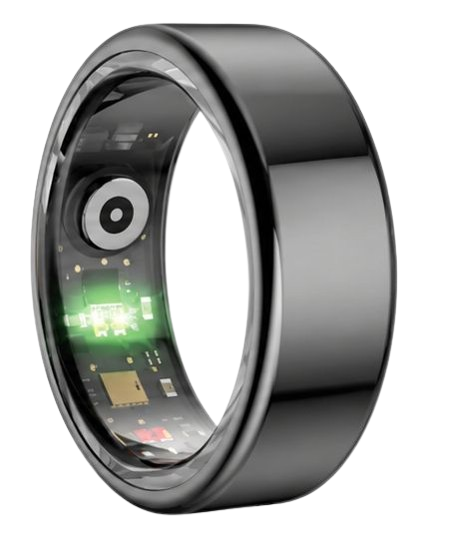
Optical sensors on a smart ring utilize Photoplethysmography to project multi-spectral light into these capillaries.
By measuring the light reflected back, the ring detects tiny blood volume changes with every heartbeat.
This advanced technique provides highly precise measurements of your sleeping bpm curves.
Green light sensors track your active heart rate, while red and infrared lights measure oxygen levels.
This combination ensures your sleep metrics are recorded with a minimal margin of clinical error.
A lightweight ring form factor prevents the sensor shifting that commonly ruins wrist-based tracking.
Maintaining continuous sensor alignment is critical for capturing clean, uninterrupted overnight data.
Shifting your biometric monitoring to your finger is the single best way to achieve clinical-grade accuracy.
Why Continuous Overnight SpO2 and HRV Monitoring Matters
Heart rate variability measures the precise millisecond differences between each of your consecutive heartbeats.
A higher variability score proves that your autonomic nervous system is balanced and highly adaptable.
Conversely, a low HRV score suggests that your body is currently struggling to recover from stress.
Simultaneously monitoring your peripheral blood oxygen levels provides vital insights into your overnight breathing safety.
Healthy oxygen saturation levels should consistently sit between ninety-five and one hundred percent all night.
Sudden drops in oxygen levels combined with rapid heart rate spikes can point to potential sleep apnea.
By tracking these markers concurrently, you gain a comprehensive view of your systemic physical recovery.
Recognizing these patterns allows you to make informed adjustments to your evening nutrition and environment.
Gathering this multi-spectral data ensures you are never surprised by sudden declines in your physical energy.
Proactive wellness starts with having clear, actionable data regarding your body’s overnight autonomic performance.
Practical Application Guide: Turning Biometric Data Into Daily Wellness
Having access to premium biometric metrics is only useful if you translate them into daily habits.
Every morning, your mobile application compiles your overnight cardiac data into an intuitive recovery score.
If your recovery score is high, your cardiovascular and nervous systems are ready for intense challenges.
You can comfortably schedule a demanding physical workout or take on a high-stress professional project.
If your recovery score trends low, your body is actively signaling that it needs deep rest.
On low-recovery days, consider reducing your training intensity and prioritizing early sleep.
The military-grade steel construction of our ring allows you to wear it twenty-four hours a day.
Because it is incredibly lightweight, you will never feel restricted during workouts or deep sleep cycles.
Consistent wear ensures there are no gaps in your rolling seven-day health trends dashboard.
Over time, adjusting your lifestyle based on these trends leads to a permanently lower resting rate.
Listening to your body’s silent signals is the most effective way to prevent chronic physical burnout.
By checking your daily recovery score, you take complete control of your personal health journey.
Overcoming Risks and Common Mistakes in Sleep Tracking
Many people make the counterproductive mistake of wearing a bulky, heavy smartwatch to bed.
The heavy weight of a smartwatch often causes the sensors to slip off-center when you roll over.
This sensor displacement introduces movement artifacts that ruin the accuracy of your overnight sleep data.
Furthermore, sudden screen glow from wrist notifications can pull you out of deep sleep stages.
Another major risk is choosing a brand that locks your personal physical metrics behind paywalls.
Several leading wearable companies force you to pay expensive monthly fees to view your trends.
We believe your health data is your birthright, which is why our mobile app has zero fees.
You will never pay a subscription to view your sleep stages, HRV, or resting pulse history.
To prevent sizing errors, always use our sizing kit before selecting your final smart ring dimensions.
A perfectly fitted ring should slide comfortably over your knuckle but remain snug against your skin.
This optimal fit guarantees continuous sensor contact without causing any nighttime discomfort or swelling.
Avoiding these common traps is crucial for building a reliable, stress-free health tracking routine.
Frequently Asked Questions About Resting Heart Rate and Sleep Tracking
Is the Herz P1 Smart Ring waterproof?
Yes, the Herz P1 features a certified IP68 waterproof rating that allows for complete submersion up to one hundred and sixty-four feet.
You can confidently keep the ring on while swimming laps, washing dishes, showering, or enjoying a hot sauna session.
The military-grade steel shell is hermetically sealed to protect the delicate optical sensor array from moisture.
This robust design ensures you can track your health continuously in any wet or challenging environmental conditions.
How long does the battery last and how quickly does it charge?
The smart ring delivers up to six days of continuous, active tracking on a single charge.
When the battery is low, it takes less than one hour to recharge it back to one hundred percent.
We recommend placing the ring on its magnetic charger during your quick morning shower routine.
This short, consistent daily charging habit ensures you never experience any gaps in your sleep tracking.
Which finger provides the best accuracy for tracking sleep metrics?
Our clinical testing shows that the index finger of your non-dominant hand offers the highest accuracy.
The middle and ring fingers are also excellent alternative options if you prefer a different aesthetic.
You should avoid wearing the ring on your thumb or pinky, as these digits have different blood flow.
Ensure the optical sensor pads are positioned flat against the palm side of your chosen finger.
Does the ring store my biometric data offline if my phone is disconnected?
Yes, the ring features advanced local storage that securely saves up to seven days of metrics offline.
You do not need to keep your smartphone in your bedroom or leave your Bluetooth enabled overnight.
Once you open our mobile app in the morning, all stored data will sync automatically in seconds.
This offline capability allows you to sleep in a completely device-free, low-radiation bedroom environment.
What causes a sudden spike in your sleeping resting pulse rate?
A sudden elevation in your sleeping resting pulse rate is typically caused by late-night stressors.
Common triggers include eating a heavy meal close to bedtime, drinking alcohol, or oncoming physical illness.
High emotional stress from work or intense physical training late in the day will also elevate it.
Tracking these spikes helps you pinpoint which specific lifestyle choices are actively stealing your recovery.
How does aging affect your normal overnight heart rate ranges?
As you age, your maximum heart rate naturally declines, which can slowly alter your overnight baselines.
However, maintaining a consistent cardiac dip of ten to twenty percent remains vital at any age.
Regular cardiovascular exercise is the most effective way to keep your sleeping pulse in a healthy zone.
Consistently monitoring your trends helps you ensure your heart muscle remains strong and resilient over the decades.
What is the difference between your waking resting heart rate and your sleeping pulse?
Your waking resting rate is measured while you are awake, sitting quietly, and fully conscious.
Your sleeping pulse is your lowest sustained rate recorded during deep, non-conscious rest cycles.
The sleep pulse should always trend lower than your waking rate due to reduced muscular and metabolic demands.
Tracking both metrics gives you a complete, dual-perspective view of your overall cardiovascular health.
Can dehydration cause your sleeping heart rate to rise?
Yes, dehydration reduces your total blood volume, which forces your heart to pump faster to maintain pressure.
This added strain will cause your resting pulse to remain elevated throughout your sleep cycle.
Drinking a glass of water before bed can help stabilize your blood volume and lower your rate.
Monitoring your morning data will quickly show you the dramatic recovery benefits of proper hydration.
Conclusion: Complete Control Over Your Overnight Cardiac Recovery
Monitoring your resting heart rate sleeping trends is the first step toward lasting health optimization.
The subscription-free Herz P1 Smart Ring makes tracking your body’s vital signals effortless, stylish, and completely secure.
Ready to monitor your health every day? Explore the Herz P1 Smart Ring and see if it fits your lifestyle.
Call: 1-866-479-1629 — our team can help you advise on the correct ring size and set personalized health goals.
Note: Individual results may vary depending on individual health conditions, age, and lifestyle habits. This article is intended for general health reference purposes only.
