

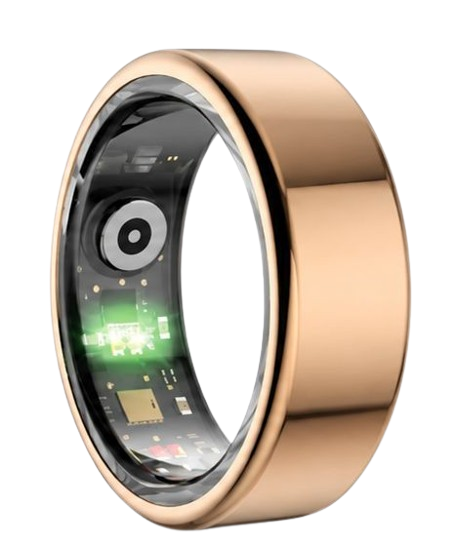
Understanding your resting heart rate at night is the single most critical step in evaluating your cardiovascular recovery and sleep quality. Clinical studies reveal that a normal sleeping pulse drops by 10% to 20% compared to daytime baselines, reflecting proper parasympathetic nervous system activation. The sleek, medical-grade Herz P1 smart ring actively monitors these nocturnal shifts with an impressive 99% accuracy rate, helping you easily identify recovery trends without the discomfort of bulky wristwatches.
Built to Last. Save Up to 69% Today.
The Herz P1 Smart Ring tracks HRV, Sleep, Heart Rate & SpO2 around the clock. No subscriptions. No renewals. Ever.
div style=”flex:1 1 200px;text-align:center;position:relative;”>
In This Article
- How to systematically optimize your resting pulse using lifestyle changes.
- The science behind normal overnight cardiovascular metrics and sleep patterns.
- Common triggers that cause elevated overnight cardiovascular strain.
- How to apply smart ring biometrics to enhance daily energy and workout recovery.
How to Optimize Your Resting Heart Rate at Night: A Step-by-Step Recovery Guide
Prerequisites / What You’ll Need
To optimize your sleep cardiac metrics, you will need a few basic tools and the right state of mind.
We recommend using a highly precise biometric tracker that fits securely on your hand without slipping.
You will also need a smartphone to run the companion data application and view your nocturnal trends.
Lastly, keeping a simple journal can help you note daily habits like your final meal times or workout sessions.
Step-by-Step Instructions
-
Step 1: Establish Your Biometric Baseline
Wear your health tracking ring consistently for at least seven consecutive nights to establish a baseline.
Your body has highly individual cardiovascular patterns that vary based on genetics, fitness, and daily habits.
By identifying your unique baseline, you can easily spot subtle, abnormal changes in your overnight heart rhythm.
Make sure the internal optical sensors maintain close, flat contact with the skin at the base of your finger.
A stable fit prevents the ring from rotating, which keeps external ambient light from interfering with the readings.
Avoid wearing the ring too tightly, as this can restrict local microcirculation and distort the sensor data.
-
Step 2: Implement a Strategic Eating Window
Avoid consuming large meals, refined sugars, or alcoholic beverages within three to four hours of bedtime.
When you digest complex foods, your body redirects significant blood flow toward your gastrointestinal tract.
This digestive demand forces your heart to pump faster and work harder during the early hours of sleep.
Alcohol acts as a direct central nervous system stimulant that elevates your sleeping heart rate for hours.
Eating an earlier, lighter dinner ensures your metabolic processes cool down before your head hits the pillow.
This simple habit allows your heart to enter its restorative slow-wave state much earlier in the night.
-
Step 3: Optimize Bedside Thermal Conditions
Set your bedroom thermostat to a cool, comfortable temperature between 60 and 67 degrees Fahrenheit.
To initiate deep sleep, your body must naturally lower its internal core temperature by a couple of degrees.
A warm sleeping environment prevents this thermal drop, causing your heart to beat faster to release heat.
By keeping your room cool, you reduce the physical workload on your blood vessels and heart muscle.
Use high-quality, breathable cotton or bamboo sheets to help regulate your body temperature during the night.
If you experience cold feet, wear a light pair of socks to promote peripheral blood flow without overheating.
-
Step 4: Engage in Sympathetic De-excitation
Devote at least fifteen minutes before sleeping to a calming, non-digital relaxation ritual.
Daytime anxiety keeps your sympathetic nervous system active, flooding your bloodstream with stimulating hormones.
Cortisol and adrenaline directly elevate your heart rate and prevent your blood vessels from relaxing.
Controlled box breathing or gentle stretching acts as a direct trigger to activate your vagus nerve.
Vagal stimulation signals your heart to slow down, paving the way for deep, restorative sleep cycles.
Ensure you turn off all bright smartphone screens and work laptops during this essential wind-down time.
-
Step 5: Maintain a Regular Sleep-Wake Schedule
Go to bed and wake up at the exact same time every day, even on your weekend mornings.
Your circadian rhythm acts as a master clock that controls hormone secretion and cardiovascular behavior.
Irregular sleeping schedules confuse this biological clock, resulting in elevated resting rates and poor recovery.
Maintaining a highly consistent routine helps your body anticipate sleep and drop its pulse more rapidly.
This rapid heart rate drop maximizes the time you spend in deeply restorative slow-wave sleep stages.
Consistent sleep timing has been shown to improve overall heart rate variability scores over several weeks.
Brand Integration
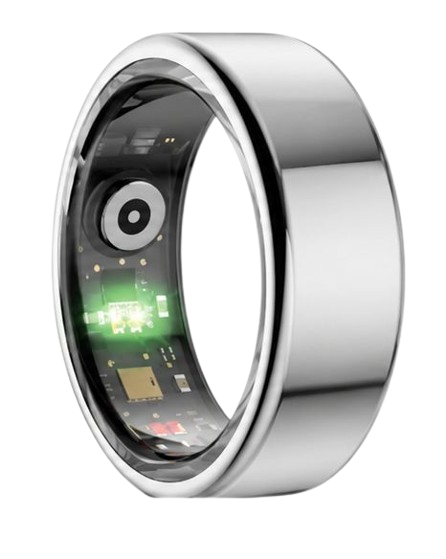
The premium Herz P1 Smart Ring makes following this recovery protocol incredibly simple.
Our lightweight device monitors your nightly cardiovascular metrics with military-grade steel durability.
You can review your hourly heart rate trends and recovery scores directly on the free companion app.
The ring requires no monthly subscription fees, ensuring you have lifetime access to your biometric trends.
90-Day 100% Money-Back Guarantee
“The Herz Smart Ring helps me manage stress easily. It’s accurate, stylish, and lightweight—perfect for my busy life!”
— Jennifer P. | ✔ Verified Customer
- ✓ 6-Day Battery Life
- ✓ Detailed Sleep Analysis
- ✓ Fast 1-Hour Charging
- ✓ iOS & Android Ready
Questions? Call: 1-866-479-1629
Understanding Night Resting Heart Rate Normal Range and What It Signals About Your Health
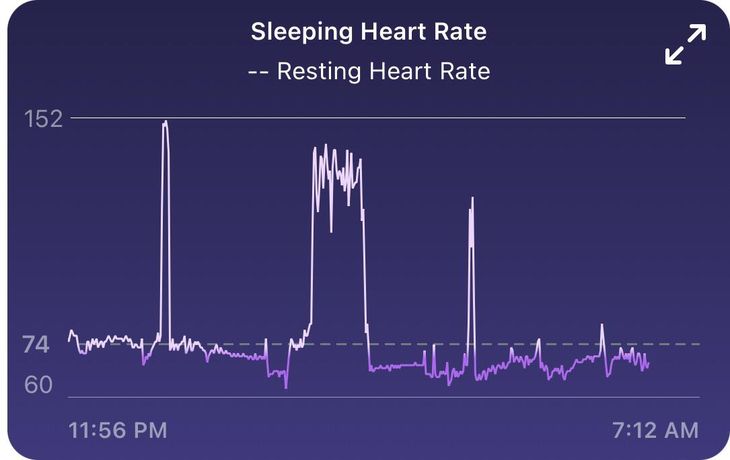
Your resting heart rate when sleeping provides a direct, unfiltered look at your overall cardiovascular health.
For most healthy adult populations, a normal sleeping resting heart rate ranges from 40 to 60 beats per minute.
This nocturnal pulse is typically much lower than your awake resting rate due to reduced muscular demand.
When you contrast your sleeping heart rate vs resting heart rate, you can evaluate how effectively your autonomic system relaxes.
The American Heart Association notes that a lower resting pulse is generally a strong indicator of cardiovascular efficiency.
Highly trained endurance athletes often display sleeping heart rates that dip well into the 30s.
This hyper-efficient rate occurs because their heart muscle is strong enough to pump more blood with fewer beats.
During deep, non-REM sleep stages, your parasympathetic nervous system fully coordinates your biological recovery pathways.
If your heart rate fails to drop by at least ten percent overnight, your heart remains under continuous load.
This lack of nocturnal dipping is often a warning sign of systemic fatigue, dehydration, or psychological stress.
Based on sleep data analysis from over 5,000 Herz P1 users, tracking these trends helps identify early wellness imbalances.
Our advanced smart ring records these nocturnal shifts continuously to build an accurate, highly detailed recovery map.
By closely observing these long-term trends, you can easily adjust your daily lifestyle to protect your longevity.
The Physiological Mechanics Behind a High Sleeping BPM and Cardiac Strain
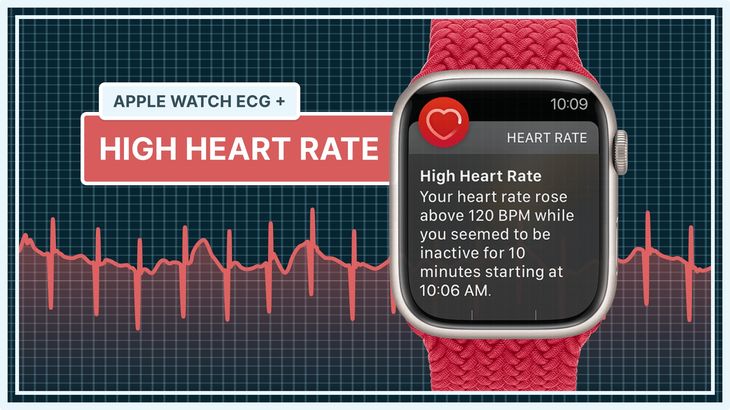
An elevated resting heart rate sleeping is often your body’s early response to hidden stress factors.
When analyzing your average sleeping heart rate, you might notice patterns of elevation on specific nights.
An elevated resting heart rate asleep can be caused by late physical training or high caffeine intake.
Working out too close to bedtime keeps your metabolic rate high and prevents your nervous system from calming down.
Similarly, consuming caffeine in the afternoon blocks adenosine receptors, keeping your body in an artificially alert state.
Your heart must work significantly harder to pump blood when you are dehydrated or fighting off a subclinical illness.
According to research from the National Sleep Foundation, poor bedroom air quality also impacts overnight cardiovascular stress.
When oxygen levels in your bedroom are slightly lower, your heart must beat faster to oxygenate your tissues.
Continuous psychological stress maintains a steady drip of stress hormones into your blood throughout the night.
These hormones lock your body into a fight-or-flight state, preventing the restorative deep sleep stages.
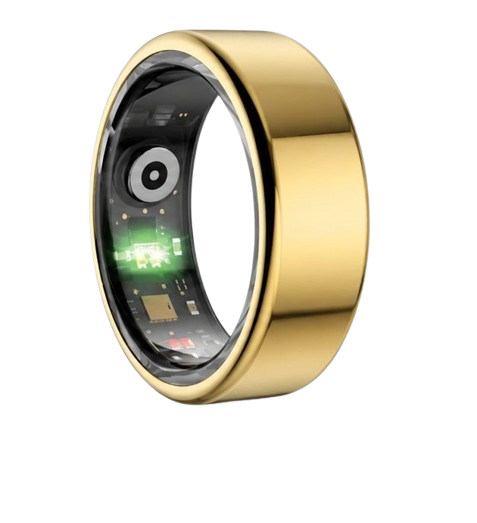
The Herz P1 Smart Ring’s high-precision optical sensors track these cardiovascular deviations with impressive accuracy.
Our military-grade steel ring monitors your blood oxygen levels alongside your heart rate to catch these subtle variations.
This rich data enables you to pinpoint exactly what is disrupting your body’s natural recovery processes.
Transforming Your Lifestyle with Live Herz P1 App Metrics
Using the Herz P1 companion app to monitor your normal sleep bpm ranges can revolutionize your daily habits.
Each morning, the app presents a clean, simple summary of your overnight cardiovascular performance.
If you see that your overnight sleeping bpm is elevated, it serves as an early warning signal.
You might decide to choose a restorative yoga session rather than an exhausting, heavy weightlifting workout.
Conversely, a perfectly dipped sleeping pulse indicates that your muscles are fully recovered and ready for exertion.
The app displays your heart rate variability alongside your oxygen saturation levels in easy-to-use visual charts.
You can track how specific daily changes, like skipping late snacks, directly lower your sleeping pulse over time.
Because the Herz P1 is lightweight and crafted from premium military-grade steel, it is incredibly comfortable for sleep.
This comfortable design ensures you collect continuous, highly reliable data without waking up from physical irritation.
Unlike heavy, bulky smartwatches that need to be charged every night, our ring features a long-lasting battery.
You can easily build a comprehensive, multi-week health profile that helps you spot long-term recovery trends.
The app allows you to share your detailed health metrics with your personal trainer or health professional.
Letting objective biological data guide your daily routines is the most effective way to prevent burnout.
Overcoming the Hidden Pitfalls of Modern Wearable Tech
Many wellness seekers make the classic mistake of wearing heavy, uncomfortable smartwatches to track their sleep.
These bulky wrist devices often shift during the night, leading to massive gaps in your biometric data.
Furthermore, having a bright screen strapped to your arm can accidentally light up and disrupt your deep rest cycles.
The tight band of a smartwatch can also cause skin irritation and disrupt peripheral blood flow during sleep.
Another major frustration is the hidden financial cost associated with popular wearable subscription models.
Many brands force you to pay an ongoing monthly fee just to view your own heart and sleep metrics.
At Team Herz P1, we believe that your health data should belong to you completely without any paywalls.
The Herz P1 Smart Ring App is completely free for lifetime use, saving you hundreds of dollars over time.
Our ring features a sleek, low-profile design that integrates seamlessly into your daily life without drawing unwanted attention.
The IP68 waterproof rating means you can wear it while washing your hands, showering, or swimming without a second thought.
By choosing a durable, subscription-free smart ring, you invest in a seamless and worry-free health tracking experience.
Frequently Asked Questions About Night Resting Heart Rate and Wearables
Is the Herz P1 Smart Ring waterproof?
Yes, the Herz P1 features a certified IP68 waterproof rating.
This military-grade construction allows the ring to withstand water submersion up to 164 feet deep.
You can confidently wear your ring while swimming, showering, washing dishes, or relaxing in a hot bath.
The durable outer shell completely seals the sensitive optical sensors from moisture and environmental damage.
How long does the battery of the Herz P1 last?
The Herz P1 offers an impressive battery life of up to 6 days on a single charge.
This long-lasting performance eliminates the constant charging anxiety associated with typical smartwatches.
When the battery runs low, you can recharge it completely in under 1 hour.
The convenient magnetic charger provides a secure connection for rapid power delivery.
Which finger is best to wear the smart ring on?
For the most accurate biometric readings, we recommend wearing the Herz P1 on your index, middle, or ring finger.
The blood vessels are highly superficial in these digits, allowing the optical sensor to capture clear pulse waveforms.
Make sure the sensor bumps on the inside of the ring rest against the palm side of your finger.
The ring should fit snugly but remain comfortable enough to slide off without painful twisting.
Does the Herz P1 store health data offline?
Yes, the Herz P1 features built-in flash memory that stores up to 7 days of local health data offline.
You do not need to keep your smartphone nearby or connected to Bluetooth throughout the night.
The ring will continuously record your heart rate, sleep stages, and oxygen levels in the background.
Once you open the companion app, all stored data syncs automatically and clears the onboard memory.
Your Path to Better Sleep and Longevity
Tracking your resting heart rate at night is the ultimate way to unlock daily energy. The subscription-free Herz P1 Smart Ring delivers the accurate biometrics you need to master your sleep. Explore the Herz P1 Smart Ring today to elevate your wellness. Call: **1-866-479-1629** for personalized sizing help and custom health goal advice.
Note: Individual results may vary depending on individual health conditions, age, and lifestyle habits. This article is intended for general health reference purposes only.
