

Your cardiovascular health speaks in a quiet whisper during the night, communicating vital recovery metrics through your sleeping resting heart rate. At Team Herz P1, we know that understanding this overnight trend is the key to mastering your daily energy, identifying early autonomic strain, and optimizing your sleep hygiene. By tracking these subtle cardiac shifts with the advanced Herz P1 smart ring, you can uncover exactly what your body needs to recover and thrive every single day without being weighed down by bulky smartwatches or ongoing monthly subscription fees.
Built to Last. Save Up to 69% Today.
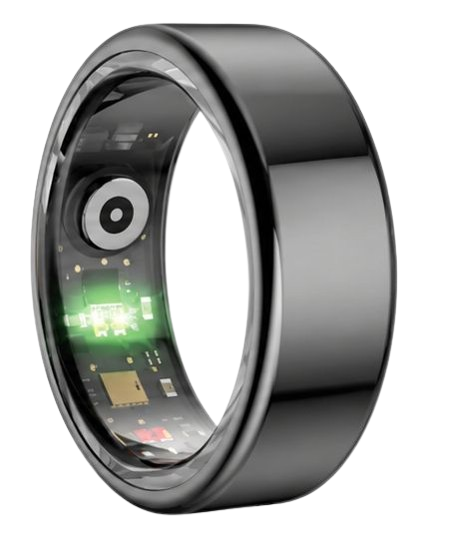
The Herz P1 Smart Ring tracks HRV, Sleep, Heart Rate & SpO2 around the clock. No subscriptions. No renewals. Ever.
In This Article
- Step-by-Step Analysis: Learn how to track and optimize your sleep heart metrics.
- The Science of Sleep Curves: Discover how parasympathetic activity shapes your heart rate curves.
- Overcoming Biometric Failures: Avoid tracking errors and bulky device fatigue.
- Practical Optimization Tips: Leverage the Herz P1 dashboard to make intelligent lifestyle adjustments.
How to Correctly Measure and Optimize Your Sleeping Resting Heart Rate: A Step-by-Step Guide
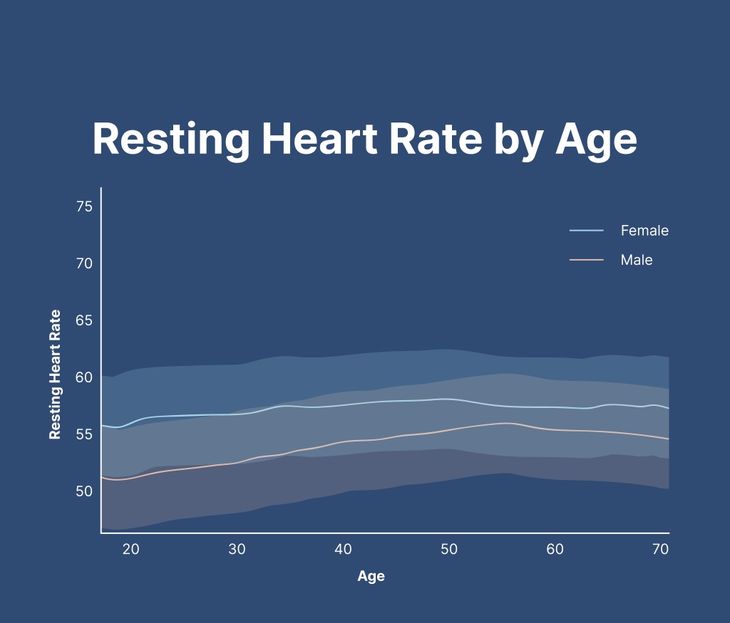
To begin, let us clarify the prerequisites you will need to establish accurate cardiovascular recovery metrics.
You will need a reliable biometric tracker capable of continuous overnight scanning.
You also require an environment free from sudden loud noises or extreme temperature fluctuations.
Finally, maintaining a stable bedtime for at least three consecutive days will yield the most reliable baseline data.
-
Step 1: Choose the Right Finger for Optimal PPG Sensing
Selecting the correct finger is essential for photoplethysmography technology.
We recommend using your index finger on your non-dominant hand for the highest accuracy.
The index finger contains abundant superficial capillaries that are easy for optical sensors to read.
Make sure the ring fits snugly but does not restrict your natural blood flow.
-
Step 2: Establish a Consistent Bedtime Routine
Your nervous system requires quiet preparation to transition successfully into a restorative parasympathetic state.
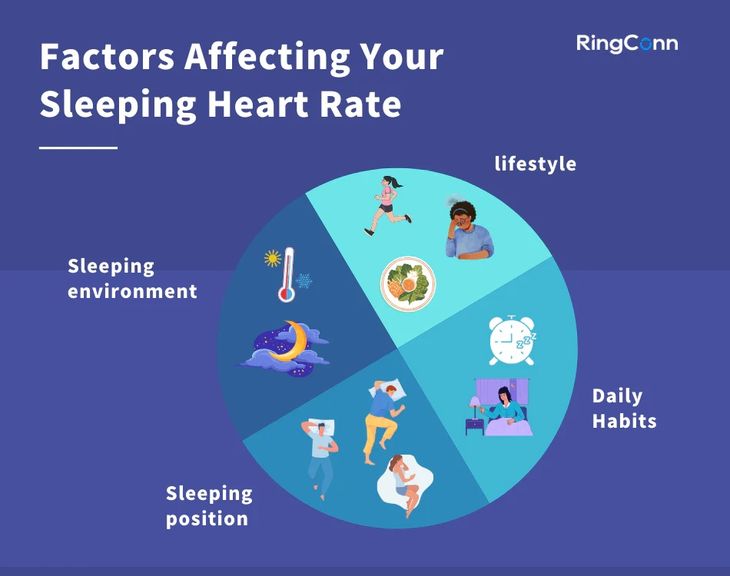
Avoid heavy meals, alcohol, and blue light exposure for at least two hours before sleep.
These lifestyle factors can artificially elevate your cardiac rhythm and disrupt your sleep architecture.
Consistency in your routine stabilizes your overnight biometric baselines.
-
Step 3: Monitor Overnight Cardiac Dips
Your sleep tracking device will record your heart rate continuously as you rest.
A healthy heart rate dips by ten to twenty percent compared to your daytime resting baseline.
Identify whether your heart rate achieved its lowest point in the first or second half of the night.
A late dip often indicates that your body spent the first half of the night digesting food or clearing stimulants.
-
Step 4: Identify Daily Variables That Impact Your Rhythm
Keep a simple mental or digital log of your daily stressors and physical activities.
Note how late-night workouts elevate your pulse rates during the initial hours of rest.
Recognizing these patterns helps you make smarter lifestyle decisions before bedtime.
Over time, you will learn to predict your morning recovery score based on your evening habits.
-
Step 5: Review Weekly Trends and Adjust Recovery Plans
Do not panic over a single night of elevated cardiac activity.
Focus instead on your rolling seven-day averages to identify real physiological trends.
If your weekly heart rate average rises, consider reducing your workout intensity.
Use these insights to schedule active recovery days when your body signals high systemic strain.
The Herz P1 Smart Ring automates this entire process with clinical-grade accuracy and zero monthly subscription fees.
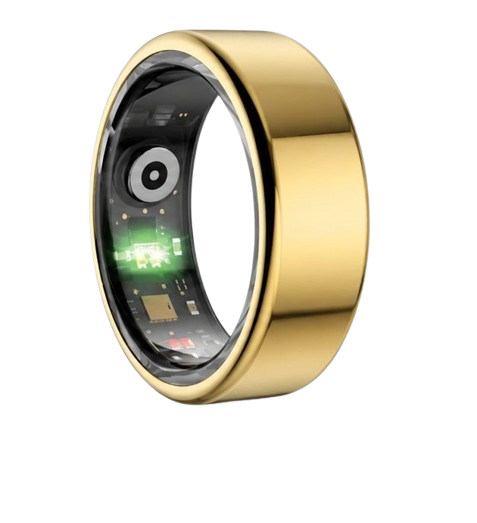
Our military-grade steel construction ensures comfortable, seamless 24/7 wear so you never miss a beat.
90-Day 100% Money-Back Guarantee
“The Herz Smart Ring helps me manage stress easily. It’s accurate, stylish, and lightweight—perfect for my busy life!”
— Jennifer P. | ✔ Verified Customer
- ✓ 6-Day Battery Life
- ✓ Detailed Sleep Analysis
- ✓ Fast 1-Hour Charging
- ✓ iOS & Android Ready
Questions? Call: 1-866-479-1629
The Physiology of Your Sleeping Resting Heart Rate Ranges
Understanding your resting heart rate when sleeping provides deep insight into your cardiovascular health.
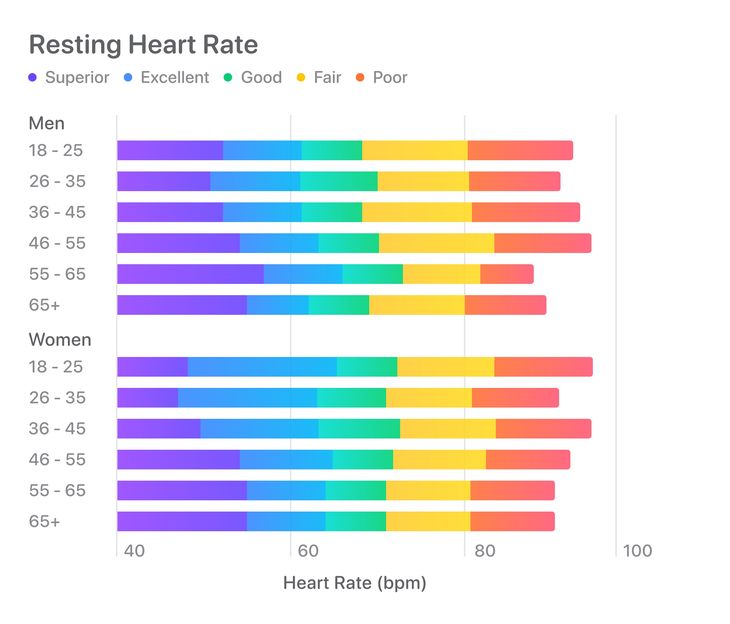
The American Heart Association notes that a normal resting pulse ranges from sixty to one hundred beats per minute during wakeful hours.
However, your resting heart rate sleeping is typically much lower than your daytime baseline.
This dip occurs because your sympathetic nervous system quietens down, allowing parasympathetic activity to dominate your body.
According to the National Sleep Foundation, your heart rate should decrease by at least ten percent while asleep.
Understanding the difference between your sleeping heart rate vs resting heart rate is key to analyzing your recovery.
A lower pulse rate at night indicates that your heart does not have to work as hard to pump blood.
This reduction gives your heart muscle a vital period of rest and repair.
If your pulse remains elevated throughout the night, it may indicate a state of chronic fatigue or overtraining.
By monitoring your normal sleeping resting heart rate, you can detect early signs of physiological strain.
This physiological strain often precedes the physical symptoms of illness or burnout.
Decoding Nighttime Cardiac Curves: What Your Sleeping RHR Pattern Reveals
When you observe your resting heart rate at night, you are looking at a chronological curve.
The shape of this curve is a direct reflection of your overnight recovery process.
An ideal recovery curve resembles a hammock, where your heart rate drops quickly after sleep onset.
This quick drop indicates that your body transitioned rapidly into a state of deep relaxation.
Your heart rate should reach its lowest point around the middle of your sleep cycle.
Once it reaches this low point, it begins to rise gradually as your body prepares to wake up.
Alternatively, some individuals display a downward slope where the lowest point is reached right before waking.
A late dip suggests that your body spent hours processing stress, alcohol, or a heavy dinner.
Monitoring your resting heart rate asleep helps you identify these late dips easily.
If you notice a flat curve where your pulse remains high, your body is struggling to recover.
This flat pattern suggests that your autonomic nervous system remains locked in a fight-or-flight state.
Regularly tracking your average sleeping heart rate allows you to identify these anomalies.
You can then make informed decisions to adjust your evening habits for better cardiovascular recovery.
How Autonomic Strain and Sleep Architecture Shape Your Nightly Pulse
Your sleep architecture consists of repeating cycles of light sleep, deep sleep, and REM sleep.
Each of these stages has a distinct effect on your cardiovascular system.
During deep sleep, your blood pressure drops and your heart rate reaches its lowest normal sleep bpm.
This phase is crucial for tissue repair, muscle growth, and immune system restoration.
Conversely, REM sleep is characterized by increased brain activity and vivid dreaming.
During REM, your heart rate and blood pressure can fluctuate rapidly.
These fluctuations are a normal part of healthy sleep architecture.
However, if you experience high autonomic strain, your deep sleep stages may be severely cut short.
This reduction in deep sleep prevents your heart from reaching its optimal sleeping bpm.
Our team at Herz P1 has designed our algorithms to isolate these cycles with high precision.
This isolation allows you to see exactly how stress is impacting your sleep quality.
Armed with this data, you can take proactive steps to reduce autonomic strain.
Optimizing Cardiovascular Recovery with the Herz P1 Application
The Herz P1 application acts as your personal health data analytics and biometric technology center.
Every morning, the application compiles your overnight heart rate, HRV, and SpO2 metrics into an intuitive recovery score.
A high recovery score indicates that your heart rate dipped appropriately and your nervous system is fully recharged.
You can use this score to decide whether to push your limits during a workout or focus on active rest.
If your recovery score is low, your body is signaling that it needs time to repair.
Respecting these signals is the most effective way to prevent overtraining and chronic fatigue.
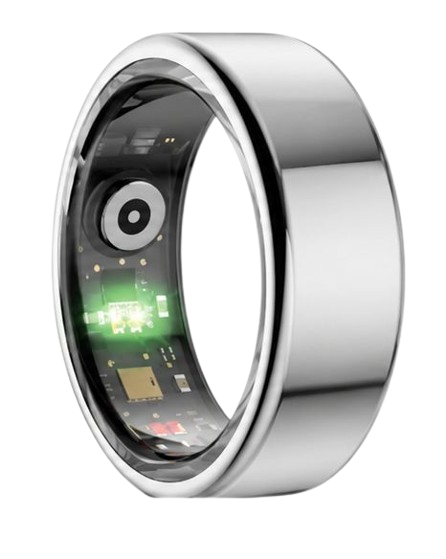
Our ring is engineered from military-grade steel, making it incredibly durable and comfortable for 24/7 wear.
Unlike bulky smartwatches, the slim profile of the Herz P1 ensures you will not even notice it on your finger while sleeping.
This continuous comfort guarantees highly accurate, uninterrupted data collection.
To help you visualize these metrics, let us compare the typical heart rate behaviors across different daily states.
| Daily State | Average Heart Rate Range (BPM) | Physiological Driver |
|---|---|---|
| Deep Sleep Recovery | 40 – 60 BPM | Parasympathetic dominance, tissue repair, minimal metabolic demand. |
| Quiet Daytime Rest | 60 – 80 BPM | Balanced autonomic activity, awake but calm state. |
| Active Exercise / Movement | 90 – 120+ BPM | Sympathetic activation, increased oxygen demand from working muscles. |
Reclaiming Comfort and Eliminating Hidden Costs in Sleep Tracking
Many health-conscious individuals make the mistake of wearing a heavy, bulky smartwatch to bed.
These large devices often disrupt sleep when they catch on blankets or press against your skin.
Furthermore, loose-fitting watches often shift during the night, leading to inaccurate optical sensor readings.
This movement creates frustrating gaps in your sleep data dashboard.
Another common pain point in the wearable market is the hidden cost of ongoing subscriptions.
Some premium brands charge hefty monthly fees just to allow you to view your own biometric data.
At Team Herz P1, we believe your health data should belong to you completely.
The Herz P1 Smart Ring requires absolutely no monthly subscription fees.
Our companion application is completely free for a lifetime, giving you full access to all advanced analytics.
By choosing our sleek, military-grade ring, you save money while securing precise, uninterrupted tracking.
Frequently Asked Questions About Nighttime Heart Rate
Is the Herz P1 Smart Ring waterproof?
Yes, the Herz P1 features a certified IP68 waterproof rating.
You can wear it safely while washing your hands, showering, or swimming.
It is engineered to withstand water depths up to 164 feet.
This robust protection ensures you never have to remove your ring during your daily routines.
How long does the Herz P1 battery last on a single charge?
The Herz P1 battery delivers up to six days of continuous health tracking.
Our advanced power management system allows the ring to charge fully in under one hour.
This rapid charging cycle minimizes any gaps in your daily health data.
We recommend charging the ring for a few minutes while you shower to maintain a full battery.
Which finger is best to wear the Herz P1 on?
The index finger of your non-dominant hand is the preferred choice for optimal tracking.
However, the ring also functions exceptionally well on your middle or ring fingers.
The key is to select a finger where the ring fits snugly without causing discomfort.
A proper fit ensures the optical sensors maintain consistent contact with your skin.
Does the Herz P1 store my biometric data offline?
Yes, the ring features seven days of secure local storage.
You do not need to keep your phone nearby or connected to Bluetooth continuously.
The ring will automatically sync your stored data the next time you open the app.
This offline storage is ideal for camping trips, flights, or distraction-free sleep.
Take Charge of Your Cardiovascular Health Today
Ready to monitor your health every day? Explore the Herz P1 Smart Ring and see if it fits your lifestyle. Call: **1-866-479-1629** — our team can help you advise on the correct ring size and set personalized health goals.
