

Learning how to increase vagal tone is the ultimate biological hack for restoring daily calm and upgrading your body’s stress resilience in our fast-paced modern world. By monitoring critical biometric signals with the subscription-free Herz P1 Smart Ring, you can witness exactly how targeted lifestyle adjustments directly elevate your autonomic recovery. Let us explore the science-backed protocols that can systematically quiet your nervous system starting today.
Built to Last. Save Up to 69% Today.
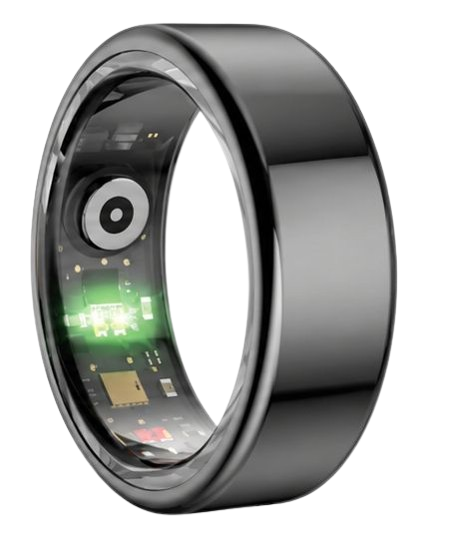
The Herz P1 Smart Ring tracks HRV, Sleep, Heart Rate & SpO2 around the clock. No subscriptions. No renewals. Ever.
In This Article
- Discover physical breathing strategies to immediately calm your nervous system.
- Explore how your autonomic system connects directly to Heart Rate Variability (HRV).
- Learn how to leverage a smart ring to optimize daily recovery and rest quality.
- Identify lifestyle adjustments that can steadily build up your baseline stress defense.
How to Stimulate Your Vagus Nerve Naturally: A Step-by-Step Exercise Guide
Your vagus nerve is the primary highway of the parasympathetic nervous system.
This massive nerve runs directly from your brainstem down through your vital internal organs.
When this nerve is active, it signals your body to rest, digest, and heal.
This process is referred to as vagal toning, which acts as a gentle brake on your cardiovascular system.
To safely perform these recovery exercises, you do not need any complex medical equipment.
You only need a quiet space, comfortable loose clothing, and a few focused minutes of quiet time.
-
Step 1: Execute the Double-Inhale Physiological Sigh
The physiological sigh is a highly rapid respiratory trigger for neural de-escalation.
To start, find a comfortable seated or lying position with your spine relatively straight.
Take a deep, rapid breath in through your nose to nearly fill your chest cavity.
Immediately take a second, sharp sniff to fully inflate the tiny air sacs in your lungs.
Slowly release all of that gathered air through your mouth with a long, passive sighing sound.
Execute this specific pattern three to five times when you feel sudden workday anxiety spikes.
-
Step 2: Practice Resonant Diaphragmatic Breathing
Resonant breathing directly balances your cardiac rhythms with your natural respiratory cycles.
Sit comfortably and place one hand on your lower belly to monitor physical movement.
Inhale quietly through your nose for exactly five seconds, letting your belly expand outward.
Without pausing, exhale gently through pursed lips for a matching count of five seconds.
This creates a stable cycle of six complete breaths per minute to naturally maximize cardiac variation.
Practice this rhythm for five to ten minutes daily as part of your breathing exercises for sleep.
-
Step 3: Implement Cold Facial Immersion Protocols
Sudden temperature drops on your facial skin trigger the mammalian dive reflex.
This physiological reflex immediately slows down your pulse and constricts peripheral blood vessels.
To perform this safely, fill a clean bowl with cool water and a few small ice cubes.
Inhale deeply, hold your breath, and gently submerge your face for ten to fifteen seconds.
Alternatively, press a chilled, damp cloth firmly against your eyes and cheeks for thirty seconds.
Repeat this splash or compress twice to instantly lift your parasympathetic nerve responses.
-
Step 4: Engage in Vocal Cord Vibration Through Humming
The vagus nerve passes directly through your vocal cords and larynx muscles.
Physical vibrations in this region stimulate the nerve path to slow down cardiac pacing.
Sit upright, close your eyes, and inhale deeply through both nostrils.
Exhale slowly while producing a steady, low-pitched humming sound in your throat.
Focus your attention on the physical vibration in your neck, chest, and jaw.
Continue this humming exercise for two to three minutes to systematically trigger a calming response.
-
Step 5: Apply Mindful Evening Decompression
Pre-sleep calm is vital to prevent late-night stress hormones from disrupting rest.
Dim all overhead lights and turn off glowing digital screens at least one hour before bed.
Perform very gentle torso twists or simple hamstring stretches on your bedroom floor.
Spend five minutes writing down tomorrow’s tasks to clear persistent thoughts from your mind.
These structured steps are highly effective calming activities for sleep.
This routine prepares your internal rhythms for deep, restorative sleep cycles.
To verify if these exercises are working, tracking physical metrics is highly valuable.
The Herz P1 Smart Ring makes this validation process effortless by recording your real-time heart rate and HRV changes.
By checking your daily metrics in the free companion app, you can see the clear physiological improvements from your efforts.
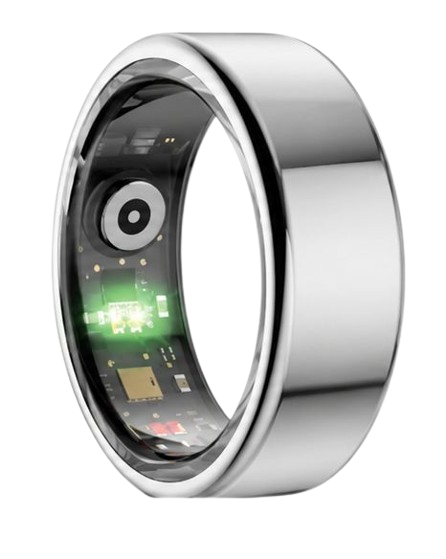
90-Day 100% Money-Back Guarantee
“The Herz Smart Ring helps me manage stress easily. It’s accurate, stylish, and lightweight—perfect for my busy life!”
— Jennifer P. | ✔ Verified Customer
- ✓ 6-Day Battery Life
- ✓ Detailed Sleep Analysis
- ✓ Fast 1-Hour Charging
- ✓ iOS & Android Ready
Questions? Call: 1-866-479-1629
What Your HRV Score Actually Tells You About Vagal Tone
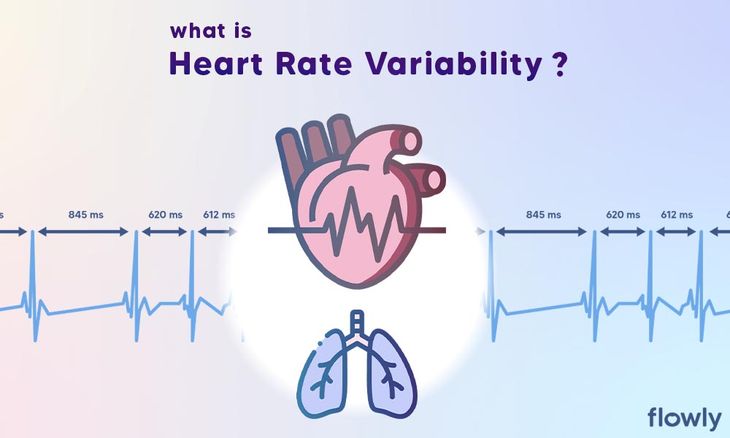
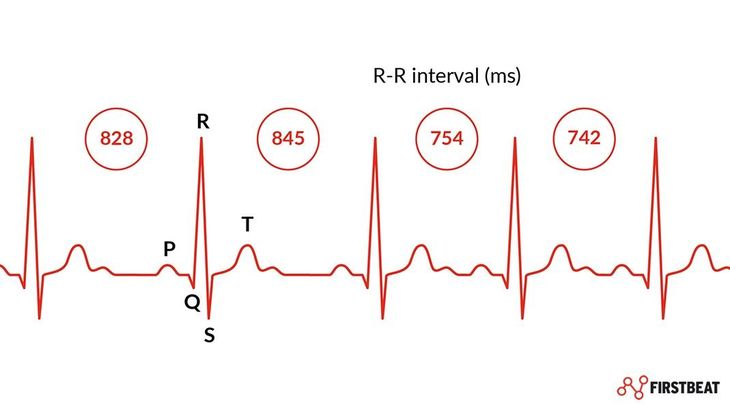
Heart Rate Variability (HRV) is the measurement of time variations between consecutive heartbeats.
If your heart beats at a flat, rigid interval, your sympathetic nervous system is dominating.
A highly variable rhythm shows that your parasympathetic nervous system is actively working.
The American Heart Association highlights HRV as an incredibly useful window into your autonomic nervous system.
A lower baseline HRV indicates poor vagal tone, meaning your body is struggling to recover.
This persistent imbalance keeps your stress hormones elevated, which can impact your sleep and heart health.
When you regularly track your HRV, you can see how lifestyle changes affect your recovery.
The Herz P1 uses an advanced 9-axis PPG sensor to track these cardiac variations every five minutes.
This high-frequency tracking provides a clear picture of your nervous system’s health throughout the day.
You can easily identify which activities drain your system and which help you recover.
This direct feedback helps you make better choices to protect your peace of mind.
The Science Behind Stress Monitoring and Parasympathetic Balance
Autonomic balance relies on a delicate relationship between your sympathetic and parasympathetic branches.
The sympathetic branch acts as your gas pedal, preparing your body for action or perceived threats.
The parasympathetic branch is your brake pedal, allowing your body to rest and rebuild resources.
The National Sleep Foundation confirms that proper rest is essential for restoring this vital balance.
Without sufficient parasympathetic dominance, your brain struggles to enter deep, restorative sleep stages.
This disruption can leave you feeling mentally exhausted and physically drained every morning.
To assess your sleep quality, you should know how to measure breathing rate accurately.
Your breathing rate while sleeping is a highly sensitive indicator of autonomic stress.
When stress is high, your overnight respiration speed increases while your oxygen levels may fluctuate.
The Herz P1 tracks these respiratory changes and overnight blood oxygen levels (SpO2) automatically.
It provides detailed data on your sleep stages, including REM and deep slow-wave sleep cycles.
These comprehensive insights show you exactly how well your body recovered overnight.
Many individuals struggle with high stress levels that make it difficult to sleep peacefully.
This anxiety can lead to endless overthinking when you are trying to rest.
Learning how to stop overthinking at night is essential for a peaceful evening routine.
By using slow, resonant breathing, you can quiet your mind and lower your heart rate before bed.
The Herz P1 helps you monitor these positive shifts directly in your daily charts.
Practical Application: Tracking Vagal Recovery with Your Smart Ring
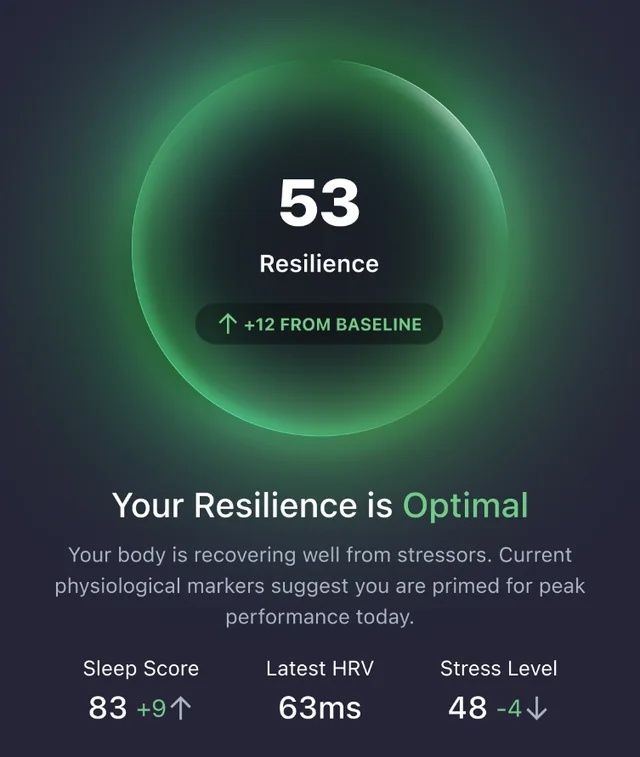
Using raw health metrics is highly effective when you apply those insights to your daily life.
The Herz P1 Companion App simplifies this by compiling your metrics into clear, easy-to-read trends.
Your dashboard displays a daily Stress Resilience Score based on your sleeping HRV and heart rate.
A high score shows your parasympathetic system is strong and ready for daily challenges.
A lower score suggests you should focus on recovery and practice calming breathing exercises.
You can also use these trends to plan the intensity of your workouts.
If your morning HRV is low, consider a gentle walk rather than a high-intensity workout.
This balanced approach helps prevent overtraining and supports your nervous system.
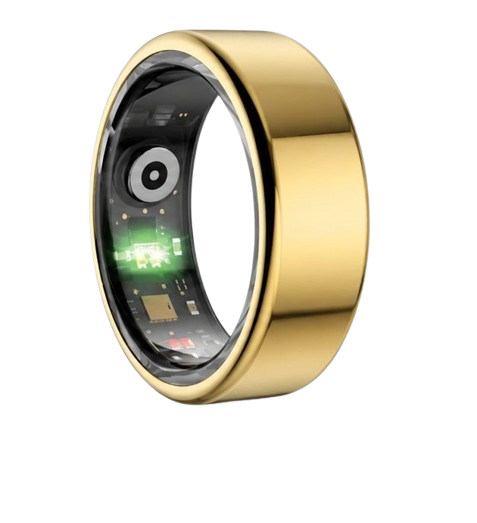
The ring’s lightweight design makes it incredibly comfortable for 24/7 wear.
You can easily wear it to sleep, work, or during exercise without any discomfort.
Mitigating Common Wearable and Sizing Pitfalls
Many users make the mistake of wearing a bulky smartwatch to track their sleep quality.
These large devices can feel heavy, trap sweat, and disturb your natural sleep positions.
The Herz P1 offers a sleek, minimal alternative that weighs only 3.5 grams.
Its medical-grade inner liner is highly breathable and comfortable to wear all night long.
Another major frustration with wearables is the hidden cost of ongoing monthly subscriptions.
The Herz P1 requires no monthly subscription fees to access your data.
You get complete, lifetime access to all tracking metrics and advanced analytics for free.
Frequently Asked Questions About Vagal Tone and Smart Rings
Conclusion: Empower Your Autonomic Health Journey
Strengthening your vagal tone is a highly rewarding way to support your body’s stress resilience.
By using consistent daily breathing, cold exposure, and rest, you can quiet your nervous system naturally.
The Herz P1 Smart Ring is a reliable, subscription-free health companion to help you track this journey.
Ready to monitor your health every day? Explore the Herz P1 Smart Ring and see if it fits your lifestyle. Call: 1-866-479-1629 — our team can help you advise on the correct ring size and set personalized health goals.
Note: Individual results may vary depending on individual health conditions, age, and lifestyle habits. This article is intended for general health reference purposes only.
