

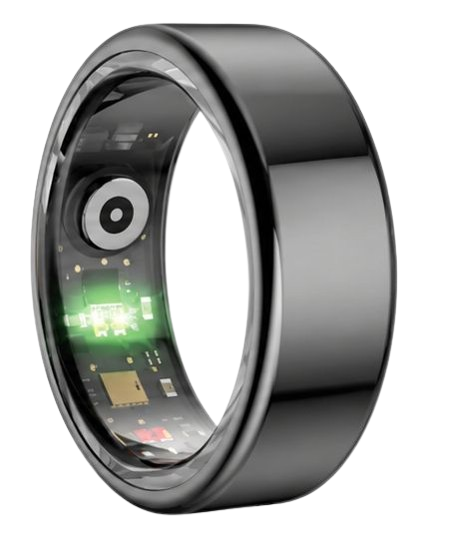
Clinical research indicates that over 70% of women experience acute hormonal sleep disruptions during their luteal phase, making **pms insomnia** a highly prevalent and exhausting physical reality. If you are struggling with poor sleep quality, night sweats, or daytime fatigue before your period, the premium Herz P1 Smart Ring can help you decode these critical body signals and take control of your cycle.
Built to Last. Save Up to 69% Today.
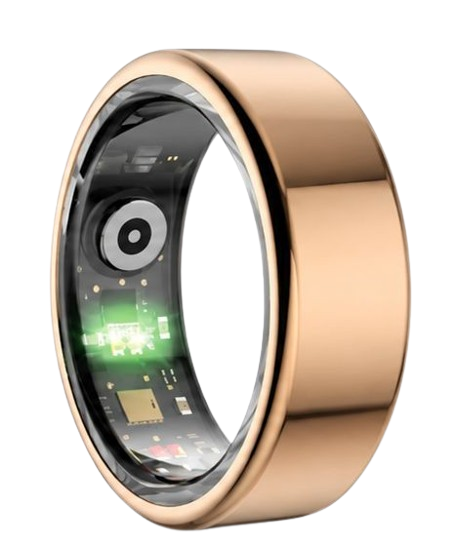
The Herz P1 Smart Ring tracks HRV, Sleep, Heart Rate & SpO2 around the clock. No subscriptions. No renewals. Ever.
In This Article
- The How-To Guide: A step-by-step roadmap to reclaiming your sleep using biofeedback and behavioral interventions.
- The Hormonal Blueprint: Science-backed exploration of progesterone withdrawal, core temperature, and circadian rhythms.
- Dream Architecture: Understanding why the premenstrual phase triggers intense, vivid dreams and micro-arousals.
- Biometric Solutions: How to utilize advanced wearable data to optimize your luteal phase and avoid sleep anxiety.
How to Overcome Premenstrual Sleep Disruptions: A Step-by-Step Guide
Prerequisites and Preparation
Reclaiming your sleep during the late luteal phase requires proactive physiological preparation.
You will need a reliable method to track your menstrual cycle dates, standard sleep-hygiene tools, and a way to monitor biometric shifts.
By preparing your body five to seven days before your period, you can mitigate the sudden drop in sleep-inducing hormones.
-
Step 1: Map Your Personal Luteal Phase Baseline
Begin by tracking the exact length of your menstrual cycle to identify when your luteal phase begins.
The luteal phase starts immediately after ovulation and typically lasts 12 to 14 days.
During this time, pay close attention to subtle shifts like mild anxiety, breast tenderness, or initial sleep issues.
Using a premenstrual insomnia tracking tool allows you to anticipate these changes before they disrupt your night.
Knowing your cycle timeline prevents you from being caught off guard by sudden nighttime wakefulness.
-
Step 2: Track Your Basal Temperature Shifts
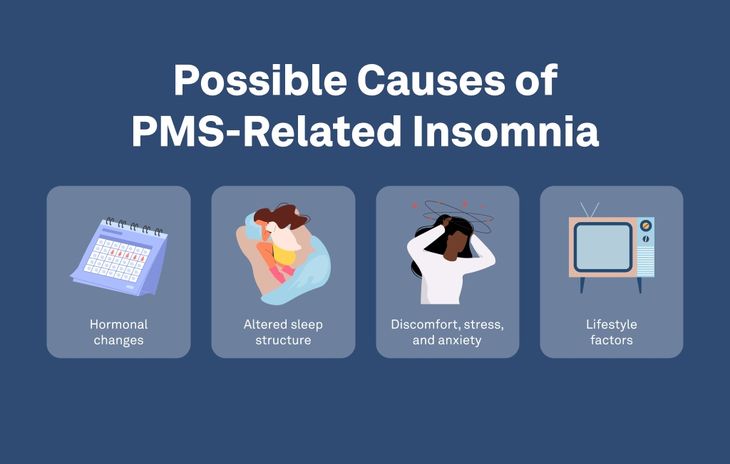
Your body temperature naturally rises by 0.5 to 1.0 degree Fahrenheit after ovulation due to progesterone.
This elevated core temperature directly interferes with your body’s natural cooling process required for deep sleep.
To sleep soundly, you must actively lower your sleeping environment’s ambient temperature to around 65 to 68 degrees.
Many women ask why do i get insomnia before my period without realizing their room is simply too warm.
Adjusting your thermostat or using cooling sheets during these ten days can offset this hormonal temperature spike.
-
Step 3: Establish a Melatonin-Supportive Evening Routine
Estrogen and progesterone drops can suppress your body’s natural melatonin synthesis in the late luteal phase.
To combat this, avoid all blue-light exposure from screens at least two hours before going to bed.
Dim the lights in your living area to signal your brain that it is time to produce melatonin.
This simple practice significantly reduces the difficulty sleeping before period starts.
Consistency here is crucial because your circadian rhythm is exceptionally sensitive during this premenstrual window.
-
Step 4: Practice Targeted Autonomic Down-Regulation
Premenstrual hormonal changes can trigger a heightened sympathetic nervous system, leaving you in a “fight-or-flight” state.
Spend fifteen minutes before bed practicing deep, slow diaphragmatic breathing to activate your parasympathetic nervous system.
Focusing on a slow exhalation pattern helps lower your resting heart rate and stabilize your nervous system.
This physical down-regulation is incredibly effective at addressing the root causes of pms and sleeplessness.
It shifts your brain away from pre-sleep anxiety and prepares your muscles for restorative rest.
-
Step 5: Optimize Magnesium and Evening Hydration
Magnesium levels often dip during the premenstrual phase, contributing to muscle tension and physical restlessness.
Consider taking a highly bioavailable magnesium supplement, such as magnesium glycinate, with your evening meal.
Be sure to limit your fluid intake after 7:00 PM to prevent disruptive middle-of-the-night bathroom trips.
Frequent nighttime waking is a primary factor in severe pmdd insomnia symptoms.
Supporting your body with the right minerals helps calm your physical state and promotes continuous, deep sleep stages.
Harnessing Continuous Biofeedback to Master Your Cycle
While behavioral adjustments are powerful, tracking their real-time impact on your body provides the ultimate advantage.
The Herz P1 Smart Ring works silently in the background to capture these physiological changes.
It continuously monitors your heart rate variability (HRV), resting heart rate, and core temperature trends without any bulky wrist straps.
By reviewing this personalized data, you can see exactly which habits are helping you sleep better and make adjustments.
The Hormonal Blueprint Behind Premenstrual Insomnia and Sleep Architecture

According to the National Sleep Foundation, hormonal fluctuations are the primary driver of sleep issues in healthy women.
To understand why this happens, we must look closely at the endocrine changes occurring during your luteal phase.
Progesterone is typically known as a calming hormone because it acts on GABA receptors in the brain to promote relaxation.
However, during the late luteal phase, both progesterone and estrogen levels drop dramatically if pregnancy has not occurred.
This sudden withdrawal of progesterone can cause acute rebound insomnia and fragment your sleep architecture.
Without adequate progesterone, your brain struggles to initiate and maintain the deep, slow-wave sleep stages.
This drop can also trigger night sweats, leaving you dealing with uncomfortable pms sleep disruption.
Furthermore, these hormonal shifts directly affect your body’s master circadian pacemaker, the suprachiasmatic nucleus.
This disruption can suppress your evening melatonin surge, making it incredibly difficult to fall asleep at your usual time.
Understanding these biological mechanisms can help reframe your sleep issues from a frustrating mystery into a manageable physiological phase.
Vivid Dreams, Nightmares, and Temperature Spikes in the Luteal Phase
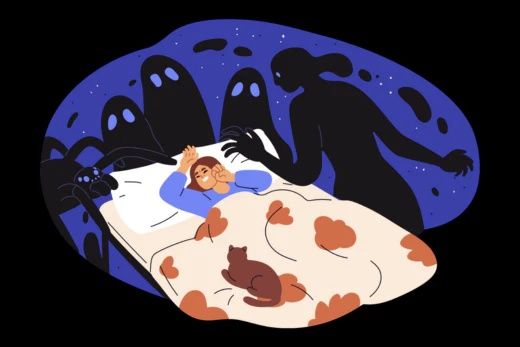
Many women report a surge in bizarre, highly emotional, or intense dreams in the days leading up to their period.
This dreaming phenomenon is closely tied to how progesterone and estrogen levels impact rapid eye movement (REM) sleep.
As these hormone levels fluctuate, your REM sleep stages can become highly fragmented and unstable.
This fragmentation often leads to frequent micro-arousals, which are brief moments of waking that you might not even remember.
When you wake up directly from a REM cycle, you are much more likely to vividly recall your dreams.
This is why so many women experience highly memorable vivid dreams before period starts.
These hormonal changes can also increase overall sleep anxiety, turning standard dreams into distressing nightmares during period cycles.
Additionally, your elevated premenstrual core temperature can cause physical restlessness during these dreaming states.
A higher body temperature makes it harder for your brain to settle into deep, restorative non-REM sleep.
Instead, your brain remains in a lighter, more active sleep state, leaving you feeling mentally exhausted the next morning.
Decoding Luteal Phase Body Metrics: Heart Rate Variability and Core Temperature
To effectively manage premenstrual sleep issues, you need to understand what is happening inside your body in real time.
Your autonomic nervous system is divided into two branches: the sympathetic “fight-or-flight” system and the parasympathetic “rest-and-digest” system.
Heart rate variability (HRV) measures the variations in time between each consecutive heartbeat.
A higher HRV generally indicates that your body is resilient, relaxed, and recovering well from stress.
Conversely, a low HRV suggests that your sympathetic nervous system is highly active, leaving you in a state of physical stress.
During the luteal phase, the sudden drop in estrogen often causes a notable dip in your nightly HRV.
This biometric shift indicates that your body is working harder to maintain balance, leaving you more vulnerable to stress-induced insomnia.
The Herz P1 Smart Ring continuously monitors these HRV trends while you sleep, providing a clear window into your nervous system.
It also tracks your skin temperature deviations, helping you pinpoint the exact night your luteal temperature spike begins.
Having access to this personalized data allows you to make informed decisions about your daily activity levels and sleep hygiene.
If you see your HRV is low and your temperature is elevated, you can prioritize gentle recovery and a cooler bedroom environment.
The Pitfalls of Bulk and the Hidden Cost of Wearable Subscriptions
Many health-conscious individuals try to track their sleep using bulky, screen-heavy smartwatches.
However, wearing a heavy, glowing device on your wrist can actually make sleep issues worse.
Bulky smartwatches can easily press against your skin or catch on your bedsheets, causing disruptive micro-awakenings.
Bright screens that light up with every wrist movement can also interfere with your natural melatonin production.
A lightweight, screen-free smart ring is a much more comfortable and non-intrusive alternative for overnight tracking.
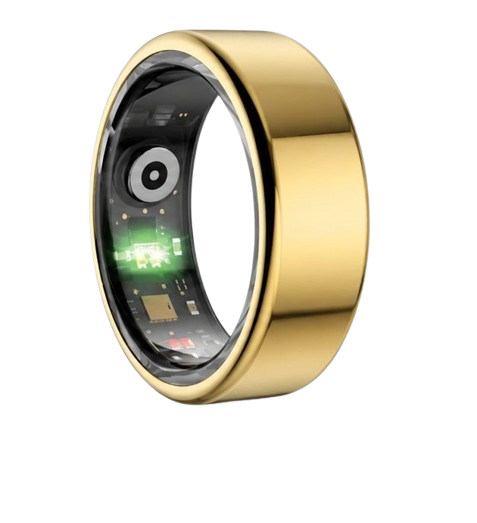
The Herz P1 Smart Ring is crafted from ultra-light, military-grade steel that you will barely feel on your finger.
Beyond physical comfort, many wearable brands trap users with expensive monthly subscription fees just to access their basic health data.
We believe that you should never have to pay a monthly fee to view your own biological information.
The Herz P1 App is completely free for lifetime, with no hidden paywalls, subscription models, or extra fees.
This approach allows you to focus on your health and cycle patterns without worrying about ongoing financial commitments.
Frequently Asked Questions About Managing PMS Sleep Issues
Is the Herz P1 Smart Ring fully waterproof?
Yes, the Herz P1 features a robust IP68 waterproof rating, making it completely safe for swimming, showering, and daily handwashing.
It can withstand continuous submersion up to 164 feet, allowing you to track your biometrics without worrying about water damage.
How long does the battery last on a single charge?
The Herz P1 delivers up to 6 days of continuous battery life on a single charge under standard monitoring conditions.
It charges from 0% to 100% in under one hour, making it easy to pop on the charger while you shower and never miss a night of tracking.
Which finger is the best option for wearing the smart ring?
For the most accurate biometric readings, we recommend wearing the Herz P1 on your index, middle, or ring finger.
The blood vessels in these fingers are highly accessible to the optical sensors, ensuring reliable data collection.
Can the ring store my biometric data offline if my phone is disconnected?
Yes, the Herz P1 has built-in local memory that can store up to 7 days of biometric data offline.
Once you open the app and reconnect your phone via Bluetooth, your data will sync automatically and update your health dashboard.
90-Day 100% Money-Back Guarantee
“The Herz Smart Ring helps me manage stress easily. It’s accurate, stylish, and lightweight—perfect for my busy life!”
— Jennifer P. | ✔ Verified Customer
- ✓ 6-Day Battery Life
- ✓ Detailed Sleep Analysis
- ✓ Fast 1-Hour Charging
- ✓ iOS & Android Ready
Questions? Call: 1-866-479-1629
Conclusion
Managing hormonal sleep issues does not have to be an ongoing struggle.
By understanding your body’s biometric patterns, you can make proactive lifestyle changes and sleep soundly all month long.
Ready to monitor your health every day? Explore the Herz P1 Smart Ring and see if it fits your lifestyle. Call: 1-866-479-1629 — our team can help you advise on the correct ring size and set personalized health goals.
