

Clinical studies show that up to 70% of women with premenstrual dysphoric disorder face severe sleep disruptions, making pmdd insomnia a highly exhausting monthly battle. Fortunately, the revolutionary Herz P1 smart ring tracks critical physiological signals, helping you decode these hormonal sleep issues. This comprehensive guide outlines the biological triggers behind your sleepless nights and provides a clear, natural strategy to restore your sleep cycle.
Built to Last. Save Up to 69% Today.
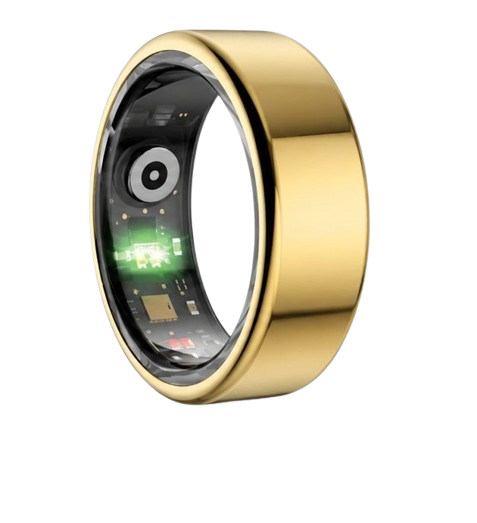
The Herz P1 Smart Ring tracks HRV, Sleep, Heart Rate & SpO2 around the clock. No subscriptions. No renewals. Ever.
In This Article
- Natural Sleep Recovery: A practical step-by-step blueprint to reclaim your rest during the luteal phase.
- Endocrine Insights: The underlying science of progesterone, GABA sensitivity, and premenstrual insomnia.
- Biometric Diagnostics: How to utilize heart rate variability, skin temperature trends, and SpO2 levels to manage your cycle.
- Smart Ring Tech: Overcoming the comfort and pricing traps of bulky screen-based wearables.
How to Overcome PMDD Insomnia Naturally: A Step-by-Step Recovery Guide
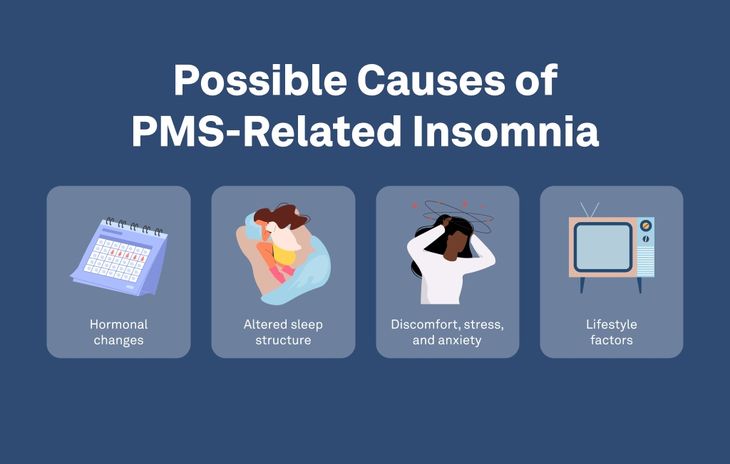
First, you must understand that tracking sleep and hormones requires patience.
You will need a reliable tracking method to capture your daily biological shifts.
A quiet, dark bedroom is also crucial for setting up your environment for success.
Finally, commitment to a structured evening routine is essential to see real change.
-
Step 1: Track and Map Your Cycle Phases
Hormonal mapping is the cornerstone of managing difficulty sleeping before period.
Start by recording the exact day your menstruation begins each month.
Count forward to estimate when your luteal phase, which starts after ovulation, begins.
During this phase, keep a daily journal of physical symptoms like bloating and breast tenderness.
Note down emotional changes such as heightened irritability or sudden mood drops.
This systematic tracking reveals the distinct patterns of your unique hormonal cycle.
Understanding these shifts helps you anticipate when premenstrual insomnia is likely to peak.
-
Step 2: Implement Targeted Chronotherapy and Light Exposure
Exposure to light regulates your central biological clock, located in the brain’s hypothalamus.
Receiving natural morning sunlight tells your body to stop producing melatonin immediately.
This morning light exposure increases your daytime alertness and energy levels.
In the evening, reduce your exposure to bright screens at least two hours before bed.
The blue light emitted from phones trick your brain into thinking it is still daytime.
This artificial light exposure delays the natural release of melatonin, causing sleeplessness.
Using blue-light blocking glasses is a practical way to protect your evening rest.
Consistent light timing is a powerful defense against pms sleep disruption.
-
Step 3: Optimize Luteal Phase Nutrition and Supplementation
Hormonal imbalances during PMDD can deplete your body of essential sleep minerals.
Taking a high-quality magnesium glycinate supplement helps relax tight skeletal muscles.
Magnesium also binds to GABA receptors, promoting a deep sense of physical calm.
Vitamin B6 acts as an essential co-factor in the synthesis of calming neurotransmitters.
Include foods rich in tryptophan, such as turkey and pumpkin seeds, in your dinner.
Avoid drinking caffeinated beverages past noon to protect your sleep architecture.
Limiting alcohol intake prevents late-night arousal and stabilizes your sleeping heart rate.
Managing your diet carefully reduces the physiological triggers behind pms and sleeplessness.
-
Step 4: Engage in Autonomic Nervous System Down-Regulation
High stress levels during the luteal phase can keep your sympathetic nervous system active.
This physical state of high alert makes falling into a peaceful sleep nearly impossible.
You can counter this alertness by practicing slow, deep breathing for ten minutes.
Inhale slowly through your nose for four seconds, hold for four, and exhale for eight.
This specific breathing pattern stimulates the vagus nerve to slow your heart rate.
As your heart rate decreases, your body receives a powerful signal that it is safe to rest.
Consistent practice helps break the vicious cycle of anxiety and insomnia before period.
-
Step 5: Refine Your Sleep Environment for Core Temperature Drops
Your body must experience a core temperature drop of about two degrees to initiate sleep.
Elevated progesterone levels during the luteal phase make this temperature drop difficult.
You can help your body cool down by taking a warm bath ninety minutes before bed.
The warm water dilates your blood vessels, causing rapid heat loss once you exit the bath.
Ensure your bedroom is dark, quiet, and well-ventilated to encourage thermal cooling.
Using a cooling mattress pad or a quiet fan can also assist your body’s thermal regulation.
Optimizing your bedroom temperature is a proven strategy to mitigate pms insomnia.
Enhancing Your Strategy with the Herz P1
While these steps are highly effective, tracking your progress manually is incredibly difficult.
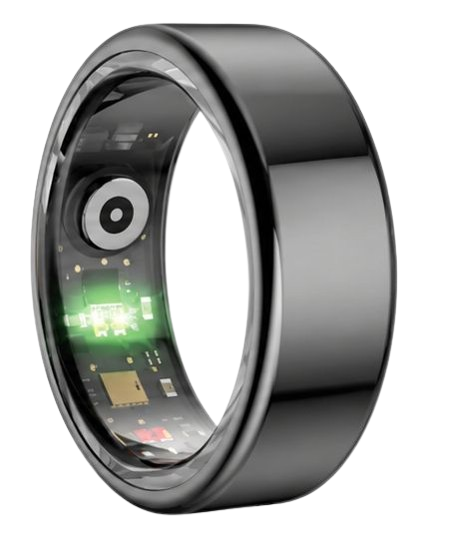
The Herz P1 Smart Ring simplifies this entire process by collecting biometric data effortlessly.
Our ring monitors your skin temperature trends continuously to show how hormonal shifts affect you.
It logs your heart rate variability throughout the night, revealing your actual stress recovery.
With this detailed automated tracking, you can easily see which lifestyle changes are working.
You can experiment with different bedtimes, supplements, and temperatures to find what works.
The Herz P1 gives you the precise insights needed to reclaim your sleep and overall health.
90-Day 100% Money-Back Guarantee
“The Herz Smart Ring helps me manage stress easily. It’s accurate, stylish, and lightweight—perfect for my busy life!”
— Jennifer P. | ✔ Verified Customer
- ✓ 6-Day Battery Life
- ✓ Detailed Sleep Analysis
- ✓ Fast 1-Hour Charging
- ✓ iOS & Android Ready
Questions? Call: 1-866-479-1629
The Hormonal Blueprint: What Causes PMDD Sleeplessness and Sleep Disruptions?

To understand the root of your sleep issues, we must look at the endocrine system.
Understanding why do i get insomnia before my period requires looking closely at endocrine fluctuations.
The luteal phase of your cycle is characterized by a rapid surge and fall of hormones.
Progesterone is normally a highly sedating hormone that promotes deep, peaceful rest.
It converts into allopregnanolone, which acts on GABA receptors to calm brain activity.
However, women with PMDD have a genetic sensitivity that alters this chemical relationship.
In their brains, allopregnanolone triggers a paradoxical response of severe anxiety and panic.
Instead of feeling sleepy, they experience an intense state of hyperarousal and panic.
The National Sleep Foundation confirms that this chemical shift causes severe insomnia.
At the same time, estrogen levels plunge sharply during the late luteal phase of the cycle.
Estrogen plays a key role in regulating serotonin, the chemical responsible for positive mood.
Serotonin is also the essential biological building block for melatonin production.
When estrogen and serotonin crash, your body struggles to synthesize enough melatonin.
This lack of melatonin disrupts your circadian rhythm, making it hard to fall asleep.
Progesterone also raises your basal body temperature by up to one full degree.
This slight elevation prevents the natural cooling your body needs to enter deep sleep.
Without this cool-down, you may remain stuck in lighter, less restorative sleep stages.
You may also experience frequent night wakings and highly active, unsettling dreams.
These dreams are often remembered as vivid dreams before period, leaving you exhausted by morning.
Allopregnanolone usually works to modulate the brain’s response to daily stress.
In healthy individuals, this modulation leads to a calm, relaxed mental state.
But in women with PMDD, this chemical path triggers an alarm signal instead.
This neurological misfire explains the sudden onset of premenstrual panic and alertness.
The drop in estrogen also affects your brain’s natural temperature-regulating center.
This center, known as the hypothalamus, becomes highly sensitive to external temperatures.
This sensitivity can cause sudden night sweats and hot flashes that wake you up.
Decoding the Biometric Data: How HRV, Body Temperature, and SpO2 Track Your Luteal Phase
Using objective biometric data is the most reliable way to monitor these internal changes.
Heart Rate Variability, or HRV, is one of the most valuable metrics for tracking stress.
According to the American Heart Association, a higher HRV indicates a highly resilient nervous system.
A high score shows that your parasympathetic system is successfully keeping you calm.
In contrast, a low HRV score means your body is stuck in a stressful fight-or-flight state.
Hormonal fluctuations during PMDD can cause your nightly HRV scores to plummet dramatically.
This plunge reveals that your body is physically struggling to recover from hormonal shifts.
The Herz P1 Smart Ring measures your HRV every five minutes to give you real-time feedback.
You can see exactly how many hours your body spends in a state of high stress.
Additionally, keeping an eye on your blood oxygen saturation, or SpO2, is vital.
Healthy SpO2 levels should remain consistently above ninety-five percent throughout the night.
Hormonal changes can sometimes affect your upper airways, causing minor breathing disruptions.
The Herz P1 tracks these oxygen saturation levels continuously while you sleep.
If your oxygen drops, the app will alert you to explore potential breathing issues.
Finally, understanding your overall sleep architecture is key to managing chronic fatigue.
Our smart ring breaks down your sleep stages into light, deep, and REM sleep.
Deep sleep is essential for physical recovery, tissue repair, and immune health.
REM sleep is critical for memory consolidation and emotional processing in the brain.
By analyzing these stages, you can see if hormone shifts are cutting your deep sleep short.
Your autonomic nervous system has two primary branches: sympathetic and parasympathetic.
The sympathetic branch acts like an accelerator, preparing your body for action.
The parasympathetic branch acts like a brake, helping your body rest and digest.
HRV measures the millisecond-by-millisecond variation in time between consecutive heartbeats.
When you are relaxed, the parasympathetic system creates highly irregular intervals.
When you are stressed, the sympathetic system forces the heart to beat in a rigid, regular rhythm.
This rigid rhythm results in a significantly lower HRV score on your tracker.
Practical Application: Optimizing Your Rest with the Herz P1 Health Companion

Learning to interpret your health metrics is the first step to optimizing your life.
The Herz P1 App displays your biometric trends in clean, easy-to-read charts.
Each morning, sync your ring to update your health dashboard with the latest data.
Pay close attention to your daily Readiness Score to plan your physical activity.
If your skin temperature trend is elevated, consider sleeping in a cooler bedroom.
You can also wear lighter pajamas or use a cooling fan to lower your core temperature.
Review your HRV trends to see if your evening meditation is effectively reducing stress.
If your HRV remains low, prioritize gentle activities like walking or restorative yoga.
This data-driven approach takes the guesswork out of managing your weekly recovery.
The Herz P1 Smart Ring is designed for twenty-four-hour continuous wear with ultimate comfort.
It weighs only a few grams, making it far more comfortable than a heavy smartwatch.
You can wear it to bed, during workouts, and in the shower without any irritation.
Its long-lasting battery means you only need to charge it once a week.
This seamless integration allows you to focus on your recovery without constant maintenance.
The Herz P1 App uses these continuous measurements to calculate your daily recovery index.
This recovery index helps you decide if your body needs rest or physical exercise.
For example, a high recovery index suggests you can take on a heavy strength workout.
A low recovery index indicates that your nervous system requires gentle, restorative movement.
By aligning your workouts with your cycle, you can minimize physical stress and fatigue.
You will also notice a significant improvement in your sleep quality over time.
Overcoming Risks & Common Wearable Mistakes
Many people struggle to track their sleep because they wear heavy, uncomfortable smartwatches.
These bulky devices can press into your wrist, causing pain and disrupting your rest.
They also require frequent charging, meaning you often miss tracking your sleep stages.
Furthermore, many premium fitness trackers lock your personal data behind expensive monthly subscriptions.
We believe that your biometric data belongs to you, and you should never pay to see it.
The Herz P1 App is completely free for a lifetime, with zero hidden subscription costs.
You get full access to all sleep, heart rate, and stress metrics from day one.
Our ring is also crafted from military-grade steel, ensuring maximum durability for years.
It is fully waterproof up to IP68 standards, allowing you to swim and bathe safely.
Choosing a subscription-free, durable smart ring is the smartest investment for your health.
Many smartwatches also feature bright screens that can light up accidentally at night.
This sudden glare can wake you up and disrupt your deep sleep cycles.
Our smart ring has no screen, eliminating any risk of overnight light disturbance.
It sits quietly on your finger, collecting accurate data without drawing any attention.
Frequently Asked Questions About Herz P1 and PMDD
Yes, the Herz P1 features a premium IP68 waterproof rating.
You can submerge the ring safely in water up to one hundred and sixty-four feet deep.
It is perfectly safe for swimming, showering, washing dishes, and sweaty workouts.
You never need to remove your ring during your daily water activities.
The Herz P1 Smart Ring boasts an impressive six-day battery life under normal tracking conditions.
It charges from zero to one hundred percent in less than one hour.
This ultra-fast charging capability means you will almost never miss a minute of biometric data.
We recommend charging it briefly while you take your morning shower.
For the highest level of sensor accuracy, we recommend wearing the ring on your index, middle, or ring finger.
The index finger of your non-dominant hand typically provides the strongest blood flow signal.
Ensure the ring fits snugly but comfortably without rotating too easily.
A secure fit is vital for capturing accurate photoplethysmography data.
Yes, the ring has an onboard memory that stores up to seven days of biometric data offline.
You do not need to keep your smartphone nearby or connected to Bluetooth constantly.
Once you open the app, the stored data will sync automatically and securely to your phone.
This feature is perfect for digital detoxes or camping trips.
Premenstrual dysphoric disorder is a much more severe form of premenstrual syndrome.
While PMS causes mild sleep issues, PMDD triggers intense, debilitating insomnia.
This severity is due to an extreme neurological sensitivity to normal hormonal shifts.
Women with PMDD experience higher levels of bedtime anxiety and nocturnal panic attacks.
This intense psychological distress makes standard sleep hygiene tips less effective on their own.
Understanding this difference is key to seeking the right medical and lifestyle support.
Yes, regular daytime exercise is a powerful natural tool to improve sleep quality.
Physical activity increases your sleep drive, helping you fall asleep faster at night.
It also stimulates the release of endorphins, which reduce anxiety and elevate mood.
However, you should avoid intense workouts within three hours of your bedtime.
Late workouts can elevate your core temperature and keep your heart rate high.
Use your Herz P1 morning recovery score to choose the best exercise intensity.
Your basal body temperature naturally shifts in response to progesterone levels.
Tracking this daily temperature trend allows you to predict when ovulation occurs.
It also helps you pinpoint the exact start of your symptomatic luteal phase.
By knowing when your temperature rises, you can proactively cool your bedroom.
This simple temperature tracking helps you stay ahead of hormonal sleep disruptions.
The Herz P1 monitors these skin temperature trends automatically while you sleep.
Yes, the Herz P1 is completely safe to wear throughout your pregnancy.
It uses passive, non-invasive optical sensors that emit no harmful radiation.
Tracking your sleep and resting heart rate is highly beneficial during this time.
Pregnancy causes significant cardiovascular and hormonal changes that affect your sleep.
Monitoring these trends helps you keep your healthcare provider informed about your recovery.
Our military-grade ring is a reliable health companion for every stage of life.
Conclusion
Overcoming pmdd insomnia is easier when you have clear, precise biometric data.
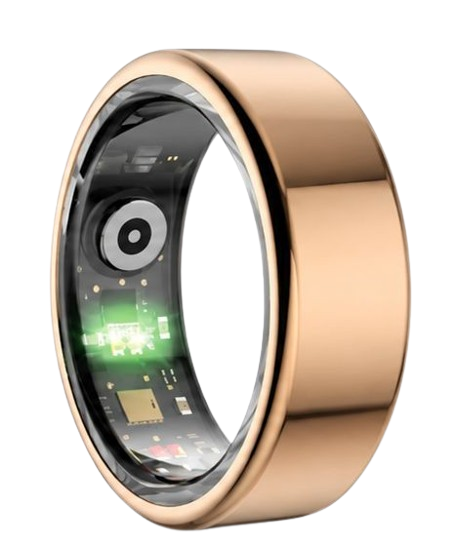
The Herz P1 Smart Ring is your ultimate companion for tracking sleep and recovery.
Ready to monitor your health? Explore the Herz P1 Smart Ring and see if it fits your lifestyle. Call: **1-866-479-1629** — we will help you choose your correct size.
Note: Individual results may vary depending on individual health conditions, age, and lifestyle habits. This article is intended for general health reference purposes only.
