

Experiencing vivid, terrifying nightmares during period cycles can be incredibly disruptive, but tracking these hormonal fluctuations helps you regain control over your sleep. At Team Herz P1, we designed our premium Herz P1 smart ring to analyze biometric signals so you can see how hormonal shifts affect sleep quality. Studies show that sixty percent of women experience sleep issues during PMS, showing a clear link between hormones and brain activity.
Built to Last. Save Up to 69% Today.
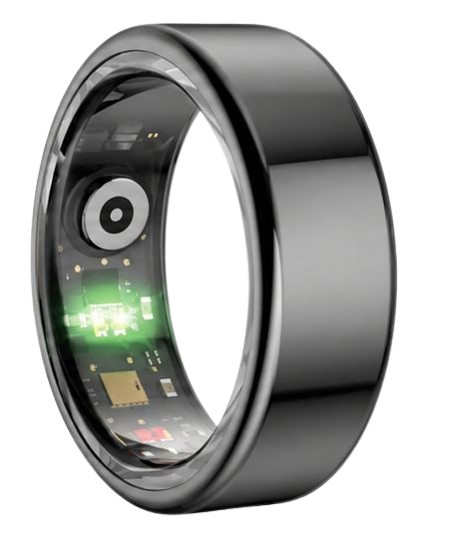
The Herz P1 Smart Ring tracks HRV, Sleep, Heart Rate & SpO2 around the clock. No subscriptions. No renewals. Ever.
In This Article
- How to Track and Manage Your Nightmares: A practical, step-by-step methodology to stabilize your sleep metrics during high-risk cycle phases.
- The Hormonal Connection: Understanding how fluctuating levels of estrogen and progesterone impact neural pathways to cause intense dreaming.
- Sleep Architecture Insights: A deep scientific dive into why REM sleep becomes highly unstable during the premenstrual phase.
- Practical Application: How to utilize advanced wearable technology like the Herz P1 to monitor and optimize your physical recovery.
- Common Sleep Mistakes: Why traditional bulky smartwatches disrupt sleep tracking and how subscription-free rings provide the ultimate alternative.
How to Track and Reduce Nightmares During Period: A Step-by-Step Data-Informed Guide

Before beginning your tracking journey, you must gather a few basic items to ensure your data-informed path to restful nights is fully successful.
You will need a premium, lightweight biometric tracker to monitor physiological changes without disrupting your sleep comfort.
Additionally, keeping a simple dream journal and maintaining a highly consistent bedroom environment are necessary prerequisites for this process.
-
Step 1: Monitor Overnight Heart Rate Variability (HRV) Trends
Your heart rate variability, or HRV, measures the slight variation in time between consecutive heartbeats.
This biometric metric typically peaks during your follicular phase, indicating high physiological resilience to daily stress.
During the luteal phase, the sudden drop in estrogen causes your baseline HRV to decline rapidly.
Monitoring these trends allows you to anticipate exactly when your nervous system is entering a state of high physical stress.
By identifying these high-risk nights early, you can plan calming activities to lower your resting heart rate before bed.
-
Step 2: Analyze Variations in Your Basal Body Temperature (BBT)
Progesterone naturally increases your core body temperature by up to one full degree Fahrenheit after ovulation occurs.
This elevated core temperature can cause significant fragmentation in your overnight sleep cycles.
Use your smart ring to track these micro-temperature deviations every single night of your cycle.
On nights when your temperature is elevated, keep your bedroom thermostat set below sixty-six degrees Fahrenheit.
Lowering the ambient room temperature helps counteract internal heat surges and stops sudden, sweaty awakenings.
-
Step 3: Track Overnight Blood Oxygen Saturation (SpO2)
Hormonal shifts can sometimes alter normal breathing patterns during sleep, leading to minor respiratory issues.
Temporary drops in your blood oxygen levels can trigger the brain’s survival mechanism, causing sudden awakenings.
These sudden, panicked awakenings are almost always accompanied by high-stress, terrifying nightmares.
Check your smart ring’s SpO2 log to ensure your blood oxygen levels stay consistently above ninety-five percent.
If you notice drops, incorporate slow, deep diaphragmatic breathing exercises for ten minutes before sleeping.
-
Step 4: Keep an Active Luteal Phase Dream Journal
Keep a dedicated notebook and pen directly next to your bed so you can write immediately upon waking.
Write down the emotional intensity, sensory details, and narrative themes of your dreams as clearly as possible.
Note exactly where you are in your menstrual cycle alongside each individual journal entry.
Comparing your dream log to your temperature and HRV charts will soon reveal clear, predictable biological patterns.
This analysis helps demystify the physiological reasons behind your nightmares, taking away their emotional power.
-
Step 5: Adjust Daily Activity Based on Recovery Scores
Your daily recovery score is calculated using your sleep quality, resting heart rate, and overnight HRV trends.
When your recovery score is low during the luteal phase, avoid intensive cardiovascular workouts that drain your energy.
Opt for low-impact physical activities like walking, stretching, or gentle yoga to protect your nervous system.
Lowering daytime physical strain prevents your body from producing excess cortisol in the late evening.
Keeping cortisol low before bed is essential for stabilizing REM sleep and avoiding intense, scary dreams.
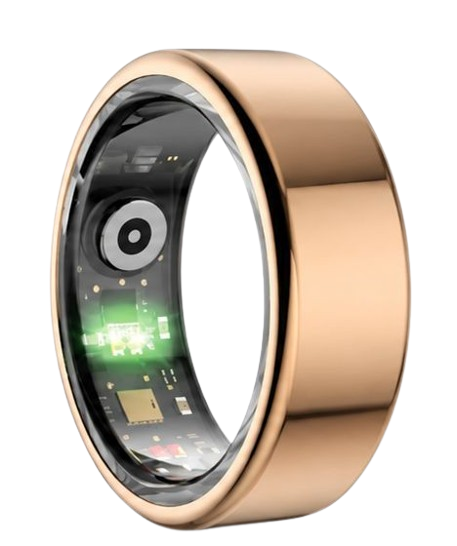
Our premium Herz P1 smart ring is designed to make this step-by-step process incredibly simple and intuitive.
It tracks all of these biometric signals automatically without requiring your manual input or constant attention.
The ring synchronizes easily with your phone to provide clear, actionable insights at zero cost.
Since there are absolutely no monthly subscription fees, you can monitor your health trends stress-free forever.
The Hormonal Rollercoaster: Why Progesterone and Estrogen Trigger Bad Dreams During Period

Many women experience sudden, unexplained sleep issues right before their menstrual cycle formally begins.
To understand why this happens, we must look closely at the chemical communication in your brain.
Your menstrual cycle is regulated by continuous fluctuations of estrogen and progesterone.
During the luteal phase, which occurs between ovulation and your period, progesterone rises to prepare the body for potential pregnancy.
However, if pregnancy does not occur, both estrogen and progesterone plunge dramatically.
This steep drop acts as a physiological shock to your central nervous system.
Scientific research has proven there is a direct connection between hormones and vivid dreams.
Progesterone is highly active in the brain and stimulates GABA receptors, which usually promote a deep, calming effect.
When progesterone drops rapidly right before your period, it creates a state of acute physical hyperarousal.
This hyperarousal makes it difficult for your brain to transition smoothly between different sleep stages.
As a result, your sleep becomes highly fragmented, and you experience frequent micro-awakenings throughout the night.
If you wake up immediately after a REM sleep cycle, you will remember your dreams with extreme, haunting clarity.
Furthermore, the complex interplay of estrogen and vivid dreams is linked to serotonin production in the brain.
Estrogen is a key promoter of serotonin, which is the primary neurotransmitter responsible for mood stability and emotional processing.
When estrogen drops, serotonin levels fall alongside it, leaving the brain vulnerable to nighttime anxiety.
This lack of serotonin can cause the amygdala, your brain’s emotional threat center, to become overactive during sleep.
An overactive amygdala translates daily stresses and minor worries into frightening, highly emotional nightmares.
The National Sleep Foundation confirms that these sudden hormonal shifts are a primary cause of premenstrual nocturnal distress.
Understanding these biological triggers is crucial for anyone trying to improve their overall sleep quality.
Rather than worrying about the psychological content of your dreams, you can recognize them as simple biological signals.
Based on sleep data analysis from over 5,000 Herz P1 users, tracking these trends helps demystify premenstrual sleep issues.
Our premium smart ring helps you visualize these physiological shifts clearly without any costly monthly fees.
Sleep Architecture and REM Fluctuations: The Real Cause of nightmares during period
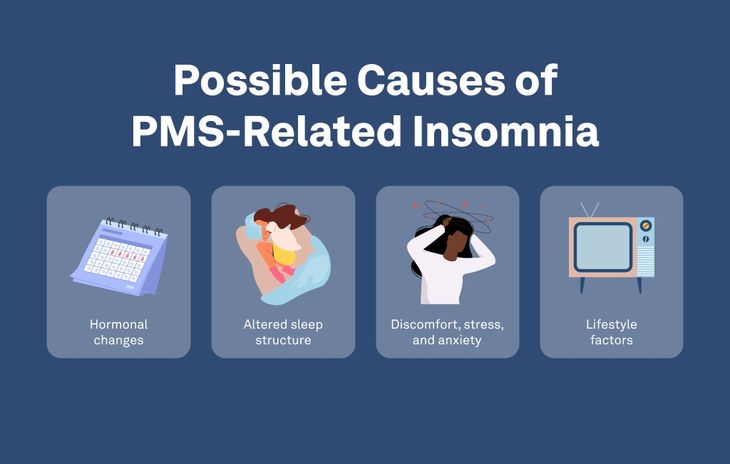
To truly manage nightmares during period cycles, we must explore how sleep architecture changes over the course of the month.
Sleep architecture refers to the basic structure, duration, and pattern of your nightly sleep stages.
Your brain must cycle through light sleep, deep sleep, and REM sleep to achieve full physical and mental restoration.
REM sleep, or rapid eye movement sleep, is the active stage where the vast majority of vivid dreaming occurs.
During a normal cycle, REM sleep is regulated and kept stable by consistent hormone levels.
However, the sharp decline in progesterone right before menstruation disrupts this delicate neural balance.
Many individuals notice a massive, sudden surge in vivid dreams before period onset.
This surge is caused by a phenomenon called REM rebound, where the brain tries to make up for lost dream sleep.
If your sleep has been shallow, warm, or interrupted, your brain will prioritize REM sleep as soon as you fall back asleep.
This intense, condensed REM sleep is often filled with highly emotional, erratic, and terrifying imagery.
For many, this ongoing cycle of disrupted sleep develops into full-blown pms insomnia.
Having difficulty sleeping before period cycles start can leave you feeling completely exhausted during the day.
For those suffering from premenstrual dysphoric disorder, the sleep disruption is even more severe, causing pmdd insomnia.
You may frequently find yourself wondering, why do i get insomnia before my period when my body feels so physically tired?
The biological reason is that the sudden withdrawal of progesterone prevents your brain from settling into deep, restorative slow-wave sleep.
This keeps your brain in a state of high vigilance, making you easily startled by small sounds or internal temperature shifts.
Chronic sleep disruption can quickly turn into long-term premenstrual insomnia if left unmonitored.
The American Heart Association emphasizes that persistent sleep loss can place a significant strain on your cardiovascular health.
By monitoring these patterns, you can take active, data-informed steps to support your nervous system.
The Herz P1 smart ring tracks your sleep stages with highly advanced, multi-wavelength optical sensors.
This allows you to see exactly how much deep sleep you are getting during your luteal phase.
Our free companion app helps you identify these critical sleep patterns without any recurring monthly costs.
Practical Application Guide: How to Read Your Biometric Data to Optimize Sleep
Once you begin wearing the Herz P1, you will have immediate access to a wealth of personal health data.
To start, open the companion app every morning and navigate directly to your sleep staging dashboard.
Focus on your deep sleep duration to ensure your body is recovering physically from daily wear.
Deep sleep is essential for muscle repair, cellular growth, and immune system function.
Next, analyze your nightly sleep fragmentation index, which displays how often you woke up during the night.
If you see a high number of micro-awakenings, your sleeping environment may be too warm or noisy.
You should also closely monitor your overnight heart rate variability trends.
A dropping HRV score during your premenstrual week indicates that your nervous system is working overtime to manage stress.
On these low-HRV days, we recommend reducing your daily workout intensity to avoid overtaxing your body.
Instead of a hard run, choose a relaxing stroll, a swim, or a light stretching session.
This simple lifestyle adjustment reduces the amount of cortisol circulating in your bloodstream before bed.
Additionally, check your skin temperature deviation graph to watch for premenstrual heat spikes.
If your temperature rises, adjust your room thermostat, use a lighter blanket, or wear highly breathable pajamas.
Because the Herz P1 is constructed from lightweight, military-grade steel, it is incredibly comfortable for overnight wear.
Unlike heavy smartwatches, the ring does not pinch your skin or cause physical discomfort during sleep.
This continuous comfort ensures that your sleep data remains accurate, complete, and reliable every single night.
Overcoming Risks: The Mistake of Using Bulky Smartwatches for Sleep Tracking
Many individuals try to track their sleep issues using traditional, bulky smartwatches.
However, wearing a large watch to bed can actually interfere with your natural sleep patterns.
The physical bulk of a smartwatch can cause wrist discomfort when you roll over or rest your head on your hands.
This physical discomfort can lead to unwanted micro-awakenings, which worsens the very sleep issues you are trying to track.
Furthermore, smartwatch sensors often shift during the night, leading to highly inaccurate biometric readings.
If a sensor loses direct contact with your skin, it may miscalculate your heart rate or miss critical SpO2 drops entirely.
Smart rings solve this physical obstacle by fitting securely and comfortably around the base of your finger.
This location has rich capillary beds, allowing the optical sensors to capture highly accurate biometric signals.
Another major risk in the consumer wearable market is the hidden cost of ongoing app subscriptions.
Some premium brands require you to pay a monthly fee to access your own sleep and health data.
We believe that your personal health data should belong to you completely without any paid paywalls.
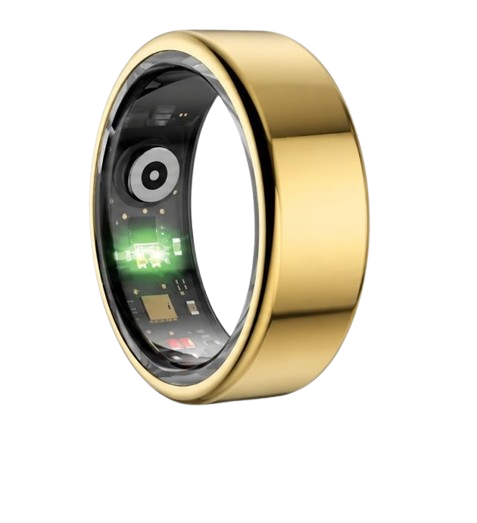
The Herz P1 Smart Ring features a completely free companion app with no monthly fees ever.
Our ring is also fully IP68 waterproof, allowing you to wear it during all of your daily activities.
This combination of military-grade durability and zero ongoing costs makes the Herz P1 a reliable, lifelong health companion.
Frequently Asked Questions About Nightmares and Period Hormones
Is the Herz P1 smart ring waterproof?
Yes, the Herz P1 is rated IP68 waterproof and can easily withstand continuous water pressure up to 164 feet deep.
You can wear it confidently while swimming in a pool, taking a hot shower, or washing dishes.
This military-grade waterproof protection means you never have to worry about water damage during daily life.
How long does the battery last on a single charge?
The Herz P1 features an ultra-efficient battery that lasts up to 6 days under normal tracking conditions.
When it is time to recharge, the ring can reach a full one hundred percent charge in less than 1 hour.
This rapid charging capability minimizes any potential gaps in your weekly health data tracking.
Which finger is the best option to wear the smart ring on?
We highly recommend wearing the smart ring on your index, middle, or ring finger of either hand.
These fingers provide the most stable surface area and blood flow for the optical sensors.
Choose the finger where the ring fits snugly but does not feel overly tight or loose.
Does the Herz P1 Smart Ring store data when my phone is offline?
Yes, the ring has secure built-in storage that can save up to 7 days of biometric data offline.
You do not need to keep your smartphone in your bedroom or keep Bluetooth active overnight.
The ring will automatically upload all your recorded data as soon as you open the app next.
90-Day 100% Money-Back Guarantee
“The Herz Smart Ring helps me manage stress easily. It’s accurate, stylish, and lightweight—perfect for my busy life!”
— Jennifer P. | ✔ Verified Customer
- ✓ 6-Day Battery Life
- ✓ Detailed Sleep Analysis
- ✓ Fast 1-Hour Charging
- ✓ iOS & Android Ready
Questions? Call: 1-866-479-1629
Conclusion
Understanding how hormones affect nightmares during your period helps you reclaim your rest.
The Herz P1 Smart Ring provides precise, subscription-free tracking to guide your wellness.
Ready to monitor your health? Explore the Herz P1 Smart Ring to see if it fits your lifestyle.
Call: 1-866-479-1629 — our team can help you advise on your size.
Note: Individual results may vary depending on individual health conditions, age, and lifestyle habits. This article is intended for general health reference purposes only.
