

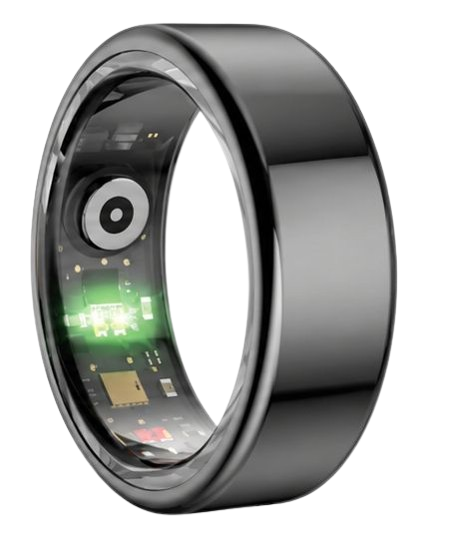
Struggling with pms sleep disruption can leave you completely exhausted, but tracking biological trends helps you reclaim your nights. Studies show nearly 30% of women report disturbed sleep during their premenstrual cycle due to rapid hormonal shifts. Our team at Herz P1 has engineered a subscription-free smart ring to track your body temperature, HRV, and sleep stages, providing the precise data you need to optimize your recovery.
Built to Last. Save Up to 69% Today.
The Herz P1 Smart Ring tracks HRV, Sleep, Heart Rate & SpO2 around the clock. No subscriptions. No renewals. Ever.
In This Article
- Learn a step-by-step approach to managing premenstrual sleep issues.
- Understand the underlying hormonal triggers behind luteal phase restlessness.
- Discover how smart ring optical sensors analyze physical markers during your cycle.
- Find actionable daily habit adjustments to maximize overnight recovery.
- Identify common tracking mistakes and learn how to optimize your device settings.
How to Overcome PMS Sleep Disruption: A Science-Backed Step-by-Step Guide
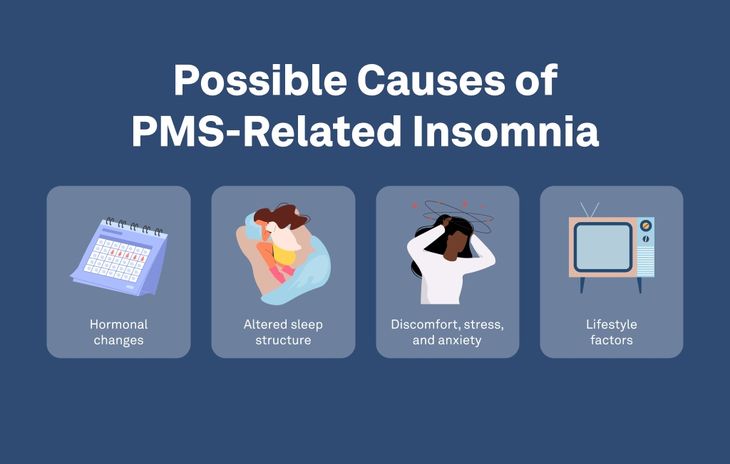
Before beginning this protocol, you should ensure you have a quiet sleep environment and a reliable way to track overnight biometrics.
We recommend using a subscription-free wearable like the Herz P1 Smart Ring to monitor physical data effortlessly.
-
Step 1: Track Your Cycle Phases and Basal Body Temperature Trends
Monitoring physical signals during your menstrual cycle is essential for healthy sleep.
Your body temperature rises naturally by half a degree during your luteal phase.
This temperature change can trigger major difficulty sleeping before period symptoms.
You can notice these shifts early by monitoring your skin temperature every night.
This biometric information allows you to anticipate nights when your rest might be compromised.
Over time, this temperature logging helps you build a highly accurate, personalized cycle calendar.
Knowing exactly when your luteal phase begins gives you a distinct advantage in planning your recovery.
-
Step 2: Optimize Your Evening Thermoregulation and Bedroom Environment
Estrogen levels drop rapidly before your period, affecting your body’s ability to cool down.
This biological shift often leads to night sweats and sudden awakenings.
You can combat pms insomnia by keeping your bedroom temperature between 60 and 67 degrees Fahrenheit.
We suggest using breathable, moisture-wicking bamboo sheets to enhance sleep comfort.
Taking a warm bath ninety minutes before bed also helps trigger a rapid core temperature drop.
You should also wear loose, breathable cotton sleepwear to prevent heat retention.
Setting a small bedside fan can improve air circulation and keep your skin temperature stable.
-
Step 3: Align Your Exercise Intensity and Nutrition with Your Luteal Phase
High-intensity workouts during the late luteal phase can overstimulate your nervous system.
Your body requires more recovery time during this phase due to elevated resting heart rates.
You should pivot to low-impact activities like yoga, pilates, or walking to protect your pms and sleeplessness recovery.
Additionally, avoiding heavy meals or alcohol before bed prevents metabolic temperature spikes.
Eating complex carbohydrates at dinner can also support stable blood sugar levels through the night.
Magnesium-rich foods like spinach and pumpkin seeds can help soothe muscular tension before bed.
Staying well-hydrated throughout the day prevents dehydration-induced heart rate spikes at night.
-
Step 4: Manage Premenstrual Stress Levels Using Real-Time HRV Data
Premenstrual anxiety often triggers a hyperactive sympathetic nervous system.
Your heart rate variability (HRV) will typically drop when physical stress is elevated.
Monitoring your daily HRV score helps you detect anxiety and insomnia before period phases take hold.
When your HRV is low, you should practice deep diaphragmatic breathing for five minutes.
This simple physical practice stimulates your vagus nerve to promote immediate relaxation.
You should check your stress trends inside the mobile application to see when your body feels most strained.
Taking proactive micro-breaks during high-stress hours can protect your evening sleep quality.
-
Step 5: Establish a Consistent Pre-Sleep Wind-Down Ritual
Hormonal fluctuations make your brain highly sensitive to blue light exposure.
Blue light from screens blocks the natural production of sleep-promoting melatonin.
You must turn off all electronic devices at least one hour before trying to sleep.
Replacing screen time with reading or journaling can significantly reduce premenstrual insomnia symptoms.
Consistency in your bedtime routine signals to your nervous system that it is safe to rest.
You can include calming aromatherapy, such as lavender oil, to further relax your senses.
Keeping your wake-up time consistent every morning reinforces a strong circadian rhythm.
Our team at Team Herz P1 designed our tracking technology to support you through these monthly transitions.
The Herz P1 Smart Ring continuously tracks your HRV, sleep stages, and skin temperature trends.
This detailed data is compiled in our free mobile application with zero monthly subscription fees.
By looking at your daily metrics, you can make intelligent decisions to optimize your sleep hygiene.
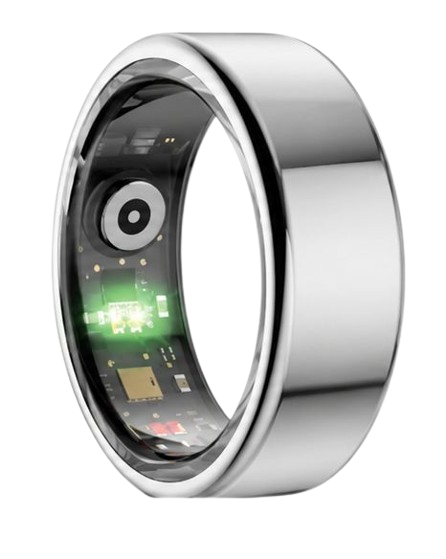
Our military-grade steel construction ensures your device is durable enough for lifetime daily wear.
90-Day 100% Money-Back Guarantee
“The Herz Smart Ring helps me manage stress easily. It’s accurate, stylish, and lightweight—perfect for my busy life!”
— Jennifer P. | ✔ Verified Customer
- ✓ 6-Day Battery Life
- ✓ Detailed Sleep Analysis
- ✓ Fast 1-Hour Charging
- ✓ iOS & Android Ready
Questions? Call: 1-866-479-1629
The Hormonal Landscape: What Causes Premenstrual Sleep Disruption?

To truly understand premenstrual sleep issues, we must examine the endocrine system.
During your monthly menstrual cycle, hormones act as powerful chemical messengers.
In the follicular phase, estrogen dominates to help build the uterine lining.
After ovulation, your body transitions into the luteal phase.
Progesterone levels rise dramatically during this time to prepare for potential pregnancy.
Progesterone has natural sedative qualities that typically support deep rest.
However, if fertilization does not occur, progesterone levels crash rapidly.
This sudden drop triggers the physical shedding of the uterine lining.
It also explains the common question: why do i get insomnia before my period?
This dramatic hormone crash directly destabilizes your brain’s sleep centers.
Progesterone interacts directly with gamma-aminobutyric acid (GABA) receptors in the brain.
GABA is the primary inhibitory neurotransmitter responsible for calming neural activity.
When progesterone falls, GABA activity decreases, leaving your brain in a state of high alertness.
Simultaneously, estrogen levels also hit their lowest point of the cycle.
Estrogen plays a key role in regulating serotonin, which is a precursor to melatonin.
With both hormones depleted, your biological sleep drive is severely weakened.
For some individuals, this hormonal decline is exceptionally severe.
This condition, known as Premenstrual Dysphoric Disorder (PMDD), causes extreme sleep disruption.
Patients experiencing pmdd insomnia often suffer from complete sleep fragmentation.
Furthermore, progesterone is a thermogenic hormone that raises your resting body temperature.
A higher core body temperature prevents your brain from entering deep sleep stages easily.
Your body must cool down by approximately two degrees Fahrenheit to initiate quality rest.
When progesterone levels fluctuate, your internal thermostat becomes highly erratic.
This thermoregulatory dysfunction leads to midnight hot flashes and sweating.
The National Sleep Foundation confirms that these temperature shifts are a primary cause of nocturnal awakenings.
Cortisol levels also show elevated baseline readings during the premenstrual week.
Cortisol is the body’s primary stress hormone, which counters sleep-inducing processes.
This chemical spike triggers a state of physical hyperarousal.
You may find yourself waking up suddenly in the middle of the night with a racing heart.
Your resting heart rate also peaks during this phase, further preventing cardiovascular relaxation.
These complex biological factors make premenstrual sleep issues incredibly difficult to manage without real-time data.
Our team at Team Herz P1 believes that objective metrics can demystify these hormonal patterns.
By tracking these shifts, you can separate subjective feelings from actual biological trends.
This scientific approach helps you make proactive adjustments instead of reacting to poor sleep.
Understanding your endocrine system is the first step toward reclaiming your nightly rest.
How Smart Rings Analyze Your Sleep Quality During the Menstrual Cycle

Biometric technology has advanced rapidly to provide clinical-grade insights at home.
Traditional smartwatches track biometrics from the top of your wrist.
However, the wrist contains thick skin, tendons, and large bones that block optical signals.
In contrast, smart rings sit at the base of your finger.
This anatomical area features an incredibly dense network of superficial capillaries.
This allows optical sensors to read blood flow signals with exceptional accuracy.
Our team at Team Herz P1 utilizes photoplethysmography (PPG) technology.
PPG sensors shine specific light wavelengths through your skin to measure blood volume changes.
The Herz P1 Smart Ring uses green, red, and infrared light spectrums.
Green light tracks your active heart rate during workouts and daily tasks.
Infrared light measures your resting heart rate and heart rate variability (HRV) during sleep.
HRV is the tiny variation in time between each consecutive heartbeat.
A high HRV indicates a rested, resilient autonomic nervous system.
A low HRV shows that your body is experiencing physical or mental stress.
During the premenstrual phase, physical stress naturally increases as hormones decline.
This stress can cause fragmented sleep architectures and shallow REM cycles.
Many women report experiencing strange, highly active vivid dreams before period onset.
Our sleep algorithm tracks these shallow REM phases by analyzing minor movement and heart rate spikes.
The red light sensor continuously measures your blood oxygen saturation (SpO2) levels.
SpO2 tracking ensures that your breathing remains stable throughout the night.
Any drop in blood oxygen can indicate mild airway resistance or sleep apnea trends.
Additionally, the built-in temperature sensor records skin temperature variations every minute.
This allows the ring to establish a highly personal temperature baseline for you.
When your temperature rises above baseline, the app alerts you to expect lighter sleep.
This predictive capability lets you adjust your lifestyle before sleep issues happen.
The ring’s motion sensors also track subtle micro-movements during the night.
These motion data help distinguish between light sleep, deep sleep, and awake states.
Deep sleep is when your body undergoes physical repair and muscle growth.
REM sleep supports cognitive restoration, emotional processing, and memory consolidation.
Analyzing these cycles gives you a complete picture of your overnight recovery.
Our multispectral PPG sensors operate with a very low margin of error compared to medical ECGs.
This high precision ensures that you can trust the data displayed in your application.
Monitoring these sleep stages helps you understand the actual impact of your cycle.
You can see precisely how much deep sleep you lost during a high-temperature night.
This data-driven perspective empowers you to manage your biological wellness with confidence.
Using Your Herz P1 Smart Ring to Maximize Menstrual Sleep Quality
The real power of health tracking lies in translating numbers into positive actions.
When you open the Herz P1 mobile application, you will see a comprehensive Sleep Score.
This score combines deep sleep, REM sleep, light sleep, and awake durations.
During your luteal phase, you may notice your Sleep Score begins to drop.
You should check your skin temperature trend line on the app dashboard.
If your temperature is elevated by 0.4 degrees or more, prepare for lighter sleep.
We recommend lowering your home thermostat by two additional degrees on those nights.
Next, look at your morning HRV Readiness Score before planning your daily exercise.
A high Readiness Score indicates your body has recovered and is ready for intense training.
A depressed Readiness Score means your autonomic nervous system is currently strained.
On strained days during your premenstrual phase, you should reduce your exercise intensity.
Switching to active recovery prevents cortisol spikes that further disrupt nighttime sleep.
Our smart ring is engineered for comfortable, continuous twenty-four-seven wear.
Unlike bulky smartwatches, the Herz P1 is incredibly lightweight and streamlined.
It weighs less than three grams and features an ultra-smooth hypoallergenic inner band.
You will barely feel it on your finger while working, exercising, or sleeping.
Continuous wear is crucial for building a highly accurate historical baseline.
Our algorithm requires just seven days of consistent wear to understand your unique physiology.
Once calibrated, the system provides highly personalized tips to protect your health.
This continuous monitoring provides the ultimate peace of mind throughout your cycle.
| Biometric Metric | Follicular Phase Trend | Luteal Phase (PMS) Trend |
|---|---|---|
| Basal Body Temperature | Remains at your lower baseline levels | Rises by 0.3°F to 0.6°F |
| Heart Rate Variability (HRV) | Typically higher (indicating high resilience) | Decreases (showing elevated physical stress) |
| Deep Sleep Percentage | Stable and within optimal ranges (15-20%) | Often declines due to night sweats |
| Resting Heart Rate (RHR) | Typically lower and stable | Elevates by 2 to 5 beats per minute |
Common Pitfalls in Managing Sleep Quality and Wearable Technology
Many people make the critical mistake of wearing heavy smartwatches to bed.
Smartwatches are bulky, heavy, and often cause skin irritation during warm nights.
The bright display screen can also turn on accidentally when you roll over.
This sudden blast of blue light immediately interrupts your deep sleep cycle.
Furthermore, smartwatches require daily charging, leading to frequent data tracking gaps.
Another major pitfall is purchasing a tracker with mandatory monthly subscription fees.
Several premium wearable brands lock your personal health data behind a paywall.
This can cost an additional seventy-two dollars per year just to view basic charts.
We believe you should never have to pay a subscription to access your own body data.
The Herz P1 companion application is completely free for your entire lifetime.
There are absolutely no recurring fees, hidden charges, or paywalled features.
You get complete access to daily metrics, historical trends, and cycle predictions.
Our smart ring features a long-lasting battery that operates for six consecutive days.
It charges fully in under an hour, meaning you almost never have to take it off.
This ensures seamless, interruption-free monitoring of your hormonal and sleep health.
Some users also make the mistake of wearing a ring that is too loose on their finger.
A loose ring can rotate and cause the sensors to lose skin contact.
You should use our complimentary sizing kit to find a secure, snug fit before ordering.
Frequently Asked Questions About Smart Rings and PMS Sleep
Is the Herz P1 Smart Ring fully waterproof?
Yes, the Herz P1 is designed with a premium IP68 waterproof rating.
This rating ensures the ring is completely protected against water entry up to fifty meters deep.
You can safely wear the ring while swimming, taking a shower, or relaxing in a bath.
Our military-grade steel outer shell prevents any water damage to the internal sensors.
How long does the battery last on a single charge?
The Herz P1 Smart Ring features an exceptionally efficient battery that lasts up to six days.
This long battery life is maintained even with continuous, twenty-four-seven health monitoring.
When the battery is low, it takes under one hour to charge back to one hundred percent.
A convenient magnetic charging base is included in every order for easy charging.
Which finger is best to wear the smart ring on?
For the highest degree of sensor accuracy, we recommend wearing the ring on your index finger.
The index finger features optimal blood vessel alignment for optical heart rate sensors.
However, you can also wear the device comfortably on your middle or ring finger.
It is best to choose your non-dominant hand to reduce physical impacts and scuffs.
Does the Herz P1 Smart Ring store biometric data offline?
Yes, the smart ring features built-in flash memory to store your biological data offline.
It can securely save up to seven days of complete biometric logs without a smartphone connection.
Once you open the companion application, your stored data syncs automatically via Bluetooth.
This means you can sleep or exercise without your phone nearby and never lose your records.
Conclusion
Monitoring your physical trends is key to overcoming PMS sleep disruption and protecting your health.
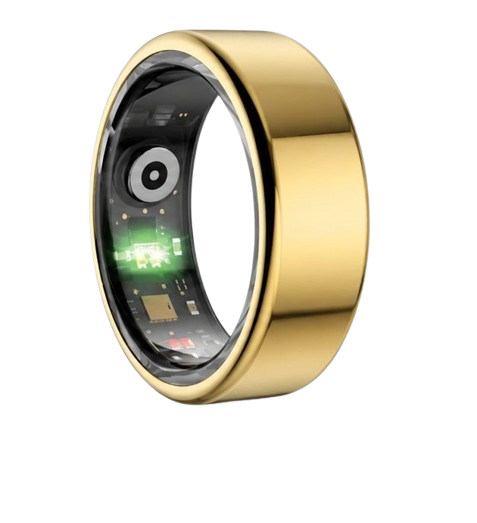
The Herz P1 Smart Ring provides the precise, subscription-free biological insights you need to sleep better every night.
Ready to monitor your health every day? Explore the Herz P1 Smart Ring and see if it fits your lifestyle. Call: 1-866-479-1629 — our team can help you advise on the correct ring size and set personalized health goals.
