

Waking up with a stiff neck can ruin your entire day, but understanding how to address stomach sleeper neck pain is the key to lasting relief. At Herz P1, we decode critical body signals to optimize your sleep health. Over 16% of adults face daily spinal strain due to their sleeping posture. This comprehensive guide outlines immediate, evidence-based steps to protect your cervical spine and eliminate physical discomfort.
Built to Last. Save Up to 69% Today.
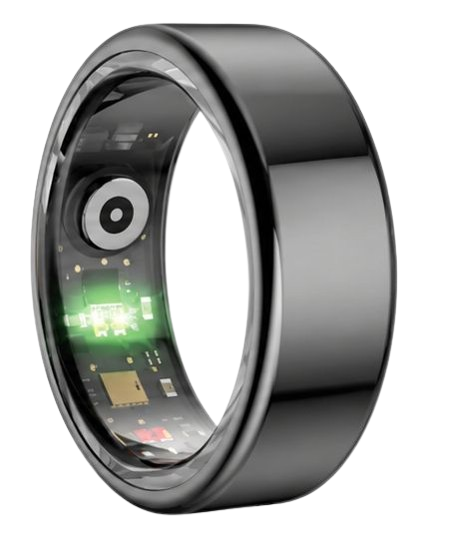
The Herz P1 Smart Ring tracks HRV, Sleep, Heart Rate & SpO2 around the clock. No subscriptions. No renewals. Ever.
In This Article
- How to Avoid Stomach Sleeper Neck Pain and Back Strain: A Step-by-Step Recovery Guide
- The Anatomy of Spine Misalignment: Why Sleeping on Stomach Back Pain Occurs
- The Science of Sleep Tracking: Using Smart Ring Biometrics to Prevent Discomfort
- How to Interpret Your Herz P1 Smart Ring Sleep Data
- Beyond the Bed: Active Stretches and Ergonomics for Stomach Sleepers
How to Avoid Stomach Sleeper Neck Pain and Back Strain: A Step-by-Step Recovery Guide

Prerequisites & What You’ll Need
Before adjusting your sleep alignment, you must prepare your environment.
You will need an ultra-thin pillow with a low loft height.
You will also need a second supportive pillow for your pelvic area.
Finally, a medium-firm mattress is highly recommended to prevent spinal sagging.
A sagging bed will pull your pelvis downward, ruining any postural adjustments.
Ensure you are wearing loose, comfortable clothing that does not restrict movement.
Create a calm, dark sleep environment to help your nervous system relax.
With these basic elements ready, you can easily execute the structural adjustments below.
Step-by-Step Instructions
-
Step 1: Adjust Your Head Pillow Loft for Front Sleeping
The first critical action is to adjust your head pillow thickness for front sleeping.
Standard thick pillows bend your neck backward at an unnatural angle.
This creates immediate tension on your cervical joints and surrounding muscles.
To solve this, use an ultra-thin pillow or even try sleeping with no pillow under your head at all.
This simple change keeps your neck in a much more neutral alignment with your upper back.
Reducing the height of your head pillow minimizes rotational stress on your cervical joints throughout the night.
Over time, this lower loft height prevents the chronic shortening of your neck muscles.
You will wake up with far less morning stiffness and greater rotational range of motion.
-
Step 2: Place a Support Pillow Under Your Pelvis
The next action is to learn how to align your spine while sleeping face down.
You must place a flat, supportive pillow directly under your lower pelvis.
This thin pelvic pillow prevents your lower back from bowing deeply into the mattress.
By elevating your hips, you maintain a much more natural lumbar curve.
This structural change relieves immediate mechanical pressure from your lower vertebrae.
Most sleepers notice a significant reduction in lower back stiffness the very next morning.
Keeping your hips elevated also stops your hip flexors from tightening overnight.
This pelvic support is the single most effective way to eliminate prone back pain.
-
Step 3: Modify Your Leg and Arm Positions
Sleeping with perfectly straight, rigid limbs increases strain on your lower spine.
To fix this, gently pull one knee up toward your side to open your hips.
You can also experiment with laying on stomach with feet up by hanging your toes over the mattress edge.
Hanging your feet off the edge relaxes your calves and prevents lower back hyperextension.
Rest your arms gently at your sides rather than bunching them under your head.
This arm positioning prevents shoulder impingement and reduces the twisting force on your neck.
It also prevents you from raising your shoulders toward your ears, which causes severe upper back tension.
Keeping your limbs asymmetrical reduces the overall physical load on your entire body.
-
Step 4: Begin Your Transition to Side Sleeping
Your long-term goal should be to transition from stomach sleeping to side sleeping.
Start your night by resting on your side while hugging a large, supportive body pillow.
The body pillow acts as a physical barrier that prevents your chest from rolling face down.
Try to remain in this healthy side posture for at least twenty minutes before drifting off.
Your nervous system will slowly build muscle memory for this lateral position over several weeks.
Consistent repetition is the key to breaking deep-seated sleeping habits.
Do not get discouraged if you wake up on your stomach during the first few weeks.
Simply roll back onto your side and continue using the body pillow for structural support.
-
Step 5: Monitor Your Sleep Quality and Movement Metrics
Consistent objective measurement is necessary to track comfort on smart rings.
A smart ring allows you to see how postural changes affect your physiological rest.
Review your nightly movement density and resting heart rate trends each morning.
If your overall movement index decreases after adjusting your pillows, your spine is resting comfortably.
Use these concrete data trends to continuously refine your sleeping setup.
Self-tracking turns subjective guesses into precise, actionable health improvements.
Our advanced algorithm identifies even minor postural disturbances by logging micro-movements.
By checking these digital metrics daily, you take complete control of your musculoskeletal health.
How the Herz P1 Smart Ring Validates Your Sleep Recovery
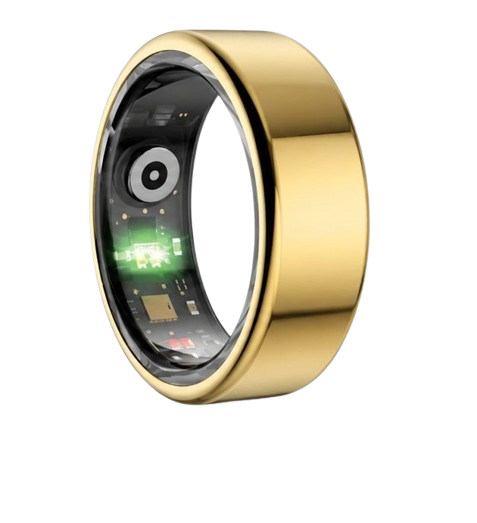
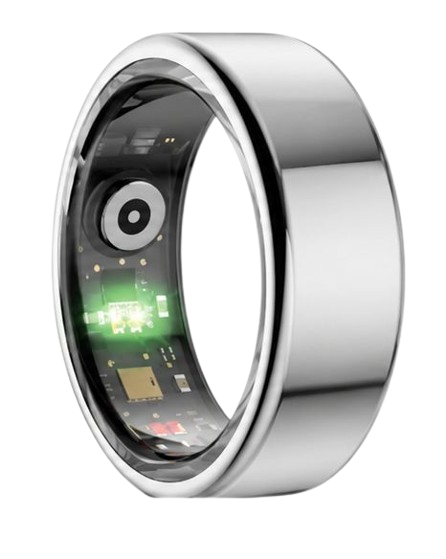
The Herz P1 Smart Ring serves as your personal, high-tech sleep laboratory to validate these postural changes.
Its ultra-lightweight, military-grade steel design sits comfortably on your finger all night without any distraction.
By measuring real-time heart rate variability (HRV) and movement, our ring shows whether your spine is truly relaxed.
The optical sensor array tracks deep and REM sleep cycles to confirm that physical strain has ended.
With lifetime free app access and zero monthly fees, you can monitor your recovery journey with complete financial peace of mind.
Our ring operates for up to 6 days on a single fast charge, so you never miss a night of valuable data.
You will receive daily personalized sleep scores that guide you in adjusting your pillow configuration.
Investing in your recovery is made effortless with our military-grade tracking technology.
90-Day 100% Money-Back Guarantee
“The Herz Smart Ring helps me manage stress easily. It’s accurate, stylish, and lightweight—perfect for my busy life!”
— Jennifer P. | ✔ Verified Customer
- ✓ 6-Day Battery Life
- ✓ Detailed Sleep Analysis
- ✓ Fast 1-Hour Charging
- ✓ iOS & Android Ready
Questions? Call: 1-866-479-1629
The Anatomy of Spine Misalignment: Why Sleeping on Stomach Back Pain Occurs
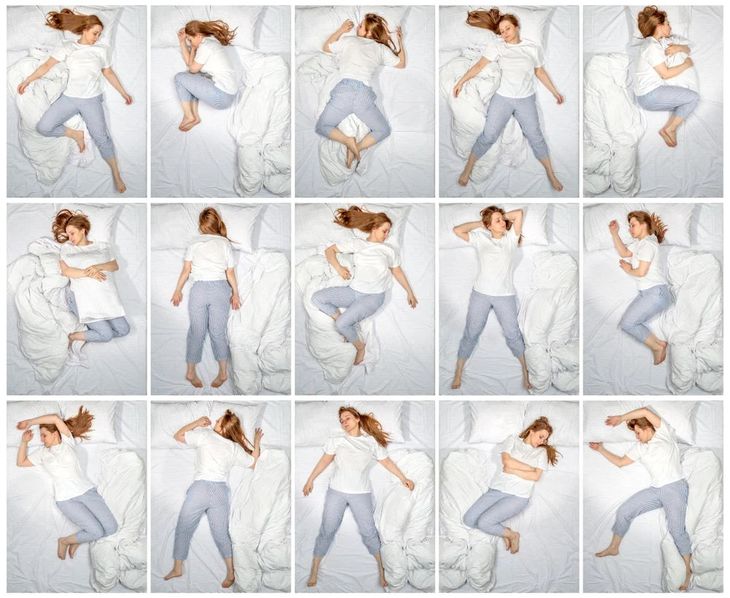
To fully understand why sleeping on stomach back pain occurs, we must study basic spinal mechanics.
When you are lying on stomach, your spine is completely out of its natural, neutral alignment.
Your head must be turned fully to one side for several hours just to allow breathing.
This extreme twist places severe rotational strain on your cervical vertebrae and neck muscles.
This unnatural twist can compress the delicate nerve roots leaving your cervical spinal cord.
At the same time, gravity constantly pulls your heavy pelvis downward into the mattress.
This downward pull creates an exaggerated, deep hollow in your lower back, known as lumbar hyperextension.
Lumbar hyperextension jams the facet joints of your spine together, causing local inflammation.
Many frustrated sleepers often ask, why can i only fall asleep on my stomach?
The reason is often psychological comfort or a sensory habit formed during childhood.
Your brain associates the front sleeping position with a deep sense of security and safety.
However, this short-term psychological comfort leads to chronic micro-trauma in your spinal tissues.
In clinical physical therapy, lying on stomach with head up called prone extension is used briefly for rehabilitation.
Prone extension can help gently retrain muscles under controlled, short-term situations.
But maintaining a static, twisted stomach posture for eight hours straight is highly damaging.
Over time, this constant mechanical strain can lead to disc herniation, sciatica, and chronic muscle spasms.
According to the National Sleep Foundation, poor sleep ergonomics are a leading cause of daytime fatigue and muscle pain.
Your spinal ligaments are stretched beyond their normal limits, causing a phenomenon called ligament laxity.
When these ligaments lose their elastic tension, your surrounding muscles must work twice as hard to stabilize your spine.
This constant muscular effort leaves you feeling exhausted and sore when you wake up.
By understanding these physical forces, you can take active steps to protect your spinal health.
The Science of Sleep Tracking: Using Smart Ring Biometrics to Prevent Discomfort
Modern wearable technology offers incredible insights into how our bodies respond to sleeping postures.
When you sleep in a physically stressful posture, your body remains in a heightened state of physiological arousal.
Your sympathetic nervous system activates, causing your resting heart rate to rise and your HRV to drop.
Heart rate variability, or HRV, measures the exact millisecond variations between consecutive heartbeats.
A higher HRV indicates deep physical recovery, while a lower HRV reflects physical stress, tension, or pain.
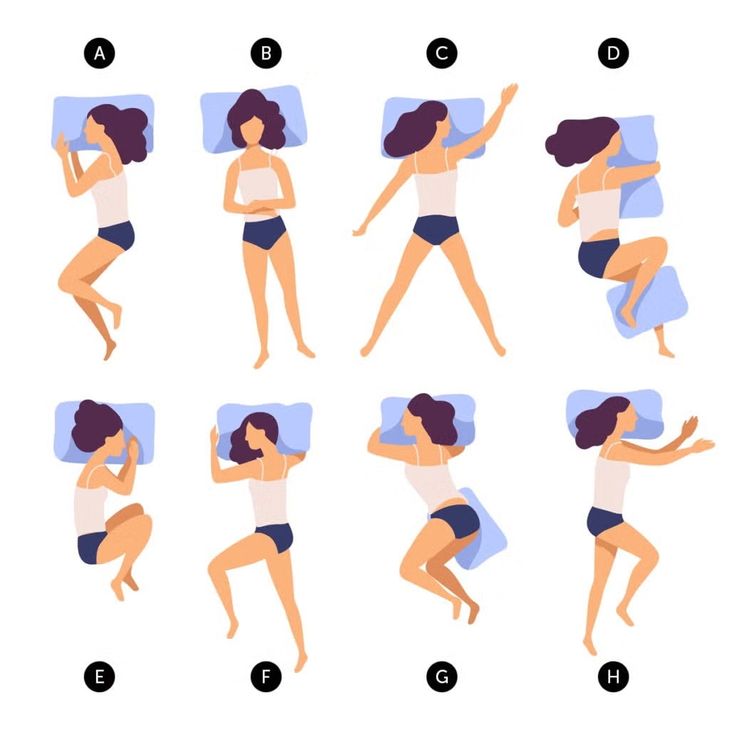
If you sleep in the classic freefall sleeping position, your spine experiences constant structural twisting.
This twisting triggers frequent micro-arousals where you partially wake up without even realizing it.
These constant micro-arousals disrupt your critical sleep cycles and prevent deep mental recovery.
Your body is forced to spend more time in light sleep rather than transitioning into deep slow-wave stages.
Every sleep style holds a specific sleep position meaning regarding physical health and comfort.
By exploring popular sleeping positions, we learn that side and back sleeping offer the best spinal alignment.
The Herz P1 Smart Ring uses advanced optical sensors to track these subtle, overnight physiological changes.
Our ring samples your biometrics continuously with clinical-grade accuracy to pinpoint comfort trends.
Our 9-axis multispectral photoplethysmography (PPG) system uses three distinct light wavelengths for medical-grade tracking precision.
Green, red, and infrared light paths penetrate deep into your finger’s vascular bed to capture every beat.
Let us examine how different sleeping postures affect your key overnight biometric indicators.
| Biometric Indicator | Stomach Sleeping (Unsupported) | Optimized Spine Alignment |
|---|---|---|
| Movement Frequency | High (25+ shifts per night) | Low (under 10 shifts per night) |
| HRV Recovery Trend | Suppressed (indicating stress) | Elevated (deep parasympathetic rest) |
| Deep Sleep Ratio | Reduced (under 12% of total sleep) | Optimal (15% to 23% of total sleep) |
This clear biometric comparison proves how physical alignment directly dictates your biological recovery.
When your spine is properly aligned, your nervous system easily enters a deep, healing parasympathetic state.
The Herz P1 Smart Ring translates this complex biometric data into an easy-to-read daily Sleep Score.
You can see exactly how many times your rest was interrupted by poor body positioning.
Monitoring these trends helps you identify exactly which sleeping arrangements work best for your body.
Our goal is to make these advanced biological metrics simple and useful for your daily wellness journey.
How to Interpret Your Herz P1 Smart Ring Sleep Data
Understanding your sleep data does not require a complex medical degree.
The Herz P1 companion app presents your biometric trends in simple, beautiful dashboards.
First, observe your nocturnal Heart Rate Variability (HRV) curve.
A steady, upward trend in your nightly HRV indicates that your nervous system is recovering from daytime stress.
If your HRV remains flat or drops, your body is likely fighting physical pain or posture-induced tension.
Compare your HRV averages on nights you use pelvic pillow support with nights you go unsupported.
Next, monitor your blood oxygen saturation (SpO2) levels.
Our optical sensors track your oxygen levels every few minutes while you sleep.
A stable SpO2 reading between 95% and 100% confirms optimal, unrestricted breathing.
Stomach sleeping can sometimes compress your chest, leading to subtle drops in oxygen saturation.
These minor oxygen drops are captured by our multi-wavelength sensor array to warn you of breathing stress.
By reviewing these SpO2 patterns, you can ensure your airway remains completely clear.
Finally, pay close attention to your Deep Sleep and REM Sleep cycles.
Physical restoration occurs primarily during deep slow-wave sleep.
Mental processing and emotional regulation occur during Rapid Eye Movement (REM) phases.
If you wake up feeling physically sore, your deep sleep metrics will likely reflect a noticeable deficit.
Our algorithm correlates your sleep staging with your movement index to provide a complete picture of your rest.
By adjusting your pillows and tracking these metrics, you can actively design a perfect sleep routine.
Beyond the Bed: Active Stretches and Ergonomics for Stomach Sleepers
Eliminating sleep-related discomfort requires a holistic, round-the-clock approach.
You must perform regular physical stretches to reverse the strain of front sleeping.
Before going to bed, spend five minutes performing gentle neck retractions.
Simply pull your head straight back, as if making a double chin, and hold for five seconds.
This movement stretches the deep suboccipital muscles at the base of your skull.
You should also perform the cobra stretch to keep your lower back flexible and strong.
Lie face down, place your hands under your shoulders, and gently push your chest upward.
Stop if you feel any sharp pinching or discomfort in your lower back.
Hold this gentle extension for three deep breaths to release abdominal and hip flexor tension.
Add a gentle child’s pose to your routine to stretch out your lower back and shoulders.
During the workday, make sure your computer monitor is positioned directly at eye level.
Looking down at your screen for hours worsens the neck strain you experience at night.
Take short, active breaks every hour to roll your shoulders backward and open your chest.
By pairing daily physical mobility with overnight smart tracking, you create a powerful recovery system.
Common Mistakes in Sleep Posture Adjustments and Wearable Tracking
Many well-meaning individuals make simple errors when trying to resolve their sleep pain.
A very common mistake is wearing a heavy, bulky smartwatch to bed.
Large smartwatches can press uncomfortably into your wrist and disrupt your natural sleep movements.
The hard edges of a smartwatch can also cause micro-abrasions on sensitive skin overnight.
Furthermore, many premium smartwatches require daily charging, leading to frequent gaps in your data.
Some popular wearable brands also charge hidden, ongoing monthly app subscriptions just to view your data.
At Team Herz P1, we believe your personal health data should belong to you forever, without any monthly fees.
The Herz P1 Smart Ring App is completely free for lifetime use with no hidden paywalls.
Another mistake is using a pelvic pillow that is far too thick.
An overly thick pelvic pillow will hyperextend your hips in the opposite direction.
Choose a flat, supportive pillow that measures no more than two to three inches in height.
Make sure you do not ignore early signs of physical tension during your transition.
Finally, do not expect your sleep habits to change completely in a single night.
Be patient with your body as it adapts to new, healthier alignment methods.
Frequently Asked Questions About Stomach Sleeping and Sleep Tracking
To help you make the best decision for your wellness journey, we have compiled answers to our most common user questions.
Is the Herz P1 Smart Ring waterproof?
Yes, the Herz P1 features a full IP68 waterproof rating.
Our smart ring can withstand continuous water submersion up to 164 feet deep.
This certifies that the device is fully protected against heavy rain, sweat, and long swimming sessions.
You can safely wear it while washing your hands, showering, or taking a relaxing bath.
You never have to worry about removing your ring during your daily water activities.
How long does the battery last?
The Herz P1 Smart Ring is equipped with a highly efficient battery that lasts up to 6 days on a single charge.
Our power-management system balances continuous sensor sampling with low-energy Bluetooth data transmission.
It charges incredibly fast, reaching a full 100% battery capacity in under 1 hour.
This long battery life ensures continuous, uninterrupted biometric tracking without daily charging hassles.
Which finger is best to wear it on?
For the most accurate biometric readings, we recommend wearing the Herz P1 on your index, middle, or ring finger.
Ensure the ring fits snugly but comfortably without slipping or rotating too easily.
The optical sensors should always rest on the palm side of your finger for direct skin contact.
Your non-dominant hand is often the best choice as it experiences fewer daily grip impacts.
Does it store data offline?
Yes, the Herz P1 Smart Ring features up to 7 days of local, offline data storage.
If your smartphone is away or out of Bluetooth range, the ring will continue saving your biometrics safely.
You can go on a week-long camping trip without worrying about data loss or phone connection.
Once you reconnect to the free app, all your stored sleep and heart rate data will sync automatically.
Conclusion
Taking control of your sleep health is the ultimate form of self-care.
By combining physical alignment adjustments with precise biometric monitoring, you can easily avoid chronic neck and back discomfort.
The Herz P1 Smart Ring is your ultimate companion for a healthier, pain-free life.
Ready to monitor your health every day? Explore the Herz P1 Smart Ring and see if it fits your lifestyle. Call: 1-866-479-1629 — our team can help you advise on the correct ring size and set personalized health goals.
Note: Individual results may vary depending on individual health conditions, age, and lifestyle habits. This article is intended for general health reference purposes only.
