

Establishing a balanced routine of exercise for menstruation remains a core challenge for active women, especially since clinical data shows that up to 75% of athletes experience negative side effects during their cycle. At Team Herz P1, we believe that tracking your biometric data is the absolute best way to customize your movement patterns. The Herz P1 Smart Ring enables you to monitor these hormonal shifts continuously without any monthly subscriptions, helping you adapt your fitness journey to your unique physical cycle.
Built to Last. Save Up to 69% Today.
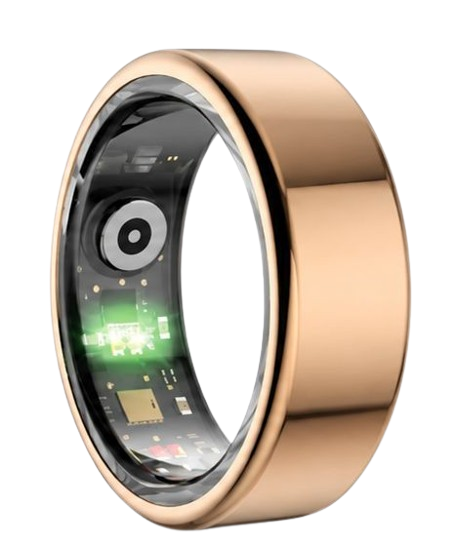
The Herz P1 Smart Ring tracks HRV, Sleep, Heart Rate & SpO2 around the clock. No subscriptions. No renewals. Ever.
In This Article
- Step-by-Step Cycle Syncing Guide: Learn exactly how to design a menstrual cycle workout plan that supports your hormones.
- The Physiology of Exercise and Menstruation: Discover how your cardiorespiratory fitness and strength peaks during specific phases.
- Smart Ring Biometrics Explained: Understand how tracking your basal body temperature and heart rate variability (HRV) optimizes physical recovery.
- Strategic Workout Implementation: Discover the ideal times for high-intensity training versus restorative yoga.
How to Design a Menstrual Cycle Workout Plan: A Step-by-Step Biometric Guide

Structuring a fitness routine around your hormonal variations requires a strategic, step-by-step approach to align physical stress with natural recovery capacities.
Many women experience unnecessary fatigue and physical stagnation because they treat their bodies the exact same way every single day of the month.
By mapping out your physical exercises based on hormonal patterns, you can optimize fat adaptation, improve muscular recovery, and reduce systemic joint inflammation.
What You Need Before Starting
- A high-precision health companion like the Herz P1 Smart Ring to monitor real-time resting heart rate (RHR) and heart rate variability (HRV).
- A tracking journal or the integrated Herz P1 companion app to record the precise duration of your menstrual bleeding.
- A basic understanding of your baseline menstrual cycle length to identify typical physical transition points.
-
Identify Your Menstrual Phase Baselines (Days 1–5)
Begin your tracking process on the very first day of active bright red menstrual bleeding, which marks Day 1 of your cycle.
Focus primarily on low-impact cardiovascular movements, such as light walking, mobility drills, or gentle restorative yin yoga.
Avoid highly demanding physical efforts like high-intensity interval training (HIIT) or maximal weightlifting sessions during these first few days.
Keep your hydration levels high to help your body manage the natural reduction in core temperature and overall blood volume.
Pay close attention to how light movement can actually improve local pelvic circulation, which helps naturally reduce painful uterine cramping.
-
Amplify Intensity During the Follicular Phase (Days 6–12)
Observe the progressive rise of estrogen levels in your body, which naturally improves your energetic stamina and mental focus.
Introduce progressive resistance training with heavier weights to build lean muscle mass while your recovery capacity peaks.
Schedule your most challenging cardiovascular challenges, metabolic conditioning, and uphill running sessions during this high-energy window.
Use the natural increase in insulin sensitivity during this phase to support muscle recovery with nutrient-dense complex carbohydrates.
Log your daily recovery scores to confirm that your body is managing the increased physical load with minimal autonomic nervous system stress.
-
Maximize Peak Performance During the Ovulatory Window (Days 13–15)
Identify your short ovulatory window, which features your highest monthly levels of both circulating estrogen and free testosterone.
Target personal strength records in the gym, high-power plyometrics, or fast-paced competitive athletic events during this physical peak.
Incorporate a thorough dynamic warm-up protocol because elevated estrogen levels can temporarily increase overall ligament laxity and joint vulnerability.
Monitor your post-exercise heart rate recovery within your companion app to track how quickly your cardiovascular system returns to its baseline.
Maintain proper cooling strategies, as your resting metabolic rate and baseline temperature start their gradual upward climb.
-
De-escalate Intensity During the Luteal Phase (Days 16–28)
Adapt to the rising levels of progesterone, a hormone that naturally elevates your resting heart rate and overall respiratory rate.
Shift your training focus toward moderate-intensity steady-state (MISS) cardio, pilates, or strength workouts with lighter resistance and higher repetitions.
Increase your dedicated rest periods between individual workout sets to allow your heart rate to recover fully in a warmer physical state.
Prioritize your quality sleep as progesterone can sometimes disrupt your deep sleep architecture and increase overnight body temperature.
Listen carefully to your body’s early signals of fatigue, avoiding the temptation to force high-intensity workouts during natural down-cycles.
-
Analyze and Adjust Weekly Using Smart Ring Trends
Open your subscription-free Herz P1 companion app every Sunday morning to review your consolidated seven-day health metrics.
Cross-reference your subjective levels of muscle soreness and mental fatigue with your objective overnight HRV and sleep quality scores.
Modify the upcoming week’s physical workload if you notice a downward trend in your autonomic recovery baseline indicators.
Establish a highly personalized wellness record over three consecutive cycles to discover your body’s exact performance peaks.
Celebrate the physical benefits of working alongside your hormonal rhythms rather than constantly fighting against your natural biology.
The step-by-step cycle syncing strategy becomes incredibly straightforward when you use the Herz P1 Smart Ring to automate your biometric data collection.
By pairing your physical exertion with continuous heart rate and temperature measurements, the Herz P1 helps you identify the perfect days to push hard and the exact moments your body requires deep restorative rest.
The Scientific Blueprint of Exercise and Menstrual Cycle Dynamics

Your endocrine system experiences major fluctuations of estrogen and progesterone every single month.
These natural changes do not just impact reproductive tissues; they actively shape your physical cardiorespiratory systems, metabolic focus, and muscle-building pathways.
Estrogen acts as a physical energizer, enhancing muscle-building capacity, preserving joint health, and boosting glycogen storage within skeletal muscle.
Conversely, progesterone raises your baseline body temperature, increases cardiovascular load, and promotes fat adaptation over carbohydrate burning.
Understanding these hormonal pathways allows you to design a highly supportive menstrual cycle workout plan that respects your body’s natural limits.
Many active individuals ask: can exercising make your period shorter?
While moderate exercise reduces systemic inflammation and minimizes cramping, extreme physical overtraining can actually disrupt your cycle’s regularity.
Maintaining a balanced physical output protects your endocrine health and ensures consistent physical gains over time.
A reliable fertility ring helps you pinpoint these delicate physical transitions with absolute precision.
By mapping your hormonal changes, you can confidently determine the best days for heavy lifting and the perfect days for complete rest.
Tracking your biological trends with natural cycles ensures your physical exercise routine supports your systemic hormones instead of draining your reserves.
Unmasking the Basal Body Temperature and Hormonal Baselines
Your resting body temperature is one of the most reliable indicators of your specific cycle phase.
Progesterone naturally causes a noticeable rise in your basal body temperature before period begins.
This temperature increase is typically followed by a quick drop on the very first day of your menstrual cycle.
Using a natural birth control app helps you easily track these small temperature variations to understand your exact hormonal rhythms.
Even if you are wondering, can you use natural cycles with an iud, tracking these daily temperature trends remains incredibly useful for monitoring your overall physical recovery.
It is important to remember that hormone-releasing devices can alter your natural temperature baselines, but your resting heart rate and sleep patterns still offer valuable training insights.
Many fitness programs are based on the common idea that ovulation happens on a fixed schedule, but the truth is that ovulation is rarely predictable.
Asking is ovulation always on the 14th day reveals that stress, sleep, and physical work can easily shift your ovulation window.
Furthermore, if you find yourself asking why is my menstrual cycle getting shorter, looking at your sleep quality and stress trends can help explain these physical changes.
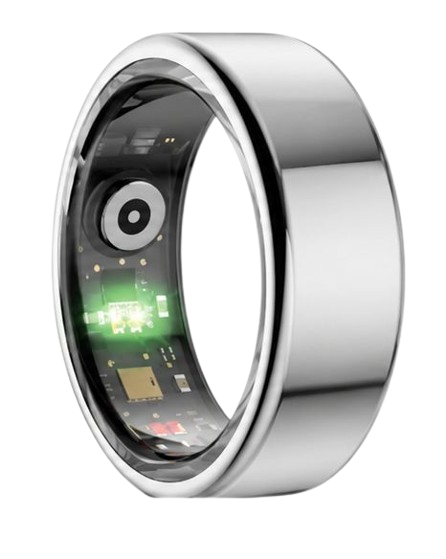
The Herz P1 Smart Ring continuously monitors these vital health signals to help you design a balanced and effective menstrual workout.
Let us look at how the different cycle phases impact your physical training metrics:
| Cycle Phase | Primary Hormones | Biometric Trend Indicators | Recommended Workouts |
|---|---|---|---|
| Menstrual Phase (Days 1–5) | Low Estrogen & Low Progesterone | Lowest resting heart rate, stable HRV baseline | Gentle walking, restorative yoga, light mobility work |
| Follicular Phase (Days 6–12) | Rising Estrogen, Low Progesterone | High overnight HRV, low physical stress score | Heavy strength training, HIIT, challenging cardio |
| Ovulatory Phase (Days 13–15) | Peak Estrogen & Peak Testosterone | Peak physical energy, elevated core temperature | Maximal strength efforts, competitive running, power yoga |
| Luteal Phase (Days 16–28) | High Progesterone, Declining Estrogen | Elevated resting heart rate, lower overnight HRV | Steady-state cardio, pilates, bodyweight resistance training |
Leveraging Herz P1 Biometrics to Guide Your Daily Movement Plan
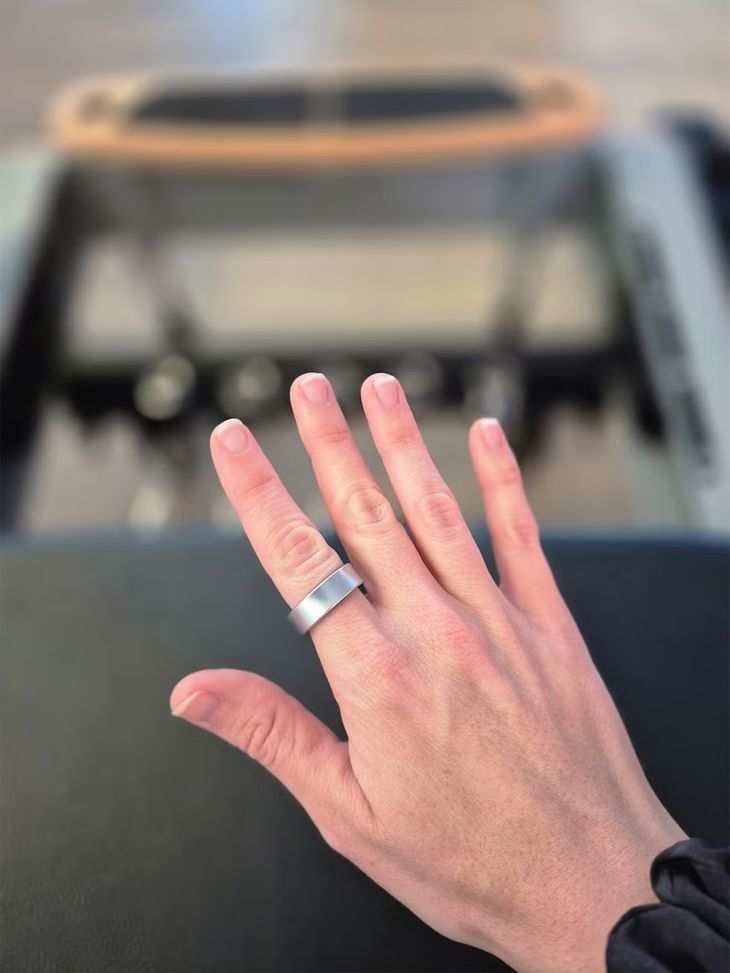
Your physical recovery metrics are the ultimate guide to planning your workouts.
The Herz P1 Smart Ring tracks your heart rate variability (HRV) and resting heart rate (RHR) with incredible precision while you sleep.
When you wake up, your recovery score instantly tells you if your body is ready for high-intensity training or if it needs gentle, restorative movement.
Unlike bulky wrist-worn trackers, the lightweight, military-grade steel ring fits comfortably on your finger, ensuring highly accurate data collection all night long.
It automatically logs your blood oxygen saturation (SpO2) and sleep stages, so you always know how your body is recovering.
By using this real-time health data, you can easily customize your daily physical training to match your actual energy levels, avoiding unnecessary burnout.
Breaking Free from Bulky Smartwatches and Costly App Subscriptions
Many active individuals find it highly uncomfortable to wear a heavy, bulky smartwatch to bed.
A thick smartwatch can easily pinch your skin, disrupt your deep sleep, and fail to capture accurate sleep stage data.
Furthermore, many premium smart rings on the market require expensive monthly app subscriptions just to view your own health data.
At Team Herz P1, we believe that you should never have to pay a monthly fee to access your personal physiological metrics.
The Herz P1 companion application is completely free for lifetime use, with no hidden costs or subscription paywalls.
This means you get full, unlimited access to your sleep scores, HRV trends, and menstrual tracking metrics forever.
Frequently Asked Questions About the Herz P1 Smart Ring
Is the Herz P1 Smart Ring waterproof?
Yes, the Herz P1 Smart Ring features a robust IP68 waterproof rating, allowing it to withstand continuous water submersion up to 164 feet deep.
This means you can confidently wear it while swimming laps, taking hot showers, or enjoying a relaxing bath without worrying about water damage.
How long does the ring’s battery last on a single charge?
The Herz P1 Smart Ring features an impressive 6-day battery life, allowing you to track your biometrics around the clock with absolute confidence.
When the battery does run low, the ring charges fully in under 1 hour using the included rapid magnetic charging cradle.
Which finger is the best choice to wear the smart ring on?
We recommend wearing the Herz P1 on your index, middle, or ring finger for the most accurate biometric readings.
Choosing your non-dominant hand typically provides the best results, as it experiences less daily friction and movement artifacts.
Does the smart ring store my health data when my phone is offline?
Yes, the Herz P1 Smart Ring includes 7 days of local storage, ensuring your data is safely recorded even when your smartphone is out of Bluetooth range.
Once you reopen the companion app, your offline health data will sync automatically and seamlessly to your personalized health dashboard.
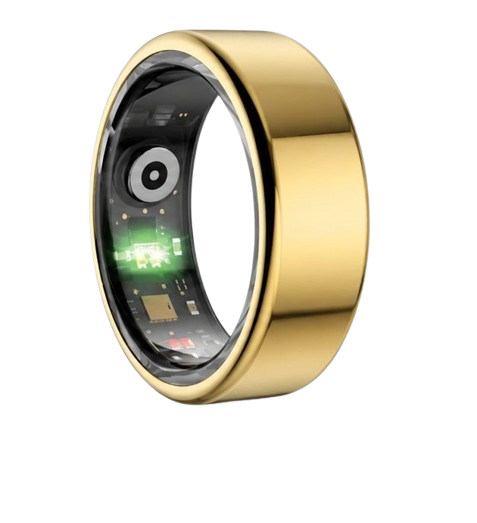
90-Day 100% Money-Back Guarantee
“The Herz Smart Ring helps me manage stress easily. It’s accurate, stylish, and lightweight—perfect for my busy life!”
— Jennifer P. | ✔ Verified Customer
- ✓ 6-Day Battery Life
- ✓ Detailed Sleep Analysis
- ✓ Fast 1-Hour Charging
- ✓ iOS & Android Ready
Questions? Call: 1-866-479-1629
Conclusion: Your Subscription-Free Wellness Journey Starts Here
Syncing your training routine with your menstrual phases is one of the most effective ways to prevent physical burnout and build long-term strength.
By matching your workouts with your body’s natural energetic phases, you can optimize fat adaptation, improve cardiorespiratory health, and enjoy far better physical recovery.
Ready to monitor your health every day? Explore the Herz P1 Smart Ring and see if it fits your lifestyle. Call: 1-866-479-1629 — our team can help you advise on the correct ring size and set personalized health goals.
Individual results may vary depending on individual health conditions, age, and lifestyle habits. This article is intended for general health reference purposes only.
