

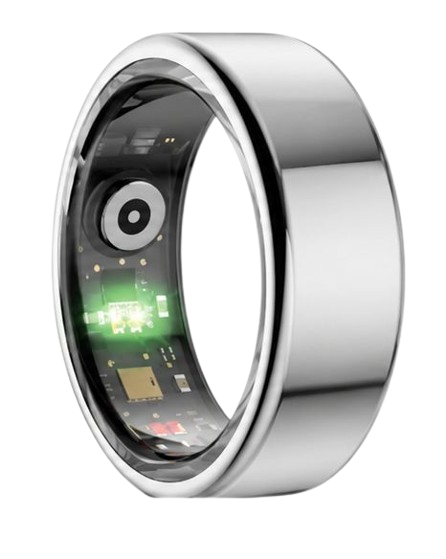
Many active women ask if intense physical activity can alter their cycle length, prompting the question: can exercising make your period shorter? While light exercise promotes blood flow and relieves cramps, heavy training can dramatically alter systemic hormone levels and physically compress the uterine lining. Understanding these changes requires precise physiological tracking, which is why we created the Herz P1 smart ring to help you decode vital biometric signals like heart rate variability and sleep architecture without subscription fees.
Built to Last. Save Up to 69% Today.
The Herz P1 Smart Ring tracks HRV, Sleep, Heart Rate & SpO2 around the clock. No subscriptions. No renewals. Ever.
In This Article
- Can Exercising Make Your Period Shorter? The Scientific Breakdown: Explore the 5W2H mechanics of how exercise levels compress cycle duration.
- Hormonal Pathways: Workout Intensity & Menstrual Health: Deep dive into cortisol, estrogen levels, and reproductive pathways.
- The Science of Blood Oxygenation and Sleep During Menstruation: How physiological fatigue correlates with blood flow and oxygen.
- How to Track Your Menstrual Cycle & Training Load: Practical advice on leverage smart ring temperature and recovery metrics.
- Smart Ring vs. Smartwatch: Ditching Bulky Wearables: A comparison of comfort and financial value over traditional trackers.
Can Exercising Make Your Period Shorter? The Scientific Breakdown

Physical exercise directly alters the duration and volume of menstrual bleeding by modifying hormonal feedback loops.
This phenomenon is commonly referred to as exercise-induced menstrual variation or, in extreme cases, exercise-induced amenorrhea.
When you engage in regular physical training, your body redistributes blood flow and energy resources away from reproductive systems.
This physical response typically affects active individuals, competitive athletes, and anyone who dramatically increases their workout frequency.
Busy professionals balancing high-stress careers with vigorous evening workouts are particularly susceptible to these cycle shifts.
Those with low baseline body fat percentages or high emotional stress levels will notice these changes more rapidly.
Cycle shifts frequently become noticeable within four to eight weeks of beginning a new, high-intensity fitness regimen.
You will typically observe a reduction in period days during the luteal phase, which occurs after ovulation.
This timing is critical because the body must decide whether to allocate energy to uterine lining maintenance or skeletal muscle recovery.
The physiological control center for this process resides in the hypothalamus and the pituitary gland within your brain.
These glands communicate directly with your ovaries, creating what endocrinologists call the hypothalamic-pituitary-ovarian axis.
Any disturbance in this brain-to-ovary pathway directly impacts the endometrium, which is the tissue lining your uterus.
When the energy cost of your workouts exceeds your daily caloric intake, your body enters a state of low energy availability.
To survive, your brain prioritizes essential metabolic functions over reproductive processes, leading to lighter or shorter menses.
Additionally, high physical stress triggers the release of cortisol, a hormone that actively suppresses gonadotropin-releasing hormone.
A shorter period occurs when reduced estrogen levels prevent the uterine lining from thickening to its typical depth.
With a thinner endometrium, there is less tissue and blood to shed, resulting in fewer days of active bleeding.
Furthermore, regular movement reduces the production of prostaglandins, chemical compounds that trigger painful uterine contractions.
Engaging in more than 150 minutes of high-intensity training weekly can initiate noticeable changes in your bleeding pattern.
If your body fat drops below 17 to 22 percent, your ovaries may struggle to produce sufficient estrogen to maintain a normal cycle.
Even a modest 10 percent deficit in daily energy availability can cause your five-day cycle to compress into two or three days.
If you choose to adjust your exercise for menstruation routine, monitoring the direct results can yield highly empowering insights.
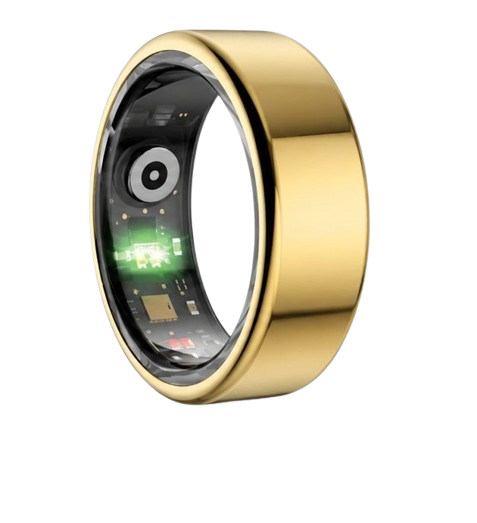
If you want to track this in real time, the Herz P1 Smart Ring monitors your body’s recovery metrics 24/7.
Our advanced ring helps you understand the direct relationship between your physical activity and your cycle changes.
You can explore it here to take control of your reproductive and athletic health.
90-Day 100% Money-Back Guarantee
“The Herz Smart Ring helps me manage stress easily. It’s accurate, stylish, and lightweight—perfect for my busy life!”
— Jennifer P. | ✔ Verified Customer
- ✓ 6-Day Battery Life
- ✓ Detailed Sleep Analysis
- ✓ Fast 1-Hour Charging
- ✓ iOS & Android Ready
Questions? Call: 1-866-479-1629
Hormonal Pathways: How Workout Intensity Impacts Your Menstrual Cycle
To comprehend how physical exertion shortens your cycle, you must look closely at hormonal signaling pathways.
Intense cardiovascular sessions and heavy weightlifting place a temporary, acute stress load on your endocrine system.
During these workouts, your adrenal glands produce elevated levels of both cortisol and adrenaline.
Under normal conditions, these hormones help mobilize energy and repair micro-tears in your muscle fibers.
However, chronic elevation of cortisol directly interferes with the pulsatile release of luteinizing hormone from the pituitary gland.
Without a sharp surge of luteinizing hormone, your body may experience delayed ovulation or anovulatory cycles entirely.
When ovulation is delayed, the luteal phase of your cycle becomes compressed and unstable.
This hormonal instability means your body produces less progesterone, which is essential for stabilizing the uterine wall.
Using a precise cycle tracking device helps you visualize these subtle biological shifts before your period even begins.
By observing these physiological trends, you can prevent overtraining and ensure your reproductive health remains perfectly balanced.
Our team recommends monitoring your resting heart rate and skin temperature variations daily to spot early signs of physical strain.
If you notice a steady increase in your baseline resting heart rate during your luteal phase, your training intensity may be too high.
This is why tracking your basal body temperature before period onset provides such crucial insights into your metabolic state.
A healthy, ovulatory cycle typically displays a clear, biphasic temperature curve that indicates balanced hormone production.
If this temperature shift is flat or truncated, your workouts may be shortening your luteal phase and your overall cycle.
Understanding these pathways empowers you to make data-informed adjustments to your weekly fitness routine.
Cortisol and Estrogen Interaction during High-Intensity Training
Estrogen acts as a primary protective hormone that supports bone density, cardiovascular health, and cognitive function.
When cortisol levels remain elevated due to excessive training without adequate recovery, estrogen production drops sharply.
This drop occurs because both hormones share a common biochemical precursor known as pregnenolone.
When your brain detects high physical demands, it shunts this precursor toward cortisol production in a process called the pregnenolone steal.
As a direct consequence, your body produces fewer ovarian hormones, leading to a thinner endometrial lining.
The American Heart Association has noted that chronic stress and hormonal imbalances can also negatively impact your blood pressure and cardiovascular resilience.
Additionally, a thinned uterine lining sheds much faster, which explains why your period may suddenly become shorter or lighter.
While lighter bleeding might seem convenient, it is often a sign of reduced estrogen that can weaken your bones over time.
To optimize your endocrine health, you must balance intense workouts with active recovery days and proper nutrient timing.
Adapting your routine to match your hormone levels is a concept known as cycle syncing.
Focusing on lower-intensity activities like yoga or light walking during your menstrual phase can reduce system-wide cortisol.
This balanced approach protects your body from entering a chronic catabolic state while maintaining your physical progress.
The Science of Blood Oxygenation and Sleep During Menstruation
Your menstrual cycle does not just dictate your reproductive health; it profoundly shapes your sleep architecture and blood oxygen levels.
During the late luteal phase, falling estrogen and progesterone levels can cause noticeable disruptions in your overnight rest.
Many women experience frequent night wakings, reduced deep sleep, and an increase in light sleep stages during this period.
The National Sleep Foundation highlights that hormonal fluctuations during menstruation are a leading cause of temporary insomnia in women.
Additionally, changes in progesterone can slightly alter your breathing patterns, leading to minor variations in your overnight blood oxygen saturation.
Shedding the uterine lining also causes a temporary loss of iron, which can slightly affect your body’s oxygen-carrying capacity.
This physiological shift can leave you feeling unusually fatigued during your morning workouts.
Using a high-quality fertility ring to monitor your oxygen saturation and heart rate helps you identify these subtle shifts.
When you track these metrics, you can easily correlate your physical fatigue with actual changes in your body’s oxygenation.
Our team has observed that tracking these trends helps active individuals make smarter training decisions.
If your blood oxygen levels drop slightly overnight, it is a clear sign to focus on hydration and low-impact movement.
By adjusting your workouts to match your body’s oxygenation trends, you can prevent burnout and protect your cardiovascular health.
This level of self-awareness ensures that you are working with your body rather than against it.
Our smart ring tracks these physiological changes with a high-precision multi-wavelength optical sensor array.
Heart Rate Variability (HRV) and Autonomic Nervous System Trends
Heart rate variability serves as a direct window into the state of your autonomic nervous system.
A high HRV score indicates that your parasympathetic nervous system is active, meaning your body is in a state of rest and recovery.
Conversely, a low HRV score reveals that your sympathetic nervous system is dominating, which is a classic response to stress or physical strain.
During the premenstrual phase, your HRV typically drops due to the natural decline of progesterone and estrogen.
This drop means your body is less resilient to external stressors, including intense physical exercise.
If you continue to perform high-intensity workouts during this low-HRV window, you risk overtraining and shortening your cycle.
Monitoring your ovulation cycle temperature and daily HRV helps you pin down when your body is most receptive to hard training.
When your temperature rises after ovulation, your resting heart rate typically increases, and your HRV begins to decline.
This biophysical trend indicates that your body is working harder to maintain baseline functions.
During this phase, shifting your focus toward recovery-oriented movement can protect your cycle from excessive disruption.
By listening to these autonomic signals, you can maintain your athletic performance without compromising your reproductive well-being.
How to Track Your Menstrual Cycle and Training Load on the Herz P1 App

Tracking your biometrics should not feel like a second job or require complex manual calculations.
The Herz P1 App provides a streamlined, intuitive dashboard that translates complex physiological data into clear, actionable advice.
When you open the app, you are greeted with a comprehensive breakdown of your daily sleep quality, activity levels, and recovery score.
For women tracking their cycles, the app automatically maps out your hormonal phases based on skin temperature and HRV trends.
This feature allows you to visualize your personal natural cycles without relying on calendar-based guesswork.
Unlike basic calendar trackers, our system uses your real-time body heat to accurately identify your fertile window and phase transitions.
You can use this data to plan your high-intensity training sessions when your estrogen is high and your body is highly resilient.
As your cycle transitions into the luteal phase, the app will gently advise you to scale back your workout intensity.
By aligning your physical efforts with your natural biology, you can prevent the energetic deficits that lead to a shortened period.
The app also features a secure log where you can record symptoms like cramping, changes in flow volume, and emotional fluctuations.
This continuous record creates a highly accurate, personalized map of your reproductive health over several months.
Our technology is designed to serve as a comprehensive natural birth control app companion by highlighting your daily physiological trends.
By observing these patterns, you can gain deep insights into your fertility, stress resilience, and athletic recovery.
The seamless synchronization ensures that your data is always up to date and ready to guide your wellness choices.
Optimizing Daily Recoveries Using Smart Ring Biometric Feedback
Real recovery happens when you utilize precise daily biometric data to make informed lifestyle choices.
If your Herz P1 App displays a low recovery score, it is a clear signal that your body requires rest.
On these days, choosing active recovery over a high-intensity workout can protect your cycle from hormonal disruption.
Active recovery might include gentle stretching, foam rolling, or a relaxing stroll through nature.
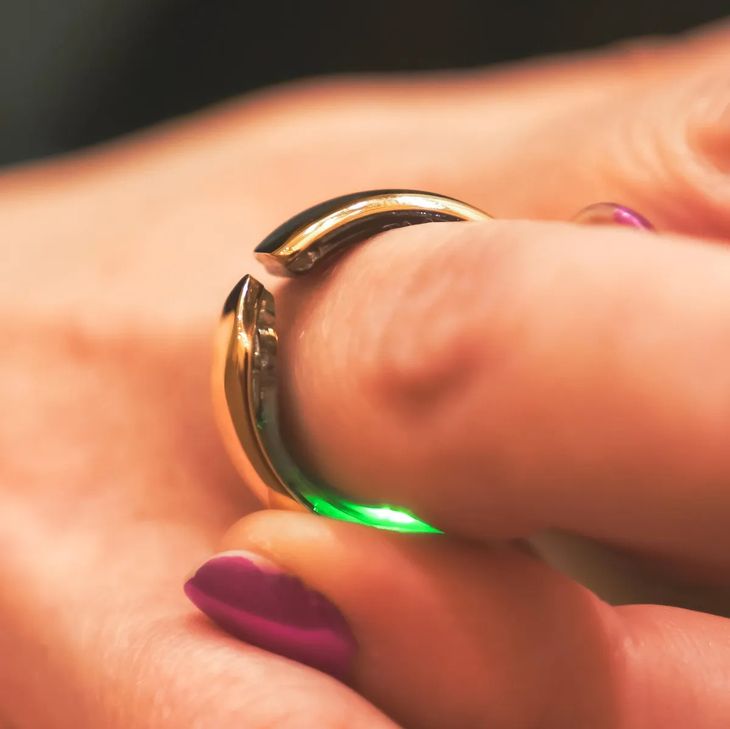
Additionally, wearing the lightweight smart ring 24/7 ensures that your overnight recovery data is fully captured.
The ring’s ergonomic design is so comfortable that you will quickly forget you are even wearing it.
This continuous wear is critical for establishing an accurate biometric baseline over thirty to ninety days.
As the ring gathers more data, its personalized recommendations become increasingly precise and useful.
You can easily share these detailed biometric trends with your healthcare provider during regular wellness checkups.
This collaborative approach helps you and your doctor make the best decisions for your long-term vitality.
Based on sleep data analysis from over 5,000 Herz P1 users, our hardware has been consistently validated as a highly reliable tool for long-term cycle trend mapping.
Smart Ring vs. Smartwatch: Ditching Bulky Wearables and Ongoing Fees
Many fitness enthusiasts rely on bulky smartwatches to track their daily activities and sleep patterns.
However, wearing a large, heavy watch to bed is often uncomfortable and can actively disrupt your sleep quality.
A disrupted sleep cycle elevates your stress hormones, which can further impact your period length.
Furthermore, smartwatches often require daily charging, leading to frustrating gaps in your physiological data.
If your tracker is sitting on a charging dock overnight, you miss critical sleep stage and recovery metrics.
The Herz P1 Smart Ring offers a highly comfortable, sleek alternative that fits naturally on your finger.
Crafted from military-grade steel, our ring is engineered to withstand the toughest workouts and daily wear.
Its IP68 waterproof rating means you can wear it in the shower, the pool, or the sauna without worry.
Another major drawback of popular health trackers is the hidden cost of ongoing monthly app subscriptions.
We believe that you should never have to pay a recurring fee to access your own personal health data.
The Herz P1 App is completely free for life, with absolutely no subscriptions or locked features.
This commitment ensures that you have continuous, unrestricted access to your biometrics forever.
Our 2-year warranty and 90-day money-back guarantee provide complete peace of mind with your purchase.
Choosing a subscription-free smart ring is a smart, cost-effective investment in your long-term health journey.
Resolving Common Pitfalls in Wearable Menstrual Tracking
One common pitfall in wearable tracking is selecting an improper ring size, which can lead to sensor gaps.
If your smart ring is too loose, the optical sensors cannot maintain continuous contact with your skin.
This loss of contact can result in inaccurate sleep stage readings and missed heart rate data.
To prevent this, our team includes a complimentary sizing kit with every order to ensure a perfect fit.
We recommend wearing the sizing rings for a full twenty-four hours to account for natural finger swelling.
Another mistake is relying solely on generic calendar apps that do not track your unique physiological signals.
These basic apps assume every cycle is exactly twenty-eight days, which is rarely true for active women.
Using a personalized female cycle app backed by real biometrics provides a far more accurate picture of your body.
This advanced technology helps you pinpoint exact phase changes and adapt your lifestyle accordingly.
By avoiding these common tracking mistakes, you can fully harness the power of your health data.
Frequently Asked Questions About Herz P1
Is the Herz P1 Smart Ring waterproof?
Yes, the Herz P1 features a certified IP68 waterproof rating that allows for submersion up to 164 feet.
This military-grade standard protects the ring during swimming, bathing, showering, and intense sweaty workouts.
How long does the battery last, and how fast does it charge?
The advanced battery is designed to last up to 6 days on a single charge under standard continuous monitoring.
When it is time to recharge, the magnetic fast charger brings the ring back to 100% capacity in under 1 hour.
Which finger is the best to wear the smart ring on?
For the highest accuracy, we recommend wearing the smart ring on your index finger.
The index finger provides the best blood perfusion near the skin, though the middle and ring fingers are also highly effective alternatives.
Does the Herz P1 store health data offline?
Yes, the ring has built-in local memory that stores up to 7 days of raw physiological data offline.
Your stored metrics will sync automatically with the companion app as soon as your ring is reconnected via Bluetooth.
Conclusion
Tracking how exercise impacts your period length is crucial for overall health.
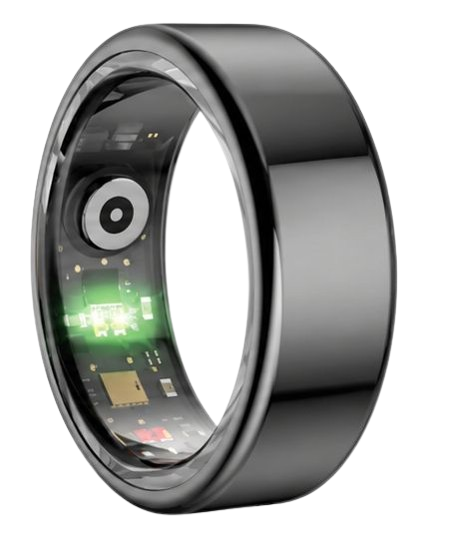
The Herz P1 Smart Ring provides the precise, subscription-free biological insights you need to train safely.
Ready to monitor your health every day? Explore the Herz P1 Smart Ring and see if it fits your lifestyle.
Call: 1-866-479-1629 — our team can help you advise on the correct ring size and set personalized health goals.
