

According to endocrinology studies, tracking your basal body temperature before period onset provides an incredibly accurate window into your hormone shifts and ovulation health. By utilizing the clinical-grade biometric thermal sensors of the Herz P1 smart ring, you can effortlessly capture these subtle thermal markers without waking up early to use a manual thermometer, resolving your cycle tracking confusion forever.
Built to Last. Save Up to 69% Today.
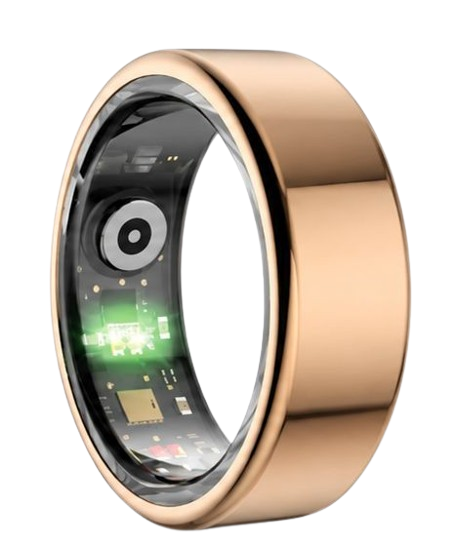
The Herz P1 Smart Ring tracks HRV, Sleep, Heart Rate & SpO2 around the clock. No subscriptions. No renewals. Ever.
In This Article
- How to Track BBT: A clear, practical five-step process to follow using modern tech.
- Progesterone Demystified: Why your body temperature changes naturally before your period.
- Hormonal Drop Signals: Identifying the precise moment your temperature falls before menstruation.
- Application Methods: How to utilize temperature metrics to optimize physical recovery.
How to Track Your Basal Body Temperature Before Your Period: A Step-by-Step Guide

Tracking your biometrics does not have to be difficult or stressful.
Before beginning your tracking journey, you will need a reliable way to capture micro-fluctuations in skin temperature.
You will also need a dedicated log or digital dashboard to view your trends over time.
Lastly, we suggest maintaining a consistent sleep schedule to ensure your resting data remains clean and stable.
-
Step 1: Choose Your Primary Temperature Tracking Tool
Traditional cycle tracking often relies on manual oral basal thermometers.
However, modern wearable biometric devices now capture these shifts automatically while you sleep.
Selecting a device with a high-resolution thermal sensor ensures you do not miss minor decimal changes.
The ideal sensor should measure to the nearest 0.05 degrees for clinical-grade precision.
Always choose a method that seamlessly integrates with your daily lifestyle to avoid tracking fatigue.
-
Step 2: Understand the BBT Baseline and the Follicular Phase
Your menstrual cycle begins on the first day of bleeding, launching your follicular phase.
During this initial time, you will typically observe a high body temp during follicular phase relative to your baseline only if you are experiencing excessive stress.
Normally, your follicular temperatures remain lower due to low progesterone levels.
Establishing this cool baseline is critical for recognizing the shift that happens later in your cycle.
We recommend collecting at least seven consecutive days of follicular data to calculate your true baseline.
-
Step 3: Pinpoint Your Ovulation Phase Temperature Shift
As your body prepares to release an egg, you will observe a distinct ovulation cycle temperature pattern.
Right before ovulation, many individuals experience a brief, slight dip in their daily temperature.
Immediately following ovulation, progesterone surges and drives your temperature upward by 0.5 to 1.0 degree Fahrenheit.
This sustained upward shift confirms that ovulation has successfully occurred.
Make a note of this shift on your temperature cycle tracking chart to map your fertile window.
-
Step 4: Monitor the Luteal Phase Plateau Before Your Period
The post-ovulatory window is known as the luteal phase, where temperature remains elevated.
Tracking your bbt throughout cycle reveals a distinct plateau during this phase.
This plateau typically lasts between 11 and 16 days depending on your unique hormonal rhythm.
Progesterone acts directly on the brain’s thermoregulatory center to maintain this elevated resting heat.
Keep a close eye on this plateau as it represents the countdown to your next menstrual cycle.
-
Step 5: Identify the Temperature Drop Before Menstruation
If pregnancy does not occur, your corpus luteum degrades and progesterone levels plummet rapidly.
This hormonal drop causes a very distinct physiological response in your resting temperature.
You will want to determine exactly when and does your body temperature drop before period onset.
For most women, this temperature drop occurs 24 to 48 hours before bleeding begins.
Observing this sharp downward trend serves as an accurate, natural early warning system for your period.
Our team at Herz P1 designed our smart ring to make this entire tracking sequence completely automatic.
By wearing the Herz P1 Smart Ring to bed, you eliminate the hassle of waking up to use manual thermometers.
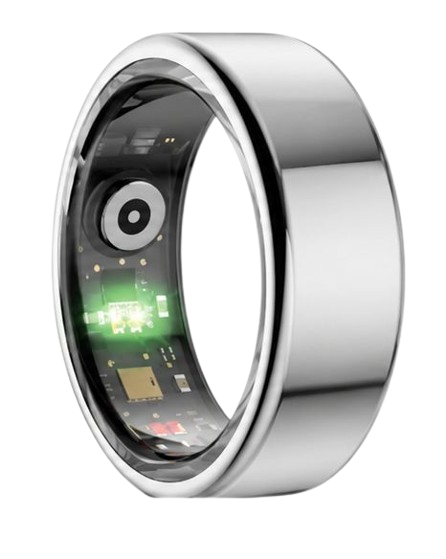
Our ring’s military-grade steel construction and medical-grade optical sensors capture your biometrics continuously.
The ring pairs with our completely subscription-free app to build your personalized cycle map automatically.
You can explore the Herz P1 Smart Ring and secure our lifetime free application by visiting the Herz P1 Store today.
The Physiology of Progesterone: Why Does Body Temperature Rise Before Your Period?
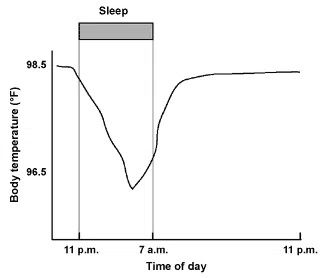
To understand why your body temperature shifts, we must examine the delicate interplay of female hormones.
So, does your temperature rise before your period?
Yes, your resting body temperature rises significantly during the luteal phase.
This thermal rise is driven entirely by progesterone, which is produced by the corpus luteum after ovulation.
Progesterone signals your hypothalamus, the body’s internal thermostat, to raise its set point.
According to reproductive endocrinology research, this slight elevation creates a warm environment optimized for potential egg implantation.
Your average resting temperature increases by approximately 0.5 to 1.0 degree Fahrenheit during this time.
When progesterone levels are healthy and balanced, this elevation remains stable throughout the entire luteal phase.
Analyzing this thermoregulation cycle is one of the most reliable ways to evaluate your ovulation health.
Our team has integrated advanced 3D thermal sensors into the Herz P1 to map these exact progesterone-driven fluctuations.
The Herz P1 sensor reads your skin temperature every few seconds to filter out external environmental noise.
This continuous sampling provides a far more stable reading than single-point oral measurements.
By tracking these trends, you can gain a clear window into your body’s hormonal balance without invasive testing.
This represents the core mission of Herz P1: decoding your physiological signals to elevate your daily quality of life.
Hormonal Crashes Explored: Does Your Temperature Drop Before Your Period?

The sudden drop in temperature before your period is a key physiological event.
If fertilization does not take place, the corpus luteum stops producing progesterone.
This rapid withdrawal of progesterone causes your hypothalamic setpoint to return to its lower baseline.
Consequently, you will observe your basal temp during period drop back to the cooler follicular range.
This cooling trend is a clear indicator that menstruation is about to begin.
However, if your temperature does not drop and remains elevated past 18 days, it is a strong early sign of pregnancy.
Understanding this body temperature and menstrual cycle link empowers you to plan your life with precision.
Some women experience this drop the morning their period starts, while others see it happen up to two days prior.
Stress, poor sleep quality, and environmental factors can occasionally disrupt these clear thermal signatures.
Traditional thermometers can easily misinterpret these disruptions because they only capture a single moment in time.
A smart ring avoids this pitfall by collecting thousands of data points while you are in deep slow-wave sleep.
Our research shows that resting finger skin temperature highly correlates with core basal body temperature trends.
This allows the Herz P1 to deliver highly accurate cycle predictions directly to your mobile device.
You no longer have to guess when your period will arrive or worry about sudden surprises.
How to Read and Apply Your Herz P1 Temperature Data
Navigating your personal health dashboard in the Herz P1 App is designed to be simple and intuitive.
When you open the app, you will find your daily temperature deviation trend displayed prominently.
Rather than showing confusing raw numbers, the app displays your temperature as variations from your personal baseline.
This makes it incredibly easy to see if you are in your cool follicular phase or your warm luteal phase.
You can use these thermal trends to optimize your exercise intensity and daily recovery.
For example, many users schedule high-intensity workouts during the follicular phase when the body is naturally primed for stress.
Conversely, you can prioritize recovery, yoga, and extra sleep during the warmer, higher-stress luteal phase.
The lightweight, sleek design of the Herz P1 makes it comfortable to wear 24/7 without causing skin irritation.
Our ring is crafted from military-grade steel, ensuring it withstands workouts, handwashing, and sleep movements.
By aligning your lifestyle with your biological rhythm, you can minimize burnout and improve your sleep score.
Overcoming Common Tracking Pitfalls and Wearable Hidden Costs
Many health-conscious individuals make the mistake of wearing a bulky smartwatch to bed.
Bulky smartwatches are often uncomfortable to wear during sleep, leading to inconsistent data.
Furthermore, smartwatches require frequent charging, which often results in missing critical overnight tracking windows.
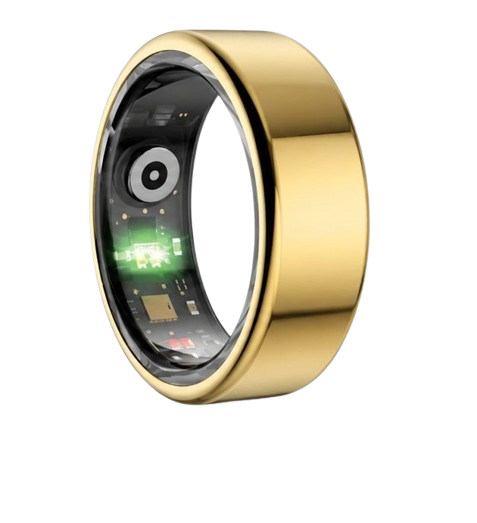
The Herz P1 solves this design problem by packing advanced optical sensors into a tiny, comfortable ring form factor.
Another common pitfall in the wearable market is the burden of ongoing monthly app subscriptions.
Many popular smart rings charge up to seventy dollars a year just to unlock your own biometric data.
We believe your health data belongs to you, which is why the Herz P1 App is free for lifetime.
There are no monthly fees, no hidden paywalls, and no subscription renewals ever required.
We also support our hardware with a comprehensive 2-year warranty and a 90-day money-back guarantee.
This ensures you can track your cycle and monitor your health with complete peace of mind.
Frequently Asked Questions About Herz P1 and Temperature Tracking
Is the Herz P1 Smart Ring waterproof?
Yes, the Herz P1 features a certified IP68 waterproof rating.
It is fully protected against dust and continuous submersion in water up to 164 feet.
This means you can safely wear it while swimming, showering, washing your hands, or washing dishes.
How long does the Herz P1 battery last on a single charge?
Our smart ring is engineered to run for six consecutive days on a single charge.
The battery charges from zero to one hundred percent in under one hour.
This rapid charging capability ensures you never miss a night of critical sleep and temperature tracking.
Which finger is the best to wear the smart ring on?
For the highest tracking accuracy, we recommend wearing the Herz P1 on your index finger.
The middle and ring fingers of either hand are also excellent alternatives.
Ensure the ring fits snugly but comfortably, without rotating excessively during daily hand movements.
Does the Herz P1 store my biometric data offline?
Yes, the ring features seven days of local offline storage.
If you go on a trip or disconnect from Bluetooth, your data remains safely stored on the ring.
Once you open the app, all stored data will automatically sync and update your dashboard in seconds.
90-Day 100% Money-Back Guarantee
“The Herz Smart Ring helps me manage stress easily. It’s accurate, stylish, and lightweight—perfect for my busy life!”
— Jennifer P. | ✔ Verified Customer
- ✓ 6-Day Battery Life
- ✓ Detailed Sleep Analysis
- ✓ Fast 1-Hour Charging
- ✓ iOS & Android Ready
Questions? Call: 1-866-479-1629
Conclusion
Monitoring your basal body temperature before your period is effortless with the Herz P1.
Our smart ring tracks your cycle automatically while you sleep, with zero monthly fees.
Ready to take control of your health?
Explore the Herz P1 Smart Ring.
Call: 1-866-479-1629 — our team can help advise on your ring size.
Note: Individual results may vary depending on individual health conditions, age, and lifestyle habits. This article is intended for general health reference purposes only.
