

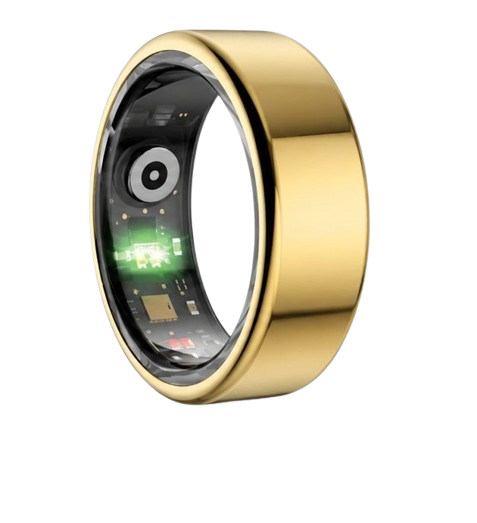
If you struggle to fall asleep or wake up feeling exhausted, you might wonder what is pink sound and how it can rescue your nightly rest. Achieving deep restorative sleep is essential for heart rate variability and recovery. Team Herz P1 designed the Herz P1 smart ring to help you track your sleep architecture, and exploring pink noise could be the ultimate key to unlocking better nighttime metrics.
Built to Last. Save Up to 69% Today.
The Herz P1 Smart Ring tracks HRV, Sleep, Heart Rate & SpO2 around the clock. No subscriptions. No renewals. Ever.
In This Article
- What is Pink Sound and Does It Actually Work? A clinical overview using the 5W2H framework to dissect acoustic wave performance.
- Comparative Acoustics: Exploring the physical differences between pink, white, brown, and green noise spectrums.
- The Neurological Science: How auditory stimulation interacts directly with slow-wave sleep and the glymphatic system.
- Tracking with Herz P1: Using smart ring technology to measure the direct impact of sound therapy on sleep stages and HRV.
- Sizing, Wearability, and Troubleshooting: Essential tips to ensure consistent 24/7 biometric tracking and optimal ring comfort.
What is Pink Sound and Does It Actually Work? Here is What the Science Reveals

Let us define pink noise as a unique physical sound spectrum where every octave carries equal acoustic energy.
Unlike other sound colors, this distribution creates a deeper, richer sound profile that mirrors natural environments.
Many individuals utilize this balanced frequency distribution as a core part of their daily sound meditation routine to ease transitions into deep rest.
The sound itself is often compared to a steady rainfall, a rustling wind, or the gentle movement of ocean tides.
Busy office workers, light sleepers, and highly stressed individuals stand to benefit the most from this natural acoustic buffer.
If you find yourself constantly waking up during the night, your auditory cortex is likely responding to abrupt ambient sounds.
By implementing a steady, calming background frequency, you protect your brain from these sudden sensory spikes.
This protection is highly beneficial for anyone struggling with nighttime restlessness or sleep fragmentation.
You should initiate this specialized acoustic stimulation approximately thirty minutes before your planned bedtime.
Consistency is key when using sound therapy, as it trains your brain to associate specific acoustic signals with relaxation.
Using a sleep app or specialized speaker to play these sounds ensures that your sleep onset remains highly stable.
Over time, your autonomic nervous system will learn to relax more rapidly when this auditory pattern begins.
This auditory therapy applies directly within your personal bedroom environment to establish a reliable sleep sanctuary.
It works exceptionally well in noisy urban areas where traffic, sirens, or loud neighbors disturb the peace.
Furthermore, you can easily use portable pink noise players in unfamiliar hotel rooms during business travel.
Creating a familiar acoustic background helps your brain feel safe and secure regardless of where you are sleeping.
The human brain never truly stops processing auditory information, even when you are completely unconscious.
Pink sound works by creating a protective acoustic shield that masks sudden external sounds.
According to the National Sleep Foundation, this masking effect prevents sudden micro-arousals that fragment your sleep cycles.
By protecting your brain from these interruptions, you spend more time in the deepest, most restorative phases of sleep.
Your brainwaves naturally slow down as you move from light stages of sleep into deep slow-wave sleep.
Pink noise stimulates the brain to synchronize its electrical waves with the steady, slow-moving physical sound waves.
This process of neural entrainment directly promotes stable, prolonged periods of slow-wave sleep activity.
Clinical studies show that this synchronization supports memory consolidation and cellular repair throughout the night.
Clinical researchers recommend playing these sleep sounds at a comfortable, moderate volume of 45 to 50 decibels.
This specific volume range is perfectly safe for long-term hearing health while remaining highly effective for acoustic masking.
Academic trials indicate that stable auditory stimulation can increase deep sleep duration by up to twenty-five percent.
Improving your deep sleep stages directly translates to a more robust, healthy cardiovascular recovery profile the next day.
If you want to track this in real time, the Herz P1 Smart Ring monitors your deep sleep duration and heart rate variability 24/7 — explore it here.
Comparative Acoustics: Pink Noise vs. White Noise vs. Brown Noise
Understanding the physical differences between auditory spectrums is essential for optimizing your personal sleep setup.
Each color of sound is defined by its mathematical power distribution across the frequency range.
White noise contains equal physical power across all individual frequencies, creating a static, high-pitched hiss.
Pink noise, by comparison, drops in power by three decibels per octave as the sound frequency increases.
This mathematical drop-off matches the logarithmic way the human ear naturally perceives sound frequencies.
Brown noise drops off even more sharply at six decibels per octave, resulting in a very deep, low-frequency rumble.
We can look at these acoustic variations more clearly by comparing their practical features side-by-side.
| Sound Color | Acoustic Frequency Profile | Primary Restorative Benefit |
|---|---|---|
| White Noise | Flat, equal energy across all audible frequencies | Masks sudden high-pitched noises like barking dogs |
| Pink Noise | Deeper bass tones, balanced power per octave | Promotes neural slow-wave sleep synchronization |
| Brown Noise | Heavy, deep low-frequency bass focus | Helps calm racing minds and aids sleep initiation |
| Green Noise | Centered around pleasant natural frequencies | Provides a highly soothing nature-based atmosphere |
Many sleepers find that the balanced profile of pink sound provides the most comfortable acoustic experience over long periods.
The gentle, natural tones prevent auditory fatigue while still providing excellent masking capabilities.
This makes it far more sustainable for overnight use compared to the harsh, bright hiss of white static.
What Does Pink Noise Do to Your Brain and Deep Sleep Architecture?

Let us closely examine what does pink noise do once the sound waves enter your auditory canal.
Your auditory cortex processes these balanced acoustic waves and begins sending rhythmic electrical signals to the brain.
This process triggers brainwave entrainment, coaxing your neural activity to synchronize with the steady physical sound pattern.
This synchronization is particularly powerful during slow-wave sleep, which is the deepest phase of physical rest.
The American Heart Association highlights deep sleep as the vital period when your blood pressure drops naturally.
During this phase, your tissues undergo cellular repair, and your immune system releases key restorative proteins.
Some individuals also enjoy experimenting with the soothing acoustic properties of organic greennoise.
You might also ask yourself: does rain sounds help you sleep as effectively as synthetic audio files?
Natural rain sounds are actually an organic form of pink sound, containing the exact same soothing physical frequency distribution.
This natural sound profile helps reduce the overall acoustic contrast in your immediate bedroom environment.
As a result, your brain remains blissfully unaware of minor background disturbances throughout the night.
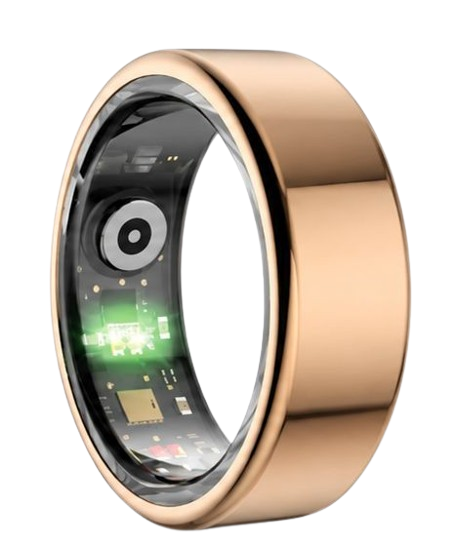
The Herz P1 Smart Ring utilizes multispectral PPG sensors to monitor how these acoustic changes affect your sleep.
By measuring your blood oxygen saturation (SpO2) and heart rate, the ring calculates your precise sleep stages.
When you use steady sound masking, you will likely notice a significant increase in your deep sleep score.
The free Herz P1 App displays these metrics in detailed, easy-to-read trend charts with zero monthly subscription fees.
The Benefits of Pink Noise for Autonomic Recovery and Heart Rate Variability
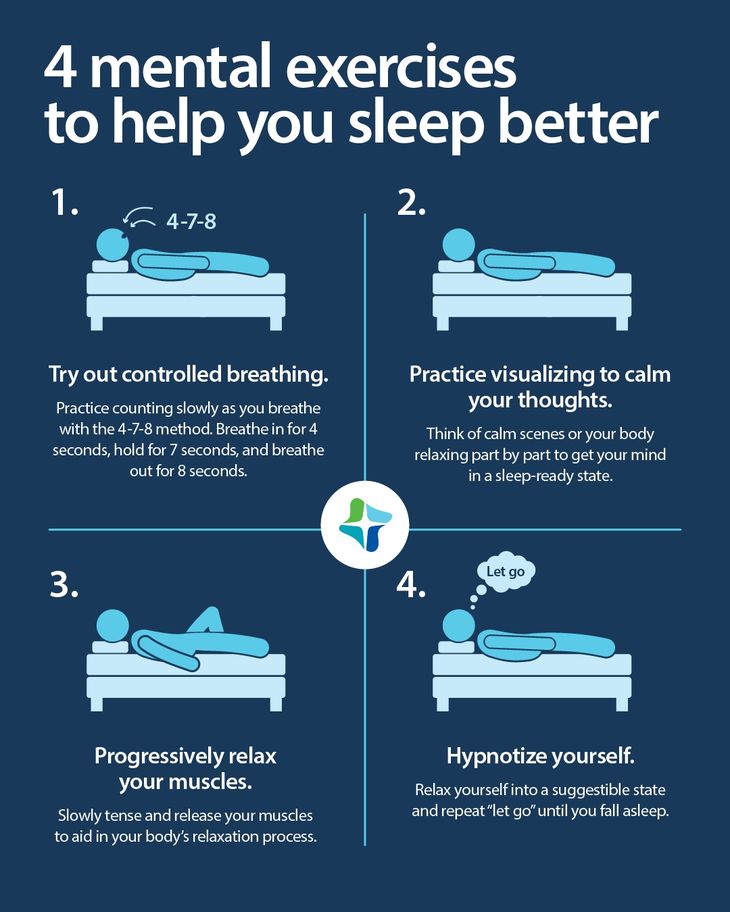
Let us explore the physiological benefits of pink noise on your cardiovascular system and daily recovery markers.
Your heart rate variability, or HRV, is the millisecond-level variation in time between each consecutive heartbeat.
A higher HRV score indicates that your nervous system is relaxed, resilient, and recovering well from daily stress.
Conversely, a low HRV score suggests that your body remains stuck in a sympathetic, high-stress state.
By using a dedicated noise to help sleep, you encourage your nervous system to relax.
This soothing acoustic input helps shift your autonomic balance toward a healthy, restorative parasympathetic state.
To deepen this physical relaxation, some wellness enthusiasts combine acoustic masking with gentle vibrational sound therapy.
Finding the best sound frequency for sleep is a personal process that depends on your unique nervous system.
The Herz P1 Smart Ring automatically tracks your heart rate and HRV every five minutes while you sleep.
This continuous, high-frequency sampling rate provides a much more accurate picture than devices that only sample once.
By reviewing your nightly HRV trends, you can easily see the direct physical benefits of your sound routine.
Many Herz P1 users report a visible stabilization of their resting heart rate after introducing pink sound.
This data-driven insight helps you make informed adjustments to your evening wind-down habits.
Practical Application Guide: Optimizing Sleep and HRV with Sound Therapy
You might wonder how long should i listen to pink noise to achieve the maximum physiological benefits.
Sleep medicine specialists recommend playing the sound continuously throughout your entire sleep cycle.
Continuous play ensures your brain remains protected from disturbances during early morning light sleep phases.
If you set a short timer, you risk waking up later when the room suddenly becomes completely silent.
This continuous protection is highly beneficial for people who prefer sleeping with background noise to block out city life.
However, if you struggle with the initial transition to sleep, a ninety-minute timer can still be quite useful.
Many busy office workers find that sleeping with noise in background settings helps calm their racing workday thoughts.
To begin, place a high-quality speaker approximately five to ten feet away from your head.
Set the volume to a gentle level, ensuring that it sounds like a soft, soothing breeze outside.
Slip your Herz P1 Smart Ring onto your chosen finger before you crawl into bed.
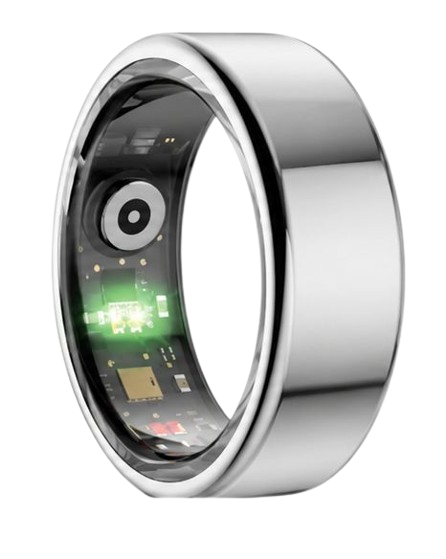
The lightweight, military-grade steel ring is incredibly comfortable and will not disturb your sleeping patterns.
As you sleep, the ring continuously collects your vital biometrics without emitting any annoying screen glare.
The next morning, open the companion app to sync and view your personalized sleep architecture score.
Over a few weeks, compare your deep sleep duration on nights with and without sound therapy.
This simple habit change can unlock a dramatic improvement in your overall energy and mental clarity.
Overcoming Sleep Tracking Pitfalls: Why Bulky Watches and Hidden Fees Fail You
Many health-conscious individuals make the mistake of wearing large, heavy smartwatches to bed.
These bulky devices often press into your wrist, causing physical discomfort that can wake you up.
Furthermore, if a watch strap is too loose, the sensors will shift and produce highly inaccurate readings.
The Herz P1 Smart Ring resolves this issue by packing advanced sensors into a slim, lightweight ring.
The ring sits securely at the base of your finger, where blood flow is highly accessible for accurate PPG readings.
Another major frustration in the wearable market is the sudden discovery of hidden monthly app fees.
Several leading smart ring brands require you to pay a costly monthly subscription just to see your sleep data.
We believe that you should never have to pay a recurring fee to access your own personal health metrics.
The Herz P1 App is completely free for your entire lifetime, with no subscription walls or hidden costs.
This allows you to focus entirely on your wellness journey without worrying about ongoing financial commitments.
Frequently Asked Questions About Sound Therapy and the Herz P1
Is the Herz P1 Smart Ring fully waterproof?
Yes, the Herz P1 features a highly durable IP68 waterproof design that supports depths up to 164 feet.
This means you can wear it safely while washing your hands, showering, or swimming laps in a pool.
The robust military-grade steel casing ensures the internal sensors remain completely dry and functional.
How long does the Herz P1 battery last on a single charge?
The highly efficient battery inside the Herz P1 delivers up to six days of continuous health tracking.
When it is time to recharge, the ring reaches a full charge in under one hour.
This rapid charging capability means you never have to miss a single night of valuable sleep tracking.
Which finger is the best option for wearing the smart ring?
For the highest level of biometric accuracy, we recommend wearing the ring on your index finger.
The middle and ring fingers are also excellent alternative options if you prefer a different look.
Ensure the ring fits snugly but comfortably without rotating too easily during your daily activities.
Does the Herz P1 store health data offline when disconnected?
Yes, the ring contains onboard memory that securely stores up to seven days of local biometric data.
You do not need to keep your smartphone near your bed or leave your Bluetooth enabled overnight.
The ring will automatically sync all stored sleep and HRV data the next time you open the app.
90-Day 100% Money-Back Guarantee
“The Herz Smart Ring helps me manage stress easily. It’s accurate, stylish, and lightweight—perfect for my busy life!”
— Jennifer P. | ✔ Verified Customer
- ✓ 6-Day Battery Life
- ✓ Detailed Sleep Analysis
- ✓ Fast 1-Hour Charging
- ✓ iOS & Android Ready
Questions? Call: 1-866-479-1629
Conclusion
Embracing pink noise optimizes your deep sleep architecture and accelerates physical recovery.
The Herz P1 is your ultimate subscription-free companion to monitor these vital shifts.
Ready to monitor your health? Explore the Herz P1 Smart Ring. Call: **1-866-479-1629** — our team can help you advise on the correct ring size and set health goals.
