

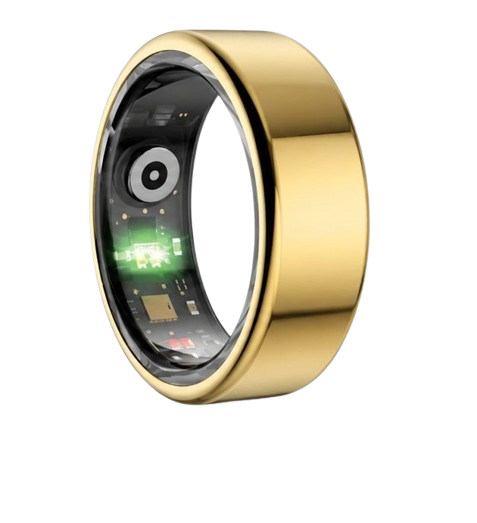
The heavy, overwhelming fatigue that sets in shortly after your holiday feast is widely known as a thanksgiving food coma, a physiological phenomenon driven by metabolic shifts, blood flow redistribution, and endocrine signaling. While many blame the festive turkey, the underlying chemistry of this energy crash involves a complex interplay of high-glycemic carbohydrates, parasympathetic nervous system dominance, and changes in sleep architecture. To help you navigate this annual energy dip and reclaim your metabolic vitality, Team Herz P1 designed the state-of-the-art Herz P1 Smart Ring to track heart rate variability, blood oxygen levels, and recovery markers in real time. By reading your body’s subtle signals, you can proactively adjust your habits, optimize digestion, and support your sleep throughout the holiday season.
Built to Last. Save Up to 69% Today.
The Herz P1 Smart Ring tracks HRV, Sleep, Heart Rate & SpO2 around the clock. No subscriptions. No renewals. Ever.
In This Article
- Step-by-Step Recovery: A practical system to stabilize your blood sugar and support digestive tract health after a heavy holiday meal.
- The Science of Fatigue: Exploring the role of tryptophan, high carbohydrates, and the nervous system in creating postprandial somnolence.
- Biometric Data Tracking: How the Herz P1 Smart Ring decodes heart rate, oxygen levels, and autonomic activity to help you manage physical stress.
- Strategic Lifestyle Adjustments: Helpful tips on meal timing, light movement, and sleeping practices to prevent next-day grogginess.
How to Prevent and Recover From a Thanksgiving Food Coma: A Step-by-Step Recovery Guide

Prerequisites / What You’ll Need
To successfully execute this recovery protocol, you do not need medical equipment or restrictive diets.
You only need clean drinking water, loose clothing, a safe path for walking, and a reliable biometric tracker to observe how your cardiovascular system handles metabolic stress.
-
Step 1: Strategize Your Hydration Timing
Drink one full glass of lukewarm water exactly thirty minutes before your meal to prepare your digestive lining for nutrients.
Avoid drinking large quantities of ice-cold liquids during the dinner itself to prevent diluting your natural gastric enzymes.
Sip warm herbal teas, such as ginger or peppermint, shortly after the meal to support smooth muscular relaxation in the gastrointestinal tract.
Keep a water bottle nearby throughout the evening to help your kidneys process the extra sodium and metabolic byproducts.
-
Step 2: Engage in a Post-Meal Digestive Walk
Wait approximately fifteen minutes after leaving the table before standing up for gentle physical movement.
Walk at a slow, conversational pace for ten to twenty minutes to encourage gentle muscle contractions that help clear glucose from your bloodstream.
Avoid high-intensity exercises, running, or heavy lifting, as vigorous movement diverts necessary blood flow away from your stomach.
Observe how this gentle movement helps clear the mental fog and reduces the immediate feeling of physical fullness.
-
Step 3: Practice Diaphragmatic Recovery Breathing
Find a comfortable upright chair where you can sit straight without putting pressure on your abdomen.
Inhale deeply through your nose for four seconds, allowing your belly to expand outward rather than raising your chest.
Hold that breath gently for two seconds to help stabilize your heart rate.
Exhale slowly through your mouth for six seconds to stimulate your vagus nerve and promote parasympathetic nervous system activity.
Repeat this rhythmic cycle ten times to ease physical tension and lower your body’s post-feast stress response.
-
Step 4: Optimize Your Post-Dinner Nutrient Timing
Avoid grazing on sweet desserts or sugary snacks immediately after finishing your main savory plate.
Allow your insulin levels to stabilize for at least two to three hours before considering any late-night holiday treats.
If you choose to have a late-night bite, look for a balanced snack before bed that features protein and healthy fats rather than quick-burning simple sugars.
Spacing out your food intake helps prevent a secondary glucose spike that can disrupt your body’s overnight recovery process.
-
Step 5: Adjust Your Sleeping Position and Environment
Keep your head and torso slightly elevated on a supportive pillow if you feel any mild pressure or acid reflux when lying down.
Sleep on your left side to assist your stomach’s natural anatomy and support comfortable digestion throughout the night.
Set your bedroom thermostat between 60 and 67 degrees Fahrenheit to counteract the slight rise in core body temperature caused by digesting a heavy meal.
Keep the room completely dark and quiet to help your brain transition smoothly into restorative, deep sleep cycles.
To truly understand how these recovery steps impact your body, tracking your vital signs with a reliable biometric device is incredibly valuable.
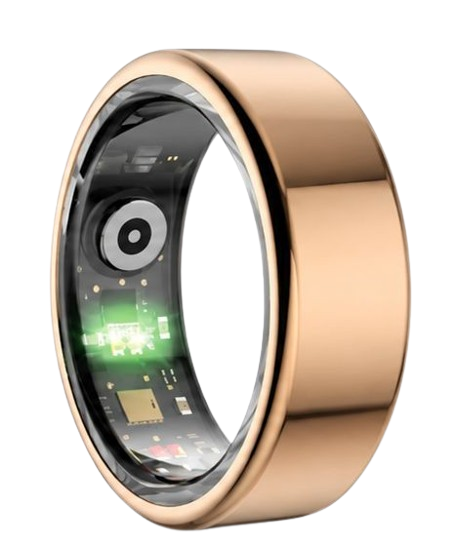
The Herz P1 Smart Ring sits comfortably on your finger, continuously measuring your heart rate, sleep quality, and physical recovery markers without requiring any monthly subscription fees.
By observing your personalized metrics on our free companion app, you can see exactly which adjustments help you feel refreshed and energized the next morning.
90-Day 100% Money-Back Guarantee
“The Herz Smart Ring helps me manage stress easily. It’s accurate, stylish, and lightweight—perfect for my busy life!”
— Jennifer P. | ✔ Verified Customer
- ✓ 6-Day Battery Life
- ✓ Detailed Sleep Analysis
- ✓ Fast 1-Hour Charging
- ✓ iOS & Android Ready
Questions? Call: 1-866-479-1629
The Science of Turkey Tiredness: Do Tryptophan Sleepiness and Food Coma Causes Actually Line Up?

For decades, the standard explanation for holiday drowsiness has blamed the amino acid tryptophan found in turkey.
Scientific analysis shows that while turkey does contain tryptophan, its concentration is similar to other proteins like chicken, beef, or cheese.
The sensation of being turkey tired is actually caused by the combination of food choices on your plate rather than the meat alone.
When you consume a plate filled with starchy sides, your blood sugar rises rapidly, triggering a significant insulin release.
This insulin spike clears most competing amino acids from your blood, allowing tryptophan to reach your brain more easily.
Once inside the brain, tryptophan is converted into serotonin and melatonin, the neurotransmitters responsible for relaxation and sleepiness.
Understanding these food coma causes reveals why balanced eating is so important for sustaining your daily energy levels.
Consuming high-glycemic carbs before bed can cause a sharp rise and fall in blood glucose, leading to midnight wakefulness and next-day fatigue.
Insulin Spikes and the Parasympathetic Shift
When your stomach stretches to accommodate a large holiday meal, it activates sensory nerves that notify your brain of the heavy digestive load.
Your autonomic nervous system immediately shifts its balance toward the parasympathetic branch, often called the “rest and digest” state.
This shift redirects oxygen-rich blood flow away from your skeletal muscles and brain, focusing it on your stomach and intestines to assist with digestion.
The combination of decreased circulating blood flow and a drop in blood sugar after an insulin spike produces the classic lethargy of a post-meal slump.
These temporary changes in circulation and blood sugar levels are the main physiological factors behind the post-feast energy crash.
How Biometric Wearables Track Your Post-Feast Recovery Metrics

When your body works hard to digest a heavy meal, your heart and autonomic nervous system adapt to handle the metabolic stress.
The Herz P1 Smart Ring uses high-precision optical sensors to track these internal changes, giving you a clear window into your recovery.
During heavy digestion, your resting heart rate often stays elevated for several hours as your heart pumps extra blood to your digestive organs.
At the same time, your Heart Rate Variability (HRV) typically drops, showing that your cardiovascular system is working harder than usual.
By monitoring these subtle biometric shifts, you can see exactly how different meals affect your body’s baseline stress and recovery levels.
Understanding these daily trends can help you make mindful choices about your meals, recovery times, and overall physical health.
Interpreting Your Overnight Sleep and Metabolism Trends
Going to bed with a full stomach can significantly impact your overnight recovery and metabolic health.
An active digestive tract keeps your core body temperature elevated, which can delay or shorten your deep, restorative sleep cycles.
Tracking the close relationship between sleep and metabolism helps you understand how late-night eating affects your morning energy levels.
When digestion disrupts your sleep, you may wake up feeling groggy, as your body hasn’t had the chance to complete its vital physical repairs.
Supporting your metabolic health is essential for maintaining steady daytime energy and preventing unexpected afternoon slumps.
By paying attention to your sleep quality, you can make supportive changes that help keep your metabolism balanced and your body feeling its best.
Optimizing Your Holiday Recovery Using Herz P1 Smart Ring Biometrics
Managing your recovery after a holiday feast is much easier when you can see how your body responds to different habits.
The Herz P1 companion app provides clear, easy-to-read charts of your overnight heart rate, HRV, and sleep stages.
If you see that your heart rate remains elevated long into the night, it’s a helpful sign that your body is spending extra energy on digestion.
Using these insights, you can adjust your next mealtime or enjoy a short, gentle walk to help your body transition into a restful state.
The ring’s comfortable, lightweight design makes it easy to wear all day and night, providing continuous data without distracting you from your celebrations.
Actionable Adjustments for Sleep, Snacks, and Timing
Making a few mindful shifts in your holiday routine can significantly improve how you feel the next day.
If you enjoy having a light snack before bed, choosing options with protein and healthy fats can help keep your blood sugar stable through the night.
For those who love late-night baking, trying balanced bedtime snack recipes for better sleep is a great way to satisfy your sweet tooth without disrupting your rest.
It is also helpful to consider how late is too late to eat, as giving your body a few hours to digest before sleep supports deeper, more restorative rest.
When late-night eating throws off your sleep, you might find yourself wondering why am i always tired in the afternoon the following day.
By spacing out your meals and choosing balanced snacks, you can help your body stay energized, clear-headed, and ready for the holidays.
Avoiding Common Sleep Tracking Mistakes During the Holidays
Many people find that wearing a large, bulky smartwatch to bed is uncomfortable, which often leads to inconsistent sleep tracking.
A heavy watch can shift on your wrist during the night, resulting in gaps or inaccurate readings in your sleep and heart rate data.
Additionally, many wearable devices require expensive monthly subscriptions to access your complete health history and recovery insights.
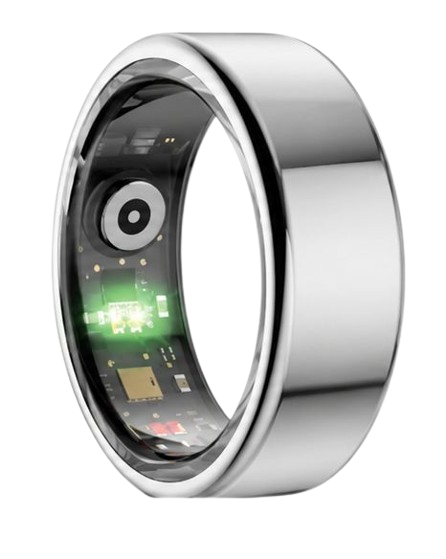
The Herz P1 Smart Ring offers a comfortable, lightweight alternative made from durable, military-grade materials designed for 24/7 wear.
Our companion app is completely free for life, giving you full access to all your biometric trends without any hidden subscription fees.
This straightforward approach allows you to focus on your recovery and enjoy the holiday season without worrying about recurring costs.
Frequently Asked Questions About Smart Rings & Digestion
Is the Herz P1 Smart Ring waterproof?
Yes, the Herz P1 features an IP68 waterproof rating, which means it is fully protected against dust and water immersion up to 164 feet.
You can confidently wear your ring while washing dishes, showering, swimming, or enjoying a relaxing soak after your holiday meals.
How long does the battery last on a single charge?
The Herz P1 is equipped with an efficient battery that lasts up to 6 days under normal daily use.
When it is time to recharge, the ring reaches a full charge in under 1 hour using the included magnetic charging cradle.
Which finger is the best option for wearing the smart ring?
For the most consistent and accurate biometric readings, we recommend wearing the ring on your index, middle, or ring finger.
Choose a finger that offers a snug, comfortable fit where the internal sensors can make steady contact with your skin without sliding.
Does the Herz P1 store my health data offline?
Yes, the ring has secure built-in memory that can store up to 7 days of continuous biometric data offline.
Your recorded metrics will sync automatically to your smartphone as soon as the ring reconnects to the companion app via Bluetooth.
Conclusion
Managing your body’s response to holiday meals is simple when you understand the physical causes of a food coma.
By practicing gentle movement, staying hydrated, and monitoring your recovery metrics, you can support your metabolic health and wake up feeling refreshed.
Ready to monitor your health every day? Explore the Herz P1 Smart Ring and see if it fits your lifestyle. Call: 1-866-479-1629 — our team can help you advise on the correct ring size and set personalized health goals.
Note: Individual results may vary depending on individual health conditions, age, and lifestyle habits. This article is intended for general health reference purposes only.
