

Understanding the average heart rate sleeping woman normal ranges is essential for long-term health tracking. A female’s nocturnal pulse fluctuates naturally due to hormonal shifts, stress, and lifestyle factors. Our team at Team Herz P1 designed the Herz P1 smart ring to help you continuously monitor these vital patterns without cumbersome or bulky wristbands. Let us explore how you can easily decode these critical biometric signals tonight.
Built to Last. Save Up to 69% Today.
The Herz P1 Smart Ring tracks HRV, Sleep, Heart Rate & SpO2 around the clock. No subscriptions. No renewals. Ever.

In This Article
- Nocturnal Biometrics: Learn how to properly track and interpret your sleeping heart rate.
- The Science of Female Sleep: Discover why women experience unique physiological shifts overnight.
- Cycle & Life Stage Impacts: Understand how hormones and age influence your heart rate trends.
- Advanced Solutions: Find out how a sleek smart ring can replace bulky, expensive wrist trackers.
How to Track and Optimize Your Sleeping Heart Rate: A Step-by-Step Guide
Tracking your nocturnal cardiovascular trends requires consistency and the right digital tools.
By monitoring changes in your pulse, you can quickly evaluate your daily recovery quality and detect early signs of bodily stress.
To successfully perform this tracking, you will need a comfortable, highly accurate biometric device and a commitment to keeping a consistent sleep schedule for at least seven consecutive days.
-
Step 1: Select the Proper Finger for Accurate Optical Biometrics
Ensure that your wearable sensor rests securely against a finger with strong localized blood perfusion.
The index or middle finger of your non-dominant hand typically provides the most reliable signal for optical PPG sensors.
A secure fit is critical to prevent light leaks that can distort the measurements of the average resting heart rate for women.
Make sure the device sits snugly but comfortably without restricting your natural overnight blood flow.
-
Step 2: Sync Your Wearable Device to Log Cycle-Based Variations
Connect your smart device to its companion health application immediately upon waking up each morning.
This routine logs your nightly sleeping pulse alongside your current menstrual cycle phase to identify patterns.
Using a dedicated women’s health smart ring allows you to correlate hormonal fluctuations with heart rate trends.
Keep these logs consistent to separate temporary lifestyle stressors from predictable cyclic shifts in your body.
-
Step 3: Establish a Regular Wind-Down Windows to Stabilize Nocturnal Rates
Begin a relaxing pre-sleep routine approximately sixty minutes before you turn off the lights for bed.
Avoid mentally stimulating work, intense physical exercise, or bright screens that can elevate your sympathetic nervous system activity.
This calming window prepares your body to transition into deep, restorative slow-wave sleep phases quickly.
A lower heart rate before sleep onset directly translates to more time spent in deep physiological recovery.
-
Step 4: Audit and Adjust Your Evening Food and Drink Habits
Note how consuming large meals, sugar, or alcohol within three hours of bedtime impacts your sleeping biometrics.
These substances require intensive digestion, which keeps your cardiovascular system working harder throughout the night.
You will likely notice a significant spike in your early-night heart rate if your body is busy processing a heavy meal.
Aim to finish your last meal early to allow your heart rate to drop to its true baseline during sleep.
-
Step 5: Review Your Weekly HRV and Pulse Trends
Look at your weekly dashboard to identify your lowest heart rate point, which typically occurs during deep sleep.
A healthy heart rate should drop to its lowest level during the middle of your sleep cycle.
Consistently elevated sleeping rates may indicate that your body is dealing with chronic stress, fatigue, or an oncoming illness.
Compare your findings with a validated resting heart rate healthy range to track your overall cardiovascular wellness journey.
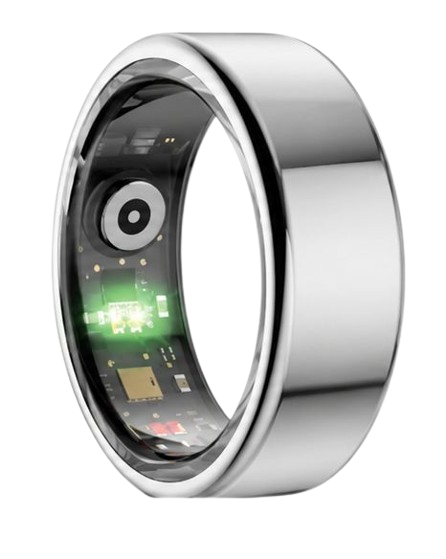
You can effortlessly master this tracking process with the help of the advanced Herz P1 Smart Ring.
This military-grade ring sits comfortably on your finger, tracking your biometrics around the clock without any distracting screens or annoying watch bands.
By wearing the Herz P1 to bed, you gain access to clinical-grade insights into your nightly recovery patterns, stress management, and hormonal cycle trends.
90-Day 100% Money-Back Guarantee
“The Herz Smart Ring helps me manage stress easily. It’s accurate, stylish, and lightweight—perfect for my busy life!”
— Jennifer P. | ✔ Verified Customer
- ✓ 6-Day Battery Life
- ✓ Detailed Sleep Analysis
- ✓ Fast 1-Hour Charging
- ✓ iOS & Android Ready
Questions? Call: 1-866-479-1629
Decoding the Physiology: What Is a Normal Sleeping Heart Rate for Women?
When you sleep, your body transitions from an active state to a restorative, recovery-focused mode.
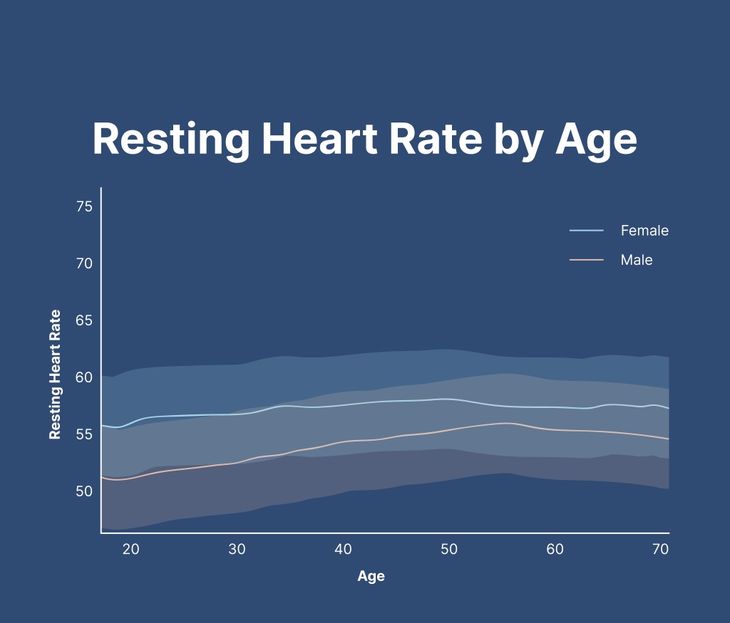
The average heart rate sleeping woman exhibits typically ranges between 40 and 70 beats per minute (bpm).
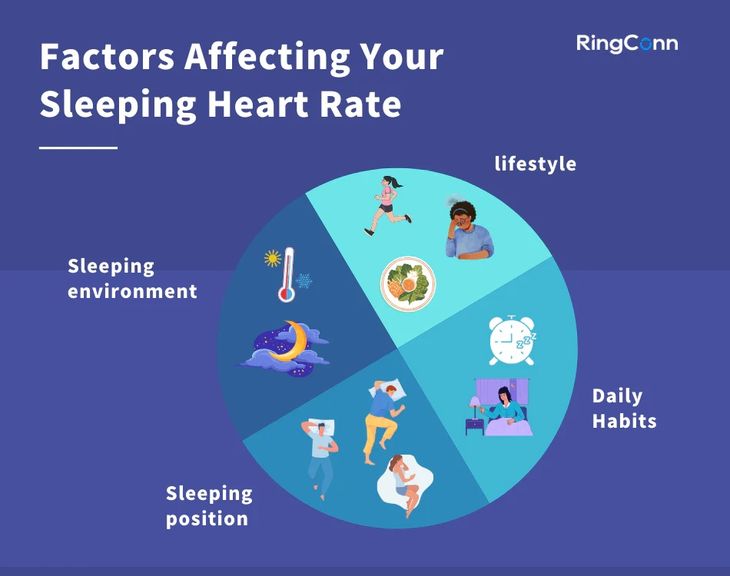
This range is influenced by several factors, including cardiovascular fitness, thyroid function, and daily recovery status.
Highly conditioned female athletes may even see their sleeping pulse dip below 40 bpm safely.
Conversely, less active individuals might experience baseline rates on the higher end of the spectrum.
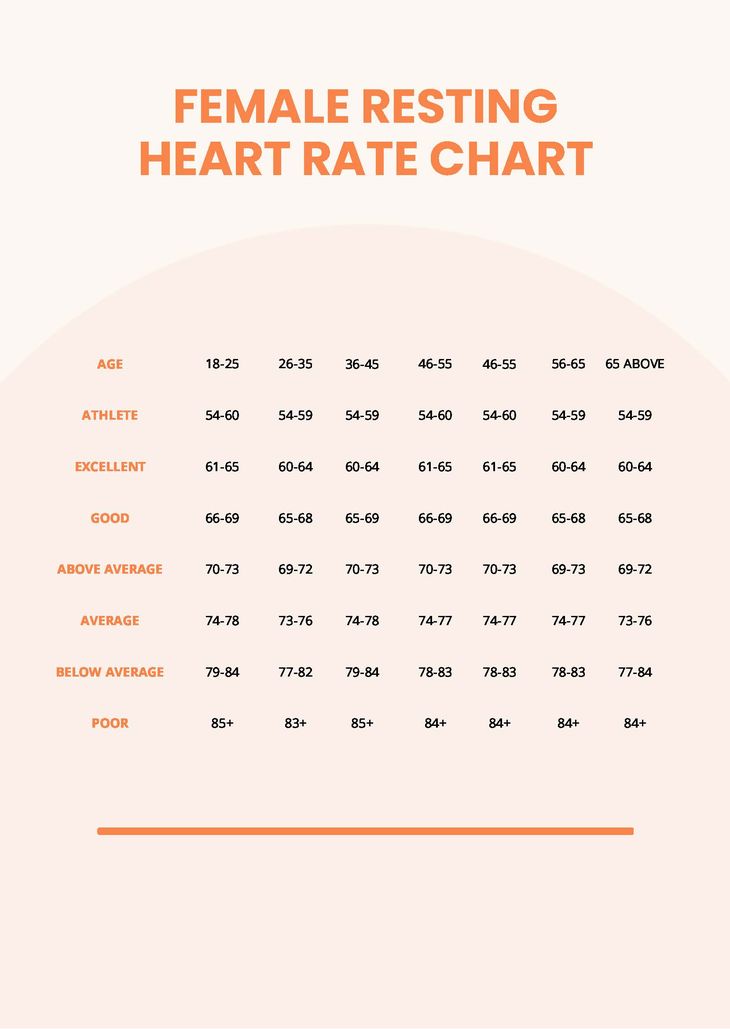
Understanding these variations helps you evaluate where your body stands on a standard resting bpm chart.
The autonomic nervous system regulates this nocturnal drop through parasympathetic nervous system activation.
This parasympathetic activity helps lower your blood pressure, slow your heart rate, and relax your vascular system.
If you check the average human resting heart rate, you will notice that nighttime biometrics are always lower than daytime readings.
This difference is a natural consequence of your circadian rhythm, which lowers your core temperature and metabolism overnight.
When studying male vs female sleep, we observe that women often have slightly higher resting pulses than men due to smaller heart sizes.
This physical difference is entirely normal and represents a healthy biological adaptation rather than a cardiorespiratory issue.
A typical female sleep cycle features several stages, including Light, Deep, and Rapid Eye Movement (REM) phases.
During deep non-REM sleep, your cardiovascular system experiences its most stable, quiet periods of the night.
This stability is why your heart rate drops to its absolute lowest point during these restorative deep sleep stages.
During REM sleep, your heart rate and breathing can become irregular due to active dreaming and heightened brain activity.
By tracking these subtle shifts, you can better understand how different sleep stages impact your body’s recovery.
Hormonal Waves: How Cycle Phases and Aging Shape Your Nightly Heart Rate
Fluctuating levels of estrogen and progesterone throughout your menstrual cycle can significantly impact your cardiovascular biometrics.
During the follicular phase, which starts with your period, your resting and sleeping heart rates are typically at their lowest.
Estrogen dominates this phase, promoting blood vessel dilation and encouraging healthy parasympathetic nervous system activity.
This calming effect helps you achieve deeper, more restorative sleep and lower overall sleep heart rate averages.
These fluctuations highlight the physiological differences explored in studies of gender sleep differences.
After ovulation, your body transitions into the luteal phase, where progesterone levels rise dramatically.
Progesterone acts as a mild systemic stimulant, which naturally raises your core body temperature and elevates your sleeping pulse.
This shift can cause your female sleeping heart rate average to rise by 3 to 10 beats per minute.
This elevation is a normal biological response and does not mean your fitness levels have suddenly declined.
Tracking these shifts with a dedicated wearable helps you avoid unnecessary health anxiety during this phase of your cycle.
As women transition through perimenopause and menopause, hormonal shifts become more unpredictable.
This life stage often brings nighttime hot flashes, sleep fragmentation, and changes in heart rate variability (HRV).
Monitoring these changes can help you understand how aging affects your body’s natural recovery processes.
You can compare your metrics against the expected average hrv by age for women aged 50 to see where you stand.
Tracking these trends provides valuable data that can guide conversations with your healthcare provider.
Practical Application Guide: Deciphering Your Herz P1 Biometric App
The companion application for the Herz P1 Smart Ring makes it easy to understand your complex biometric data.
When you open the app, you will find a clear, visual breakdown of your overnight recovery and sleep metrics.
The sleep dashboard displays your heart rate trends, HRV scores, and blood oxygen levels in simple, interactive graphs.
A quick look at these trends helps you see how yesterday’s choices are impacting your body’s recovery tonight.
You can use this data to make smart adjustments to your daily exercise, work, and wellness routines.
If your app shows an elevated sleeping pulse, it may be a good idea to opt for a lighter recovery workout.
When your biometrics are optimal, you can confidently take on more intense physical challenges or high-energy tasks.
The ring’s lightweight design makes it incredibly comfortable for 24/7 wear, ensuring you never miss a beat of data.
Unlike bulky smartwatches, the Herz P1 feels like a natural part of your body, even while you sleep.
The app also tracks long-term health trends to help you spot gradual changes in your resting biometrics.
You can easily see how improvements in your diet, exercise habits, and stress management pay off over time.
This continuous feedback loop empowers you to take proactive control of your personal health journey.
The user-friendly interface makes it simple for health enthusiasts of any experience level to navigate their data.
Overcoming Common Tracking Pitfalls and Wearable Discomfort
Many people find wearing a bulky smartwatch to bed uncomfortable, which can disrupt their natural sleep patterns.
Heavy wrist trackers can catch on sheets, press uncomfortably against your skin, and cause mild sleep disruptions.
These subtle awakenings can artificially elevate your sleeping pulse and skew your recovery metrics.
A sleek, lightweight smart ring solves this issue by offering a comfortable, low-profile alternative for sleep tracking.
Another common frustration with popular fitness trackers is the burden of ongoing monthly subscription fees.
Many brands lock your personal health data behind expensive paywalls after you buy their hardware.
We believe you should never have to pay a monthly fee to access your own biometric information.
The Herz P1 App is free for life, giving you full access to all your health metrics with no hidden charges.
This lifetime access ensures you can track your health journey continuously without any financial stress.
Optical sensors can also struggle to read through dirty surfaces or loose fittings, leading to gaps in your data.
Ensure your ring fits snugly and wipe the inner sensors occasionally with a soft cloth to maintain accuracy.
These simple habits will ensure you get clean, reliable biometric readings night after night.
Frequently Asked Questions (FAQ)
Is the Herz P1 Smart Ring waterproof?
Yes, the Herz P1 features a robust IP68 waterproof rating that allows it to withstand submersion up to 164 feet.
You can safely wear the ring while swimming, showering, washing your hands, or sweating during intense workouts.
The military-grade steel construction ensures the internal sensors remain fully protected in any wet environment.
How long does the ring’s battery last on a single charge?
The Herz P1 delivers up to 6 days of continuous biometric tracking on a single, full charge.
When the battery runs low, the ring charges from empty to full in less than one hour using the included magnetic dock.
This quick charge time ensures you spend less time waiting and more time gathering valuable health insights.
Which finger is best to wear the smart ring on for sleep tracking?
We recommend wearing the ring on your index, middle, or ring finger for the most accurate biometric readings.
These fingers typically have the strongest surface blood flow, which helps the optical sensors capture clean data.
Choose the finger that offers a secure fit without feeling too tight or restrictive during warm nights.
Does the Herz P1 store health data offline when disconnected from Bluetooth?
Yes, the Herz P1 has built-in local memory that can safely store up to 7 days of biometric data offline.
Your ring will continue to track your sleep, heart rate, and steps even if your phone is turned off or out of range.
The stored data will automatically sync to your companion app the next time your Bluetooth connection is active.
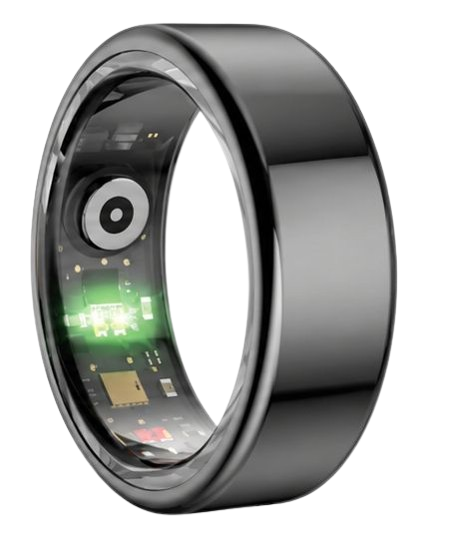
Conclusion: Empower Your Sleep Journey Today
Monitoring your nightly cardiovascular patterns is a powerful way to understand your body’s recovery needs.
The Herz P1 Smart Ring makes this tracking easy, comfortable, and accessible without any subscription fees.
Ready to monitor your health every day? Explore the Herz P1 Smart Ring and see if it fits your lifestyle. Call: 1-866-479-1629 — our team can help you advise on the correct ring size and set personalized health goals.
