

Monitoring your lowest heart rate during sleep is a vital window into your cardiovascular health. Studies from the American Heart Association show that a dip of 10% to 20% in overnight pulse indicates healthy autonomic nervous system function. The advanced Herz P1 smart ring monitors this recovery dip continuously with clinical-grade accuracy. Understanding your biometric trends helps you identify cardiovascular strain before it affects your daily performance.
Built to Last. Save Up to 69% Today.
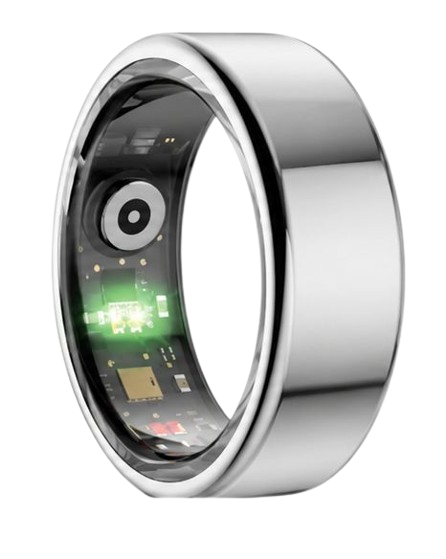
The Herz P1 Smart Ring tracks HRV, Sleep, Heart Rate & SpO2 around the clock. No subscriptions. No renewals. Ever.
In This Article
- Biometric Accuracy: Learn how smart rings measure overnight pulse patterns safely.
- Autonomic Nervous System: Discover the role of parasympathetic activity in deep sleep stage drops.
- Safety Benchmarks: Find out when a sleeping heart rate of 40 or 50 is perfectly normal.
- Lifestyle Optimization: Step-by-step methods to lower and stabilize resting heart rate.
How to Track and Optimize Your Lowest Heart Rate During Sleep: A Step-by-Step Guide
Prerequisites / What You’ll Need
Before optimizing your overnight vitals, you need the right tools and daily habits.
A high-performance biometric tracker like the Herz P1 is essential for continuous optical sensing.
You also need a consistent bedtime routine to stabilize your nightly baseline data.
Ensure your device has at least a 20% charge to prevent any data collection gaps while you rest.
-
Step 1: Choose a Comfortable Tracking Device
Traditional smartwatches are often too bulky to wear comfortably through the night.
This physical discomfort can disrupt your natural sleep architecture and corrupt your heart rate data.
A lightweight, military-grade titanium smart ring provides the ideal alternative for uninterrupted rest.
The ring must utilize multi-wavelength optical sensors to penetrate subcutaneous skin layers accurately.
This technology measures capillary blood flow directly from the base of your finger.
You will get continuous, highly accurate readings without the skin irritation caused by heavy wristbands.
Choosing a device with advanced green, red, and infrared LEDs ensures clinical-grade precision.
Infrared light penetrates deeper into your dermal tissues than green light alone.
This deeper penetration allows the sensor to capture steady data even when you roll over in bed.
The Herz P1 offers this precise monitoring capability without any restrictive monthly app fees.
You can enjoy high-fidelity sleep stage tracking without worrying about heavy, plastic wrist hardware.
Accurate hardware is the absolute foundation of understanding your cardiovascular recovery.
-
Step 2: Calibrate Your Baseline Sleeping Metrics
Your body requires several nights of consistent wearable use to establish a true physiological baseline.
Do not rely on a single night of tracking to determine your cardiovascular health status.
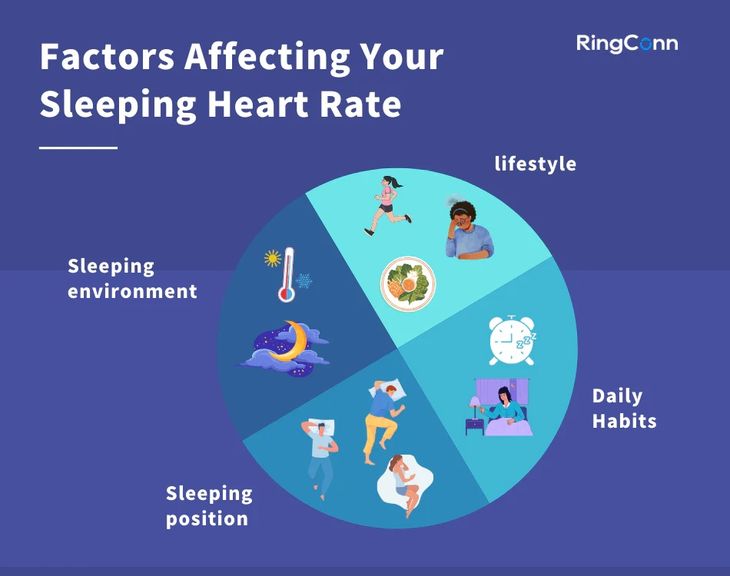
The autonomic nervous system fluctuates daily based on stress levels, hydration, and muscle fatigue.
Check your sleep history over a seven-day window to calculate your average lowest pulse.
This baseline acts as your personal health benchmark for future exercise or lifestyle interventions.
You will easily spot abnormal physiological deviations once this clean baseline is established.
The free companion app automatically charts these baseline trends for your daily review.
Consistency in when you go to sleep will make your baseline calibration far more accurate.
Try to wear your smart ring on the same finger every night to ensure sensor consistency.
Keep the optical sensors free of skin oils or sweat to prevent measurement anomalies.
Understanding your baseline is crucial for recognizing subtle autonomic nervous system changes early.
A reliable baseline prevents unnecessary health anxiety when your overnight vitals dip naturally.
-
Step 3: Analyze the Timing of Your Overnight Pulse Drop
The timing of your lowest heart rate is just as important as the number itself.
Ideally, your heart rate should reach its lowest point during the middle of your sleep cycle.
This ideal physiological curve is known as the cardiovascular “bowl” shape.
A late overnight drop indicates that your digestive system or nervous system is still working hard.
This delay often happens when you eat heavy meals or drink alcohol close to bedtime.
Tracking the exact hour of the dip helps you adjust your evening habits accordingly.
Your blood vessels cannot relax properly if your heart rate stays elevated until morning.
Finding this pattern helps you ensure your heart muscle gets adequate rest each night.
When your heart rate drops early in the night, it indicates highly efficient cardiovascular recovery.
An early drop allows your blood pressure to decline naturally, protecting your arterial walls.
A late drop can leave you feeling chronically fatigued even after eight full hours of sleep.
The Herz P1 app tracks these timing trends to give you a complete picture of your rest.
-
Step 4: Implement Evening Downregulation Protocols
Active relaxation techniques directly stimulate your parasympathetic nervous system before bed.
Try practicing slow, deep breathing or progressive muscle relaxation for ten minutes.
This simple practice encourages a rapid drop in heart rate while sleeping.
Avoid high-intensity aerobic workouts within three hours of your planned bedtime.
Late-night exercise floods your bloodstream with stimulating cortisol and adrenaline.
These hormones keep your resting heart rate elevated for several hours after you stop exercising.
You can monitor how different wind-down routines affect your overnight recovery speed.
Over time, these healthy habits will yield a lower and more stable sleeping heart rate.
Dimming your home lights two hours before sleeping also signals your brain to release melatonin.
Melatonin helps lower your core body temperature and your resting heart rate in tandem.
Limiting blue light exposure from phones prevents sympathetic nervous system arousal.
These deliberate actions prepare your cardiovascular system for deep, restorative sleep stages.
-
Step 5: Review Weekly Trends and Adjust Exercises
Use your weekly health reports to adjust your physical training intensity systematically.
If your lowest heart rate rises steadily over several days, your body may be showing signs of overtraining.
This elevated metric indicates that your muscles and heart require more recovery time.
Reduce your workout intensity until your sleeping heart rate returns to its normal baseline.
Conversely, a gradual decrease in your resting rate signifies improving cardiovascular fitness.
You can use these positive trends to safely push your limits during physical activity.
The Herz P1 app simplifies this process by translating complex metrics into actionable recovery scores.
Tracking this relationship helps you avoid physical injury and long-term athletic burnout.
Consistent cardiovascular recovery leads to higher energy levels and better mental focus throughout the day.
Make sure to log your workouts so you can correlate physical exertion with overnight sleep data.
The smart ring helps you listen to what your body is actually telling you.
Listening to these biometric signals is the key to sustainable athletic progress and longevity.
The Herz P1 Smart Ring is engineered to simplify this health tracking process seamlessly.
It monitors your pulse, HRV, and sleep stages without annoying warning sounds or bulky straps.
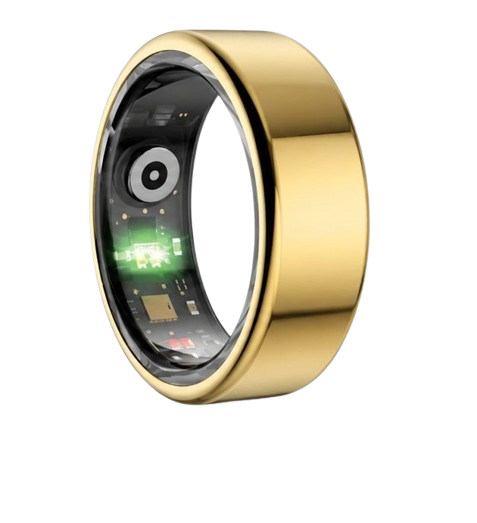
Our military-grade steel ring tracks your metrics continuously and delivers actionable advice through a lifetime free app.
90-Day 100% Money-Back Guarantee
“The Herz Smart Ring helps me manage stress easily. It’s accurate, stylish, and lightweight—perfect for my busy life!”
— Jennifer P. | ✔ Verified Customer
- ✓ 6-Day Battery Life
- ✓ Detailed Sleep Analysis
- ✓ Fast 1-Hour Charging
- ✓ iOS & Android Ready
Questions? Call: 1-866-479-1629
The Science of Sleep Bradycardia and Your Autonomic Nervous System
Sleep bradycardia is the formal medical term for a naturally slow heart rate during sleep.
For the vast majority of healthy adults, a noticeable resting heart rate drop sleeping is completely normal.
The National Sleep Foundation notes that heart rates can dip significantly during deep sleep stages.
This physiological drop occurs as the parasympathetic nervous system dominates your body’s vital functions.
The parasympathetic system is often referred to as the “rest and digest” branch of the nervous system.
It releases the neurotransmitter acetylcholine to slow down pacemaker cells and relax your blood vessels.
This process successfully reduces cardiac output and lowers your overall systemic blood pressure.
It gives your hard-working heart muscle a critical chance to repair itself after a long, active day.
Meanwhile, the sympathetic nervous system, or “fight or flight” branch, steps down its activity.
This fundamental shift is absolutely essential for deep cellular regeneration and daily memory consolidation.
If your body remains in a chronically stressed state, this natural shift does not occur fully.
Your heart will continue to beat rapidly throughout the night, preventing restorative physical recovery.
Continuous biometric tracking reveals whether your nervous system is transitioning properly each night.
The Herz P1 smart ring uses multi-spectral optical sensors to capture these subtle nervous system shifts.
This advanced sensor technology reads blood volume changes at your finger capillaries with high-frequency accuracy.
These precise metrics help you understand the true physiological depth of your sleep bradycardia.
Understanding this underlying science helps you appreciate why a low sleeping pulse is generally a sign of great health.
Decoding Your Vitals: Is a Sleeping Heart Rate of 40 or 50 Safe?
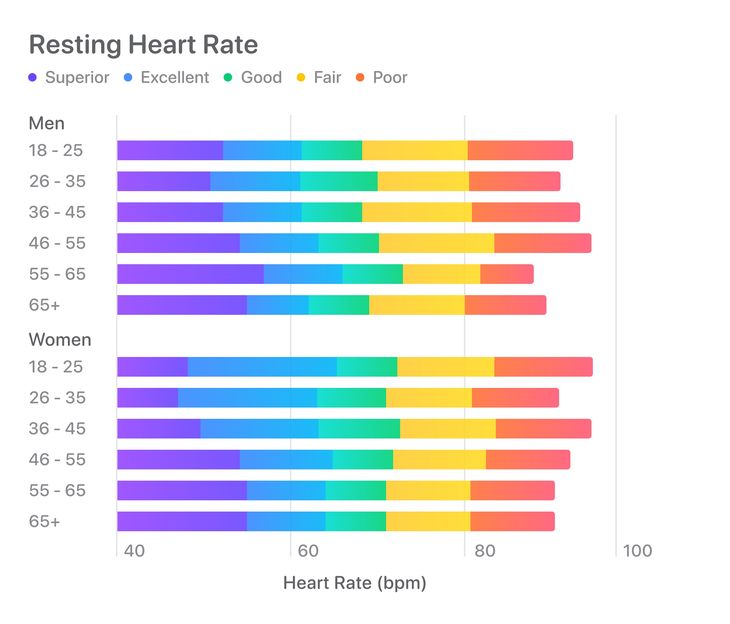
Many health-conscious people feel highly anxious when they see a sleeping heart rate 40 on their tracker.
They naturally wonder if their heart is beating too slowly to support basic body functions during sleep.
For highly trained athletes and fit individuals, a sleeping heart rate 50 or lower is incredibly common.
Their cardiovascular muscle is strong enough to pump a larger volume of blood with each individual contraction.
This physical efficiency means the heart requires far fewer beats to deliver adequate oxygen to tissues.
However, you might still ask how low should your heart rate get when you sleep safely.
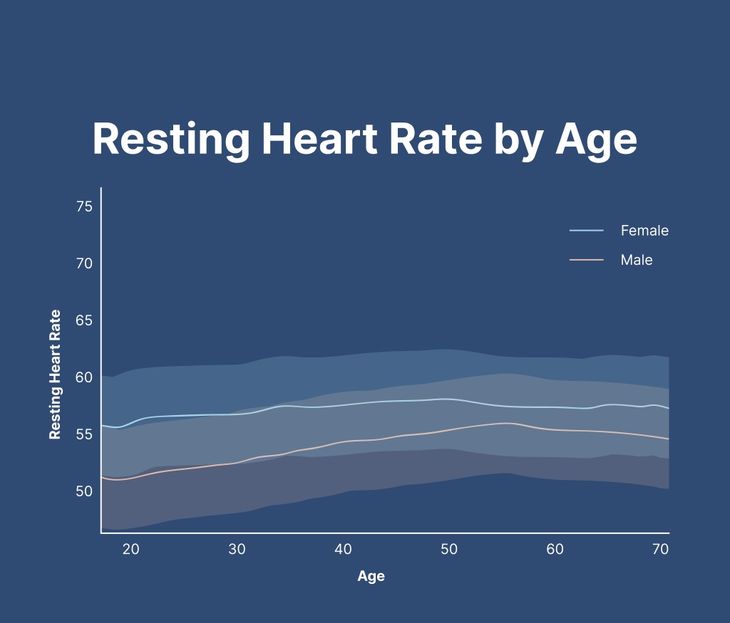
Generally, any resting pulse between 40 and 60 beats per minute during sleep is considered normal and healthy.
You should also understand how low does heart rate go when sleeping before worrying about potential cardiac issues.
If your heart rate drops to 40 when sleeping, it is usually safe if you feel energetic and alert during the day.
The American Heart Association states that bradycardia without symptoms like chronic dizziness is not dangerous.
However, if you experience extreme daytime fatigue, fainting spells, or chest pains, you should consult a doctor.
A sudden, unexplained drop in sleeping pulse can sometimes indicate thyroid issues or electrical pathway blocks.
This is why tracking your historical biometric trends is much more valuable than staring at a single nightly number.
A consistent heart rate lower when sleeping shows that your cardiovascular system is highly adapted to resting.
Using a smart ring lets you monitor these fluctuations comfortably without the physical stress of bulky wristbands.
The Herz P1 logs these overnight metrics automatically to build a clear history of your heart’s behavior over time.
This personalized data empowers you to have highly productive, fact-based conversations with your healthcare provider.
How to Use Herz P1 Data to Optimize Sleep and Exercise
Reading your biometric metrics on the Herz P1 companion app is straightforward and highly intuitive.
The free app presents your overnight pulse and HRV in clean, visual trend graphs every morning.
You can immediately spot how your evening habits affect your cardiovascular recovery and sleep depth.
For instance, a glass of wine before bed will visibly elevate your lowest overnight pulse.
You will also see your HRV plunge as your body works hard to clear the alcohol from your system.
Use these clear visual cues to make healthier, data-driven decisions about your evening routines.
You can also coordinate your daily workout intensity based on your personalized recovery score.
If your overnight pulse is higher than your baseline, consider an active recovery day instead of heavy lifting.
This proactive recovery approach prevents physical injury and long-term adrenal fatigue.
The military-grade steel smart ring is designed specifically for comfortable 24/7 wear.
It is incredibly lightweight and sits securely at the base of your finger without sliding.
This secure placement ensures the multi-spectral optical sensors maintain steady skin contact.
You will quickly forget you are wearing a tracker while capturing highly accurate physiological data.
Reliable sleep data is the first practical step toward reclaiming your daily physical and mental vitality.
Avoiding Common Pitfalls in Wearable Health Tracking
Many people make the critical mistake of wearing a heavy, bulky smartwatch to bed.
These large devices easily shift during the night, leading to highly inaccurate optical sensor readings.
The constant screen glare and physical wrist pressure can also disrupt your deep slow-wave sleep cycles.
Another common consumer trap is buying a fitness tracker that requires an expensive monthly app subscription.
These hidden ongoing fees quickly add up, costing you hundreds of extra dollars over a few years.
We believe your personal health data should belong to you without any ongoing financial barriers.
The Herz P1 companion app is 100% free for lifetime and contains no hidden paywalls whatsoever.
You get complete, unlimited access to all advanced analysis, trend charts, and recovery metrics.
Additionally, some cheap wearable devices suffer from poor water resistance, limiting their practical use.
The Herz P1 features a robust IP68 waterproof rating for ultimate structural durability.
You can wash your hands, take hot showers, or swim laps without ever removing your smart ring.
This continuous wear successfully prevents annoying gaps in your historical biometric data.
Choosing a durable, subscription-free smart ring protects both your cardiovascular health and your wallet.
Frequently Asked Questions About Sleep and Heart Rate Tracking
Is the Herz P1 Smart Ring waterproof?
Yes, the Herz P1 features a professional, military-grade IP68 waterproof rating.
It can withstand continuous water pressure at depths up to 164 feet or 50 meters.
This makes it perfectly safe for lap swimming, hot showers, and intensive handwashing.
You do not need to take it off during your daily water activities or outdoor beach trips.
The durable hermetic seal protects the internal optical sensors from any long-term moisture damage.
How long does the battery last on a single charge?
The battery lasts up to 6 full days under normal continuous biometric tracking conditions.
It uses advanced power-saving technology to minimize battery drain during overnight sleep stages.
When you need to recharge, it takes under 1 hour to reach a full charge using the magnetic charger.
This fast-charging capability ensures you rarely miss any critical overnight recovery data.
You can simply charge it while taking a quick morning shower to keep it powered indefinitely.
Which finger is best to wear the smart ring on?
We highly recommend wearing the Herz P1 on your index, middle, or ring finger.
These specific fingers have a highly uniform blood vessel distribution close to the skin surface.
This anatomy allows the multi-spectral optical sensors to capture the clearest PPG signals possible.
Ensure the ring fits snugly but comfortably without sliding off during vigorous hand movements.
A proper, stable fit is the most critical factor for reliable continuous wellness monitoring.
Does the Herz P1 store my biometric data offline?
Yes, the smart ring features up to 7 days of secure local offline storage.
Your biometric data is safely saved on the device even if your phone is turned off or disconnected.
It will automatically sync to the companion app once the Bluetooth connection is restored.
You never have to worry about losing your sleep records while camping or traveling internationally.
This offline storage capability provides peace of mind for active outdoor enthusiasts and business travelers alike.
Conclusion
Tracking your overnight metrics is the ultimate key to proactive cardiac wellness.
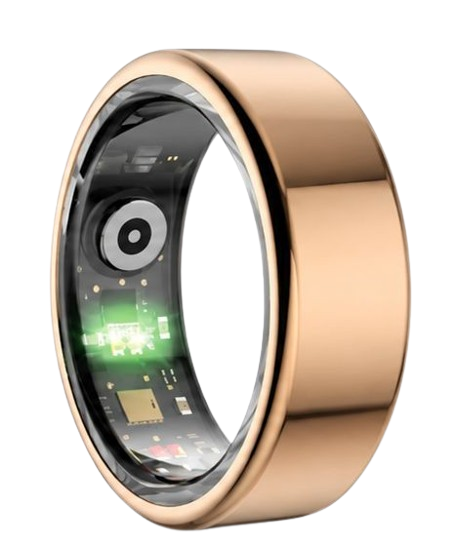
The Herz P1 Smart Ring delivers clinical-grade insights without monthly subscription fees.
Ready to monitor your health every day? Explore the Herz P1 Smart Ring and see if it fits your lifestyle.
Call: 1-866-479-1629 — our team can help you advise on the correct ring size and set personalized health goals.
Note: Individual results may vary depending on individual health conditions, age, and lifestyle habits. This article is intended for general health reference purposes only.
