

Discovering that your Herz P1 smart ring indicates your heart rate drops to 40 when sleeping can feel deeply alarming, yet understanding whether this overnight drop is a sign of elite cardiovascular efficiency or an underlying cardiac concern is crucial for your peace of mind and proactive wellness journey.
Built to Last. Save Up to 69% Today.
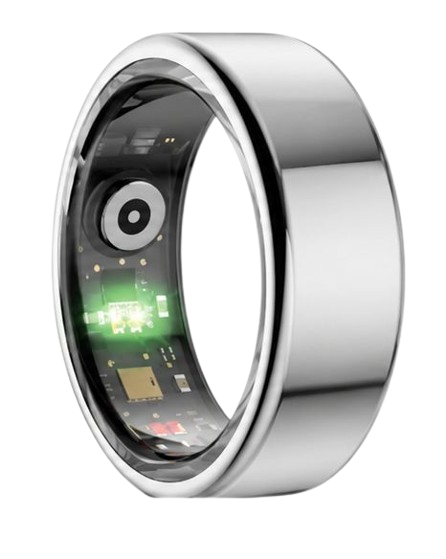
The Herz P1 Smart Ring tracks HRV, Sleep, Heart Rate & SpO2 around the clock. No subscriptions. No renewals. Ever.
In This Article
- Evaluating Safety: Discover why a heart rate of 40 bpm during sleep is often completely normal for healthy adults and athletes.
- The Autonomic System: Understand how your parasympathetic system naturally lowers your pulse overnight.
- Red Flags vs. Fitness: Learn how to distinguish between healthy athletic conditioning and symptoms that require medical evaluation.
- Smart Tracking Solutions: Explore how the subscription-free Herz P1 Smart Ring delivers clinical-grade overnight cardiac insights without bulky wristwear.
Is It Safe If Your Heart Rate Drops to 40 When Sleeping?
A nocturnal heart rate dropping to 40 beats per minute during rest is a common physiological phenomenon known as nocturnal bradycardia.
For active adults, regular gym-goers, and endurance athletes, this low pulse rate is usually a positive sign of a strong, highly efficient cardiovascular system.
When you enter deep sleep, your body’s metabolic demand decreases significantly because your muscles and brain are at complete rest.
Your autonomic nervous system responds by shifting its balance toward the parasympathetic branch, which is often called the “rest and digest” system.
This shift stimulates your vagus nerve to release acetylcholine, a neurotransmitter that directly slows down the electrical pacemaker of your heart.
As a result, your heart muscle contracts more slowly but pumps a larger volume of blood with each single beat, maintaining perfect oxygen distribution.
Statistically, clinical studies demonstrate that healthy adults can experience overnight heart rate drops into the low 40s or even upper 30s without any adverse health outcomes.
However, the safety of this metric depends heavily on whether you experience daytime symptoms like chronic dizziness, unexplained fatigue, or fainting spells.
If you are asymptomatic, a sleeping heart rate of 40 bpm is generally considered a strong indicator of excellent cardiorespiratory endurance.
To accurately monitor these overnight trends and ensure your metrics remain within safe parameters, we designed the Herz P1 Smart Ring as a highly precise, comfortable tool.
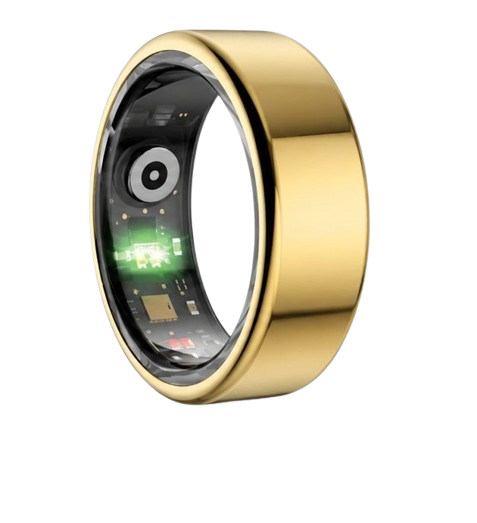
The Herz P1 Smart Ring monitors your vital cardiovascular trends 24/7 — explore it here to take control of your health data.
90-Day 100% Money-Back Guarantee
“The Herz Smart Ring helps me manage stress easily. It’s accurate, stylish, and lightweight—perfect for my busy life!”
— Jennifer P. | ✔ Verified Customer
- ✓ 6-Day Battery Life
- ✓ Detailed Sleep Analysis
- ✓ Fast 1-Hour Charging
- ✓ iOS & Android Ready
Questions? Call: 1-866-479-1629
Decoding the Physiology: Why Does My Heart Rate Drop When I Sleep?
To fully understand your nocturnal biometrics, it is essential to explore why does my heart rate drop when i sleep from a clinical perspective.
During the day, your sympathetic nervous system keeps your cardiovascular system alert to meet the physical and psychological demands of wakefulness.
When evening approaches, your body prepares for recovery by reducing cortisol production and increasing melatonin synthesis.
As you transition from light sleep into deep slow-wave sleep, your core body temperature falls, and your respiratory rate stabilizes.
The American Heart Association notes that your resting pulse is naturally heart rate lower at night because the mechanical workload on your myocardial tissue decreases.
Your skeletal muscles require far less oxygenated blood when motionless, allowing the heart to slow its pacing without compromising systemic perfusion.
This resting state provides a vital window of recovery for the heart muscle itself, as the coronary arteries receive their own blood supply primarily when the heart is relaxed between beats.
Therefore, a longer pause between contractions translates directly to more efficient myocardial nourishment and cellular repair.
According to research published by the National Sleep Foundation, healthy sleep architecture is characterized by this distinct overnight cardiovascular deceleration.
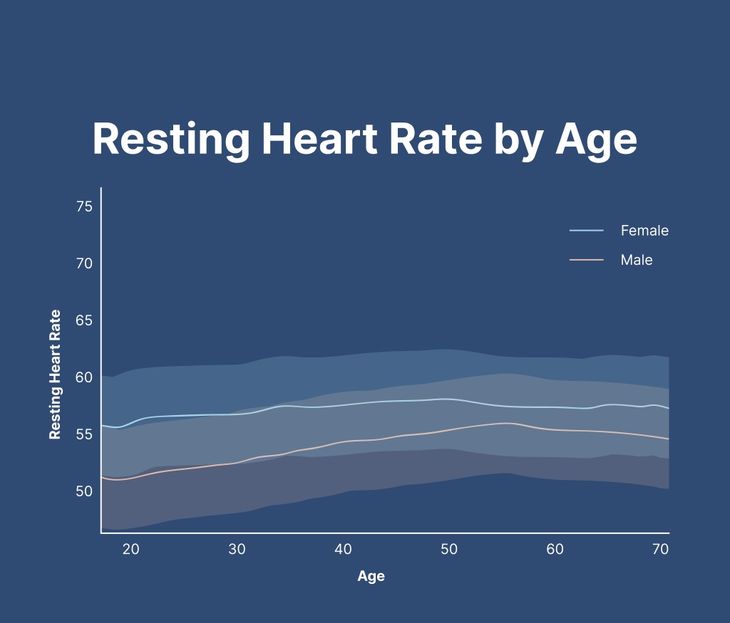
A normal drop in heart rate while sleeping typically ranges from 10% to 20% compared to your daytime resting baseline.
If your daytime resting heart rate is already quite low, say around 50 to 55 bpm, a standard 20% overnight dip will naturally bring you down to exactly 40 bpm.
This physiological dip is a highly coordinated mechanism designed to preserve cellular energy and facilitate deep tissue healing.
Your heart is a muscle that continuously adapts to the physical demands placed upon it during your waking hours.
When those demands cease, the heart capitalizes on the opportunity to downregulate its energy expenditure.
Clinical cardiologists call this overnight deceleration “cardiac offloading,” which is highly beneficial for blood pressure management.
During this offloading period, your blood vessels dilate slightly, which reduces peripheral resistance throughout your body.
This vascular relaxation works in tandem with your lowered heart rate to give your entire arterial network a much-needed rest.
Through the multi-wavelength PPG sensors of Team Herz P1, we track these micro-fluctuations in blood flow at the base of your finger where the skin is thin and capillary density is exceptionally high.
By measuring these subtle pulses, our technology maps your entire overnight autonomic nervous system activity without requiring uncomfortable chest straps or clinic visits.
Athletic Bradycardia vs. Pathological Concerns: Understanding Your Sleep Data
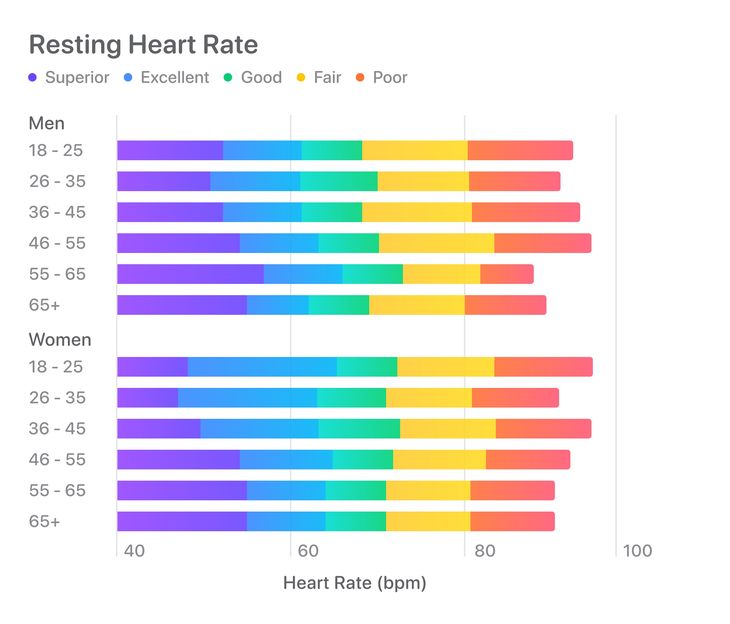
While many individuals are alarmed by a low pulse, it is crucial to determine how low does heart rate go when sleeping before assuming there is a medical issue.
For a highly trained endurance athlete, a sleeping heart rate 40 beats per minute is not only safe, but it is also an expected physiological adaptation to consistent aerobic training.
Aerobic exercise strengthens the left ventricle of the heart, allowing it to pump more blood per contraction and thereby reducing the total number of beats required to maintain homeostasis.
In clinical medicine, this condition is referred to as athletic bradycardia, and it indicates a highly conditioned, highly elastic vascular network.
Even for moderately active individuals, a sleeping heart rate 50 bpm or slightly lower is incredibly common and represents excellent overall cardiorespiratory stamina.
However, if you are not physically active and find that your lowest heart rate during sleep routinely drops below 40 bpm, it is important to analyze your broader health context.
Pathological bradycardia can occur when the heart’s natural pacemaker, the sinoatrial node, degrades due to aging or cardiovascular disease.
In such cases, the heart may fail to increase its rate during physical exertion, leading to symptoms like shortness of breath, chronic fatigue, memory issues, or chest pain.
Another key factor to consider is whether your heart rate lower when sleeping is accompanied by sudden, drastic drops in blood oxygen levels.
If you suffer from obstructive sleep apnea, your breathing may stop repeatedly throughout the night, causing your heart rate to drop sharply before spiking rapidly as you gasp for air.
This erratic cyclical pattern is highly stressful for your cardiovascular system and differs fundamentally from the smooth, stable low heart rate seen in healthy individuals.
It is also essential to note how certain medications or physiological states can influence these nocturnal cardiac dips.
For example, beta-blockers prescribed for hypertension will naturally lower both your daytime and nighttime pulse rates.
Similarly, a highly active thyroid gland can accelerate your heart rate, whereas an underactive thyroid can slow it down.
Therefore, tracking your personal baseline over several weeks is far more valuable than analyzing a single night’s data point.
The Herz P1 Smart Ring establishes your unique personal baseline automatically, highlighting any statistically significant deviations.
By identifying these subtle patterns early, you can make informed lifestyle adjustments before minor issues become major health problems.
Using the Herz P1 Smart Ring, you can cross-reference your overnight pulse with your blood oxygen saturation (SpO2) and heart rate variability (HRV) metrics to identify these dangerous sleep patterns.
Our integrated companion app provides a clear, comprehensive picture of your sleep architecture, helping you distinguish between healthy recovery and potential sleep disorders.
How to Track and Optimize Your Overnight Heart Rate with the Herz P1
Monitoring your overnight cardiovascular health does not require complicated, invasive medical machinery or clinical trials.
The Herz P1 Smart Ring offers an elegant, continuous solution that fits seamlessly into your nightly routine without disrupting your rest.
To help you understand the metrics displayed on your dashboard, our team compiled this simple reference guide to overnight pulse rates.
| Overnight Pulse Range | Cardiovascular Context | Recommended Action |
|---|---|---|
| 60 to 100 bpm | Standard resting range; can indicate elevated stress, poor recovery, or late-night eating if consistently near 100 bpm. | Focus on sleep hygiene, reduce caffeine intake after midday, and monitor daily hydration levels. |
| 45 to 59 bpm | Excellent cardiorespiratory fitness; very common in moderately active individuals and recreational athletes. | Maintain your current physical training regimen and monitor overnight recovery trends via HRV. |
| 35 to 44 bpm | Highly trained athletic bradycardia; safe if asymptomatic, but monitor for daytime fatigue or lightheadedness. | Cross-reference with daytime energy; consult a physician if accompanied by dizziness or shortness of breath. |
When reviewing your daily report in the Herz P1 App, look for a consistent “U-shaped” curve where your heart rate reaches its lowest point in the middle of your sleep cycle.
This pattern indicates that your body is recovering efficiently and transitioning smoothly through light, deep, and REM sleep stages.
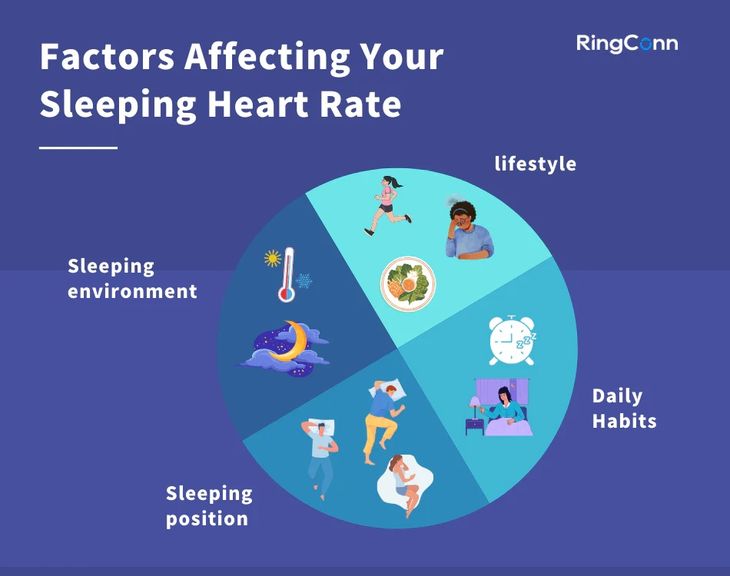
If your heart rate remains elevated until right before you wake up, it may suggest that a late-night meal, alcohol consumption, or intense evening exercise disrupted your body’s recovery process.
To optimize your sleep, try to finish your last meal at least three hours before bedtime and avoid highly stimulating activities late in the evening.
Additionally, keeping a cool bedroom temperature can encourage your body to transition more rapidly into deep sleep, lowering your resting heart rate more efficiently.
Many users find that their sleep metrics improve significantly when they implement a consistent winding-down routine.
Taking a warm bath or practicing slow, deep breathing exercises for ten minutes before bed can jumpstart parasympathetic activity.
The Herz P1 App allows you to tag these evening activities to see exactly how they affect your overnight resting heart rate.
Over time, you will begin to see clear correlations between your daily habits and your cardiovascular recovery quality.
This data-driven feedback loop empowers you to make healthier lifestyle choices with confidence and clarity.
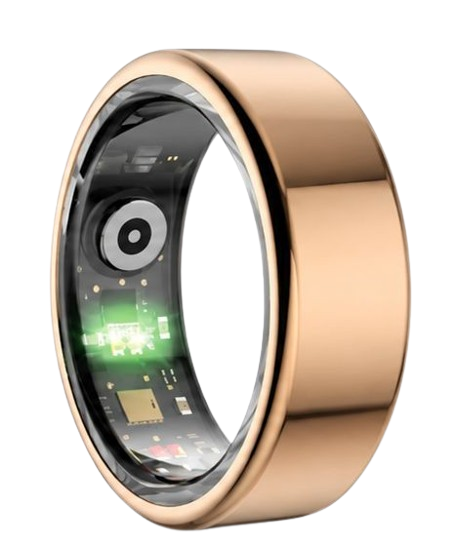
Because the Herz P1 Smart Ring is incredibly light and crafted from military-grade steel, you can wear it comfortably all night long without experiencing the wrist irritation common with bulky smartwatches.
This comfortable design ensures a consistent, secure fit, which is crucial for gathering continuous, uninterrupted biometric data throughout the night.
Busting Wearable Myths: Why Ring-Based Tracking Beats Bulky Smartwatches
A common mistake among wellness enthusiasts is wearing heavy, bulky smartwatches to bed to track their sleep and cardiovascular recovery.
These large wrist devices frequently shift during sleep, losing direct contact with your skin and causing major gaps in your biometric data.
Furthermore, the tight bands required to keep smartwatches in place can restrict local blood flow, leading to highly inaccurate sleep staging readings.
In contrast, the Herz P1 Smart Ring sits securely at the base of your finger, where the digital arteries are highly accessible for optical sensors.
This strategic placement allows our multi-wavelength PPG sensors to capture clean, medical-grade arterial pulse waveforms with minimal interference.
Another major frustration for wearable users is the hidden cost of ongoing monthly app subscriptions charged by many prominent smart ring brands.
At Team Herz P1, we believe that you should never have to pay a recurring fee to access your own personal health data.
The Herz P1 App is completely free for life, offering comprehensive access to all your raw data, trends, and sleep insights without any hidden paywalls.
This straightforward, transparent pricing model ensures you can commit to your long-term health tracking goals without worrying about ongoing subscription expenses.
Frequently Asked Questions About Overnight Heart Rate & Smart Ring Tracking
Is the Herz P1 Smart Ring waterproof enough for swimming and showering?
Yes, the Herz P1 is engineered with an IP68 waterproof rating, making it completely safe for continuous underwater exposure up to 164 feet.
You can wear it with complete peace of mind while swimming laps, taking a hot shower, soaking in a bath, or washing your hands.
The medical-grade outer shell and sealed inner construction ensure that no moisture can penetrate the delicate optical sensor array.
How long does the Herz P1 battery last on a single charge?
The high-efficiency battery of the Herz P1 delivers up to 6 days of continuous tracking on a single charge.
When it is time to power up, the ring charges fully in under 1 hour using the included magnetic fast-charging dock.
This extended battery life minimizes tracking gaps, allowing you to capture a complete picture of your weekly cardiovascular recovery.
Which finger is best to wear the Herz P1 Smart Ring on?
For the most accurate biometric readings, we recommend wearing the Herz P1 on your index, middle, or ring finger.
The index finger typically offers the highest capillary density, which helps the PPG sensors capture the cleanest pulse signals.
Make sure the ring fits snugly but comfortably without rotating excessively during your normal daily activities.
Does the Herz P1 store my health data offline if my phone is disconnected?
Yes, the Herz P1 features built-in storage that safely saves up to 7 days of continuous biometric data offline.
As soon as your ring reconnects to your smartphone via Bluetooth, all stored sleep and heart rate data will automatically sync to the app.
This convenient feature ensures that your tracking history remains completely seamless, even during weekend trips or digital detoxes.
Conclusion: Empower Your Sleep Journey
Understanding why your heart rate drops to 40 when sleeping is key to managing your cardiovascular health. With the subscription-free Herz P1 Smart Ring, you can track these overnight recovery trends comfortably. Ready to monitor your health daily? Explore the Herz P1 Smart Ring. Call: 1-866-479-1629 — our team can help you choose your correct size.
Note: Individual results may vary depending on individual health conditions, age, and lifestyle habits. This article is intended for general health reference purposes only.
