

Understanding how low does heart rate go when sleeping safely is essential for anyone tracking their nightly recovery. While a lower pulse during sleep is normally a sign of a healthy cardiovascular system, sudden drops can raise unexpected health questions. The Herz P1 smart ring monitors your heart rate and sleep patterns 24/7, helping you decode these vital signals with high accuracy. This comprehensive guide will clarify safe sleeping heart rate ranges and help you optimize your health.
Built to Last. Save Up to 69% Today.
The Herz P1 Smart Ring tracks HRV, Sleep, Heart Rate & SpO2 around the clock. No subscriptions. No renewals. Ever.

In This Article
- Safe Sleeping Thresholds: Discover what heart rate ranges are healthy and when a low pulse is highly beneficial for your body.
- Physiological Mechanisms: Learn why your heart naturally slows down during deep sleep cycles and how your autonomic nervous system regulates this change.
- Clinical Distinctions: Understand the clear difference between athletic bradycardia and potential cardiovascular warning signs.
- Smart Biometric Tracking: See how optical sensors measure heart rate variability and sleep architecture to keep your health goals in perfect focus.
How Low Does Heart Rate Go When Sleeping Safely? Here is What the Research Says
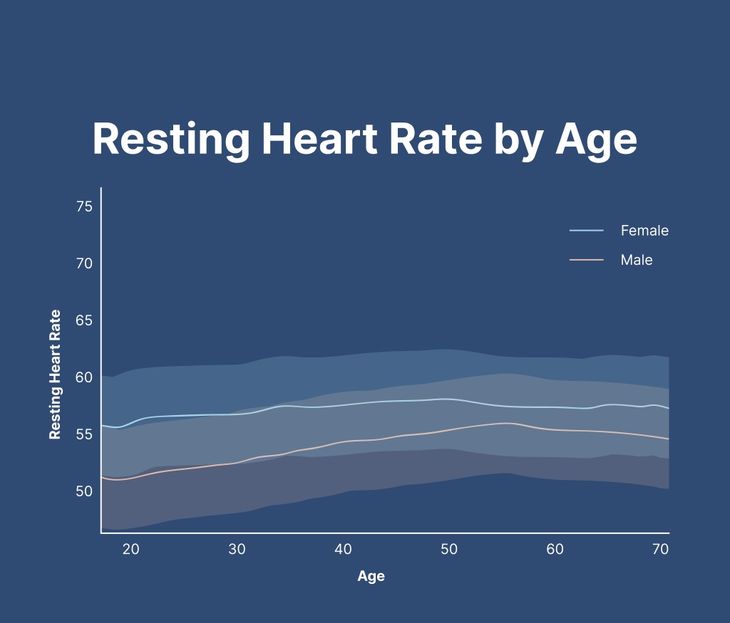
Your sleeping heart rate refers to the lowest steady pulse your body achieves while at rest.
For most healthy adults, a normal sleeping heart rate ranges between 40 and 60 beats per minute (BPM).
This lower rate is a direct reflection of your body transitioning into deep recovery mode.
During these hours, your cardiovascular system reduces its workload to repair muscle tissue and balance metabolic hormones.
Active individuals, fitness enthusiasts, and corporate professionals alike need to monitor these metrics closely to gauge systemic fatigue.
Athletes often experience a much lower resting pulse due to highly conditioned heart muscles that pump more blood per beat.
Conversely, people experiencing chronic stress or severe sleep deprivation may notice their nighttime pulse remains elevated above normal baselines.
Tracking these values helps both high performers and everyday health seekers understand their exact daily recovery states.
Monitoring this physiological metric is most critical during the deep stages of your sleep cycle.
Your pulse typically reaches its absolute lowest point during stage three non-REM sleep, which occurs primarily in the first half of the night.
Consistent weekly tracking is much more valuable than checking a single night of erratic or stressed sleep data.
Any sudden, unexplained drop in heart rate while sleeping warrants closer attention to your overall lifestyle and wellness habits.
These biological changes happen globally across your entire cardiovascular and autonomic nervous systems.
The physical manifestation is most accurately measured at body points with high microvascular density.
While traditional chest straps work well in clinical environments, the finger base offers highly reliable optical signal quality for consumer use.
Your blood vessels in the finger are close to the surface, making it an ideal location for continuous, non-invasive tracking.
Your heart rate slows down because the parasympathetic nervous system takes dominant control of your internal organs.
This biological shift is crucial for lowering systemic inflammation and reducing arterial pressure.
If your heart rate does not drop sufficiently overnight, your body remains in a sympathetic, fight-or-flight state.
Understanding resting heart rate drop sleeping patterns tells you if your body is truly resting and repairing itself.
The process begins when your brain signals the sinoatrial node in your heart to slow down its electrical pacing.
Vagal nerve stimulation acts as a natural brake system for your cardiac muscle fibers.
As you cycle through light, deep, and REM sleep, your pulse dynamically fluctuates to meet changing metabolic demands.
This rhythmic variation is a healthy sign of a highly adaptive, resilient autonomic nervous system.
According to the American Heart Association, a typical resting heart rate drop sleeping should be about 10% to 20% below your daytime resting pulse.
For a person with a daytime resting heart rate of 70 BPM, a safe sleeping rate of 56 to 63 BPM is expected.
Well-conditioned athletes regularly see their pulse dip well below 40 BPM without experiencing any negative health issues.
However, drops below 35 BPM in non-athletes should be tracked carefully to rule out underlying bradycardia.
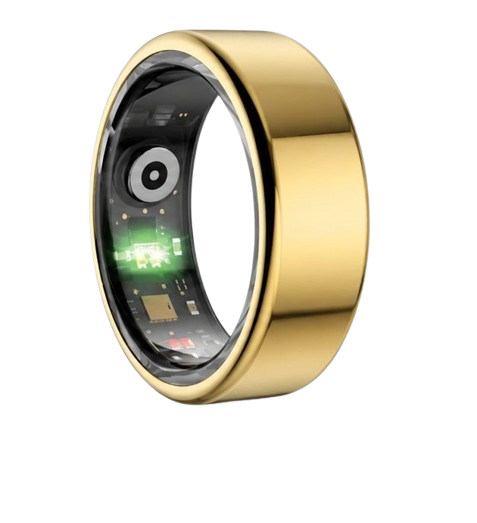
If you want to track this in real time, the Herz P1 Smart Ring monitors your vitals 24/7 — explore it here.
90-Day 100% Money-Back Guarantee
“The Herz Smart Ring helps me manage stress easily. It’s accurate, stylish, and lightweight—perfect for my busy life!”
— Jennifer P. | ✔ Verified Customer
- ✓ 6-Day Battery Life
- ✓ Detailed Sleep Analysis
- ✓ Fast 1-Hour Charging
- ✓ iOS & Android Ready
Questions? Call: 1-866-479-1629
The Physiology of Nighttime Heart Rate Reductions
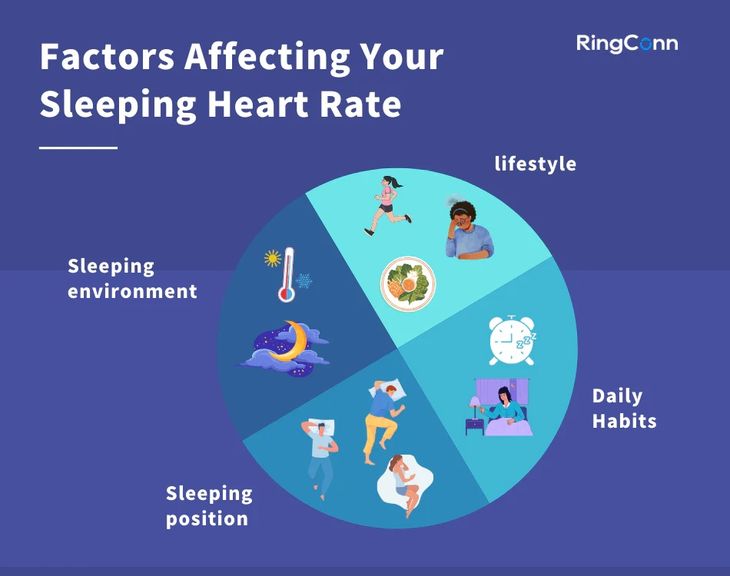
To understand how low should your heart rate get when you sleep safely, we must examine the autonomic nervous system.
This complex control system is divided into the sympathetic branch and the parasympathetic branch.
The sympathetic branch behaves like an accelerator pedal, preparing your body for active daytime tasks and stressors.
The parasympathetic branch works like a natural brake, promoting rest, efficient digestion, and deep recovery.
When you transition into sleep, your brain reduces sympathetic activity and increases parasympathetic tone.
This crucial shift allows your blood vessels to dilate slightly, which naturally lowers your systemic blood pressure.
Consequently, your heart muscle does not need to pump as hard or as fast to circulate vital oxygenated blood.
This process results in a highly notable heart rate lower when sleeping compared to your waking baseline.
According to clinical research from the National Sleep Foundation, this reduction is vital for cellular repair.
During deep non-REM sleep, your metabolic demand hits its absolute lowest daily threshold.
Your skeletal muscles relax, your brain waves slow down, and your respiration becomes highly rhythmic.
All of these factors combined lead to the lowest heart rate during sleep, typically occurring in the early morning hours.
A healthy nighttime dip indicates that your heart is resilient and highly capable of entering true recovery.
If you fail to achieve this natural dip, your cardiovascular system remains under constant, unnecessary stress.
Over time, a lack of overnight cardiac rest can contribute to arterial stiffness and chronic fatigue.
During these restorative deep sleep stages, the brain releases essential growth hormones to repair muscular wear and tear.
At the exact same time, your blood oxygen saturation (SpO2) should remain stable between 95% and 100%.
The Herz P1 Smart Ring uses multispectral optical sensors to capture these subtle physiological shifts with high precision.
By analyzing your heart rate trends throughout the night, we help you identify if your body is getting the restorative rest it needs.
Is a Sleeping Heart Rate of 40 or 50 BPM Safe for Everyone?
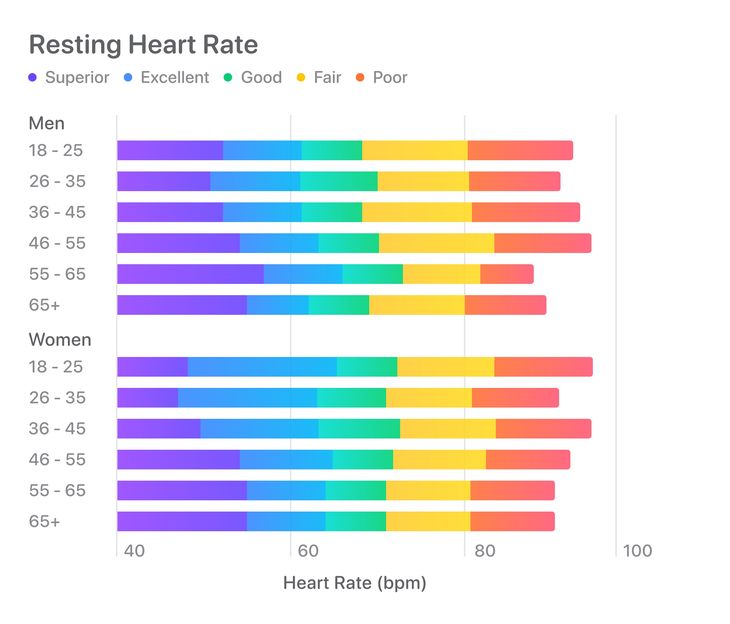
Many health-conscious individuals become alarmed when their wearable device reports a sleeping heart rate 40 or lower.
For a highly trained endurance athlete, a sleeping heart rate 40 beats per minute is exceptionally common and safe.
Because their heart muscle is highly conditioned, it pumps a larger volume of blood with each individual contraction.
Therefore, their body can easily maintain adequate oxygen delivery with far fewer beats per minute.
For average, sedentary individuals, a consistent sleeping heart rate 50 is generally considered very safe and healthy.
However, if your heart rate drops to 40 when sleeping and you do not engage in intense fitness training, it is wise to analyze the context.
Are you experiencing daytime symptoms like sudden dizziness, chronic fatigue, or shortness of breath?
If these symptoms are completely absent, your low resting pulse is likely benign physiological bradycardia.
According to the American Heart Association, asymptomatic bradycardia during sleep does not usually require medical intervention.
However, pathological bradycardia can occur if the heart’s electrical pathways are compromised by age or illness.
This can lead to unsafe drops where the brain and vital organs do not receive sufficient oxygen.
If you wake up gasping for air, a low overnight heart rate might point to sleep disturbances like sleep apnea.
A resting pulse that frequently dips below 35 BPM without physical conditioning should always be evaluated by a healthcare professional.
Your physician can use your continuous smart ring data to decide if further clinical assessments are necessary.
Using a smart ring to track your lowest heart rate during sleep allows you to compile highly detailed historical trend data.
Instead of guessing based on a single morning reading, you can present a highly detailed trend report to your doctor.
The table below outlines typical heart rate ranges during sleep and what they mean for your health:
| Heart Rate Range (BPM) | Physiological Context | Safety Status & Action |
|---|---|---|
| Above 60 BPM | Standard resting range for most adults; can be elevated by stress, alcohol, or late meals. | Safe. Work on reducing evening stress if closer to 70+. |
| 45 to 60 BPM | Normal healthy sleep bradycardia; typical of active individuals during deep sleep stages. | Optimal. Indicates strong parasympathetic dominance and healthy heart recovery. |
| 35 to 45 BPM | Common in endurance athletes; possible in non-athletes during peak sleep stages. | Generally Safe. Monitor for daytime symptoms like dizziness. Consult a doctor if sedentary. |
| Below 35 BPM | Extreme bradycardia; rarely seen in non-athletes unless pathological blocks are present. | Caution. Track carefully with your Herz P1. Share the monthly data trend with a physician. |
How to Monitor and Optimize Your Sleeping Heart Rate
Tracking your vitals is only the first step toward building a healthier lifestyle.
To truly benefit from this biometric data, you must learn how to interpret the metrics on your Herz P1 App.
Our companion app provides an easy-to-read dashboard showing your nightly pulse curves and heart rate variability (HRV).
When you open the app each morning, look for a classic “hammock” shape in your heart rate chart.
A healthy curve starts slightly higher at sleep onset, drops to its lowest point mid-sleep, and rises gently before waking.
If your heart rate drops too late in the sleep cycle, your evening habits might be the culprit.
Eating large meals close to bedtime forces your heart to pump faster to aid gastrointestinal digestion.
Consuming alcohol before sleep also artificially inflates your resting heart rate and destroys critical REM sleep stages.
To improve your overnight cardiac recovery, try to finish your last meal three hours before heading to bed.
Additionally, keeping your bedroom cool helps your body temperature drop, which naturally encourages a lower resting pulse.
Wearing the Herz P1 is incredibly comfortable, allowing for 24/7 continuous wear without skin irritation or discomfort.
Because it is built with military-grade steel and is highly lightweight, you will completely forget you are wearing it to sleep.
This seamless wearability guarantees that your sleep data remains unbroken and accurate, night after night.
Shattering the Smartwatch Myth: Comfort, Cost, and Accuracy
Many people try to monitor their overnight vitals using a bulky, traditional smartwatch.
However, wearing a heavy watch to bed is highly uncomfortable and often disrupts natural sleep movements.
Large smartwatch screens can light up unexpectedly, waking you up during delicate REM sleep cycles.
Furthermore, watches easily shift on your wrist during the night, resulting in massive gaps in your heart rate data.
A smart ring fits securely at the base of your finger, providing constant contact with the skin.
This highly stable placement ensures that optical sensors read your pulse with minimal external interference.
Another massive drawback of major smartwatch brands is the hidden cost of monthly app subscriptions.
They lock your valuable health metrics behind paywalls, demanding ongoing fees just to see your own biological data.
We believe that your health data belongs to you, and you should never have to pay to access your personal history.
The Herz P1 App is free for lifetime, with absolutely zero monthly fees or hidden charges.
You purchase the high-quality hardware once and enjoy comprehensive, subscription-free biometric analysis forever.
Our commitment to a 2-year warranty and a 90-day money-back guarantee shows our deep confidence in this premium device.
Frequently Asked Questions About Sleep Heart Rate and Tracking
Is the Herz P1 Smart Ring waterproof?
Yes, the Herz P1 is fully IP68 waterproof certified.
It is designed to withstand water pressure up to 164 feet, making it safe for swimming and showering.
You do not need to take it off when washing your hands or doing household chores.
Its military-grade steel exterior is highly resistant to both freshwater and saltwater exposure.
How long does the battery last and how fast does it charge?
The Herz P1 features an exceptional 6-day battery life on a single charge.
This extended battery life means you only need to charge it once a week under normal usage.
When the battery runs low, it charges fully in under 1 hour.
The compact magnetic charging dock fits easily on your nightstand or office desk.
Which finger is best to wear the Herz P1 on?
The index finger is highly recommended for the most accurate biometric readings.
This finger typically has the strongest pulse signal for optical sensors to detect clearly.
However, the middle finger and ring finger are also excellent, comfortable alternatives.
Choose the finger that offers a snug, comfortable fit without being overly tight during daily activities.
Does the Herz P1 store health data offline?
Yes, the smart ring features up to 7 days of local offline storage.
You do not need to keep your smartphone nearby or connected to Bluetooth all night.
The Herz P1 will securely record your sleep metrics, heart rate, and oxygen levels in its onboard memory.
Once you open the app, all stored data will sync automatically to your phone in seconds.
Conclusion: Your Subscription-Free Wellness Journey Starts Here
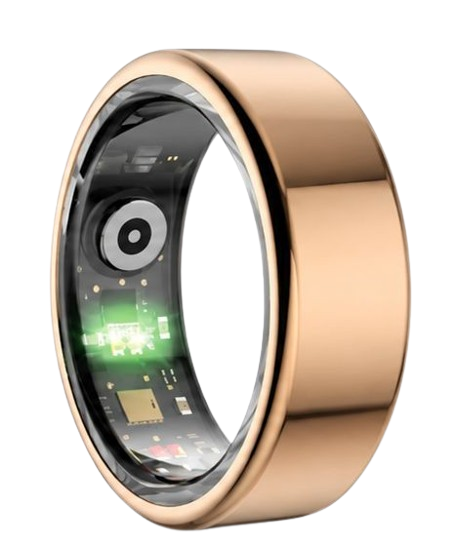
Monitoring your sleeping heart rate is easy with the Herz P1 Smart Ring. By choosing our subscription-free tracker, you secure military-grade durability and lifetime biometric insights. Explore the Herz P1 Smart Ring today to optimize your recovery. Call: 1-866-479-1629 — our team can help advise on the correct ring size and set health goals.
