

Waking up to see a sleeping heart rate 40 bpm on your health tracker can instantly trigger anxiety, leaving you wondering if your cardiovascular system is exceptionally fit or in immediate medical danger. At Team Herz P1, we understand how alarming these cardiac numbers look on your screen when you lack context. That is why we designed the Herz P1 Smart Ring to translate complex biometrics into clear, reassuring insights that empower you to take charge of your sleep health daily.
Built to Last. Save Up to 69% Today.
The Herz P1 Smart Ring tracks HRV, Sleep, Heart Rate & SpO2 around the clock. No subscriptions. No renewals. Ever.
In This Article
- The 5W2H Framework: A complete safety assessment of a resting pulse rate of 40 bpm while you sleep.
- Autonomic Nervous System Science: How vagal tone and parasympathetic dominance drive nocturnal bradycardia.
- Optical Wearable Engineering: How multispectral PPG sensors inside the Herz P1 analyze your resting metrics.
- Practical Health Integration: How to track, analyze, and use your sleep recovery scores to optimize daily energy.
Is a Sleeping Heart Rate of 40 Safe or Dangerous? The 5W2H Medical Breakdown
Understanding the physiological mechanics of your heart at rest requires looking past simple, isolated numbers.
We must analyze this metric through a comprehensive clinical lens to give you complete peace of mind.
What is a Sleeping Heart Rate of 40?
A pulse rate of 40 bpm while sleeping is clinically referred to as nocturnal bradycardia.
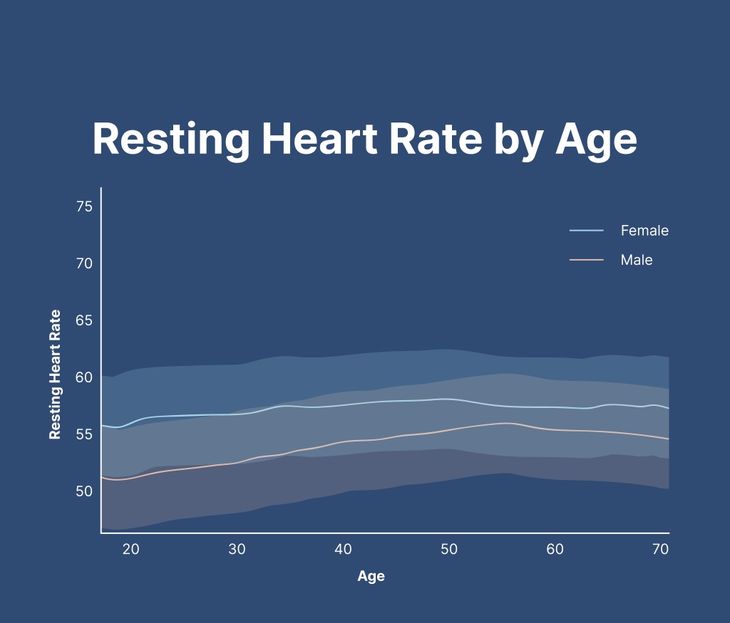
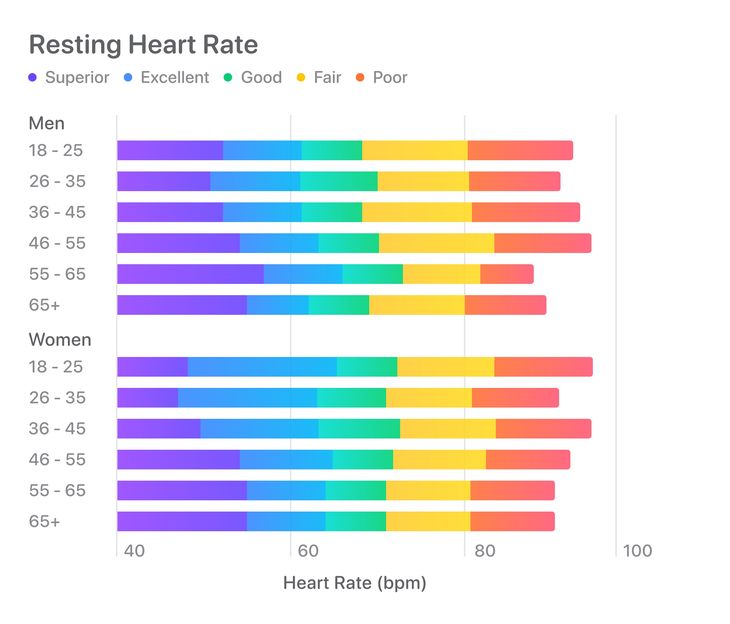
For most adults, a standard daytime resting heart rate ranges between 60 and 100 beats per minute.
However, during sleep, your metabolic demand plummets, causing your cardiac system to slow down significantly.
A pulse rate of 40 while sleeping means your heart is beating 40 times per minute during your sleep cycles.
Who is Affected by a Sleeping Heart Rate of 40?
This biological phenomenon is highly common in physically active individuals, endurance athletes, and young adults.
Athletes possess highly conditioned heart muscles that pump a larger volume of blood with each contraction.
For these individuals, a low heart rate is a badge of cardiovascular efficiency rather than a sign of illness.
Conversely, in sedentary adults or seniors, a sustained pulse of 40 bpm might point to electrical pathway sluggishness.
When Does This Low Metric Matter Most?
This resting metric matters most when you correlate the raw numbers with your physical symptoms during waking hours.
If you wake up feeling energetic, sharp, and fully restored, the low rate is almost certainly benign.
If you experience chronic daytime fatigue, frequent dizziness, or unexplained fainting, the number warrants evaluation.
The timing of the lowest dip usually aligns with your deepest non-REM sleep stages when recovery is peak.
Where Does This Physiological Drop Occur?
This cardiac deceleration occurs within the sinoatrial node, which acts as the natural pacemaker of your heart.
Your brain sends chemical signals through the vagus nerve to slow down the electrical impulses in the cardiac muscle.
Your peripheral blood vessels relax, reducing the systemic pressure your heart must pump against.
This system-wide relaxation is what allows for a natural, safe drop in heart rate while sleeping.
Why Does the Heart Rate Drop This Low?
The primary driver behind this nocturnal decline is the dominance of your parasympathetic nervous system.
During the day, your sympathetic nervous system prepares you for action, keeping your pulse elevated.
At night, your parasympathetic system takes over to conserve energy, rebuild tissues, and lower inflammation.
This shift is the biological reason why does my heart rate drop when i sleep.
How Does Your Body Maintain Safety at 40 BPM?
Your body maintains equilibrium by adjusting your stroke volume, which is the amount of blood pumped per beat.
A stronger, more elastic heart muscle can easily deliver adequate oxygen to your organs even at 40 bpm.
Your blood vessels also dial back their resistance, making it easy for blood to flow throughout the body.
This delicate balance ensures that your brain and vital organs receive constant, rich oxygenation during rest.
How Much Variation is Normal and Safe?
A night-to-night variation of 3 to 5 beats per minute in your resting average is completely normal.
Most healthy individuals see their lowest heart rate during sleep reach its trough in the early morning hours.
A safe sleeping heart rate generally sits between 40 and 60 bpm for active individuals.
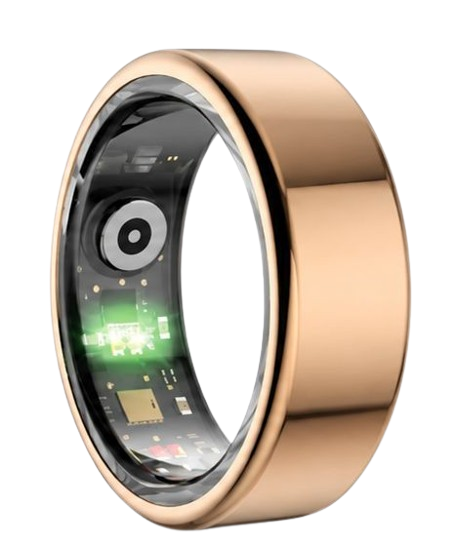
If you want to track this in real time, the Herz P1 Smart Ring monitors heart rate and oxygen levels 24/7 — explore it here.
90-Day 100% Money-Back Guarantee
“The Herz Smart Ring helps me manage stress easily. It’s accurate, stylish, and lightweight—perfect for my busy life!”
— Jennifer P. | ✔ Verified Customer
- ✓ 6-Day Battery Life
- ✓ Detailed Sleep Analysis
- ✓ Fast 1-Hour Charging
- ✓ iOS & Android Ready
Questions? Call: 1-866-479-1629
The Science of Nocturnal Bradycardia and Vagal Tone
Your nervous system operates like a finely tuned thermostat to protect your cardiovascular health.
To evaluate if a bradycardia during sleep 40 bpm reading is normal, we must look at autonomic nervous system dynamics.
According to clinical data from the American Heart Association, a lower resting pulse indicates high vagal tone.
High vagal tone means your vagus nerve is highly active, promoting rapid physical recovery and lower stress levels.
This explains why you often see your heart rate lower when sleeping compared to your waking baseline.
Your heart relaxes because your cellular demand for oxygen diminishes when your skeletal muscles are completely still.
However, we must differentiate between physiological bradycardia and pathological blockages.
In highly trained individuals, the heart tissue adaptively thickens and expands to push more blood per squeeze.
In non-athletes, a resting rate that hovers at 40 bpm might occasionally indicate sinus node dysfunction.
This is why understanding how low does heart rate go when sleeping can help you spot long-term cardiovascular shifts.
A consistent drop is usually a sign of superb health, while a sudden, unexpected plunge could signal an issue.
By monitoring these nocturnal trends, you can easily identify whether your low pulse is a sign of elite fitness or fatigue.
If you are accustomed to seeing a sleeping heart rate 50 bpm, a drop to 40 might indicate deep physical recovery.
Tracking these nightly fluctuations is simple with the right biometric tool on your finger.
How Smart Rings Measure Slow Pulse Rates Using Optical PPG Sensors
Unlocking accurate sleep data requires advanced, non-invasive optical sensor technology.
Unlike bulky wristwatches, smart rings utilize photoplethysmography (PPG) directly on the highly vascular digital arteries of your finger.
The finger features thin skin and rich capillary networks, making it the absolute gold standard for clean cardiac tracking.
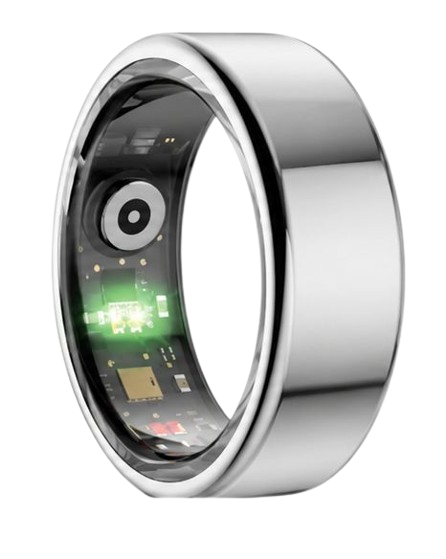
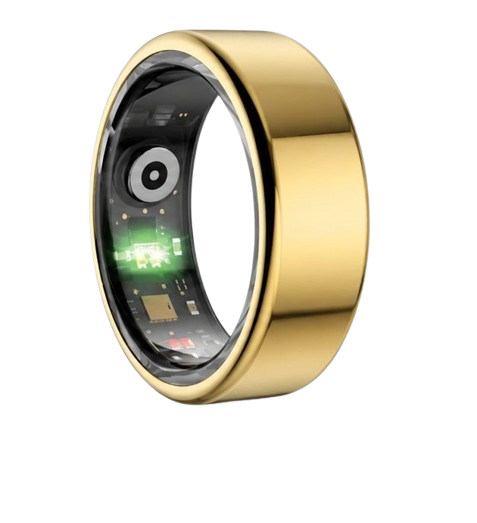
The Herz P1 Smart Ring integrates red, green, and infrared LED sensors to capture your pulse waveform with clinical-grade accuracy.
Infrared light penetrates deep into the tissues to measure blood volume changes with every single heartbeat.
This allows the device to map out your heart rate lower at night with minimal error.
At the same time, red light sensors measure your blood oxygen saturation (SpO2) to ensure your breathing remains stable.
If your heart rate drops to 40 bpm but your SpO2 remains above 95%, your body is getting perfect oxygenation.
If your oxygen levels dip alongside your pulse, it might point to respiratory disturbances like sleep apnea.
Our algorithms process these dual metrics to calculate your precise REM, Deep, and Light sleep stages each night.
This is why understanding resting heart rate drop sleeping patterns provides a direct window into your nervous system.
The Herz P1 does all of this locally, storing up to 7 days of raw data directly on the ring without needing a phone nearby.
This advanced tech gives you a complete, clear breakdown of your nocturnal cardiovascular recovery without any user effort.
Deciphering Your Nightly Cardiorespiratory Recovery Scores
Your resting biometrics tell a story about how well your lifestyle matches your biological needs.
The companion app of the Herz P1 compiles your overnight pulse, heart rate variability (HRV), and motion into a single Recovery Score.
A high recovery score confirms that your nervous system successfully transitioned into deep, restorative parasympathetic recovery.
If you notice a low resting pulse but your HRV is suppressed, your body might still be fighting off physical fatigue.
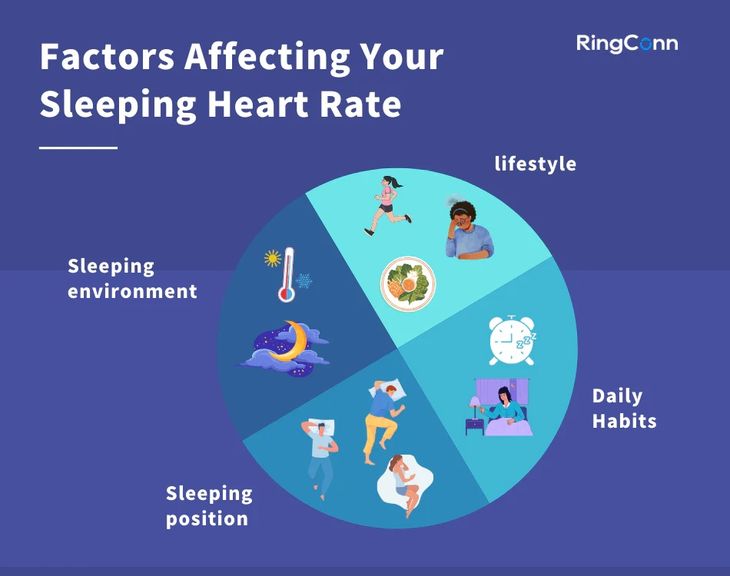
This pattern frequently appears after intense late-night workouts, heavy meals, or alcohol consumption.
By reviewing these trends, you can easily adjust your daily habits to optimize your physical performance.
For example, if your resting pulse is elevated above your normal baseline, it might be wise to schedule a active recovery day.
If your pulse reaches its natural trough of 40 bpm alongside high HRV, you are fully primed to tackle high-intensity training.
Our users report that tracking these trends over a 30-day period helps them build highly sustainable lifestyle routines.
The best part is that you can gather all of these clinical-grade insights without wearing a heavy, glowing screen to bed.
The ultra-lightweight design of the Herz P1 makes continuous, round-the-clock biometric monitoring completely friction-free.
Moving Past the Pitfalls of Traditional Sleep Monitors
Many health-conscious individuals struggle to track their sleep because of uncomfortable wearable devices.
Bulky smartwatches often pinch the skin, trap sweat, and glow brightly during the night, disrupting natural melatonin release.
Furthermore, many premium smartwatches require daily charging, leaving you with tracking gaps right when you sleep.
Another major frustration is the rising cost of ongoing monthly subscriptions required to access your own personal biometric data.
At Team Herz P1, we believe that your health data belongs to you, completely free of financial barriers.
That is why our comprehensive companion application features zero hidden fees and no subscription paywalls ever.
We engineered the Herz P1 from military-grade steel to survive the toughest daily physical environments.
With an IP68 waterproof rating, you can wear it in the shower, the pool, or during high-intensity sweat sessions without worry.
The long-lasting battery charges in under an hour and keeps tracking your metrics for up to six continuous days.
This combination of comfort, durability, and open data access makes the Herz P1 the ultimate companion for your health journey.
Herz P1 vs. Competitors: Premium Biometric Comparison
Choosing the right health monitor requires looking at hardware resilience, accuracy, and total cost of ownership over time.
The table below outlines how the Herz P1 Smart Ring delivers unmatched value compared to traditional wearable options.
| Health Tracking Feature | Herz P1 Smart Ring | Standard Smartwatches | Subscription-Based Rings |
|---|---|---|---|
| Monthly Subscription Fee | $0 (Free App Forever) | Varies ($0 – $10/mo) | $5.99 to $9.99/mo |
| Battery Life Expectancy | 6 Days (1-Hour Charge) | 1 to 2 Days | 4 to 7 Days |
| Form Factor & Weight | Ultra-light Steel (Under 5g) | Heavy & Bulky (30g – 50g) | Lightweight (4g – 6g) |
| Warranty Coverage | 2-Year Full Warranty | 1-Year Limited | 1-Year Limited |
| Waterproof Standards | IP68 (Up to 164 Feet) | Varies (Typically 50m) | IP68 or equivalent |
| Continuous SpO2 Tracking | Yes (Automatic) | Yes (Manual or Automatic) | Yes |
Frequently Asked Questions About Nocturnal Heart Rates and Tracking
Is a sleeping heart rate of 40 safe for a non-athlete?
If you are not an athlete, a sleeping pulse of 40 bpm can still be entirely safe if you are completely asymptomatic during the day.
Many individuals naturally possess high parasympathetic activity that causes their pulse to drop significantly during deep rest.
However, if you experience dizziness, shortness of breath, or fatigue, you should consult a medical professional for an ECG.
Is the Herz P1 Smart Ring waterproof?
Yes, the Herz P1 features a robust IP68 waterproof rating, meaning it is protected against continuous submersion in water.
You can confidently wear it while washing your hands, swimming in pools, or showering without damaging the internal sensors.
This high-level protection ensures your health tracking remains uninterrupted across all your daily water-based activities.
How long does the Herz P1 battery last on a single charge?
The high-density lithium battery inside the Herz P1 is engineered to last up to six days under normal usage conditions.
When the battery runs low, you can charge it back to 100% in under one hour using the magnetic charging cradle.
This long battery cycle eliminates the daily charging anxiety that is so common with modern smartwatches.
Which finger is best to wear the smart ring on for maximum accuracy?
For the most accurate PPG sensor readings, we recommend wearing the Herz P1 on your index, middle, or ring finger.
These fingers have the strongest arterial pulse signals, which helps the optical sensors capture your biometrics cleanly.
Ensure the ring fits snugly but comfortably, without rotating excessively during your daily activities.
Does the Herz P1 store my health data offline?
Yes, the ring contains built-in storage that can safely hold up to seven days of raw biometric data offline.
This means you do not need to keep your smartphone nearby or leave your Bluetooth on throughout the night.
Once you open the companion application, your overnight data will automatically sync and generate your daily recovery scores.
Empower Your Health Journey Today
Monitoring your resting heart rate is the first step toward decoding your body’s vital physiological signals.
The Herz P1 Smart Ring provides the ultimate blend of style, comfort, and clinical tracking accuracy.
Ready to monitor your health every day? Explore the Herz P1 Smart Ring and see if it fits your lifestyle. Call: 1-866-479-1629 — our team can help you advise on the correct ring size and set personalized health goals.
Note: Individual results may vary depending on individual health conditions, age, and lifestyle habits. This article is intended for general health reference purposes only.
