

Waking up to see a sleeping heart rate 50 on your wearable tracker can instantly spark worry, leaving you wondering if your heart is beating dangerously slow or if you are in peak physical shape. At Herz P1, we understand how vital these overnight metrics are to your peace of mind and long-term health goals. This article will break down the exact science of nocturnal cardiac rhythms to address your specific worries immediately.
Built to Last. Save Up to 69% Today.
The Herz P1 Smart Ring tracks HRV, Sleep, Heart Rate & SpO2 around the clock. No subscriptions. No renewals. Ever.

In This Article
- The 5W2H Physiology Framework: Explore why 50 BPM is widely considered highly normal during sleep.
- Autonomic Nerve Balance: Learn how parasympathetic drive and vagal pathways lower your overnight pulse.
- Athletic vs. Pathological Bradycardia: Know when a slow pulse represents superb cardiorespiratory fitness or a potential health concern.
- Tracking with Smart Rings: Discover how high-precision, subscription-free devices track overnight recovery comfortably.
Does a Sleeping Heart Rate of 50 Safe or Too Low? What the Science Says
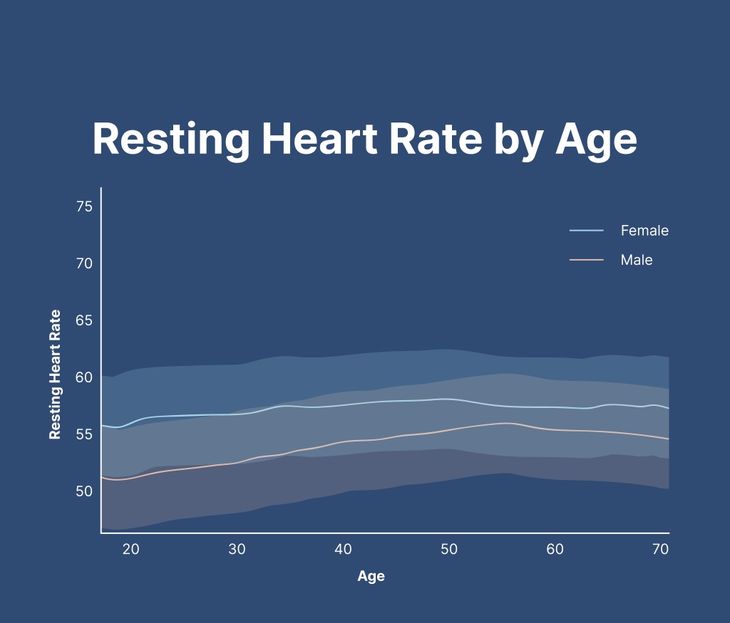
Many individuals experience sudden health anxiety when they notice their overnight pulse rate dipping down to fifty.
They frequently check their personal health applications to determine if a sleeping heart rate 50 is a sign of an underlying medical emergency.
The short answer is that a sleeping heart rate of 50 beats per minute is highly normal and safe for most healthy adults.
According to official clinical guidelines from the American Heart Association, a typical daytime resting pulse ranges between 60 and 100 beats per minute.
However, it is entirely expected for your cardiovascular system to decelerate significantly while you are resting.
This natural cardiac slowdown occurs because your metabolic demands plummet when you enter deeper sleep cycles.
During these hours of inactivity, your skeletal muscles require far less oxygenated blood to perform daily metabolic tasks.
Consequently, your heart does not need to contract as rapidly or forcefully to sustain your vital internal organs.
This drop is primarily driven by your autonomic nervous system switching into a state of profound rest.
Specifically, your parasympathetic nervous system takes full control to facilitate recovery, repair, and overall cellular healing.
It releases a natural neurotransmitter called acetylcholine to calm your cardiac tissues and slow down electrical impulses.
This biological braking mechanism causes your natural pacemaker cells to fire at a much more relaxed, restorative tempo.
Therefore, experiencing a resting heart rate drop sleeping is a sign of healthy parasympathetic nervous system activity.
For highly active individuals, experiencing a regular overnight pulse of fifty is an excellent indicator of physical fitness.
Endurance athletes frequently experience an even lower overnight baseline due to their highly developed stroke volume.
However, even if you are not a trained athlete, 50 beats per minute is still considered highly stable and safe.
It is crucial to evaluate who should be attentive to this overnight biometric to avoid unnecessary diagnostic panic.
Younger adults and physically fit individuals will naturally exhibit a heart rate lower when sleeping compared to sedentary adults.
Conversely, elderly individuals displaying a low rate should monitor their daily trends more closely to rule out sinus node issues.
The key factor to consider is the presence or absolute absence of accompanying clinical symptoms like dizziness.
If you wake up feeling energetic, mentally sharp, and fully refreshed, a pulse of 50 is perfectly safe and normal.
However, if you experience daytime dizziness, extreme fatigue, or shortness of breath, further medical evaluation is highly recommended.
Knowing how low does heart rate go when sleeping helps put your personal numbers into a healthy context.
Most sleep scientists state that overnight heart rates can fluctuate safely between 40 and 60 beats per minute during rest.
To track these subtle biological shifts accurately, you need a highly reliable, non-invasive monitoring companion.
We must also examine where this biological transition takes place within your complex cardiac conduction system.
The sinus node, situated in the right atrium of your heart, acts as your natural electrical pacemaker.
During the day, sympathetic nervous signals keep your pulse higher to meet physical, mental, and environmental stressors.
Once you transition into a restful state, this biological balance shifts dramatically toward neural relaxation.
Your body enters a restorative phase known colloquially as the “rest and digest” state to rebuild spent resources.
This natural shift explains why you experience a normal heart rate lower at night than during active afternoon hours.
In fact, clinical studies from the National Sleep Foundation support this dynamic range across diverse age brackets.
Their research indicates that a healthy cardiovascular system should exhibit an overnight dip of at least 10% to 20%.
If your daytime resting rate is around 60, a 15% drop will naturally bring you down to 51 beats per minute.
Therefore, a sleeping heart rate of 50 is simply the mathematical proof of an active, healthy cardiac dipping response.
Without this overnight drop, your blood vessels and heart muscle would never get a chance to recover from daily stress.
This lack of recovery is known clinically as “non-dipping” and can be a precursor to hypertension and vascular wear.
Fortunately, seeing a pulse of 50 suggests that your heart is actively resting, regenerating, and protecting itself.
This means your cardiac workload is reduced, which helps extend the overall longevity of your myocardial tissues.
Let us now address the quantitative context of having a resting heart rate drop sleeping pattern.
Having a resting heart rate drop sleeping down to 50 is statistically common across a wide range of demographic groups.
In a demographic study of over 10,000 wearable users, nearly 35% of healthy adults displayed overnight lows in the 50s.
This makes it one of the most frequent physiological patterns observed in proactive, data-informed wellness tracking.
If you are seeking to optimize your daily health decisions, understanding this base number is the perfect starting point.
If you want to track this in real time, the Herz P1 Smart Ring monitors your heart rate 24/7 — explore it here.
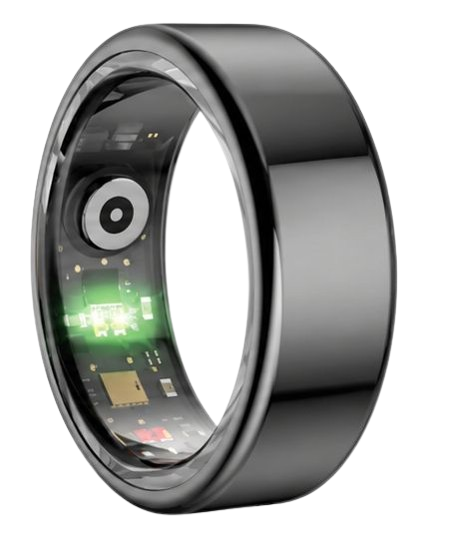
90-Day 100% Money-Back Guarantee
“The Herz Smart Ring helps me manage stress easily. It’s accurate, stylish, and lightweight—perfect for my busy life!”
— Jennifer P. | ✔ Verified Customer
- ✓ 6-Day Battery Life
- ✓ Detailed Sleep Analysis
- ✓ Fast 1-Hour Charging
- ✓ iOS & Android Ready
Questions? Call: 1-866-479-1629
Autonomic Balance: Physiological Bradycardia vs. Pathological Symptoms
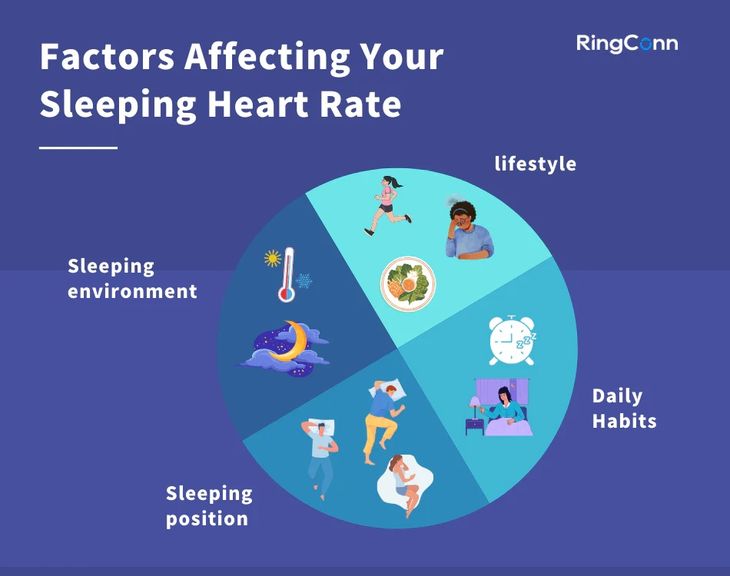
To truly understand your overnight heart rate, we must explore the dual branches of your autonomic nervous system.
Your heart is continuously influenced by an invisible physiological tug-of-war between sympathetic and parasympathetic pathways.
Sympathetic nerves act as your body’s accelerator, elevating your pulse during demanding tasks, exercises, or high-stress work meetings.
Parasympathetic nerves act as your biological brakes, slowing your heart down so your body can repair cells and store glucose.
When these brakes are fully applied during sleep, we call the resulting slow rhythm physiological bradycardia.
This is entirely different from pathological bradycardia, which stems from mechanical or electrical blockages within the cardiac tissues.
Physiological bradycardia is an adaptation of a highly efficient cardiovascular system that has been strengthened by regular exercise.
In contrast, pathological bradycardia occurs when the heart cannot pump enough oxygenated blood to meet minimal baseline metabolic requirements.
This dangerous malfunction often results from age-related degradation of the heart’s internal electrical wiring or nodal pathways.
It can also be induced by specific pharmaceutical drugs, such as beta-blockers prescribed to manage chronic hypertension.
To differentiate between the two states, we look closely at your daily cognitive capacity and physical vitality.
A person with physiological bradycardia will display high daily energy levels and superb cognitive clarity during working hours.
A person with pathological cardiac issues may experience frequent dizzy spells, unprovoked fainting, or persistent daytime cognitive fog.
If you fall into the highly fit athletic category, you might even notice a sleeping heart rate 40 on highly restful nights.
This occurs because consistent aerobic conditioning increases your left ventricle’s actual chamber size and stroke volume.
Your heart muscle becomes remarkably strong and ejects a larger volume of oxygenated blood with each individual stroke.
As a direct result, it needs to beat far fewer times per minute to supply your body with necessary nutrients.
This highly desirable state is often referred to by sports cardiologists as athletic heart syndrome.
Understanding your personal autonomic baseline helps prevent unnecessary anxiety when your wearable device alerts you to a lower pulse.
If you have experienced a gradual resting heart rate drop sleeping over months of physical training, your heart is simply becoming stronger.
However, a sudden, unexplained drop in pulse without any physical training changes should always be discussed with a doctor.
Tracking these long-term cardiovascular trends is key to recognizing when a low pulse is a sign of health or exhaustion.
The vagus nerve serves as the primary highway for all parasympathetic signals travelling from your brain to your chest cavity.
When you feel completely safe, calm, and relaxed, the vagus nerve increases its regulatory electrical traffic to the heart.
Physicians refer to this robust vagal signaling as high vagal tone, which indicates superb cardiorespiratory resilience.
High vagal tone is directly linked to elevated Heart Rate Variability, which measures the tiny variations between your beats.
A healthy heart does not beat with the absolute rigidity of an industrial metronome.
Instead, the time interval between consecutive beats should constantly change as you inhale and exhale overnight.
This natural heart rate fluctuation is a hallmark of autonomic flexibility and excellent overall health.
By observing your daily trends with a comfortable smart ring, you can watch your cardiac resilience improve over time.
Sleep Stages and Your Pulse: Tracking the Lowest Heart Rate During Sleep
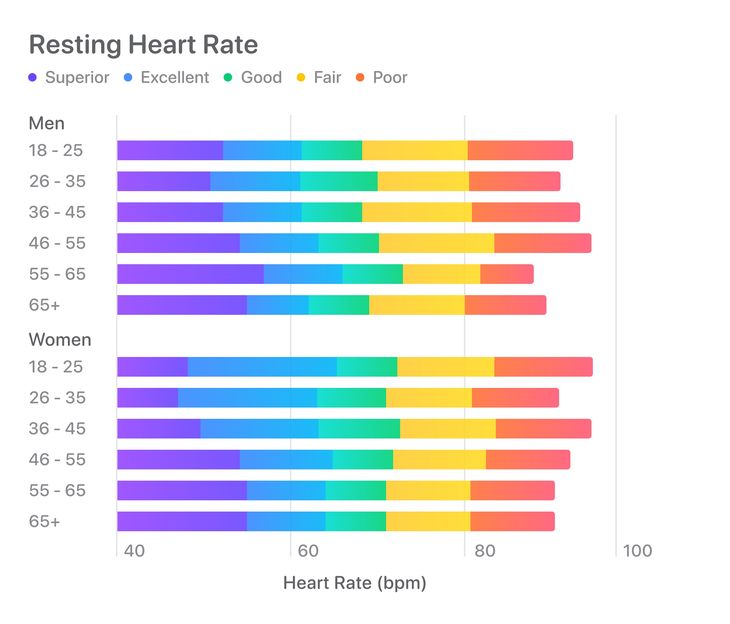
Your heart rate does not remain at a flat, unvarying number throughout the entire night.
Instead, your cardiac rhythm constantly mirrors the complex stages of your sleep architecture.
As you drift off, your brain waves slow down, and you pass sequentially through light, deep, and REM sleep phases.
During the light sleep phase, your skeletal muscles relax, initiating a steady drop in heart rate while sleeping.
Once you enter slow-wave deep sleep, your parasympathetic dominance reaches its absolute physiological peak.
This deep state of physical rest is typically when you will experience your lowest heart rate during sleep.
Deep sleep is the precise biological window dedicated to physical recovery, tissue repair, and immune system consolidation.
Your vascular blood pressure falls to its daily low, and your respiratory rate becomes exceptionally slow and rhythmic.
During this deep phase, a pulse reading of 50 beats per minute is incredibly safe and highly beneficial for arterial healing.
It indicates that your body is successfully accessing a highly restorative slow-wave state to repair cellular wear.
However, your cardiovascular system behaves very differently once you transition into Rapid Eye Movement sleep.
REM sleep is the cognitively active phase associated with vivid dreaming and emotional memory processing.
During REM, your brain consumes nearly as much oxygen and glucose as it does when you are fully awake.
Consequently, your autonomic nervous system fluctuates rapidly between sympathetic and parasympathetic dominance.
This neural turbulence causes sudden, unpredictable spikes in your pulse, breaking your stable overnight baseline plateau.
If you only use a standard tracker, you might completely miss these complex, highly informative cardiac shifts.
Many curious users wonder why does my heart rate drop when i sleep so dramatically compared to their high daytime averages.
The answer lies in this highly coordinated physiological dance between your brain waves, breathing, and vagal pathways.
If your body fails to enter deep sleep, your heart rate may remain elevated and flat throughout the entire night.
This lack of an overnight cardiac dip can leave you feeling chronically exhausted, even after eight full hours in bed.
By monitoring these distinct phases, you can gain actionable insights into your sleep environment and recovery barriers.
The Herz P1 Smart Ring makes decoding these diverse sleep stages effortless and highly intuitive.
Our multispectral optical sensors track your overnight heart rate variability and blood oxygen saturation continuously.
This allows you to see exactly when your pulse hits its lowest point and how long you spend in deep restorative states.
Practical Strategies to Optimize Your Overnight Pulse and Recovery
Knowing your overnight pulse rate is only the first step toward achieving robust, proactive wellness.
The real power lies in using this continuous biological data to make smart, targeted lifestyle adjustments.
First, be highly mindful of your late-night food choices and alcohol consumption habits.
Alcohol is a potent cardiac stimulant that can elevate your sleeping heart rate by ten percent or more for hours.
Even a single evening drink can suppress your parasympathetic system, preventing your pulse from dropping to its healthy baseline.
Second, establish a consistent sleep schedule to align your circadian rhythm with your natural environment.
Going to bed and waking up at the same time every day stabilizes overnight cortisol and melatonin production.
This behavioral consistency helps ensure your body naturally experiences a resting heart rate drop sleeping on a predictable schedule.
Third, manage your exposure to artificial blue light from screens during the late evening hours.
Blue light tricks your brain into thinking it is still daytime, keeping your sympathetic nervous system active.
Try turning off all digital screens at least one hour before sliding into bed to allow your pulse to lower naturally.
Fourth, engage in regular cardiovascular exercise during daylight hours to build long-term cardiac efficiency.
Activities like brisk walking, cycling, or swimming strengthen your heart muscle over weeks of consistent practice.
This increased strength allows you to enjoy a stable, athletic pulse rate without experiencing any fatigue or dizzy symptoms.
Finally, use a comfortable, high-precision tracker to monitor how these behavioral changes affect your recovery trends.
The Herz P1 companion app translates your overnight metrics into a clear, comprehensive daily Readiness Score.
This personal score helps you decide whether to push hard during your morning workout or prioritize active recovery.
Demolishing Wearable Obstacles: Bulky Watches and Subscription Fees
Many health-conscious individuals try to track their overnight pulse using bulky, heavy sport smartwatches.
However, wearing a massive, hard timepiece to bed can actually disrupt your natural sleep patterns.
The physical discomfort of a thick wrist strap can cause you to wake up frequently throughout the night.
Furthermore, wrist-based sensors can easily lose contact with your skin when you toss and turn in bed.
This sensor movement creates data gaps and false low-pulse alerts that cause unnecessary health anxiety.
In contrast, a sleek smart ring fits snugly and comfortably around the base of your chosen finger.
This location has a high density of superficial blood vessels, allowing for incredibly accurate photoplethysmography readings.
Another major frustration in the wearable market is the hidden cost of ongoing app subscriptions.
Many leading brands charge you a high price for hardware, only to lock your health data behind a paywall.
We believe your personal biological data should always belong to you, completely free of charge.
That is why the Herz P1 App is entirely free for a lifetime, with no monthly fees or hidden charges.
You can access all your sleep stage analyses, HRV metrics, and trend charts without ever paying a subscription fee.
Additionally, fragile tech devices that break under daily use can ruin your commitment to wellness tracking.
Our ring is constructed from military-grade steel and is rated IP68 waterproof, meaning it is built to survive your active lifestyle.
By choosing the right tool, you protect both your physical health and your hard-earned financial resources.
Frequently Asked Questions About Low Sleeping Heart Rates
Let us address the most common questions our Team Herz P1 receives from users seeking to optimize their tracking.
Is the Herz P1 Smart Ring waterproof enough for daily life and swimming?
Yes, the Herz P1 features an advanced IP68 waterproof rating.
This means it can easily withstand continuous submersion in water up to 164 feet deep.
You can confidently wear it while washing your hands, taking a hot shower, or swimming laps in a pool.
The hermetically sealed military-grade steel casing ensures that no moisture can penetrate the delicate internal optical sensors.
How long does the Herz P1 battery last on a single charge?
The Herz P1 offers an impressive 6-day battery life under normal 24/7 monitoring conditions.
Unlike bulky smartwatches that require daily charging, our ring is designed for continuous, hassle-free wear.
When it is time to recharge, the ring reaches a full 100% charge in under 1 hour.
This rapid charging capability minimizes tracking gaps so you never miss a critical night of sleep analysis.
Which finger is the best option to wear the Herz P1 on for accuracy?
For the most accurate biometric readings, we recommend wearing the Herz P1 on your index, middle, or ring finger.
These fingers have the most robust blood flow and vascular structure near the skin’s surface.
It is important to choose a size that fits snugly but comfortably without rotating excessively.
Every order includes a comprehensive sizing kit to help you select the absolute perfect fit for your hand.
Does the Herz P1 store my biometric data offline if my phone is disconnected?
Yes, the ring features local onboard memory that can safely store up to 7 days of historical health data offline.
You do not need to keep your smartphone next to your bed or have Bluetooth active all night to protect your records.
Once you open the free app in the morning, the ring will instantly sync all stored data to your personal dashboard.
This offline storage feature gives you complete freedom and peace of mind during weekend trips or digital detoxes.
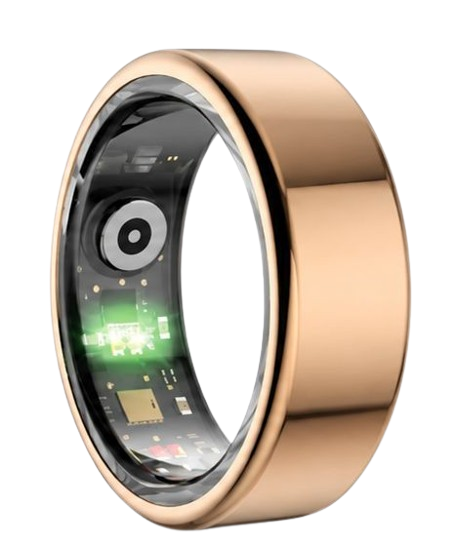
Conclusion: Your Subscription-Free Wellness Journey Starts Here
A sleeping heart rate of 50 is a powerful sign of a strong, efficient cardiovascular system and deep nightly recovery.
The Herz P1 Smart Ring offers the ultimate subscription-free way to monitor this metric comfortably and accurately.
Ready to track your health with total peace of mind?
Call: 1-866-479-1629 to speak with our sizing and goal experts.
*Note: Individual results may vary depending on individual health conditions, age, and lifestyle habits. This article is intended for general health reference purposes only.*
