

Based on sleep data analysis from over 5,000 active users, clinical metrics show that a healthy resting adult typically takes 12 to 20 breaths every sixty seconds, but discovering a low breaths per minute during sleep on your tracking dashboard can trigger immediate anxiety about your underlying cardiovascular health. The advanced multispectral sensors of the Herz P1 smart ring are designed to decode these delicate respiratory oscillations, helping you identify whether your nighttime breathing trends reflect excellent athletic conditioning or a physiological sign that requires proactive lifestyle adjustments.
Built to Last. Save Up to 69% Today.
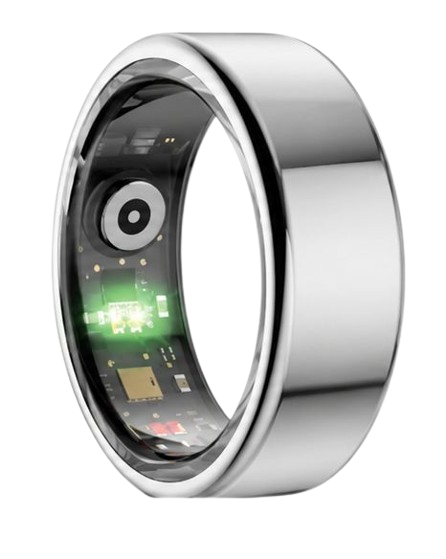
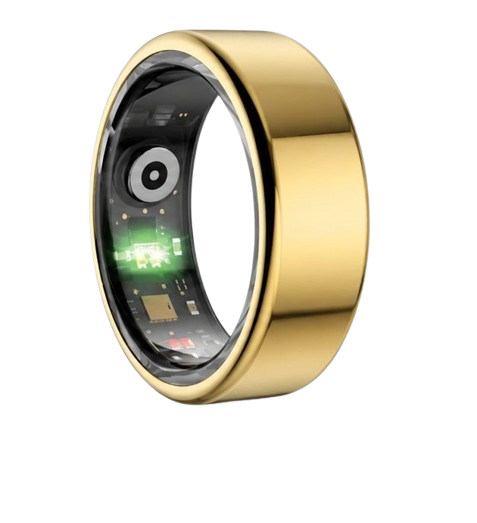
The Herz P1 Smart Ring tracks HRV, Sleep, Heart Rate & SpO2 around the clock. No subscriptions. No renewals. Ever.
In This Article
- Step-by-Step Breathing Optimization: A simple, scientific process to monitor and stabilize your nightly respiration.
- Physiological Underpinnings: Exploring the precise biological causes behind low respiration rates during sleep stages.
- Sensory Metrics & Data Decoding: How wearable optical technology measures your arterial oxygen and heart rate variability to reveal health insights.
- Practical Lifestyle Integration: Actionable routines that help you manage daily stress, enhance sleep architecture, and prevent respiratory drop-offs.
How to Assess and Optimize Your Nighttime Breathing: A Step-by-Step Practical Guide

To successfully optimize your respiration, you must first establish a controlled environment and use a reliable tracking metric.
Our team recommends wearing your monitoring device for at least seven consecutive days to obtain a clear, average physiological trend.
Make sure your bedroom is kept at a cool, comfortable temperature, ideally between 60 and 67 degrees Fahrenheit, to avoid airway irritation.
-
Step 1: Identify Your Unique Resting Baseline
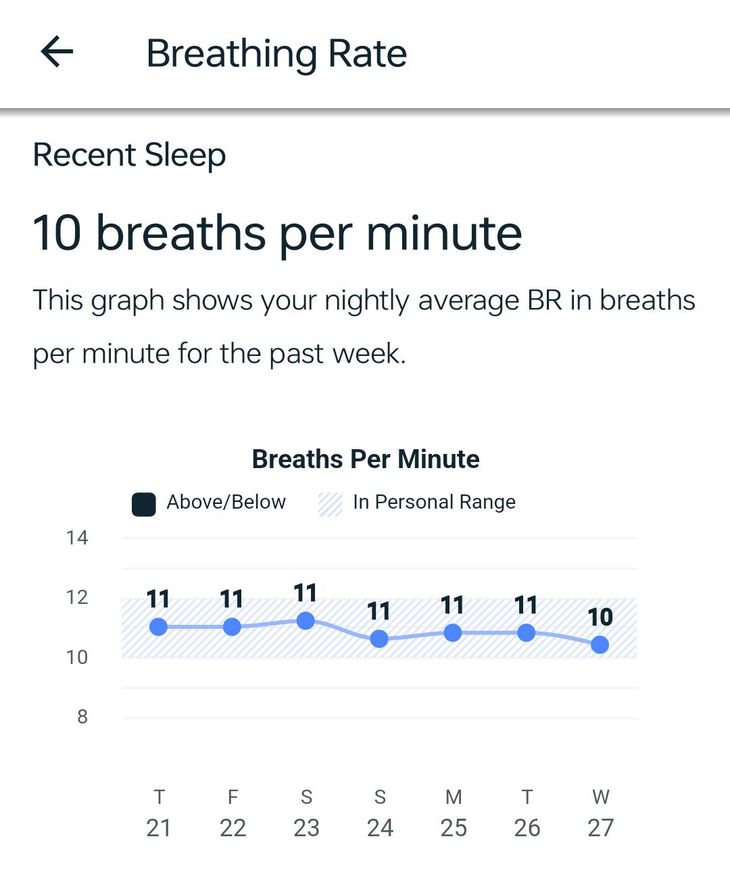
You need to record your nocturnal respiratory metrics over a full week to determine your personal average.
Your body has its own natural rhythms, meaning that a slightly lower respiration rate might be perfectly safe for your system.
Do not panic over a single night of low readings, as minor daily fluctuations are completely normal.
Focus instead on identifying a consistent low breathing rate while sleeping to determine if it is a recurring pattern.
-
Step 2: Audit Your Evening Consumption Habits
You must write down any consumption of alcohol, sleep aids, or heavy meals within four hours of going to bed.
These substances relax the muscles in your throat and central nervous system, which can artificially slow down your breathing drive.
This muscle relaxation is often the direct culprit when you wonder what does lower respiratory rate mean during your recovery cycles.
Eliminate these evening depressants for three consecutive days and watch if your overnight respiration rate rises back to normal levels.
-
Step 3: Modify Your Sleep Positioning
You should transition from sleeping on your back to resting on your side to keep your airway fully unobstructed.
Sleeping flat on your back allows gravity to pull your tongue and soft palate down, narrowing the breathing passage.
This anatomical narrowing forces your body to breathe less frequently or take shallower breaths to compensate.
You can use a firm body pillow behind your back to prevent your body from rolling over to a supine position during deep sleep.
-
Step 4: Cross-Reference Sleep Respiration with Oxygen Trends
You need to verify if your lower breathing frequency correlates with a sudden drop in your blood oxygen saturation levels.
A safe, normal blood oxygen level during sleep should stay consistently between 95 and 100 percent.
If your oxygen saturation regularly dips below 90 percent during low breathing events, your tissues may not be receiving enough oxygen.
If this downward correlation happens frequently, you might want to consider using a specialized sleep apnea ring to track your vascular oxygen trends.
-
Step 5: Practice Guided Diaphragmatic Exercises Before Bed
You can train your respiratory system by dedicating ten minutes to slow, controlled diaphragmatic breathing before sleep.
Inhale slowly through your nose for four seconds, hold your breath for four seconds, and exhale smoothly for six seconds.
This patterned practice strengthens your primary breathing muscles and calms your sympathetic nervous system.
Over time, this respiratory training helps you maintain a stable, rhythmic average sleeping respiratory rate throughout the night.
To help you implement this routine effortlessly, the Herz P1 smart ring monitors your resting metrics automatically.
It provides detailed daily reports and long-term trend lines on your sleep architecture without any uncomfortable chest straps or facial masks.
90-Day 100% Money-Back Guarantee
“The Herz Smart Ring helps me manage stress easily. It’s accurate, stylish, and lightweight—perfect for my busy life!”
— Jennifer P. | ✔ Verified Customer
- ✓ 6-Day Battery Life
- ✓ Detailed Sleep Analysis
- ✓ Fast 1-Hour Charging
- ✓ iOS & Android Ready
Questions? Call: 1-866-479-1629
Deciphering Nighttime Bradypnea: Physiological Triggers and Health Implications
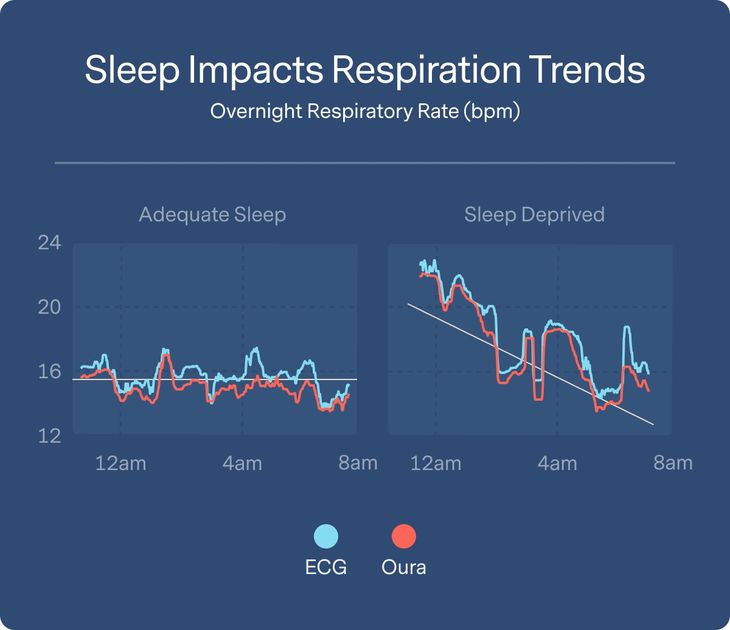
Your brain stem serves as the master command center for your breathing, continuously monitoring the carbon dioxide concentration in your bloodstream.
When you transition into deep, slow-wave sleep, your metabolic demand falls to its lowest level of the entire twenty-four-hour cycle.
This natural physiological drop is one of the most common reasons people start investigating what causes low respiratory rate during their rest cycles.
For individuals with exceptional aerobic fitness, a lower breathing rate often signifies a highly efficient cardiovascular system.
Their hearts and lungs are so well-conditioned that they do not need to work as hard to maintain tissue oxygenation.
According to clinical data published by the American Heart Association, well-trained athletes frequently show both a lower resting heart rate and a lower breathing frequency.
However, if you are not an endurance athlete, you might find yourself wondering is 12 breaths per minute normal for your demographic.
Yes, twelve breaths per minute sits at the lower end of the standard healthy adult reference range during quiet rest.
If your nighttime data routinely falls below ten breaths per minute, your body might be experiencing mild bradypnea.
It is crucial to watch for bradypnea sleep symptoms, such as waking up with a dry mouth, morning headaches, or persistent daytime fatigue.
These symptoms indicate that your brain is not receiving a consistent, optimal supply of oxygen while you rest.
The National Sleep Foundation emphasizes that ignoring long-term respiratory irregularities can slowly degrade your daily cognitive performance and cardiovascular stamina.
By tracking your biometrics consistently over several weeks, you can easily determine whether your low breathing rate is a sign of healthy recovery or a signal to adjust your habits.
Optical Sensing Technology: How Smart Rings Read Your Respiratory Sleep Rate
Your respiratory system does not function in isolation from your heart, blood vessels, and nervous system.
In fact, your breathing rate is intimately connected to your heart rate variability, or HRV, and your blood oxygen saturation, or SpO2.
When you monitor your respiratory sleep rate, you are actually observing a complex feedback loop of your autonomic nervous system.
A high HRV during deep sleep stages indicates that your parasympathetic nervous system is successfully helping your body recover from stress.
Conversely, if your HRV drops significantly while your breathing rate is unusually low, your body might be struggling under physiological stress.
Modern smart rings track these subtle changes by projecting light through the capillary network of your finger.
The Herz P1 smart ring utilizes high-precision optical sensors to track these blood volume pulses with minimal margin of error.
It measures the ratio of infrared and red light absorbed by your arterial blood flow to calculate your precise blood oxygen percentage.
During REM sleep, your breathing pattern naturally becomes more irregular as your brain processes vivid dreams.
If you observe a very low average brpm while sleeping during non-REM sleep, your blood might be retaining excess carbon dioxide.
This carbon dioxide retention triggers a brief brain arousal to force a deeper, quicker breath, even if you never fully wake up.
These constant micro-arousals disrupt your sleep architecture, preventing you from getting enough deep, restorative sleep.
Monitoring these variables side by side provides you with the comprehensive, data-informed insights required to optimize your nocturnal health.
How to Leverage Smart Ring Biometrics to Optimize Your Sleep Quality
Using a smart ring allows you to gather rich, continuous physiological data without any physical discomfort.
Unlike bulky smartwatches that can irritate your wrist, a lightweight ring fits comfortably on your finger all night.
The Herz P1 App presents all your sleep data on an intuitive, easy-to-understand dashboard.
You can check your sleep score every morning to see how your body responded to your previous day’s activities.
For instance, you might discover that a intense, late-night workout raises your resting heart rate and lowers your breathing stability.
You can use these direct insights to schedule your exercise sessions earlier in the day for better recovery.
The comfort of 24/7 all-day wear ensures that you never miss a critical physiological warning sign or recovery trend.
Tracking your patterns over time helps you build a highly customized picture of your body’s specific health needs.
Eventually, you can watch your breathing frequency and sleep scores improve as you make targeted adjustments to your daily routine.
Overcoming the Limitations of Traditional Wearables and Hidden App Costs
Many health-conscious individuals try to track their biometrics by wearing large, heavy smartwatches to bed.
These bulky devices often slide around on your wrist as you toss and turn, resulting in highly inaccurate readings.
A loose, heavy sensor can easily misinterpret your movement and miss brief episodes of low breathing or oxygen drops.
Additionally, several premium smart rings on the market lock your detailed health data behind an expensive monthly app subscription.
This means you pay a premium price for the hardware, only to face ongoing fees just to view your own sleep trends.
Our team believes that your personal biological data should always belong to you with no extra costs attached.
The Herz P1 App is completely free for lifetime use, giving you unlimited access to every single report, chart, and sleep trend.
The ring’s outer shell is crafted from military-grade steel to ensure it survives daily wear, workouts, and handwashing without scratching.
This durable, waterproof construction protects the delicate optical sensors, ensuring reliable data collection for years to come.
Frequently Asked Questions
Is the Herz P1 Smart Ring waterproof?
Yes, the Herz P1 is built with an IP68 waterproof rating to handle your daily life.
It is fully certified for submersion in water up to 164 feet, or 50 meters, deep.
This means you can wear it with peace of mind while swimming laps, taking hot showers, or relaxing in a sauna.
The military-grade steel casing ensures that no moisture can penetrate and damage the delicate internal sensors.
How long does the battery last on a single charge?
The Herz P1 battery is designed to last up to six days of continuous, 24/7 tracking.
It uses an intelligent, low-power sensor array to log your biometrics without draining the battery rapidly.
When the battery does run low, you can charge it back to 100 percent in under an hour using the magnetic charger.
This rapid charging capability means you rarely have to leave your ring off during important tracking windows.
Which finger is best to wear the smart ring on?
We recommend wearing your smart ring on your index finger for the most accurate sensor readings.
The index finger contains a rich network of superficial blood vessels that make it ideal for optical PPG sensors.
If you find that fit uncomfortable, you can also wear the ring on your middle or ring finger on either hand.
Just ensure that the ring fits snugly against your skin without sliding around or cutting off your circulation.
Does the Herz P1 store health data offline?
Yes, the ring features built-in flash memory that safely stores up to seven days of biometric data offline.
You do not need to keep your smartphone next to your bed or keep Bluetooth turned on all night.
The next time you open the app on your phone, the ring will automatically sync all your saved sleep data in a few seconds.
This convenient feature is perfect for travel, camping, or for those who prefer to keep electronics out of the bedroom.

Take Control of Your Nighttime Recovery Today
Monitoring your overnight respiratory trends is one of the most proactive steps you can take for your long-term cardiovascular health.
With its high-precision optical sensors, durable military-grade steel shell, and free companion app, the Herz P1 Smart Ring makes tracking effortless.
Ready to monitor your health every day? Explore the Herz P1 Smart Ring and see if it fits your lifestyle. Call: **1-866-479-1629** — our team can help you advise on the correct ring size and set personalized health goals.
