

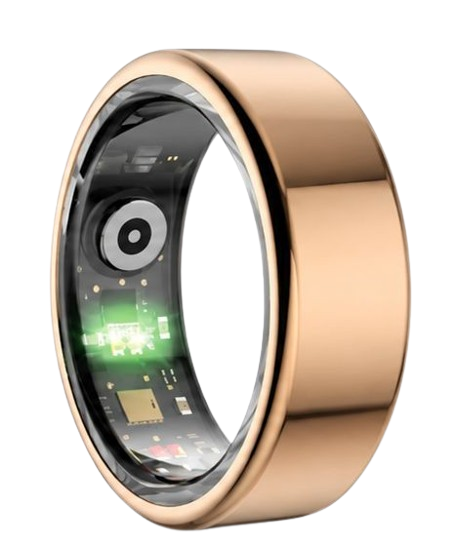
Understanding what causes low respiratory rate is vital for managing your sleep and long-term health. If you track your nightly vitals, seeing a drop in your breathing speed can feel alarming. The premium, subscription-free Herz P1 Smart Ring continuously tracks your biometric signals, allowing you to easily spot anomalies and optimize your recovery every single day.
Built to Last. Save Up to 69% Today.
The Herz P1 Smart Ring tracks HRV, Sleep, Heart Rate & SpO2 around the clock. No subscriptions. No renewals. Ever.
In This Article
- Defining the clinical boundaries of low respiration and bradypnea.
- How advanced smart rings measure your respiratory sleep rate overnight.
- Physiological and external triggers behind a decreased breathing pace.
- Practical guides to utilizing high-fidelity wearable tracking to boost health.
What Causes Low Respiratory Rate and Bradypnea? The Science Explained

Your body is a complex biological engine that continuously adjusts its functions to keep you alive and balanced.
One of the most critical autonomic functions it regulates is your respiration speed.
A standard adult typically breathes between twelve and twenty times every minute during rest.
When this rate falls below twelve breaths, medical professionals refer to this state as bradypnea.
Understanding what causes low respiratory rate is the first step in assessing your overall wellness.
This phenomenon can stem from a wide variety of physiological, environmental, and pharmacological triggers.
For many healthy individuals, a decreased rate is simply a sign of superior cardiovascular fitness.
Well-conditioned athletes often have highly efficient hearts and lungs that deliver oxygen with fewer efforts.
In these cases, a lower rate is a badge of physical conditioning rather than a clinical warning.
However, unexpected drops can also indicate underlying issues that deserve careful tracking.
These drops can be triggered by central nervous system depressants, metabolic shifts, or neurological factors.
The brainstem serves as the primary control center that regulates your automatic breathing patterns.
If the signals from this area are suppressed or delayed, your breathing rate will drop immediately.
This is why understanding the precise causes of decreased respiratory rate is so critical.
Many people first notice this metric while reviewing their nightly wearable data.
You might see a persistent low breathing rate while sleeping on your daily dashboard.
This raises the question of whether your body is getting enough oxygen during its recovery phase.
To monitor these shifts accurately without medical equipment, you need a high-precision tracking tool.
The Herz P1 Smart Ring measures your blood oxygen saturation (SpO2) and respiration rate continuously.
This provides you with clear trends to share with your wellness advisor or medical practitioner.
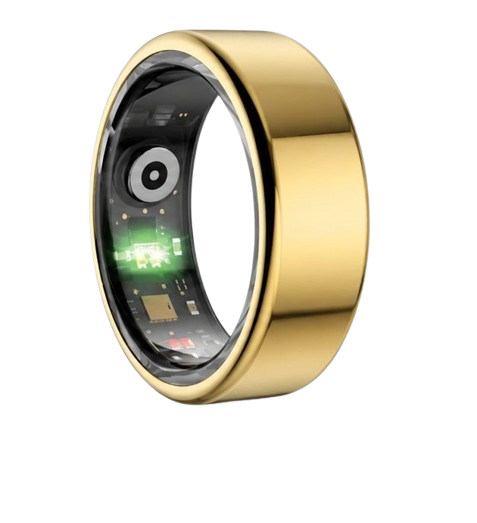
If you want to track this in real time, the Herz P1 Smart Ring monitors sleep respiration 24/7 — explore it here.
90-Day 100% Money-Back Guarantee
“The Herz Smart Ring helps me manage stress easily. It’s accurate, stylish, and lightweight—perfect for my busy life!”
— Jennifer P. | ✔ Verified Customer
- ✓ 6-Day Battery Life
- ✓ Detailed Sleep Analysis
- ✓ Fast 1-Hour Charging
- ✓ iOS & Android Ready
Questions? Call: 1-866-479-1629
How Smart Rings Measure Your Respiratory Sleep Rate Overnight
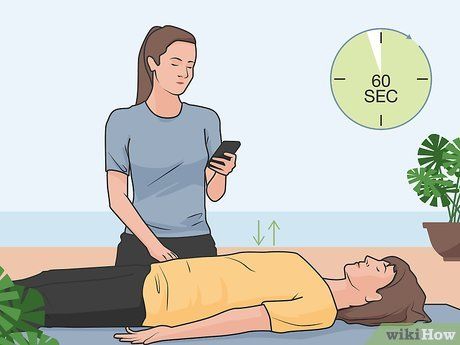
You might wonder how a small device on your finger can track your lungs’ activity.
The secret lies in a sophisticated technology called photoplethysmography, or PPG.
PPG sensors use multi-wavelength light beams to illuminate the microscopic blood vessels in your finger.
As your heart beats, blood flows through your digital arteries and changes the volume of these vessels.
These volumetric changes alter the amount of light that is reflected back to the sensor.
Interestingly, your breathing patterns also leave a distinct footprint on this blood flow signal.
When you inhale, the pressure inside your chest cavity drops, which temporarily increases heart rate.
When you exhale, the chest pressure rises, and your heart rate naturally slows down.
This rhythmic variation in heart rate is known as respiratory sinus arrhythmia, or RSA.
By analyzing these micro-variations in your heart rate variability (HRV), the smart ring calculates your breath count.
This method allows the device to pinpoint your exact respiratory sleep rate with incredible precision.
In fact, modern smart rings can track these respiratory variations within a narrow margin of error.
This is especially useful because manual counting is practically impossible while you are asleep.
The Herz P1 Smart Ring combines this PPG analysis with an advanced clinical-grade sensor array.
It measures your blood oxygen levels alongside your average sleeping respiratory rate to provide a complete picture.
The National Sleep Foundation highlights that consistent respiration tracking is key to identifying sleep disruptions.
Without this data, subtle breathing anomalies might go completely unnoticed for years.
A high-quality sleep apnea ring can act as an early warning system for these disruptions.
It allows you to view daily charts and weekly trends without any complicated chest straps.
This means you can sleep comfortably while your ring gathers deep physiological insights.
Let’s look at how the Herz P1 compares to standard clinical metrics in tracking overnight breathing.
| Respiration Metric | Standard Clinical Range | What It Indicates |
|---|---|---|
| Resting Respiration Rate | 12 – 20 breaths per minute | Normal autonomic nervous system balance. |
| Bradypnea (Low Rate) | Under 12 breaths per minute | High parasympathetic activity, physical conditioning, or suppression. |
| Tachypnea (High Rate) | Over 20 breaths per minute | Acute physiological stress, fever, or respiratory issues. |
Having a structured table makes it easy to compare your overnight data against established baselines.
If you observe a consistent deviation, it is highly useful to check your overall blood oxygen levels.
By tracking both variables, you gain a clearer understanding of your respiratory efficiency.
Physiological and External Causes of Decreased Respiratory Rate

To truly understand bradypnea causes, we must explore both healthy and pathological origins.
The human body is constantly balancing its internal chemistry to survive.
One major metabolic cause of a low breathing rate is a condition called metabolic alkalosis.
This occurs when your blood pH levels become slightly too alkaline or basic.
To restore balance, your brainstem intentionally slows down your breathing rate.
By breathing slower, your body retains more carbon dioxide, which acts as a natural acidifier.
This corrective mechanism shows how brilliantly your nervous system maintains homeostasis.
Another critical factor is the state of your central nervous system.
Certain medications and toxins can heavily suppress the brain’s breathing centers.
Opioid-induced respiratory depression is a prominent example of this chemical suppression.
Opioid compounds bind to receptors in the brainstem, which dulls the body’s sensitivity to carbon dioxide.
As a result, the brain fails to trigger the normal signal to inhale.
This suppression can lead to a dangerously low breaths per minute during sleep.
Similarly, heavy alcohol consumption or strong sedatives can have a cumulative depressive effect.
Physical trauma can also directly impact this automatic biological process.
A localized brainstem injury can disrupt the neural pathways that control respiration.
Without stable pathways, the breathing rhythm can become highly irregular or incredibly slow.
On the non-pathological side, your deep sleep phases naturally slow your breathing.
During deep slow-wave sleep, your metabolic demands drop to their lowest daily levels.
The parasympathetic nervous system takes full control of your bodily functions.
This deep state of rest frequently results in a lower average brpm while sleeping.
If you are highly fit, your heart and lungs work together with incredible efficiency.
This means your muscles require fewer breaths to receive the same amount of oxygen.
As a result, you might naturally display what looks like a low respiratory baseline.
This baseline is often perfectly safe and simply indicates a strong, healthy heart.
However, you must look at this metric in combination with your overnight SpO2 trends.
A drop in breathing rate accompanied by a drop in blood oxygen is a sign of sleep disruption.
This is where understanding what does lower respiratory rate mean becomes highly practical.
The American Heart Association notes that tracking cardiovascular trends over months is highly valuable for early detection.
By noticing these subtle shifts early, you can take proactive control of your wellness journey.
Practical Strategies to Optimize Your Respiration Trends
Once you begin tracking your data, the next step is applying these insights to your daily routine.
The companion app for the Herz P1 Smart Ring makes reviewing your trends incredibly simple.
Every morning, you can open the app to view your sleep architecture and breathing logs.
You should first establish your unique personal baseline over a period of two weeks.
This baseline acts as your physiological anchor, making future anomalies easy to spot.
If you notice your breathing rate is lower than usual, look at your previous day’s activities.
Did you engage in a highly intense workout that triggered a deep recovery phase?
Or did you consume alcohol close to bedtime, which artificially suppressed your central nervous system?
By linking your daily habits to your biometric data, you can make smarter lifestyle choices.
To actively improve your respiratory health, consider incorporating daily breathwork exercises.
Slow, deliberate diaphragmatic breathing helps strengthen your respiratory muscles over time.
It also stimulates the vagus nerve, which helps transition your body into a calm, relaxed state.
You can track the positive impact of these exercises by observing your nightly HRV scores.
Additionally, optimizing your sleep hygiene can dramatically stabilize your overnight breathing.
Ensure your bedroom is cool, dark, quiet, and completely free from digital distractions.
Avoiding heavy meals and caffeine in the evening also prevents digestive stress from disrupting your rest.
The lightweight design of the Herz P1 ensures you can sleep comfortably without any bulky wristbands.
This allows the optical sensors to maintain continuous contact with your skin throughout the night.
This continuous contact guarantees that your morning sleep score is highly accurate and useful.
Why Traditional Smartwatches Fall Short for Sleep Tracking
Many wellness seekers rely on traditional smartwatches to monitor their overnight vitals.
However, wearing a bulky, heavy watch to bed often introduces significant tracking errors.
As you toss and turn, the large casing of a smartwatch easily shifts away from your skin.
This shifting creates gaps that allow ambient light to interfere with the optical PPG sensors.
The resulting data is often highly fragmented and filled with artificial spikes.
Furthermore, the physical discomfort of a bulky strap can actively disrupt your deep sleep cycles.
A bright watch screen turning on in the middle of the night also ruins your natural melatonin production.
Another major frustration is the constant need to charge these devices daily.
If your watch is sitting on a charger overnight, it cannot track your vital recovery metrics.
Beyond hardware issues, many wearable brands lock your data behind ongoing monthly subscriptions.
You are forced to pay a recurring fee just to view the health metrics you already bought.
The Herz P1 Smart Ring elegantly solves all of these common user pain points.
Its sleek, lightweight ring profile sits snugly and securely at the base of your finger.
This optimal sensor placement delivers highly stable readings with minimal risk of rotation.
There are absolutely no monthly subscription fees to access your personalized wellness dashboard.
Once you purchase the ring, you own your biological data for life with zero hidden costs.
Frequently Asked Questions About Respiratory Tracking
Is the Herz P1 Smart Ring waterproof?
Yes, the Herz P1 features a certified IP68 waterproof rating that supports depths up to 164 feet.
This means you can wear it while swimming, showering, bathing, or washing your hands.
The military-grade steel construction ensures the internal sensors remain completely protected from moisture.
How long does the battery last on a single charge?
The high-efficiency battery delivers up to six days of continuous tracking on a single charge.
When it is time to recharge, the ring reaches one hundred percent power in under one hour.
This fast charging speed makes it incredibly easy to maintain a consistent tracking routine.
Which finger is best to wear the smart ring on?
We recommend wearing the ring on your index, middle, or ring finger for the best sensor contact.
Choosing your non-dominant hand is generally ideal to minimize daily scuffs and wear.
The ring should feel snug but comfortable enough to rotate slightly when applying gentle pressure.
Does the ring store my biometric data offline?
Yes, the ring has secure onboard memory that stores up to seven days of local data.
You do not need to keep your phone nearby or connected to Bluetooth throughout the night.
The next time you open the companion app, your stored data will sync automatically in seconds.
Take Control of Your Sleep and Respiratory Wellness
Tracking your breathing rate is a powerful way to understand your body’s deep recovery signals.
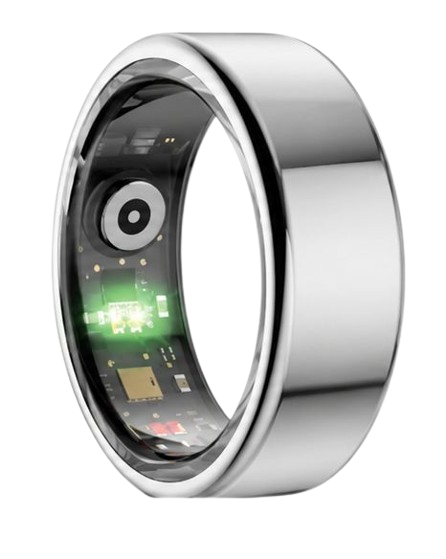
The subscription-free Herz P1 Smart Ring delivers clinical-grade insights in a comfortable, military-grade steel design.
Ready to monitor your health every day? Explore the Herz P1 Smart Ring and see if it fits your lifestyle. Call: 1-866-479-1629 — our team can help you advise on the correct ring size and set personalized health goals.
Note: Individual results may vary depending on individual health conditions, age, and lifestyle habits. This article is intended for general health reference purposes only.
