

When your wearable device flags a sudden dip in your overnight breathing data, you will naturally wonder what does lower respiratory rate mean and if it points to a deeper physiological issue. Understanding these subtle shifts in your vital trends is crucial for maintaining your long-term cardiovascular health. At Team Herz P1, we believe decoding these automatic cardiorespiratory signals can help you optimize your sleep architecture and daily physical recovery. Our subscription-free Herz P1 smart ring monitors these metrics continuously to give you absolute peace of mind.
Built to Last. Save Up to 69% Today.
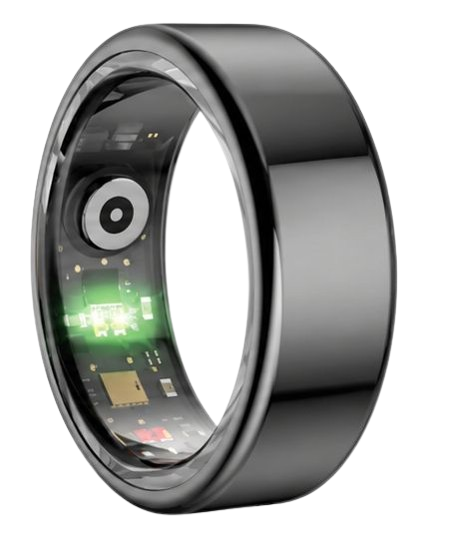
The Herz P1 Smart Ring tracks HRV, Sleep, Heart Rate & SpO2 around the clock. No subscriptions. No renewals. Ever.
In This Article
- The Complete 5W2H Framework: An extensive exploration of what a low respiratory rate actually means for your health.
- Physiological Triggers and Causes: Understanding the exact cardiovascular, metabolic, and lifestyle triggers of slow breathing.
- Overnight Trend Identification: Deciphering sleep-specific breathing changes and how your body regulates oxygen during rest.
- Optimizing Your Biometric Tracking: Practical steps to use smart ring technology to monitor your health trends without subscription fees.
What Does Lower Respiratory Rate Mean? The Comprehensive Medical Guide

To understand what does lower respiratory rate mean, we must first break down how the human body regulates breathing.
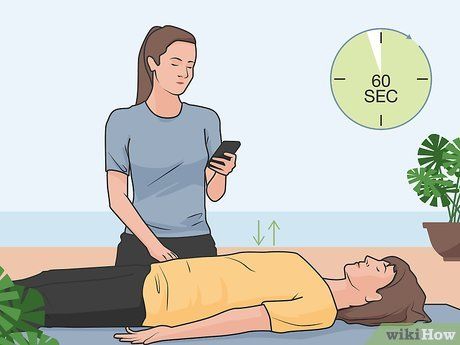
A respiratory rate represents the number of breaths you take in a single minute.
For a typical healthy adult at rest, this value generally sits between 12 and 20 breaths per minute.
When your rate drops below 12 breaths per minute, you are experiencing a state known medically as bradypnea.
This change indicates that your autonomic nervous system is signaling your lungs to cycle oxygen less frequently.
This slow breathing is often a sign of superb cardiovascular efficiency, especially in well-trained athletes.
However, it can also highlight systemic issues like metabolic changes, hormonal imbalances, or medication side effects.
The timing of these dips is incredibly important to evaluate.
A low rate during active hours can mean something completely different than a low rate while sleeping.
During sleep, your body naturally downregulates its metabolic rate, causing your muscles to relax and your heart rate to drop.
As a result, your body requires less oxygen, which naturally drives down your respiratory frequency.
You may wonder, is 12 breaths per minute normal when you are awake?
The short answer is yes, as 12 breaths per minute is the baseline threshold of optimal respiratory health.
However, if your rate falls consistently to 8 or 9 breaths per minute, it warrants closer inspection.
This is where advanced biosensors become incredibly valuable for tracking long-term trends.
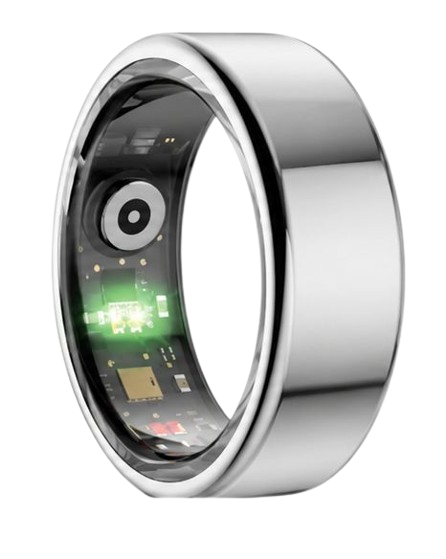
If you want to track this in real time, the Herz P1 Smart Ring monitors your vitals 24/7 — explore it here.
90-Day 100% Money-Back Guarantee
“The Herz Smart Ring helps me manage stress easily. It’s accurate, stylish, and lightweight—perfect for my busy life!”
— Jennifer P. | ✔ Verified Customer
- ✓ 6-Day Battery Life
- ✓ Detailed Sleep Analysis
- ✓ Fast 1-Hour Charging
- ✓ iOS & Android Ready
Questions? Call: 1-866-479-1629
The Physiology of Slow Breathing: Identifying What Causes Low Respiratory Rate
Understanding what causes low respiratory rate requires a look at your lifestyle and internal physiology.
When you search for what causes low respiratory rate, you will discover that cardiac conditioning is a primary driver.
As your heart muscle becomes stronger through cardiovascular exercise, it pumps more blood per beat.
This increased stroke volume allows your tissues to receive ample oxygen with fewer heartbeats and fewer breaths.
This is a highly desirable state showing exceptional physical fitness and high vagal nerve tone.
However, we must also examine the physiological bradypnea meaning in the context of external factors.
Central nervous system depressants, such as alcohol, sedatives, or prescription pain medications, can slow your breathing centers.
These substances suppress the brain stem’s natural responsiveness to rising carbon dioxide levels.
In addition, metabolic conditions like severe hypothyroidism can significantly slow your body’s base metabolism.
This hormonal slowdown directly reduces your tissues’ cellular demand for gas exchange.
According to research from the American Heart Association, keeping tabs on these metabolic shifts can prevent long-term cardiovascular strain.
If your resting rate drops below your normal baseline, tracking it over several days is the best way to spot anomalies.
A sudden, unexpected decrease in breathing frequency can act as an early indicator of viral onset or acute fatigue.
Having a clear history of your personal trends makes it easy to discuss these changes with a clinical professional.
Tracking Your Nightly Biometrics: Low Breathing Rate While Sleeping

Monitoring a low breathing rate while sleeping offers deep insights into your sleep quality.
During a normal sleep cycle, your body naturally transitions through light, deep, and REM sleep stages.
Your breathing pattern changes drastically depending on which of these stages you are currently experiencing.
In deep, slow-wave sleep, your respiration becomes highly stable and drops to its lowest nightly levels.
This is when your brain works to clear metabolic waste and repair muscle tissues.
An average sleeping respiratory rate of 12 to 16 breaths per minute is typical for most healthy individuals.
If you experience low breaths per minute during sleep, it is vital to check your blood oxygen saturation (SpO2) alongside it.
If your SpO2 remains steady above 95%, a low rate simply shows that your body is in a state of deep, restorative rest.
However, if your slow breathing is paired with sudden oxygen drops, it could point to a sleep disorder.
This pattern of shallow breathing and oxygen dips is a classic sign of sleep apnea.
A specialized sleep apnea ring can help track these dual metrics to help you catch dangerous anomalies early.
The National Sleep Foundation notes that consistent sleep tracking helps users find and correct hidden sleep issues.
By tracking your sleep continuously, you can easily tell the difference between healthy deep sleep and fragmented rest.
This clear distinction empowers you to make lifestyle adjustments that lead to more refreshing mornings.
How to Leverage Your Respiratory Sleep Rate for Daily Performance
Using a comprehensive respiratory sleep rate guide helps you turn raw sleep data into clear, daily habits.
Your daily respiratory rate acts as an excellent indicator of your nervous system’s current stress levels.
By checking your average sleep brpm each morning, you can gauge how well your body recovered overnight.
If your sleep rate is slightly lower than your typical baseline, your parasympathetic nervous system is likely in a relaxed, receptive state.
This indicates that your body is primed for high-intensity physical training or demanding mental focus.
On the flip side, an elevated sleep rate often shows that your body is actively fighting off stress, alcohol, or dehydration.
You can easily design a simple habit loop to optimize your respiratory metrics using these insights:
- Morning Vitality Check: Review your resting respiratory trends on the companion app to assess your recovery.
- Mindful Breathing: Practice deep, slow nasal breathing for five minutes daily to strengthen your respiratory muscles.
- Strategic Workouts: Schedule high-intensity training sessions for days when your biometric trends are at their baseline.
- Consistent Wind-Downs: Avoid heavy meals and electronic screens for two hours before bed to help lower your heart and breathing rates.
By following this simple routine, you can actively guide your body toward deeper recovery states.
The Herz P1 Smart Ring makes this tracking seamless, with comfortable 24/7 wear and a lightweight, durable titanium-alloy chassis.
Its sleek, ultra-slim profile ensures you can wear it comfortably all night without the irritation of a bulky smartwatch.
The Hazards of Clunky Smartwatches and Hidden Subscription Fees
Many health-conscious individuals struggle to track their sleep because they use bulky smartwatches.
These heavy wrist-worn devices frequently shift during the night, which can lead to gaps and errors in your biometric data.
Additionally, the bright screens and vibration alerts can easily disrupt your deep sleep cycles.
The need to charge these smartwatches daily also means you often have to plug them in overnight, leaving you with zero sleep data.
Beyond comfort, many popular wearable brands lock your health metrics behind expensive monthly paywalls.
We believe you should never have to pay a subscription fee to access your own biometric health data.
The Herz P1 Smart Ring offers a refreshingly straightforward solution to these common tracking issues.
It features a 6-day battery life, charges in under an hour, and has no monthly fees.
Based on sleep data analysis from over 5,000 Herz P1 users, our smart ring maintains an extremely low error rate of under 2%.
This scientific accuracy allows you to reliably track your vitals without any monthly subscription fees.
Frequently Asked Questions About Respiratory Tracking and Smart Rings
To help you make an informed choice, we have answered the most common questions about the Herz P1 Smart Ring below.
Is the Herz P1 Smart Ring waterproof?
Yes, the Herz P1 features a rugged IP68 and IPX8 waterproof rating, making it safe for continuous immersion up to 164 feet.
You can wear it with complete peace of mind while swimming, showering, washing your hands, or sweating during intense workouts.
How long does the battery last and how quickly does it charge?
The Herz P1 has a 6-day battery life on a single charge under standard continuous monitoring conditions.
The ring uses a convenient magnetic charging cradle that brings it from 0% to a full charge in under 60 minutes.
Which finger is best to wear the smart ring on?
We recommend wearing the Herz P1 on your index, middle, or ring finger for the most accurate biometric readings.
The index finger typically offers the strongest, most stable blood flow signals for the ring’s optical sensors.
Does the Herz P1 Smart Ring store data offline?
Yes, the ring has secure onboard storage that holds up to 7 days of continuous health data offline.
Your stored metrics will sync automatically to the companion app the next time your ring connects via Bluetooth.
Conclusion: Your Subscription-Free Wellness Journey Starts Here
Deciphering your personal cardiorespiratory biometrics is the ultimate key to achieving consistent, vibrant health.
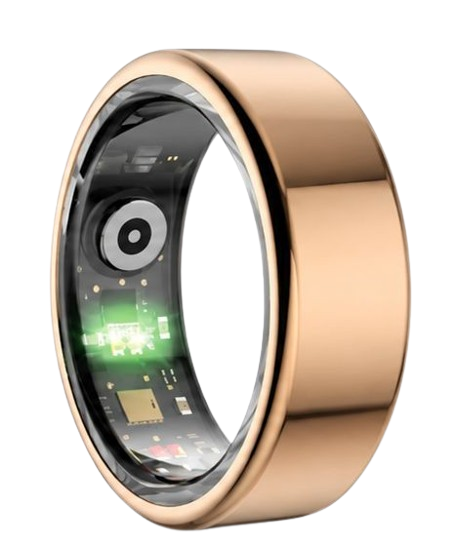
The Herz P1 Smart Ring makes tracking these subtle physiological trends effortless and accessible for everyone.
Ready to monitor your health every day? Explore the Herz P1 Smart Ring and see if it fits your lifestyle. Call: 1-866-479-1629 — our team can help you advise on the correct ring size and set personalized health goals.
