

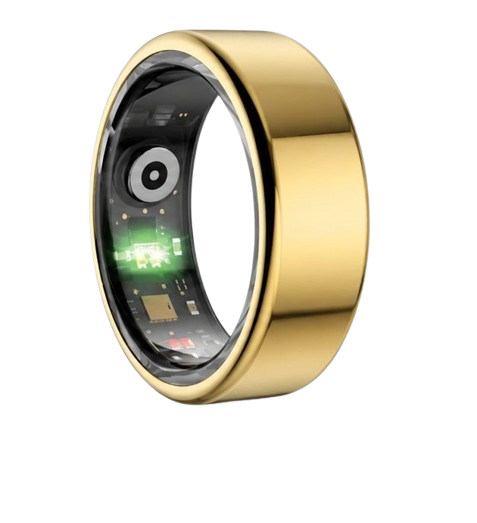
Clinical studies show that high-performing individuals possess superior cardiac resilience, which is directly influenced by how to increase vagal tone through structured lifestyle interventions. Understanding the science of vagal toning is key to shifting your body out of chronic fight-or-flight mode. With the premium, subscription-free Herz P1 smart ring, you can track real-time heart rate variability trends to assess your autonomic health and measure stress recovery metrics accurately every day.
Built to Last. Save Up to 69% Today.
The Herz P1 Smart Ring tracks HRV, Sleep, Heart Rate & SpO2 around the clock. No subscriptions. No renewals. Ever.
In This Article
- How to Increase Vagal Tone: A practical, step-by-step physical and mental protocol.
- Identifying Poor Vagal Tone: Recognizing biological warning signs and systemic markers.
- The Role of HRV in Vagal Toning: Understanding cardiac deceleration and neural recovery tracking.
- Advanced Biohacking Tactics: Elevating parasympathetic activity using wearable tech.
How to Enhance Your Vagus Nerve: A Step-by-Step Vagal Toning Protocol

Your autonomic nervous system controls vital functions without your conscious input.
The vagus nerve is the principal mediator of this parasympathetic rest-and-digest pathway.
To improve your body’s natural response to anxiety, you must learn to stimulate this neural network actively.
With structured daily exercises, you can transition your body from a state of hyper-arousal to restorative calm.
Below is a precise, daily guide designed to help you succeed.
Prerequisites and Daily Requirements
You do not need specialized clinical gear to begin this neuro-training program.
You only need a quiet space, five to ten minutes of uninterrupted time, and a tracking device to evaluate results.
A biometric wearable like the Herz P1 is highly recommended to record changes in your heart rate variability.
Consistency is key to remodeling neural pathways and raising baseline parasympathetic activity.
-
Step 1: Perform the Physiological Sigh
Sit comfortably with your back straight and your shoulders relaxed to allow full expansion of your lungs.
Take a deep, rapid breath through your nose for two seconds to expand your chest.
Immediately take a second, sharp sniff to inflate the smallest air sacs in your lungs completely.
Release the air slowly through pursed lips in a long, controlled sigh for six to eight seconds.
Perform this physiological sigh sequence three to five times consecutively to relieve immediate muscular tension.
This biological mechanism triggers immediate parasympathetic dominance by signaling your brain to reduce heart rate.
-
Step 2: Engage in Cold-Water Exposure Therapy
Go to your bathroom sink and fill a large basin with cold water or prepare an ice compress.
Splash cold water directly onto your forehead, eyes, and cheeks for ten to fifteen seconds while holding your breath.
Alternatively, press an ice pack gently against the sides of your neck where the vagal trunk runs.
Ensure the temperature is cold enough to provoke a mild sensory shock without causing pain.
This action stimulates the mammalian dive reflex, which instantly lowers your heart rate and increases peripheral vasoconstriction.
-
Step 3: Practice Deep Diaphragmatic Breathing
Lie flat on your back or sit in a supportive chair with one hand on your chest and the other on your abdomen.
Inhale deeply through your nose for four seconds, making sure your lower hand rises while your chest remains steady.
Hold this air inside your lungs for a brief, calm period of two seconds.
Exhale slowly through your mouth for six seconds, drawing your belly inward toward your spine.
Use these breathing exercises for sleep prep to reduce nocturnal cognitive hyper-arousal.
Repeat this rhythmic breathing cycle for five minutes to stabilize autonomic fluctuations.
-
Step 4: Incorporate Resonant Humming or Chanting
Close your mouth and inhale deeply through your nose to prepare your vocal cords.
Exhale slowly while producing a sustained, low-pitched humming sound in the back of your throat.
Direct the physical vibrations toward your neck, jaw, and chest cavity.
Continue this humming pattern for two to three minutes, maintaining a relaxed posture.
The physical vibration stimulates the laryngeal branches of the vagus nerve, directly promoting cardiac deceleration.
-
Step 5: Document and Analyze Biometric Changes
Open your tracking app immediately after completing your daily stimulation exercises.
Observe your short-term heart rate variability metrics to verify successful parasympathetic activation.
Compare these immediate readings to your historical baseline to track long-term adaptation.
Identify which specific stimulation methods produce the most significant increases in your HRV score.
Keep a daily log of these biometric shifts to refine your stress-recovery routines.
Enhancing Autonomic Tracking with Herz P1
Manually documenting these metabolic shifts can be difficult during a busy workday.
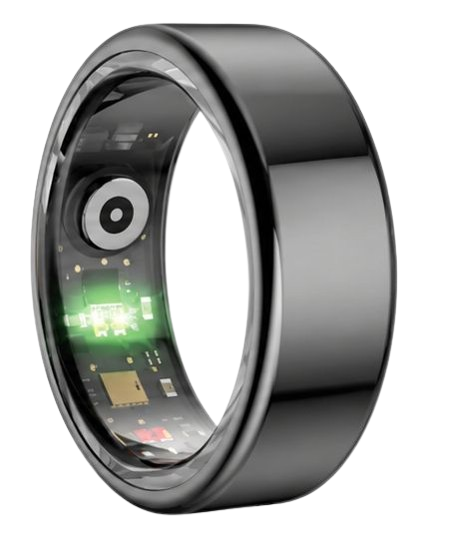
The Herz P1 smart ring simplifies this process by continuously tracking your physiological recovery signals.
Our multispectral sensors capture changes in your cardiovascular state automatically.
This lightweight ring runs without any ongoing monthly fees, making advanced health monitoring simple and affordable.
Recognizing the Systemic Indicators of Poor Vagal Tone

Understanding what is low vagal tone requires examining how your body handles daily physiological stress.
When the parasympathetic brake is weak, your system remains stuck in a sympathetic-dominant state.
A primary warning sign of poor vagal tone is an elevated resting heart rate that does not drop during rest.
The American Heart Association notes that chronic sympathetic dominance can strain your cardiovascular system over time.
Many individuals with a lower vagal tone also experience chronic digestive issues like bloating and slow motility.
This happens because the vagus nerve regulates the production of stomach acid and controls intestinal muscle contractions.
Additionally, emotional volatility, ongoing brain fog, and poor sleep are common signs of autonomic imbalance.
The table below highlights the biological differences between high and low parasympathetic activity.
| Biometric Marker | High Vagal Tone (Optimized) | Low Vagal Tone (Impaired) |
|---|---|---|
| Resting Heart Rate (RHR) | Highly stable, averaging 48 – 60 BPM | Consistently elevated, averaging 72 – 90+ BPM |
| Heart Rate Variability (HRV) | High variability, reflecting excellent adaptability | Low variability, indicating chronic strain |
| Heart Rate Recovery (1 min) | Rapid drop of more than 25 beats per minute | Slow, sluggish recovery of less than 12 beats per minute |
| Digestion & Gastric Motility | Smooth, regular peristalsis and nutrient absorption | Frequent bloating, sluggish transit, and acid reflux |
| Sleep Stage Architecture | Deep, restorative slow-wave sleep and stable REM | Frequent awakenings and fragmented, shallow sleep |
Identifying these indicators helps you pinpoint autonomic imbalances early.
Instead of guessing, you can use continuous monitoring to spot these subtle physiological trends.
The Herz P1 smart ring tracks your vitals around the clock, mapping these metrics into an easy-to-read daily score.
The Science of Heart Rate Variability as a Window to Vagus Function
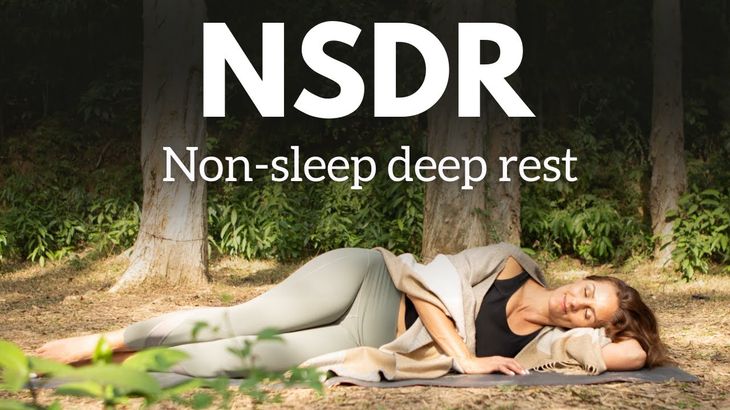
Many people wonder about the low vagal tone meaning when analyzing their wearable metrics.
To understand this clearly, we must look at how your heart rate changes with your breathing.
A healthy heart does not beat at a perfectly rigid, metronome-like interval.
Instead, the time between consecutive heartbeats constantly shifts by milliseconds.
This variation is known as heart rate variability, and it is controlled directly by your autonomic nervous system.
When you inhale, your sympathetic branch temporarily increases your heart rate to boost oxygen delivery.
When you exhale, your vagus nerve releases acetylcholine to slow your heart down.
This rhythmic pattern is called respiratory sinus arrhythmia, and it serves as a direct indicator of vagal strength.
A high HRV score indicates a flexible, resilient nervous system that recovers quickly from stress.
Conversely, a low HRV score suggests your body is struggling to manage its daily demands.
The National Sleep Foundation emphasizes that tracking these subtle shifts during sleep provides excellent insights into your recovery.
Monitoring these trends over time helps you assess the effectiveness of your wellness routines.
With its advanced multi-wavelength optical sensors, the Herz P1 tracks these micro-fluctuations continuously throughout the night.
Practical Application Guide: Tracking Autonomic Recovery Daily
Collecting health data is only valuable if you know how to use it to make positive adjustments.
The Herz P1 companion app converts complex biological signals into clear, actionable recovery scores.
When you wake up, review your overnight heart rate variability and resting heart rate trends first.
A significant drop in your baseline HRV suggests your body needs a lighter, more restorative day.
On these low-energy days, prioritize gentler activities and avoid intense physical or mental strain.
You can also use the app to check how to measure breathing rate trends during your sleep.
An elevated respiratory rate often points to physiological stress, overtraining, or early illness.
By reviewing your breathing rate while sleeping, you can assess how well your body recovers from daily stress.
If you see signs of physical strain, consider adding short breathing exercises to your afternoon routine.
This proactive approach helps you prevent burnout and support long-term autonomic resilience.
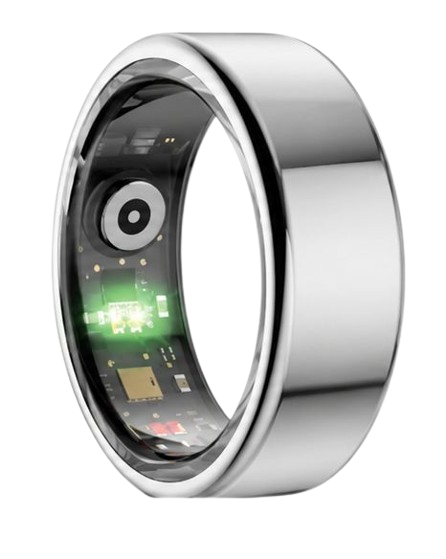
The Herz P1 is designed for comfortable, 24/7 wear, making it easy to capture reliable data without any distraction.
Overcoming Common Biometric Sizing and Device Tracking Pitfalls
Using wrist-based trackers can sometimes lead to issues with data accuracy.
Large, bulky smartwatches often shift during sleep, which can disrupt sensitive optical sensors.
This movement can cause gaps in your overnight heart rate and SpO2 tracking.
Additionally, many watch brands require expensive monthly subscriptions to view your historical trends.
We believe your personal health data should always be free and fully accessible.
The Herz P1 app provides complete, lifetime access to your metrics with absolutely no hidden fees.
To get the most accurate readings, make sure your ring fits snugly but comfortably.
Wear the ring on your index or middle finger, as these areas have the strongest arterial blood flow.
A secure fit prevents the ring from rotating, keeping the sensors aligned for precise tracking.
This steady connection ensures you get reliable data to help you how to stop overthinking at night and rest deeply.
By making these simple adjustments, you can build a highly accurate, stress-free tracking routine.
Frequently Asked Questions (FAQ)
90-Day 100% Money-Back Guarantee
“The Herz Smart Ring helps me manage stress easily. It’s accurate, stylish, and lightweight—perfect for my busy life!”
— Jennifer P. | ✔ Verified Customer
- ✓ 6-Day Battery Life
- ✓ Detailed Sleep Analysis
- ✓ Fast 1-Hour Charging
- ✓ iOS & Android Ready
Questions? Call: 1-866-479-1629
Conclusion: Elevate Your Stress Recovery Today
Consistently working on your vagus nerve stimulation is a powerful way to build lasting physical and mental resilience. By combining natural relaxation techniques with accurate biometric tracking, you can take control of your autonomic health. The Herz P1 smart ring offers the perfect, subscription-free solution to monitor your progress and optimize your daily recovery.
Ready to monitor your health every day? Explore the Herz P1 Smart Ring and see if it fits your lifestyle. Call: 1-866-479-1629 — our team can help you advise on the correct ring size and set personalized health goals.
