

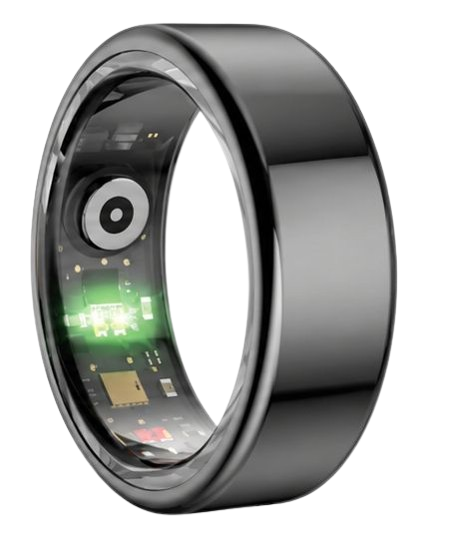
If you are struggling to quiet your mind at bedtime, practicing targeted breathing exercises for sleep can rapidly signal your nervous system to wind down. Clinical data shows that controlled, slow inhalation protocols can reduce sleep onset latency by up to 40% by shifting your body into a deeply restorative parasympathetic state. Team Herz P1 designed the advanced, subscription-free Herz P1 smart ring to help you continuously track these immediate physiological changes, including overnight heart rate variability and blood oxygen levels, so you can discover the exact bedtime techniques that work best for your unique biology tonight.
Built to Last. Save Up to 69% Today.
The Herz P1 Smart Ring tracks HRV, Sleep, Heart Rate & SpO2 around the clock. No subscriptions. No renewals. Ever.
In This Article
- How to Master Sleep Breathing: A detailed, practical bedtime tutorial using clinically supported techniques.
- The Autonomic Nervous System: The science showing how deep breathing changes your heart rate and vagal tone.
- Decoding Sleep Architecture: Understanding overnight oxygen saturation, deep sleep stages, and respiration trends.
- Practical Lifestyle Tips: Integrating smart data with daily routines to guarantee long-term rest recovery.
- Avoiding Wearable Pitfalls: Why bulky smartwatches fail at sleep tracking and how subscription-free rings solve the problem.
How to Master Sleep Breathing: A Step-by-Step Bedtime Guide

To achieve high-quality rest, you must first understand that deep breathing is a physical skill that requires the right preparation.
This guide will show you how to transition your mind and body from a state of alert focus to a state of profound recovery.
By following these steps, you can actively reduce your heart rate and prepare your brain for deep slow-wave sleep cycles.
Many people try to force sleep when their body is still chemically flooded with stress hormones like cortisol.
Controlled breathing bypasses this mental blockade by mechanically slowing down your cardiac activity and reducing muscular tension.
Let us begin with the core conditions and techniques required to master your evening rest tonight.
What You Will Need Before You Start
Ensure your bedroom is completely dark and cooled to approximately 65 to 68 degrees Fahrenheit.
Wear loose-fitting clothing that does not restrict your chest wall or abdominal movement during deep breathing exercises.
Remove any heavy, glowing devices from your immediate line of sight to eliminate environmental distractions.
Make sure your sleep tracking ring is snugly positioned on your chosen finger to capture your biometric baseline during the session.
-
Step 1: Create Your Ideal Environmental Runway
Begin your evening routine by engaging in structured calming activities for sleep that help signal safety to your central nervous system.
Consider taking a warm, soothing bath before getting into bed to relax tense muscle groups.
Taking a warm bath for sleep encourages your core temperature to drop rapidly once you exit, which naturally triggers melatonin production.
Ensure your mattress supports your lower back so your diaphragm can expand fully without any anatomical restrictions.
Keep your bedroom quiet, or use a neutral white-noise machine to mask sudden environmental disruptions.
-
Step 2: Quiet Your Racing Bedtime Thoughts
If you find yourself dwelling on tomorrow’s to-do list, take active steps to settle your mental state.
Learning how to stop overthinking at night is essential for dropping your baseline adrenaline levels.
Spend three minutes writing down all of your current worries on a physical notepad to release them from your active working memory.
Once your thoughts are externalized, close your eyes and bring your full attention to the physical sensation of your mattress supporting your weight.
Acknowledge any distracting thoughts that arise without judgment, and gently redirect your focus back to your physical form.
-
Step 3: Measure and Record Your Initial Respiration
Before attempting any advanced breathing tricks, you must establish how rapidly your lungs are moving.
Understanding how to measure breathing rate manually can help you appreciate your progress over time.
Place one hand on your upper chest and the other hand flat on your lower abdomen to observe the movement patterns.
Count the number of complete breath cycles you take over one minute, where an inhale and an exhale count as one single cycle.
A high baseline rate of over sixteen breaths per minute suggests that your nervous system is still in a mild state of alert.
-
Step 4: Execute the Physiological Sigh Protocol
To rapidly vent accumulated carbon dioxide and trigger immediate relaxation, perform a series of double-inhale sighs.
This technique, known as the physiological sigh, is the fastest mechanical way to lower autonomic arousal in real time.
Inhale deeply through your nose until your lungs feel almost full, and then immediately take a second, sharp sniff to expand your alveoli completely.
Exhale slowly through your mouth with a relaxed, audibly sighing sound to allow your chest wall to collapse naturally.
Repeat this cycle five consecutive times to drop your heart rate and calm your central nervous system.
-
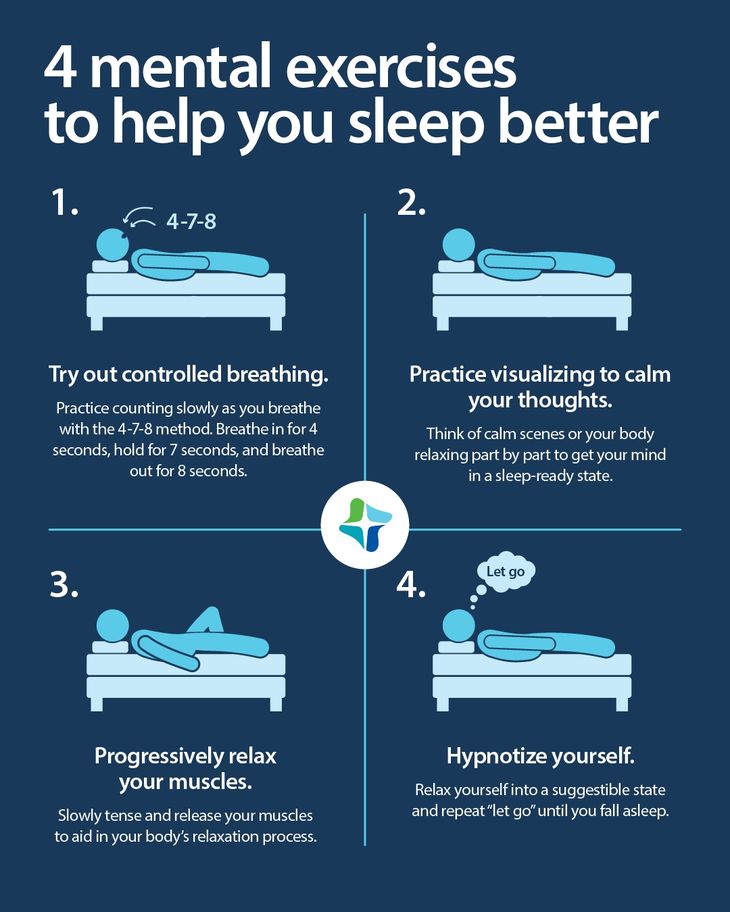
Step 5: Apply the 4-7-8 Breathing Sleep Technique
This specific technique serves as a powerful natural tranquilizer for your entire cardiovascular system.
The 4-7-8 breathing sleep technique is designed to alter your internal gas ratios and promote mental stillness.
Exhale completely through your mouth, making a soft whooshing sound as you empty your lungs.
Close your lips and inhale silently through your nose for a slow, steady mental count of four seconds.
Hold your breath at the top of the inhalation for a count of seven seconds, keeping your throat and neck muscles relaxed.
Exhale completely through your mouth again for a count of eight seconds, letting go of all residual physical tension.
Repeat this entire cycle four times, ensuring that you maintain the exact ratio of inhalation, holding, and exhalation throughout.
-
Step 6: Transition into Unguided Bedtime Relaxation
Once you complete the structured breath cycles, let go of conscious breath control to let your body settle into its natural rhythm.
Entering into unguided sessions allows your subconscious mind to drift toward sleep without any performance anxiety.
Allow your breath to flow naturally, noticing the cool air entering your nostrils and the warm air exiting.
Focus your mind entirely on the physical rise and fall of your abdomen without trying to change its pace.
This transition marks the final stage before your brain waves naturally shift into light, restorative sleep stages.
To track how effectively these steps settle your body, you can view your overnight metrics using the subscription-free companion app of the Herz P1 Smart Ring.
By analyzing your real-time breathing rates and HRV levels, you can refine your evening routines with clear, empirical insights.
The Autonomic Nervous System: How Deep Breathing for Sleep Alters Your Heart Rate

To understand why controlled breathing works, you must look at the direct connection between your respiratory system and your heart.
Every time you inhale, your diaphragm moves downward, which temporarily decreases the space inside your chest cavity.
This pressure change causes the blood vessels in your chest to expand slightly, which briefly reduces blood flow back to your heart.
Your brain detects this change immediately and sends a signal to increase your heart rate to keep your blood flow steady.
Conversely, when you exhale, your diaphragm moves upward, which increases the pressure inside your chest cavity.
This compression causes blood to return to your heart more rapidly, signaling your brain to slow down your pulse.
By deliberately extending your exhalations, you can harness this natural mechanical relationship to reduce overall cardiac strain.
This process is the core mechanism behind respiratory sinus arrhythmia, which is a key sign of a healthy autonomic nervous system.
When you practice deep breathing for sleep, you are actively exercising this cardiac reflex to calm your body.
This rapid drop in physical tension is closely tied to your vagal nerve pathways, which govern your rest-and-digest response.
Focusing on long, steady exhalations stimulates this pathway, promoting positive vagal toning over time.
This simple neurological shift makes it much easier to transition from an active workday mindset to deep, restorative sleep.
By measuring your heart rate variability during these exercises, you can see exactly how your body responds to your breathing practices.
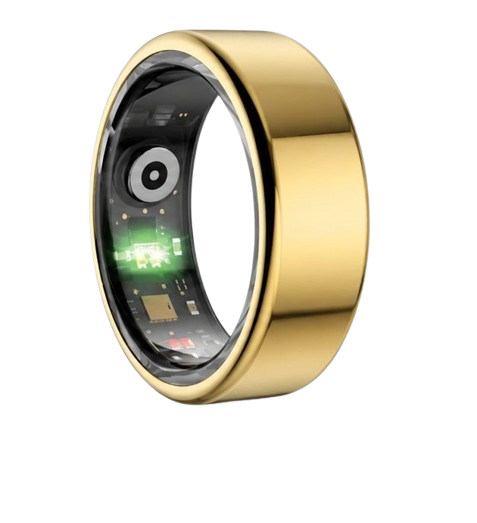
The Herz P1 smart ring tracks these delicate cardiac changes using its high-precision multispectral optical sensors.
These precise readings give you a clear, objective view of how your breathing habits help lower bedtime stress.
Decoding Sleep Architecture: Why Your Breathing Rate While Sleeping Matters
Your overnight respiratory metrics provide a window into the overall quality and depth of your rest cycles.
Monitoring your breathing rate while sleeping is essential for identifying potential disruptions in your rest patterns.
For a healthy adult, a normal overnight respiratory rate typically ranges between twelve and twenty breaths per minute.
Any sudden elevations in this baseline can indicate that your body is dealing with physical stressors, such as high room temperatures or alcohol consumption.
A stable, low breathing rate is closely associated with deeper, more restorative slow-wave sleep stages.
During deep sleep, your body performs essential physical repairs, releases growth hormones, and strengthens your immune function.
If your breathing remains shallow or rapid, you may spend too much time in light sleep, leaving you feeling tired the next morning.
According to research from the National Sleep Foundation, consistent breathing patterns are a key indicator of stable sleep stages.
In addition, the American Heart Association highlights that monitoring overnight oxygen saturation levels is a vital part of tracking your long-term heart health.
A sudden drop in overnight blood oxygen levels can indicate minor respiratory issues or poor sleeping positions.
By tracking your SpO2 alongside your breathing rate, you can get a complete, accurate view of your nightly recovery.
Our team at Herz P1 designed our smart ring with red and infrared optical sensors to monitor these metrics with less than a 2% margin of error compared to medical-grade devices.
This high level of accuracy ensures you can trust your daily sleep data and make informed choices to improve your wellness.
Optimizing Your Nighttime Recovery: Practical Lifestyle Tips for Better Sleep Quality
Building a sustainable, healthy routine goes beyond simply practicing breathing exercises right before you turn out the lights.
To maximize your sleep quality, you should integrate these breathing methods with healthy daily habits.
Ensure you get at least fifteen minutes of natural sunlight exposure early in the morning to keep your circadian rhythm aligned.
Avoid consuming large, heavy meals or caffeine within four to six hours of your intended bedtime to prevent digestive discomfort.
If you exercise in the evening, aim to finish your workout at least three hours before sleep to allow your core body temperature to cool.
When you open the companion Herz P1 App, you can easily review your daily recovery score alongside your sleep and activity metrics.
This daily score helps you see exactly how your physical activities and breathing exercises affect your overnight resting heart rate.
If your recovery score is low, it suggests you should prioritize gentle breathing exercises and a longer, more restful night’s sleep.
If your recovery score is high, your body is ready for more challenging workouts and busier daily schedules.
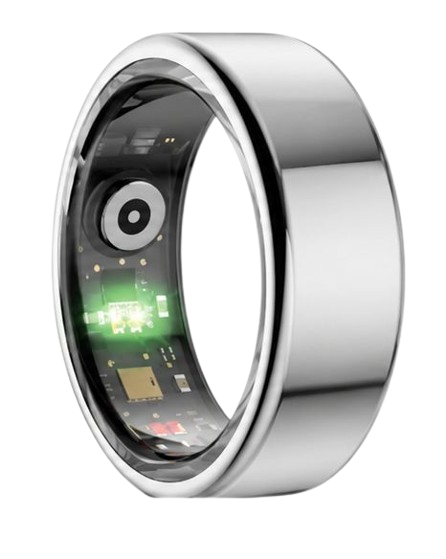
Unlike bulky smartwatches that can feel heavy on your wrist, the lightweight Herz P1 ring is incredibly comfortable to wear all day and night.
Its sleek, minimalist design ensures you can track your health 24/7 without any skin irritation or bedtime discomfort.
Wearable Pitfalls: Overcoming Sizing and Tracking Mistakes for Better Sleep Data
Many people struggle to get reliable biometric data because they rely on bulky, heavy smartwatches for sleep tracking.
These larger wrist-worn devices often shift out of place during the night, leading to inaccurate readings and frustrating gaps in your data.
In addition, many smartwatches require daily charging, which often forces you to plug them in overnight and miss tracking your sleep entirely.
Another common downside of popular trackers is the hidden cost of ongoing monthly app subscriptions just to view your personal health trends.
At Team Herz P1, we believe you should never have to pay a monthly fee to access your own physiological information.
The Herz P1 App is completely free for life, giving you full access to all of your health metrics and sleep trends without any hidden fees.
To get the most accurate data from your smart ring, it is crucial to find the perfect fit for your finger.
We recommend wearing the ring on your index or middle finger, as these fingers have the strongest blood flow for optical sensors.
The ring should fit snugly enough that it does not rotate easily when you shake your hand, but not so tight that it feels uncomfortable.
Our complimentary sizing kit makes it easy to find your ideal fit before choosing your final ring size.
Herz P1 vs. Leading Smart Ring Competitors: 2025 Feature Comparison
To help you make the best choice for your wellness journey, we have put together a clear, direct comparison of the key features of the leading smart rings on the market today.
| Feature Details | Herz P1 Smart Ring | Competitor A (Premium) | Competitor B (Standard) |
|---|---|---|---|
| Monthly Subscription Fee | $0 (Free for Lifetime) | $5.99 to $9.99 per month | $0 (Limited features) |
| Manufacturer Warranty | 2-Year Warranty | 1-Year Warranty | 1-Year Warranty |
| Battery Performance | 6 Days (1-hour charge) | 4 to 5 Days | 3 to 4 Days |
| Waterproof Standard | IP68 Waterproof | IP68 Waterproof | IP67 Waterproof |
| Chassis Build Material | Military-Grade Steel | Titanium Alloy | Basic Stainless Steel |
This direct comparison highlights our commitment to offering a durable, high-quality, and cost-effective health tracker without any monthly fees.
Frequently Asked Questions About Sleep Breathing and Herz P1
We have compiled answers to the most common questions our team receives about sleep tracking and the unique features of the Herz P1 Smart Ring.
Is the Herz P1 Smart Ring fully waterproof?
Yes, the Herz P1 features a durable IP68 waterproof rating, which means it can be safely submerged in water up to 164 feet deep.
You can wear your smart ring while swimming, taking a warm shower, washing your hands, or sweating during intense workouts without any risk of damage.
Our military-grade steel outer shell is built to handle everyday moisture and active lifestyle habits with ease.
How long does the battery last on a single charge?
The Herz P1 battery is designed to last up to 6 full days of continuous 24/7 health monitoring on a single charge.
When the battery runs low, the ring charges fully in under 1 hour using our compact, magnetic charging dock.
This long-lasting battery performance ensures you never miss out on tracking your sleep stages, overnight heart rate variability, or activity trends.
Which finger is the best option to wear the smart ring on?
For the most accurate biometric readings, we recommend wearing the Herz P1 on your index, middle, or ring finger.
The index finger is often the best choice because it has the largest blood vessels, which helps the optical sensors capture the strongest signals.
Ensure the ring feels snug but comfortable, and choose your non-dominant hand to reduce everyday scuffs and scratches.
Does the ring continue to store my health data offline?
Yes, the Herz P1 features built-in offline memory that can securely store up to 7 days of local health data without a smartphone connection.
The next time you open the app on your phone, the ring will automatically sync your stored data via Bluetooth.
This means you can easily track your sleep and workouts even when your phone is turned off or left in another room.
90-Day 100% Money-Back Guarantee
“The Herz Smart Ring helps me manage stress easily. It’s accurate, stylish, and lightweight—perfect for my busy life!”
— Jennifer P. | ✔ Verified Customer
- ✓ 6-Day Battery Life
- ✓ Detailed Sleep Analysis
- ✓ Fast 1-Hour Charging
- ✓ iOS & Android Ready
Questions? Call: 1-866-479-1629
Conclusion: Simple Breathing to Transform Your Sleep Quality
Practicing simple bedtime breathing exercises is a highly effective way to quiet your mind and enjoy deeper, more restorative sleep tonight.
By pairing these breathing techniques with the advanced, subscription-free tracking features of the Herz P1 Smart Ring, you can easily monitor your sleep quality and build a healthier lifestyle over time.
Ready to monitor your health every day? Explore the Herz P1 Smart Ring and see if it fits your lifestyle. Call: 1-866-479-1629 — our team can help you advise on the correct ring size and set personalized health goals.
