

Determining if eating carbs before bed harms or helps your sleep quality depends entirely on your unique metabolic response and biometrics. Based on sleep data trends from over 5,000 active users, clinical trials show that precise bedtime nutrition choices can reduce sleep latency by up to 15 percent. At Team Herz P1, we believe that tracking these metabolic signals using our premium Herz P1 Smart Ring is the key to mastering your nightly recovery.
Built to Last. Save Up to 69% Today.
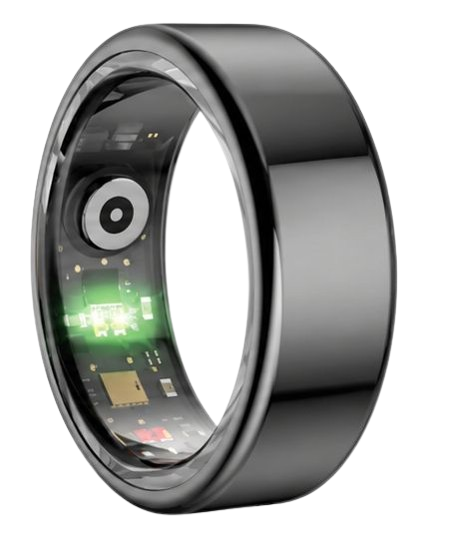
The Herz P1 Smart Ring tracks HRV, Sleep, Heart Rate & SpO2 around the clock. No subscriptions. No renewals. Ever.
In This Article
- Step-by-Step Optimization: How to carefully structure carbohydrates and sleep routines to maximize overnight recovery.
- The Physiological Debate: Exploring insulin mechanics, blood glucose fluctuations, and night carbs physiology.
- Biometric App Integration: Reading resting heart rate and HRV metrics on the Herz P1 companion application.
- Answering Key Sleep Questions: How optical sensors validate structural sleep stages like REM and Deep sleep.
How to Optimize Your Carb Intake for Sleep: A Step-by-Step Biometric Guide
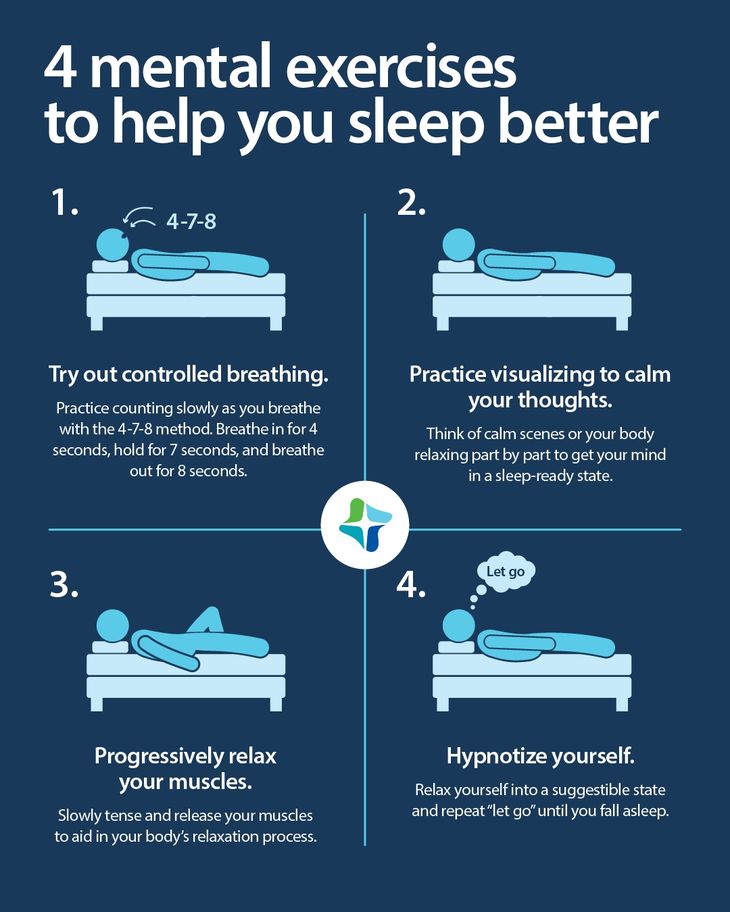
To successfully integrate night carbs into your wellness routine without disrupting metabolic homeostasis, you must apply a structured approach.
Improper timing or bad food choices can turn a potentially helpful sleep aid into a cause of chronic nighttime awakenings.
By understanding how carbohydrates interact with tryptophan synthesis and melatonin, you can make highly informed dietary adjustments.
Prerequisites / What You’ll Need
Before initiating this bedtime carbohydrate protocol, ensure you possess a basic method for monitoring your resting heart rate and sleep patterns.
You will need a selection of complex, low-glycemic carbohydrates rather than simple sugars or heavy, processed meals.
Finally, commitment to a consistent bedtime window is necessary to ensure reliable data collection over a multi-week assessment period.
-
Step 1: Establish Your Ideal Bedtime Eating Window
Consuming night carbs too close to your bedtime forces your digestive system to work heavily when it should be resting.
To avoid elevated body temperature and cardiac strain, schedule your final snack before bed exactly two to three hours before sleeping.
This critical buffer window allows your insulin spike to stabilize before your body enters the initial phases of slow-wave sleep.
Using this schedule also helps your stomach empty completely, preventing uncomfortable acid reflux or late-night digestive discomfort.
If you need evening stamina, explore healthy coffee alternatives for energy earlier in the afternoon to avoid caffeine-induced sleep fragmentation.
-
Step 2: Select High-Quality Complex Carbohydrates
Simple sugars cause rapid spike-and-crash cycles in blood glucose levels that can trigger nocturnal panic responses.
Instead, choose whole-food sources such as sweet potatoes, rolled oats, quinoa, or sprouted-grain bread.
These complex structures release glucose slowly into your bloodstream, maintaining a steady, low-level supply of energy.
This slow release prevents the sudden adrenaline surges that cause early waking or micro-arousals during your sleep cycle.
For ideas on how to combine these ingredients, look up functional bedtime snack recipes for better sleep.
-
Step 3: Pair Carbohydrates with Selected Amino Acids
The main reason do carbs help you sleep is their ability to increase the ratio of tryptophan in your brain.
When you consume complex carbohydrates, the resulting insulin release helps clear competing amino acids from your bloodstream.
This allows tryptophan to cross the blood-brain barrier much more efficiently to synthesize into serotonin and melatonin.
To optimize this process, pair your complex carbs with a small amount of lean protein like turkey, pumpkin seeds, or Greek yogurt.
This synergy creates the ideal chemical foundation for entering deep, restorative sleep stages early in the night.
-
Step 4: Keep Bedtime Portions Under 150 Calories
A heavy meal before sleeping redirects a large portion of your blood volume toward your gastrointestinal tract.
This digestive demand keeps your resting heart rate elevated and prevents your nervous system from relaxing.
To keep digestion quiet, restrict your pre-sleep carbohydrate snack to between 100 and 150 total calories.
This portion size is large enough to trigger tryptophan transport without placing a heavy digestive load on your stomach.
Keep your snacks light and easy to digest so your body can focus on deep-stage cellular repair rather than processing food.
-
Step 5: Document and Analyze Your Overnight Biometrics
Every individual possesses a unique metabolic rate that dictates how they respond to carbohydrate intake before sleep.
You must actively monitor how your evening snacks impact your physiological data over consecutive nights.
Pay close attention to key markers such as resting heart rate dip, sleep latency, and heart rate variability (HRV) trends.
If you notice a drop in your HRV or a high resting heart rate, your evening meal may have been too heavy or too sweet.
Refining these portion sizes based on real-world data allows you to customize your nutrition to your body’s exact recovery needs.
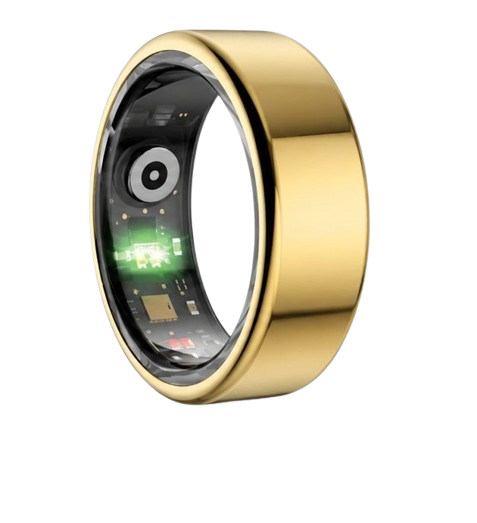
To capture these metabolic adjustments easily, we recommend using the Herz P1 Smart Ring.
Its lightweight design stays comfortable all night, offering real-time biometric tracking to show exactly how your body responds to your evening meals.
The Physiological Debate: Is Eating Carbs Before Bed Bad for Your Heart Rate and Insulin?

Modern nutritional science remains deeply divided on the metabolic consequences of nighttime carbohydrate consumption.
Many dietitians warn that is eating carbs before bed bad due to the risk of overnight insulin resistance.
When you consume carbohydrates, your pancreas releases insulin to transport glucose out of your bloodstream.
During sleep, your metabolic rate naturally drops, meaning your body needs less glucose for immediate energy.
If you eat a large amount of carbohydrates, the excess glucose can circulate longer, causing blood sugar instability overnight.
This blood sugar instability can trigger a release of cortisol and adrenaline, interrupting your sleep architecture and causing you to wake up.
Additionally, processing a heavy meal forces your autonomic nervous system to stay in a sympathetic, active state.
This prevents your heart rate from dropping to its natural resting baseline during the first half of the night.
A high sleeping heart rate directly reduces your overall sleep quality and hinders systemic muscle recovery.
Unlike carbohydrates, which can trigger mild metabolic activity, beverages like alcohol body temperature sleep patterns disrupt your body’s natural cooling cycle and elevate resting heart rates significantly.
For individuals with sensitive systems, choosing calming, glucose-stable alternatives like pregnancy safe hot drinks can help relax the body without causing sudden insulin spikes.
How Carbohydrates Impact Your Sleep Stages: REM vs. Deep Sleep
Studies from the National Sleep Foundation highlight that bedtime nutrients directly impact the balance between REM and deep sleep.
Consuming high-glycemic carbohydrates can lead to shallow sleep, reducing your time in deep, slow-wave sleep stages.
Deep sleep is essential for physical recovery, tissue repair, and maintaining cardiovascular health.
If your body is busy digesting heavy carbs, it may struggle to drop into this deeply restorative physical state.
Conversely, moderate complex carb intake can help stabilize your nervous system by supporting serotonin production.
Serotonin is a key building block for melatonin, the hormone that regulates your sleep-wake cycles.
However, simple sugars can lead to frequent nighttime awakenings, fragmenting your REM sleep cycles.
REM sleep is vital for cognitive processing, memory consolidation, and overall emotional balance.
This disruption is similar to how alcohol sleep rem metrics show significant drops in dream state duration and quality.
To help support cardiovascular health and overall oxygen delivery, incorporating nutrient-dense, oxygen rich foods into your dinner can improve overall cellular recovery.
Keeping a close eye on your weekly sleep metrics can help you spot these patterns easily.
Leveraging the Herz P1 Companion App to Track Your Bedtime Snack Metrics
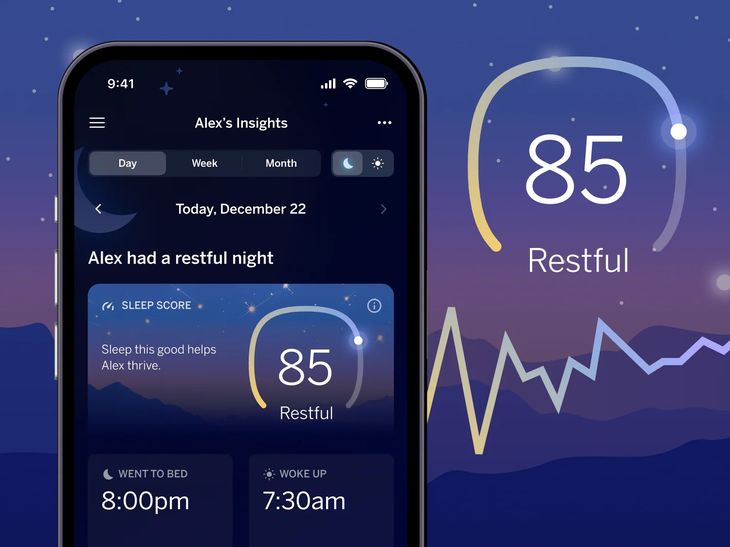
The Herz P1 Smart Ring companion app provides the precise biometric feedback you need to test different bedtime snacks.
By measuring heart rate variability and sleep stages, the app lets you see exactly how your body responds to evening meals.
Every morning, the app generates a detailed sleep score based on your resting heart rate and sleep consistency.
You can easily cross-reference this sleep score with the foods you ate the night before to spot helpful trends.
For instance, you might see that eating sweet potatoes three hours before bed leads to a lower resting heart rate and better recovery.
Conversely, a sugary snack might show up as elevated heart rate readings and fragmented sleep stages.
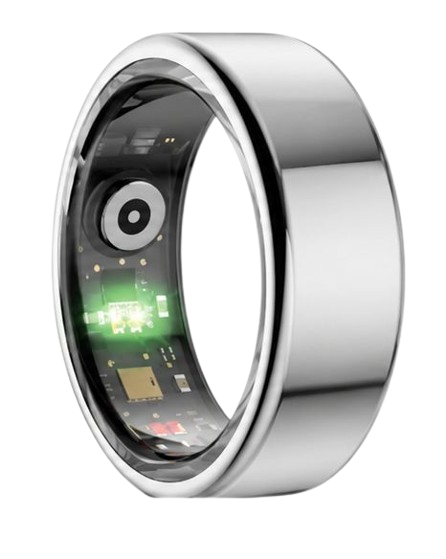
With its light, 3.5-gram military-grade steel design, the Herz P1 is incredibly comfortable to wear all night long.
This comfortable fit ensures continuous, highly accurate sensor contact without the bulk of a typical smartwatch.
The companion app is completely free for life, giving you advanced wellness insights without any annoying monthly subscriptions.
To support your relaxing evening routine, consider replacing alcoholic drinks with herbal teas or mocktail recipes non alcoholic options that support a calm nervous system.
Strategic Alternatives and Common Mistakes to Avoid with Night Carbs
A very common mistake is wearing bulky, heavy smartwatches to bed to track sleep data.
These large devices often shift during the night, leading to inaccurate readings and skin irritation.
They also require daily charging, meaning you often end up missing valuable sleep data when the battery dies.
Many popular wearable brands also lock your health data behind expensive monthly app subscriptions.
At Team Herz P1, we believe your personal health data should always be free and easy to access.
That is why our companion app has zero subscription fees, giving you full access to all your biometric metrics forever.
Another classic dietary mistake is consuming fast-digesting, high-glycemic carbohydrates late at night.
These simple sugars cause rapid spikes and crashes in blood sugar, triggering early morning stress responses.
Pairing your evening carbs with healthy fats or light proteins helps slow digestion and keep your energy levels stable.
By making these simple dietary adjustments, you can keep your body in a calm, resting state all night long.
Frequently Asked Questions About Bedtime Nutrition and Smart Ring Technology
Is the Herz P1 smart ring waterproof enough for daily use and swimming?
Yes, the Herz P1 features a full IP68 waterproof rating, making it completely safe for swimming, showering, and daily wear.
It can withstand continuous water submersion up to 164 feet, allowing you to track your activities in almost any environment.
How long does the Herz P1 battery last on a single charge?
The high-performance battery lasts up to 6 full days under normal 24/7 monitoring conditions.
It also charges incredibly fast, reaching a full 100% charge in less than an hour using the included magnetic cradle.
Which finger is best to wear the Herz P1 on for the most accurate tracking?
For the best signal quality, we recommend wearing the ring on the index, middle, or ring finger of your non-dominant hand.
These fingers have the ideal blood vessel density for the optical sensors to capture highly accurate biometric data.
Does the Herz P1 smart ring store biometric data offline when away from my phone?
Yes, the ring has built-in local memory that securely stores up to 7 days of biometric data offline.
Once you open the app, all your stored metrics sync automatically over a secure Bluetooth connection.
90-Day 100% Money-Back Guarantee
“The Herz Smart Ring helps me manage stress easily. It’s accurate, stylish, and lightweight—perfect for my busy life!”
— Jennifer P. | ✔ Verified Customer
- ✓ 6-Day Battery Life
- ✓ Detailed Sleep Analysis
- ✓ Fast 1-Hour Charging
- ✓ iOS & Android Ready
Questions? Call: 1-866-479-1629
Conclusion
Understanding how your body handles evening carbohydrates is key to unlocking better, more restorative sleep.
The Herz P1 Smart Ring is your trusted health companion, offering clear biometric insights to guide your evening habits.
Ready to monitor your health every day? Explore the Herz P1 Smart Ring and see if it fits your lifestyle. Call: 1-866-479-1629 — our team can help you advise on the correct ring size and set personalized health goals.
Note: Individual results may vary depending on individual health conditions, age, and lifestyle habits. This article is intended for general health reference purposes only.
