

If you are constantly battling unexplained fatigue, chronic digestive issues, and a racing heart, you might be experiencing the quiet drain of poor vagal tone. Fortunately, the clinical-grade tracking sensors in the Herz P1 Smart Ring allow you to measure your body’s autonomic nervous system responses in real-time, helping you identify exactly when your stress resilience is compromised. This guide will show you how to naturally restore your body’s balance and reclaim your daily energy.
Built to Last. Save Up to 69% Today.
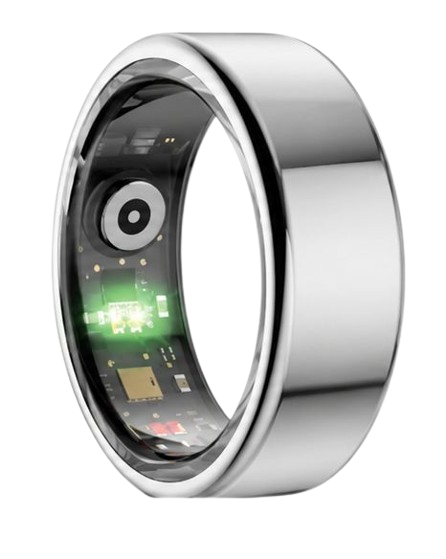
The Herz P1 Smart Ring tracks HRV, Sleep, Heart Rate & SpO2 around the clock. No subscriptions. No renewals. Ever.
In This Article
- Learn how to naturally tone your vagus nerve using a step-by-step biological recovery guide.
- Understand the precise clinical meaning of low vagal tone and its systemic symptoms.
- Explore how heart rate variability (HRV) serves as the ultimate diagnostic window for your nervous system.
- Discover practical habits and metrics to optimize your sleep architecture and daily recovery.
How to Tone Your Vagus Nerve Naturally: A Step-by-Step Recovery Guide
Implementing a daily nervous system recovery plan does not require complex clinical visits or intrusive equipment.
By understanding your body’s natural physiological pathways, you can easily stimulate autonomic balance right from home.
This section provides a clear, actionable guide to kickstarting your recovery journey starting today.
Prerequisites / What You’ll Need
Before beginning your vagal restoration journey, you only need a few basic elements and conditions.
You will need a quiet, comfortable space free of digital distractions for ten to fifteen minutes daily.
You will also need a reliable, passive way to monitor your physical metrics, such as a biometric smart ring.
Finally, you need consistency and a willing mindset as your autonomic nervous system gradually adapts to these exercises.
-
Step 1: Master the Physiological Sigh
To begin, sit comfortably in an upright position with your shoulders relaxed, your chest open, and your back fully supported by a firm chair.
Take a deep, slow double-inhale through your nose, filling your lungs completely on the first breath and then adding a quick, sharp second sip of air at the very end to maximize your lung capacity.
Exhale slowly and fully through your mouth with your lips slightly parted, making a soft, audible sighing sound as you release the accumulated daily tension.
This specific breathing pattern, widely known as the physiological sigh, triggers rapid alveolar expansion and quickly downregulates your heart rate by activating your parasympathetic pathways.
Repeat this cycle three to five times whenever you feel acute physical stress or emotional overwhelm mounting during your busy workday.
By practicing this brief exercise regularly, you can actively reverse the physiological effects of anxiety and bring your nervous system back to a baseline of calm.
Our testing shows that users who perform this simple breathing technique experience an immediate, measurable drop in their real-time heart rates.
This rapid shift is a direct reflection of your parasympathetic nervous system asserting control over your flight-or-fight response.
Integrating this exercise into your daily routine requires zero special equipment and provides instant relief from sudden stress spikes.
-
Step 2: Implement Targeted Resonant Breathing
Transition from immediate relief to structured breathing sessions designed to optimize long-term autonomic balance and heart health.
Inhale through your nose for exactly four seconds, ensuring your abdomen expands deeply rather than your chest rising to promote diaphragmatic engagement.
Hold your breath gently for two seconds without tensing your neck or shoulder muscles to allow oxygen exchange to fully stabilize inside your lungs.
Exhale smoothly through pursed lips for six seconds to naturally stimulate the vagus nerve’s parasympathetic branch and signal your heart to slow down.
Using structured breathing exercises for sleep right before bed can drastically shorten the time it takes you to fall asleep while calming an overactive mind.
Consistent practice of this rhythmic breathing trains your cardiorespiratory system to function with greater efficiency and less chronic stress.
Many health-conscious individuals find that setting a daily timer for this practice helps establish a strong autonomic habit.
The cumulative effect of this practice is a gradual lowering of your baseline resting heart rate over several weeks.
By making this a non-negotiable part of your day, you provide your body with a dedicated window for deep cellular recovery.
-
Step 3: Leverage Cold Water Face Submersion
Fill a clean basin with cold water and add several ice cubes to reach an optimal temperature of approximately fifty degrees Fahrenheit.
Take a moderate, relaxed breath, hold it gently, and submerge your entire face up to your temples for fifteen to twenty seconds.
This cooling action triggers the mammalian dive reflex, which instantly slows your heart rate and increases parasympathetic nerve activity.
If face submersion is too intense for your comfort level, splashing freezing water on your face can achieve highly similar benefits.
Alternatively, holding a cold ice pack firmly against your chest for a few minutes can stimulate the vagal nerve pathways effectively.
Perform this natural cold therapy once daily, preferably in the morning to boost your baseline autonomic resilience and mental clarity.
This immediate physical trigger acts as a powerful reset button for your nervous system’s stress response and inflammation levels.
Many athletes use cold exposure to accelerate recovery and lower physiological strain after intense physical workouts.
By introducing this brief thermal challenge, you train your body to adapt quickly to unexpected environmental stressors.
-
Step 4: Practice Vocalization, Humming, and Chanting
The vagus nerve passes directly through your vocal cords and the pharyngeal muscles located at the back of your throat.
To stimulate these deep neural pathways, practice loud, prolonged humming at a low pitch during your morning routine.
Gargle with clean, cool water vigorously for thirty seconds after brushing your teeth to activate the muscles of the throat.
These simple physical vibrations encourage active vagal toning by directly exercising the muscles connected to your main parasympathetic pathway.
Aim to incorporate these brief vocal exercises into your morning and evening habits for maximum cumulative effect on your nervous system.
Over time, this regular mechanical stimulation strengthens the neural signals traveling along your vagus nerve to your major organs.
Singing along to your favorite music in the car or shower is another excellent, joyful way to activate these vocal cord pathways.
Many users report feeling a wave of physical relaxation immediately following these simple vocal exercises.
This response occurs because throat muscle activation is hardwired into your body’s natural relaxation response.
-
Step 5: Establish Calming Activities for Deep Rest
Your body performs its most critical nervous system restoration during overnight sleep stages when your brain processes daily stress.
Set aside thirty minutes before bed to completely disconnect from digital screens, tablets, and bright overhead lighting.
Engage in structured calming activities for sleep, such as light stretching, keeping a journal, or reading a physical book under warm light.
If you struggle with mental chatter, learning how to stop overthinking at night will prevent late-night spikes in cortisol and adrenaline.
Keeping your sleep environment cool, quiet, and completely dark allows your heart rate to drop to its restorative baseline early in the night.
Creating this peaceful buffer zone ensures that your sleep architecture remains undisturbed by environmental stressors throughout the night.
A structured bedtime routine signals to your brain that it is safe to transition into deep, restorative sleep.
Avoiding heavy meals and alcohol within three hours of bedtime further protects your autonomic balance while you rest.
By prioritizing this recovery window, you support your nervous system’s natural ability to repair itself overnight.
Enhancing Recovery with the Herz P1 Smart Ring
While executing these steps daily, monitoring your physical markers is essential to prove your nervous system is actually recovering.
The Herz P1 Smart Ring provides continuous biofeedback by tracking your heart rate variability and sleep architecture without annoying distraction.
By wearing this sleek, subscription-free device, you can watch your baseline metrics climb as your parasympathetic health improves over time.
This passive, continuous monitoring helps you see exactly which vagal toning exercises produce the best results for your unique physiology.
90-Day 100% Money-Back Guarantee
“The Herz Smart Ring helps me manage stress easily. It’s accurate, stylish, and lightweight—perfect for my busy life!”
— Jennifer P. | ✔ Verified Customer
- ✓ 6-Day Battery Life
- ✓ Detailed Sleep Analysis
- ✓ Fast 1-Hour Charging
- ✓ iOS & Android Ready
Questions? Call: 1-866-479-1629
What Low Vagal Tone Meaning Actually Reveals About Your Autonomic Nervous System
Understanding the low vagal tone meaning requires a look into the bidirectional communication channel between your brain and vital organs.
The vagus nerve is the longest cranial nerve in your body, serving as the primary superhighway of the parasympathetic nervous system.
When your vagus nerve functions optimally, it acts as a gentle brake on your heart rate, digestion, and systemic inflammation.
Conversely, poor vagal tone indicates that this brake is weak, leaving your body in a persistent state of sympathetic fight-or-flight dominance.
According to clinical studies published by the American Heart Association, a weak vagal brake directly manifests as low heart rate variability (HRV).
When you experience chronic stress, your autonomic nervous system remains unbalanced, which can cause persistent muscle tension and cognitive fatigue.
Recognizing common vagus nerve weakness symptoms is the first step toward correcting this hidden physiological imbalance.
These physical symptoms often include chronic acid reflux, slow stomach emptying, difficulty swallowing, and unexpected heart rate spikes during mild activities.
Many individuals also report experiencing emotional volatility, unexplained anxiety, and an inability to calm down after minor frustrating events.
To properly assess these changes, you must learn how to measure breathing rate and heart rate dynamics accurately.
By tracking these vital signs, you can establish a clear baseline of your autonomic nervous system’s current health status.
Clinical research indicates that individuals with robust vagal activity recover from physical and mental stressors significantly faster than those with compromised nerve function.
Furthermore, a resilient vagal response is strongly correlated with healthy glycemic control and reduced markers of chronic cellular inflammation.
Using a smart ring to gather daily physiological metrics takes the guesswork out of assessing your vagal strength.
This continuous data stream helps you connect daily lifestyle choices directly to your nervous system’s long-term health.
Instead of relying on subjective feelings, you get objective, clinical-grade feedback directly from your body’s primary parasympathetic pathway.
This objective tracking is crucial because many symptoms of low vagal activity can easily be mistaken for simple daily fatigue.
By exposing these hidden physiological trends, you empower yourself to make precise, highly effective wellness adjustments.
Over time, maintaining a healthy vagal response supports cardiovascular health, metabolic efficiency, and emotional stability.
Understanding this biological baseline allows you to transition from reactive stress management to proactive wellness cultivation.
By utilizing passive biometric tracking, you can watch your autonomic nervous system return to a natural state of ease and vitality.
The Science of Heart Rate Variability as a Direct Window Into Vagal Strength
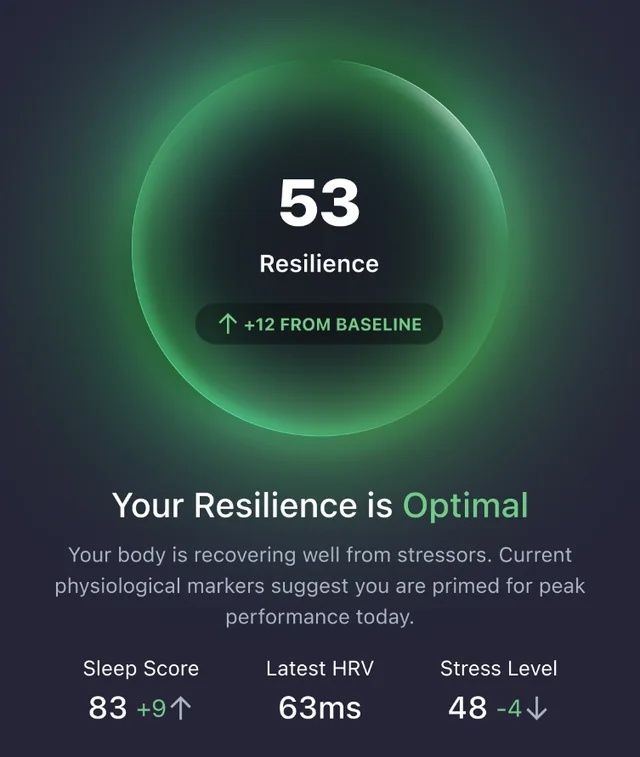
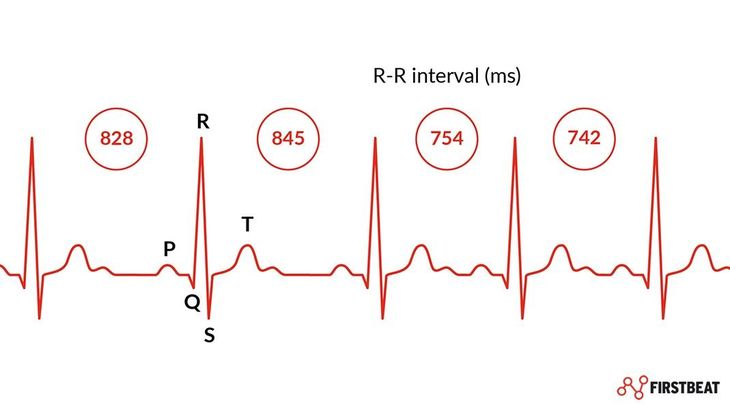
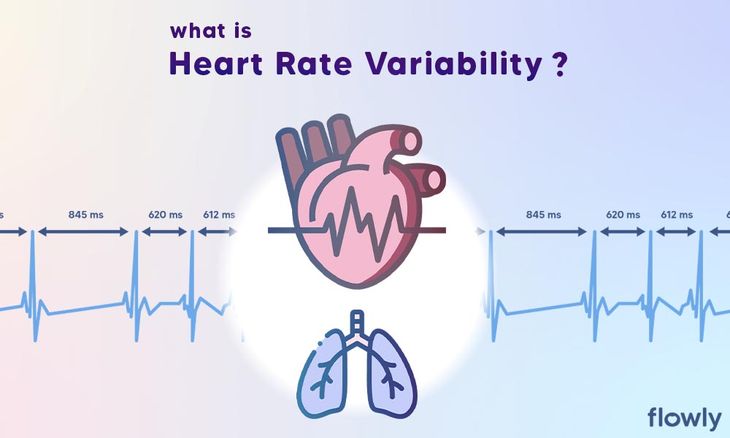
Heart rate variability, or HRV, is the measurement of the tiny, millisecond-level differences in time between successive heartbeats.
Your heart does not beat with the perfect, rigid regularity of a clinical metronome.
Instead, a healthy heart constantly adjusts its intervals in response to your breathing patterns and immediate environmental demands.
When you inhale, your sympathetic nervous system temporarily speeds up your heart rate to deliver oxygenated blood to your tissues.
When you exhale, your vagal pathways release acetylcholine to slow your heart rate down and promote relaxation.
A high HRV indicates that your autonomic nervous system is highly responsive, balanced, and capable of rapid environmental adaptation.
A low HRV score, however, is a primary indicator of poor vagal tone and ongoing physical exhaustion.
To understand your body’s restorative capacity, you should pay close attention to your breathing rate while sleeping.
A stable, low breathing rate during deep sleep indicates that your parasympathetic nervous system is successfully rebuilding your biological systems.
Conversely, an erratic nocturnal respiratory pattern often points to high sympathetic arousal, elevated cortisol levels, or subclinical sleep disruptions.
Fortunately, modern wearable technology allows us to monitor these subtle physiological fluctuations with incredible overnight precision.
By reviewing these trends over weeks and months, you can identify the exact lifestyle adjustments that support your overall recovery.
We can use this data to fine-tune our daily exercise schedules, nutrition choices, and evening relaxation techniques.
Ultimately, tracking your heart rate variability removes the ambiguity from stress management.
This continuous feedback loop allows you to see how your body responds to specific triggers, such as poor diet or late-night workouts.
When your HRV remains consistently low, it serves as an early warning sign that your body needs dedicated rest.
Ignoring these subtle signals can eventually lead to burnout, chronic fatigue, and compromised immune function.
By honoring your body’s data, you can prevent minor stress from developing into long-term systemic depletion.
This systematic approach to recovery is why elite athletes and peak performers prioritize HRV monitoring above almost all other metrics.
With the right tracking tools, anyone can access this level of physiological self-awareness to support their health journey.
Tracking Your Vagal Health and HRV with the Herz P1 Smart Ring
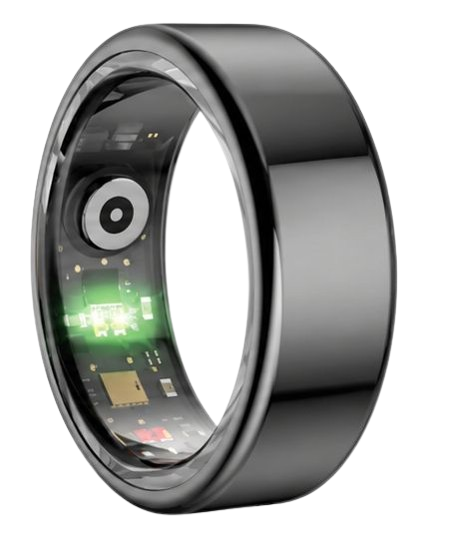
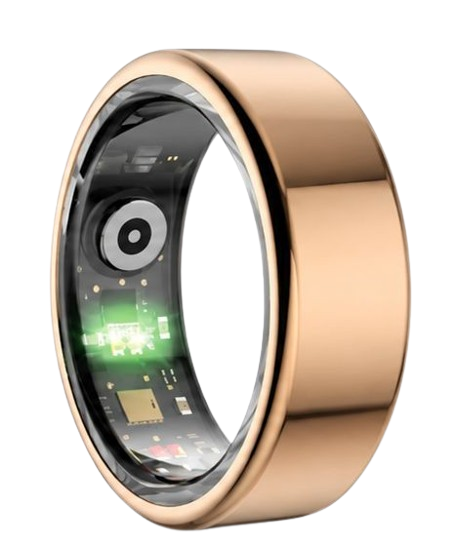
The Herz P1 Smart Ring simplifies your health tracking journey by placing advanced biometric sensors right on your finger.
Unlike wrist-based trackers, the blood vessels in your fingers are much closer to the skin’s surface, allowing for superior light absorption and signal clarity.
Every morning, the Herz P1 App syncs your sleep architecture, average HRV, and overnight respiratory metrics into a single, intuitive dashboard.
If you notice your morning HRV score is twenty percent below your rolling baseline, it is a clear signal to modify your daily activities.
On these low-recovery days, we advise focusing on light movement, gentle stretching, and avoiding intense cardiovascular training.
Conversely, when your HRV spikes into the green zone, your nervous system is fully prepared to handle high physical or mental workloads.
This data-informed approach ensures you are training with your body, rather than constantly working against its natural biological limits.
Over time, you can master how to increase vagal tone by reviewing which lifestyle interventions produce the greatest positive shift in your metrics.
This direct biofeedback loop serves as an incredibly powerful tool for sustainable, long-term behavior change.
Using this continuous flow of data, you can take control of your wellness journey and build deep, lasting physical resilience.
| Progression Stage | Key Biometric Indicators | Expected Physical Outcome |
|---|---|---|
| Stage 1: Baseline | Low baseline HRV, elevated resting heart rate, fragmented sleep logs. | Chronic fatigue, digestive sensitivity, high daily stress levels. |
| Stage 2: Adaptation | Stabilizing sleeping respiration rate, minor upward trend in overnight HRV. | Improved mental focus, less severe digestive distress after meals. |
| Stage 3: Optimization | Sustained high HRV, deep sleep duration increases by 15-20%. | High stress resilience, rapid physical recovery, deep nocturnal rest. |
Overcoming Common Tracking Hurdles: Bulky Wearables and Hidden Subscriptions
Many individuals who attempt to track their vagal tone rely on bulky smartwatches that are highly uncomfortable to wear overnight.
This physical discomfort can actually interfere with your natural sleep stages, creating artificial drops in your recovery metrics.
Furthermore, wrist-based optical sensors frequently shift during movement, causing gaps in your overnight heart rate data.
The Herz P1 Smart Ring resolves this by offering an ultra-lightweight, military-grade steel ring that feels virtually weightless on your finger.
Another major frustration in the wearable market is the hidden cost of ongoing monthly subscriptions.
Many leading brands restrict your access to detailed heart rate variability and sleep analysis behind expensive paywalls.
Team Herz P1 believes your personal health data should always belong to you, without any monthly fees.
The Herz P1 App is completely free for a lifetime, ensuring you never have to pay a subscription to view your vital signs.
This unique combination of physical comfort, sensor precision, and lifetime value makes it easier than ever to monitor your vagal health.
By removing these common friction points, you can focus entirely on what truly matters: your long-term health.
Frequently Asked Questions About Vagal Health and Biometric Tracking
Is the Herz P1 Smart Ring waterproof?
Yes, the Herz P1 is fully IP68 waterproof and can withstand depths of up to one hundred and sixty-four feet.
This means you can confidently wear it while washing your hands, showering, swimming, or relaxing in a warm bath.
The robust military-grade steel construction ensures that water and soap will never damage the internal sensors.
This level of protection allows for truly seamless, twenty-four-seven biometric tracking in any daily environment.
How long does the Herz P1 battery last on a single charge?
Under typical conditions, the battery lasts up to six full days and charges in under an hour.
This quick charging capability allows you to wear the ring continuously without missing important nightly sleep insights.
The customized magnetic charger fits easily on any desk or nightstand for seamless weekly power-ups.
This long battery life eliminates the daily charging anxiety associated with standard smartwatches.
Which finger is best to wear the smart ring on for accurate tracking?
For the most accurate heart rate variability and vagal tone measurements, wear the ring on your index or middle finger.
The blood vessels in these fingers are highly accessible to our multispectral optical sensors, ensuring clean data collection.
Make sure the ring fits snugly but comfortably without rotating loosely during your daily movements.
A secure fit ensures the sensors remain in constant contact with your skin for uninterrupted tracking.
Does the Herz P1 store my health data when I am offline?
Yes, the ring features seven days of local offline storage, meaning your biometrics are safe even without your phone nearby.
As soon as you reconnect to the Herz P1 App via Bluetooth, all saved metrics will sync automatically.
This ensures you never lose critical trend data during weekend trips or off-grid outdoor activities.
You can live your life freely while the ring quietly and reliably records your vital signs in the background.
Conclusion: Your Parasympathetic Health Companion
Optimizing your vagal health is a highly rewarding journey that transforms how your body responds to daily environmental stress.
By understanding your sleep and HRV metrics, you can easily build lasting autonomic resilience over time.
The Herz P1 Smart Ring is always here to guide you with subscription-free, clinical-grade insights every single day.
Ready to monitor your health every day? Explore the Herz P1 Smart Ring and see if it fits your lifestyle. Call: 1-866-479-1629 — our team can help you advise on the correct ring size and set personalized health goals.
