

As temperatures plunge, many find themselves sleeping winter nights away for much longer than usual, a seasonal phenomenon supported by data showing humans average nearly an extra hour of rest during the colder months. Our team at Herz P1 has analyzed extensive sleep data to explain how this sleeping winter trend impacts your biology and how you can manage your daily energy levels. Let us dive into the biological reasons behind winter fatigue and explore practical, biometric-driven solutions to keep you thriving.
Built to Last. Save Up to 69% Today.
The Herz P1 Smart Ring tracks HRV, Sleep, Heart Rate & SpO2 around the clock. No subscriptions. No renewals. Ever.
In This Article
- How to Align Your Circadian Rhythm and Boost Winter Energy: A Step-by-Step Guide
- The Biological Drivers of Winter Sleep: Melatonin, Light, and Core Temperature
- Tracking Your Winter Rest: The Role of Sleep Stages, SpO2, and HRV
- Optimizing Your Winter Routine with Biometric Health Tracking
- Overcoming Common Mistakes in Winter Health Tracking
How to Align Your Circadian Rhythm and Boost Winter Energy: A Step-by-Step Guide
To master your winter energy, you must understand how seasonal changes impact your body.
You will need a consistent waking time, daily exposure to natural light, a cool bedroom environment, and a reliable method to monitor your biometric recovery metrics.
By implementing these physical changes, you can align your internal clock and eliminate morning grogginess.
-
Step 1: Expose Your Eyes to Morning Sunlight Immediately After Waking
Natural sunlight is the primary external cue that resets your master internal circadian clock.
You should step outside or stand near a bright window for at least ten to fifteen minutes within an hour of rising.
This simple action halts melatonin production immediately and signals to your brain that the active day has officially begun.
It helps prevent the lingering, heavy grogginess often associated with dark, cold winter mornings.
If natural sunlight is unavailable, utilizing a high-intensity seasonal affective disorder lamp can provide a similar biological cue.
-
Step 2: Maintain a Cool, Thermally Optimized Bedroom Environment
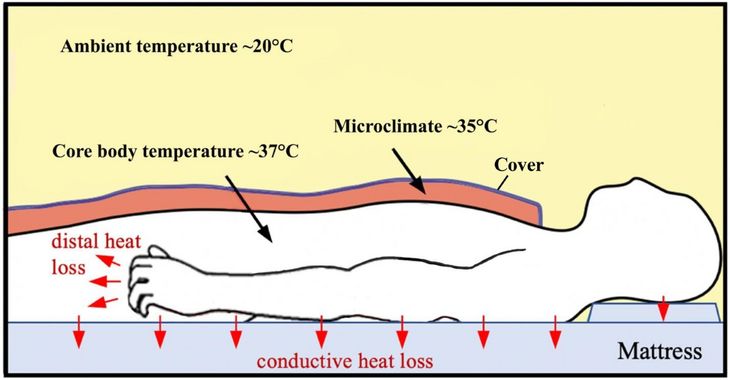
Your body naturally needs to drop its internal temperature to initiate deep, restorative sleep phases.
Keep your bedroom temperature between sixty and sixty-seven degrees Fahrenheit during winter nights.
Avoid piling on too many heavy, non-breathable blankets that trap body heat and elevate your skin temperature.
You can refer to our guides on hot weather sleep tips to understand how extreme ambient heat affects rest, but managing cold environments is equally crucial.
Use thin, breathable layers combined with high-quality bedding to allow natural core body temperature drops without feeling uncomfortably cold.
-
Step 3: Establish a Consistent Wind-Down Routine Before Bed
Eliminate bright screens and blue light at least sixty minutes before your planned sleep time.
Bright screens trick your brain into thinking it is still daytime, which severely delays vital overnight recovery cycles.
Engage in relaxing activities like light stretching, reading a physical book, or practicing deep breathing exercises.
This practice reduces your physiological stress index and prepares your autonomic nervous system for deep sleep.
Lowering your evening heart rate ensures that your recovery metrics remain high throughout the night.
-
Step 4: Keep a Uniform Sleep and Wake Schedule Every Single Day
Going to bed and waking up at the exact same time every day stabilizes your biological sleep architecture.
Try not to sleep in on weekends, even if the cold weather makes staying in bed highly tempting.
Keeping a consistent schedule ensures your body moves through natural sleep cycles efficiently.
Disrupting this schedule leads to social jetlag, leaving you chronically exhausted on Monday mornings.
A stable wake-up time is the single most powerful anchor for a healthy circadian rhythm.
-
Step 5: Monitor Your Recovery Metrics to Guide Daily Exercise and Activity
Use your daily recovery data to decide how hard you should push during your workouts.
If your morning Heart Rate Variability score is low, choose a lighter active recovery session instead of heavy lifting.
When your recovery metrics are high, you can safely undertake more challenging physical training.
This data-driven approach prevents seasonal overtraining and ensures your winter energy levels remain stable.
Tracking your heart rate trends over time lets you know exactly when your body requires a dedicated rest day.
Enhancing Your Journey with the Right Technology
To track these five steps with extreme precision, the Herz P1 Smart Ring offers real-time physiological insights without distracting screens.
By wearing the Herz P1, you can effortlessly monitor how your bedtime choices directly improve your sleep metrics.
Discover how this elegant, subscription-free tracking ring can elevate your daily wellness journey by visiting our official Herz P1 Store today.
The Biological Drivers of Winter Sleep: Melatonin, Light, and Core Temperature
Many health-conscious people ask: do people sleep more in winter as a natural biological response?
The short answer is yes, because our bodies are deeply responsive to seasonal environmental shifts.
According to research from the National Sleep Foundation, the primary culprit behind winter fatigue is the reduction in daily sunlight.
Shorter days and longer nights lead to prolonged melatonin production in the human body.
Melatonin is the primary hormone responsible for signaling sleepiness to your brain.
When the sun sets early, your body starts producing melatonin much earlier in the evening.
This natural biochemical shift explains why do i sleep so much in the winter compared to the bright summer months.
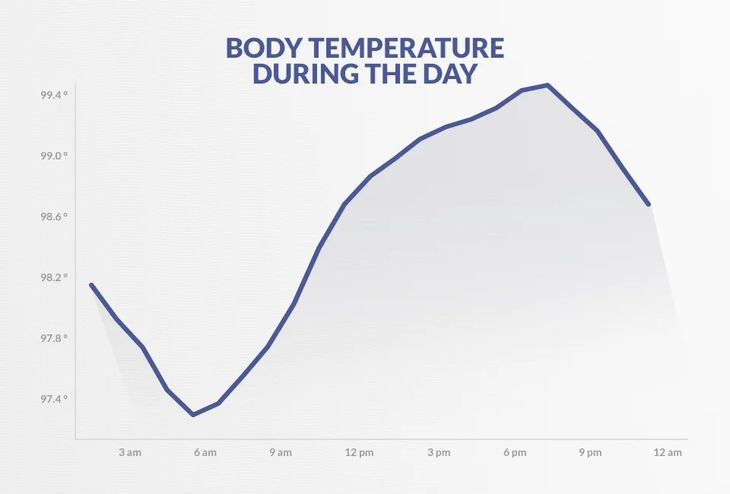
Additionally, cold outdoor temperatures can influence your body’s internal thermoregulation systems.
You can learn about daily shifts by reading about body temperature fluctuations during the day.
In winter, our bodies naturally crave more rest because of these intense environmental pressures.
But do we need more sleep in winter from a physiological standpoint?
Most sleep experts suggest that while our sleep drive increases, our actual biological requirement for sleep remains relatively stable around seven to nine hours.
The feeling of needing more rest is often a result of lowered sleep quality rather than a true biological need for ten hours of sleep.
By tracking your nocturnal biometrics, you can determine if you are getting high-quality rest or just spending extra time in bed.
Many users notice they experience sleeping more in winter but waking up feeling less refreshed.
This occurs when the circadian rhythm becomes desynchronized from the external light-dark cycle.
It is entirely normal to feel a greater desire to sleep during cold, dark seasons.
Knowing is it normal to sleep more in winter helps alleviate anxiety about seasonal fatigue.
You are not experiencing a lack of willpower; your body is simply responding to evolutionary cues.
Understanding why do i sleep more in winter allows you to work with your biology instead of fighting it.
By using biometric insights, you can adjust your lifestyle to maintain high energy levels even during the darkest winter months.
Tracking Your Winter Rest: The Role of Sleep Stages, SpO2, and HRV
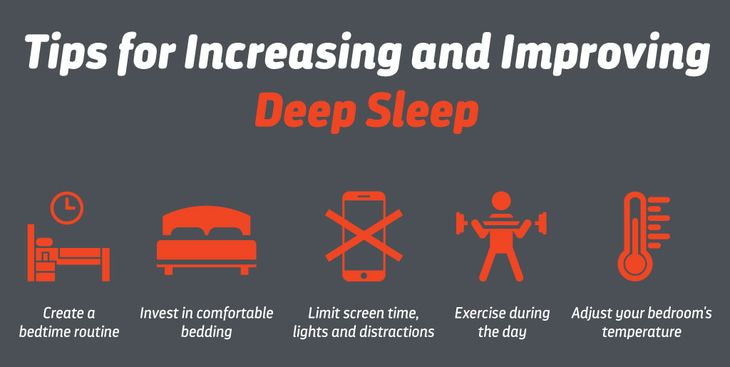
To understand why you might feel sluggish, you must look closely at your overnight sleep zones.
Sleep is divided into distinct light, deep, and rapid eye movement (REM) cycles.
During winter, disruptions in your circadian rhythm can lead to less time spent in deep, restorative sleep.
Deep sleep is essential for physical recovery, cellular repair, and immune system strength.
REM sleep supports cognitive function, memory consolidation, and emotional regulation.
If your body is too warm due to heavy winter blankets, your deep sleep percentages will plummet.
A high-quality wearable device can monitor these shifts by measuring your heart rate and movement patterns.
Another critical metric is your blood oxygen saturation, or SpO2, during sleep.
Low oxygen levels can indicate minor breathing disruptions that severely fragment your sleep architecture.
Cold, dry winter air can sometimes irritate airways, causing breathing changes that affect SpO2.
Simultaneously, tracking Heart Rate Variability (HRV) helps you assess your autonomic nervous system’s balance.
The American Heart Association notes that a higher HRV generally indicates a well-rested, highly adaptable heart.
HRV is a powerful indicator of how well your body is coping with daily physical and mental stress.
You can reference the chart on typical hrv by age to see where your baseline falls.
While we often focus on warm weather sleep solutions like smart ring summer sleep tips, winter presents unique biometric challenges.
Our team at Herz P1 has gathered data from thousands of users showing that winter sleep fragmentation is highly common.
When you monitor these metrics daily, you can pinpoint the exact habits that disrupt your rest.
For example, you might discover that drinking alcohol close to bedtime destroys your HRV and deep sleep cycles.
Armed with this data, you can make lifestyle changes that yield immediate, measurable improvements.
Consistent tracking removes the guesswork and helps you build a highly personalized recovery routine.
Optimizing Your Winter Routine with Biometric Health Tracking
Our team at Herz P1 has designed an intuitive app that presents your health data clearly.
Every morning, you receive a comprehensive Sleep Score based on your sleep stages and heart rate.
If your Sleep Score is low, the app suggests subtle lifestyle adjustments to improve your next night’s rest.
For instance, it might recommend shifting your dinner time earlier to prevent late-night digestion from raising your heart rate.
You can also track how your body responds to seasonal changes using temperature trends.
This is highly useful for women who want to understand body temperature and menstruation patterns during the cold season.
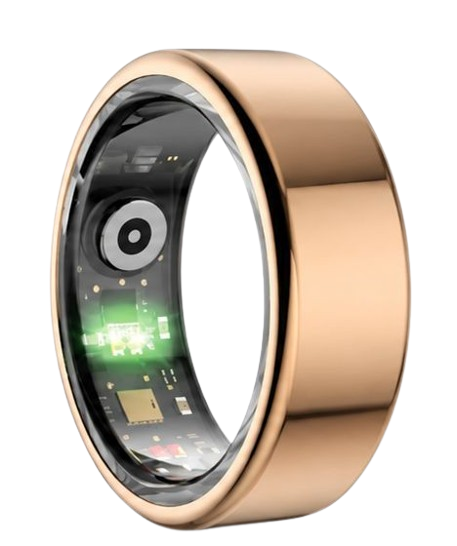
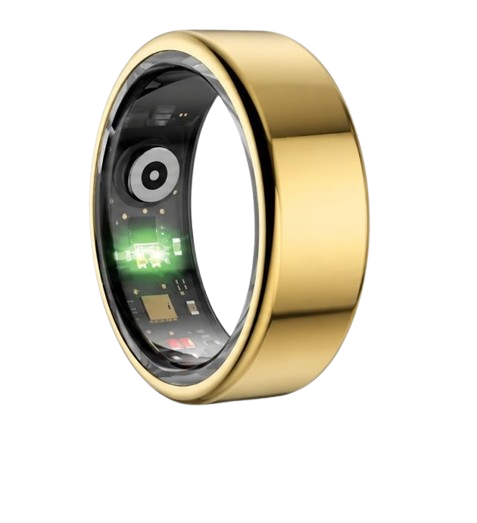
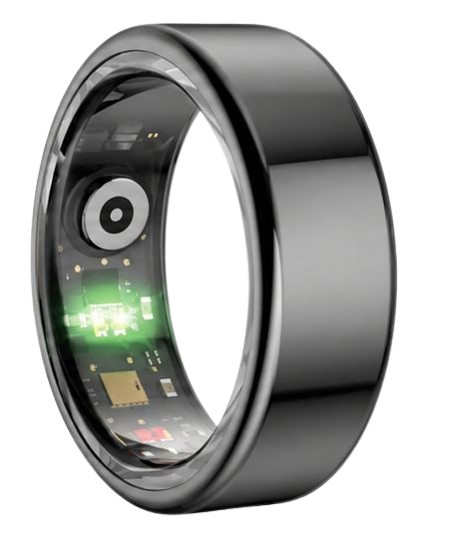
Unlike heavy smartwatches, the Herz P1 Smart Ring is incredibly lightweight and comfortable for 24/7 wear.
You will barely notice it on your finger while you sleep, exercise, or work.
Consistent day-and-night tracking gives you a complete, uninterrupted picture of your seasonal wellness.
The device utilizes multi-wavelength optical sensors to ensure exceptional biometric accuracy.
It reads heart rate, SpO2, and HRV trends directly from the abundant capillary network in your finger.
This tracking methodology provides a much cleaner signal than wrist-worn sensors can offer.
By reviewing your historical trends, you can easily see if your health is improving over the winter months.
The companion app updates automatically and requires absolutely no paid subscription.
This ensures you have lifetime access to your vital health metrics without recurring costs.
Taking control of your biometric data is the fastest way to conquer seasonal fatigue.
Overcoming Common Mistakes in Winter Health Tracking
Many people make the mistake of wearing a bulky, heavy smartwatch to bed in an attempt to track their sleep.
These large devices often catch on winter blankets and disrupt your natural sleep cycles.
Furthermore, smartwatches frequently require daily charging, leading to tracking gaps when they run out of power overnight.
Another significant pitfall is investing in devices that require expensive, recurring monthly subscriptions just to view your health data.
We believe your health data should belong to you without any hidden fees or ongoing paywalls.
The Herz P1 Smart Ring comes with a completely free companion app for life.
You can easily compare your winter data with summer metrics, like those discussed in our guide on summer night temperature tracking, without paying a dime.
This allows you to observe long-term seasonal trends across years without stress.
Our military-grade steel construction ensures the ring can handle daily wear, workouts, and handwashing with ease.
With an IP68 waterproof rating, you never have to remove it when showering or swimming.
This continuous wearability eliminates the tracking gaps common with other wearable devices.
By avoiding these common mistakes, you ensure that your health journey remains smooth and highly accurate.
Investing in a seamless, subscription-free device like the Herz P1 is a smart choice for long-term health tracking.
Frequently Asked Questions (FAQ)
Yes, the Herz P1 features a robust IP68 waterproof rating.
This means it is fully protected against dust ingress and can withstand continuous immersion in water up to 164 feet deep.
You can safely wear it while swimming, showering, washing your hands, or washing dishes without worry.
The Herz P1 Smart Ring offers an impressive battery life of up to 6 days on a single charge.
When the battery runs low, it charges fully in under 1 hour using the included magnetic charging cradle.
This long-lasting battery life ensures continuous, uninterrupted sleep and activity tracking.
For the highest level of biometric accuracy, we recommend wearing the Herz P1 on your index, middle, or ring finger.
The index finger generally has the strongest blood flow, making it ideal for optical sensors.
Ensure the ring fits snugly but comfortably without rotating too easily on the finger.
Yes, the Herz P1 has built-in local memory that can store up to 7 days of health data offline.
You do not need to keep your phone nearby or connected to Bluetooth at all times.
The next time you open the app, your stored data will sync automatically in seconds.
90-Day 100% Money-Back Guarantee
“The Herz Smart Ring helps me manage stress easily. It’s accurate, stylish, and lightweight—perfect for my busy life!”
— Jennifer P. | ✔ Verified Customer
- ✓ 6-Day Battery Life
- ✓ Detailed Sleep Analysis
- ✓ Fast 1-Hour Charging
- ✓ iOS & Android Ready
Questions? Call: 1-866-479-1629
Conclusion
Mastering your winter sleep patterns is the key to maintaining energy all year.
The Herz P1 Smart Ring delivers precise, subscription-free biometric insights to help you thrive.
Explore the Herz P1 Smart Ring and elevate your daily lifestyle.
Call: 1-866-479-1629 — our team will help you find the perfect size and set personalized wellness goals.
Note: Individual results may vary depending on individual health conditions, age, and lifestyle habits. This article is intended for general health reference purposes only.
