

Are you struggling to find a natural way to optimize your nightly recovery and clear away deep muscle tension? Understanding the true physiological 1 hour sauna benefits can unlock a whole new level of restorative sleep and autonomic balance. We designed the Herz P1 Smart Ring to track how your nervous system responds to this exact type of deep thermal recovery. Let us dive into the clinical science behind extended heat therapy.
Built to Last. Save Up to 69% Today.
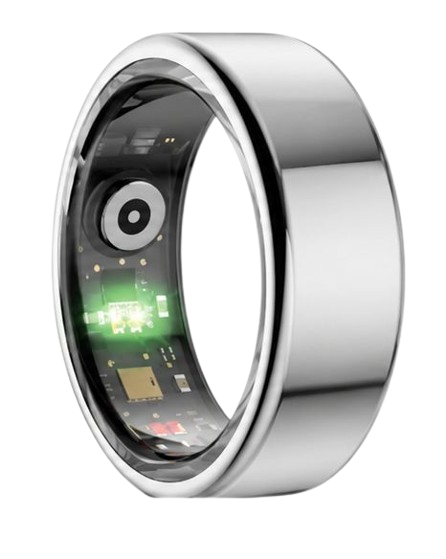
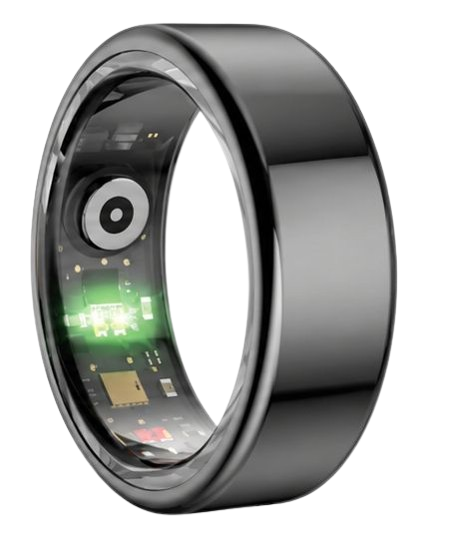
The Herz P1 Smart Ring tracks HRV, Sleep, Heart Rate & SpO2 around the clock. No subscriptions. No renewals. Ever.
In This Article
- How to Structure a Safe 60-Minute Session: Step-by-step instructions for thermal protocols.
- The Cardiovascular Impact: Scientific analysis of blood flow and heart rate variability changes.
- Sleep Architecture Modulations: How thermal therapy directly influences deep sleep and REM cycles.
- Real-World Biometrics: How to track your recovery markers cleanly without any subscription fees.
How to Execute a Safe and Effective 1-Hour Sauna Protocol
Spending an extended block of time in heat therapy requires deliberate structure to avoid cardiorespiratory strain.
A continuous one-hour block of extreme heat can lead to dangerous dehydration and thermal exhaustion.
Instead, a proper protocol splits the total sixty minutes into digestible, highly effective intervals.
By breaking the session down, you allow your body to adjust to heat shock proteins without triggering a dangerous stress response.
Prerequisites for Thermal Conditioning
Before you begin, ensure you have sixteen ounces of mineral-rich water or electrolyte fluid ready.
Ensure you are not digesting a heavy meal, as this redirects vital blood flow away from thermoregulation.
Lastly, prepare a quiet resting space with a clean towel directly outside of the heat source.
-
Step 1: Hydrate and Measure Baseline Vitals
Drink eight ounces of water fifteen minutes before entering the heat cabin.
Sit quietly and let your resting heart rate settle to its natural baseline.
Checking your baseline biomarkers helps you understand if your nervous system is ready for intense thermal stress.
Avoid entering if your resting heart rate is elevated or if you feel pre-existing physical fatigue.
-
Step 2: Complete the First 20-Minute Thermal Cycle
Enter the environment and sit on the lower bench where the air temperature is slightly lower.
Relax your shoulders and breathe slowly through your nose to warm your respiratory system.
As your skin temperature rises, your blood vessels will dilate to release internal body heat.
Exit immediately if you experience lightheadedness, throbbing temples, or sudden chills.
-
Step 3: Execute a 10-Minute Active Cool-Down
Exit the cabin and immediately wrap yourself in a dry cotton towel.
Sit in a room-temperature environment or take a lukewarm shower to rinse away excreted sweat.
Avoid diving straight into ice water during this initial step, as the sudden shift can cause rapid blood pressure spikes.
Sip four ounces of cool water to replenish lost fluids while your respiratory rate stabilizes.
-
Step 4: Complete the Second 20-Minute Thermal Cycle
Re-enter the cabin and move to the middle or upper bench if your body has adapted comfortably.
This second cycle is where your core body temperature rises to its therapeutic peak.
You will experience heavy sweating, which is the body’s natural defense mechanism working at maximum efficiency.
Focus on slow, rhythmic abdominal breathing to keep your autonomic nervous system from entering a panic state.
-
Step 5: Final Cool-Down and Rehydration Phase
Step out of the heat and complete your final cooling process with a cold shower or cool air exposure.
Drink the remaining eight ounces of mineral-rich water to balance your intracellular sodium and potassium levels.
Allow at least thirty minutes of quiet downtime before transitioning directly to your evening sleep space.
This allows your core system to plunge into a highly restorative state that promotes deep recovery.
To truly understand if this protocol is helping your body recover, you need to track your daily autonomic trends.
The Herz P1 Smart Ring continuously tracks your biometric variables like HRV and sleep staging throughout the entire night.
It allows you to verify if your heat protocols are successfully shifting your nervous system into restorative parasympathetic dominance.
90-Day 100% Money-Back Guarantee
“The Herz Smart Ring helps me manage stress easily. It’s accurate, stylish, and lightweight—perfect for my busy life!”
— Jennifer P. | ✔ Verified Customer
- ✓ 6-Day Battery Life
- ✓ Detailed Sleep Analysis
- ✓ Fast 1-Hour Charging
- ✓ iOS & Android Ready
Questions? Call: 1-866-479-1629
The Cardiovascular and Nervous System Impact of 60 Minute Sauna Session Benefits
When you utilize sauna heat therapy health protocols, your cardiovascular system experiences a workout-like stimulus.
The heat triggers vasodilation, which pushes blood flow directly to the skin surface to promote cooling.
According to studies shared by the American Heart Association, heart rate can increase up to one hundred and twenty beats per minute during active sessions.
This simulates mild to moderate cardiovascular exercise while your skeletal muscles remain completely at rest.
As a result, your cardiorespiratory recovery rate begins to improve over several weeks of consistent usage.
Using a sauna twice a day is a route some advanced athletes take to accelerate cardiovascular conditioning.
However, a singular, structured 60-minute session remains the gold standard for daily recovery.
This structural window allows the body to accumulate heat shock proteins without creating metabolic overtraining.
Heat shock proteins play an essential role in cellular repair by folding damaged proteins back into their functional shapes.
Furthermore, this thermal stress triggers an elevation in growth hormone secretion, which accelerates muscular repair.
The transition from heat to cool also stimulates a robust autonomic nervous system response.
During the heat phase, your sympathetic nervous system is active to manage the temperature stress.
Once you cool down, your parasympathetic nervous system takes over with a powerful rebound effect.
This rebound dramatically increases your heart rate variability (HRV) during your sleep cycles.
A higher nocturnal HRV indicates that your body is recovering efficiently and managing physical stressors.
Tracking these autonomic trends over time is the best way to verify if your recovery protocols are working.
How Sauna Thermal Therapy Enhances Sleep Architecture and Sleep Quality
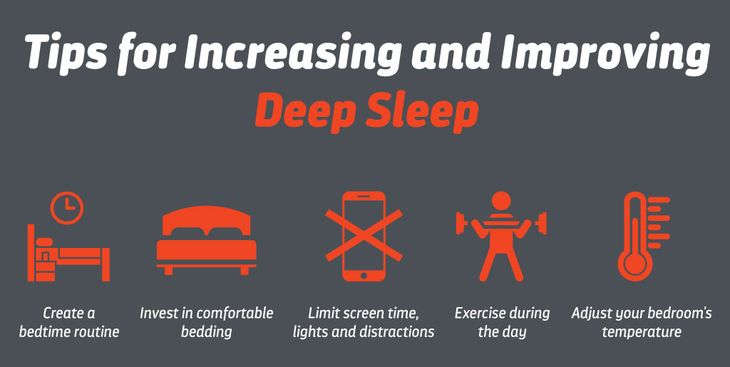
The relationship between thermal regulation and deep slow-wave sleep is deeply established in modern sleep science.
To initiate high-quality sleep, your core body temperature must drop by approximately two degrees Fahrenheit.
Using a sauna session to artificially raise your core temperature causes a rapid cooling process once you exit.
This rapid downward temperature slide serves as a powerful biological signal to your brain that it is time to sleep.
Using a structured sauna before bed routine accelerates this natural circadian drop.
This thermoregulatory drop works on the same scientific principles as a warm bath for sleep, but operates on a much larger scale.
The National Sleep Foundation highlights that the quality of your deep sleep stages depends heavily on successful core cooling.
This thermal decline increases slow-wave sleep duration, which is when your brain cleanses itself of metabolic waste.
Additionally, the intense heat stimulates the production of immune-modulating cells.
Implementing a protocol utilizing a sauna for immune system health helps shield your system during high-fatigue training cycles.
Many wellness enthusiasts alternate between traditional saunas and an infrared sauna for sleep enhancement.
An infrared sauna uses light waves to heat your tissues directly rather than heating the surrounding ambient air.
Regardless of the heat source, the fundamental physiologic key is the subsequent cool-down phase.
The underlying goal is to maximize your time spent in restorative deep sleep stages while lowering nocturnal wakefulness.
By tracking your sleep staging with a high-accuracy biometric tracker, you can pinpoint the exact time window that works best for you.
Some individuals find a two-hour gap before bed is perfect, while others require three hours to cool completely.
Consistent tracking takes the guesswork out of your night-time recovery routine.
Practical Application Guide: Deciphering Your Nightly Recovery Biometrics
The metrics gathered by your wearable device are useless if you do not know how to read them.
First, monitor your resting heart rate (RHR) trends over a seven-day moving average.
A sudden drop in your nightly RHR after introducing sauna sessions confirms your cardiorespiratory recovery rate is improving.
Second, look closely at your continuous Blood Oxygen Saturation (SpO2) readings during your deep sleep stages.
Stable SpO2 levels around ninety-five to one hundred percent show your respiratory system is recovering cleanly.
Third, analyze your nightly sleep stage percentages via your companion app dashboard.
You want to see deep sleep make up at least fifteen to twenty percent of your total sleep duration.
To build a consistent lifestyle routine, use these seasonal hot weather sleep tips to manage your indoor sleeping temperature during summer months.
Combining external climate control with internal thermal regulation creates the perfect sleeping environment.
The lightweight structure of a smart ring makes it the perfect tool to capture these metrics comfortably without the bulk of a smartwatch.
You can sleep, move, and recover without feeling a tight strap around your wrist all night.
Overcoming Heat Risks and Sizing Pitfalls
One of the most common mistakes users make is wearing bulky smartwatches to bed to track their recovery data.
The heavy, irritating screen of a smartwatch can disrupt natural sleep positioning and cause micro-awakenings.
Additionally, many wearable brands charge hidden monthly subscription fees just to unlock your own bio-data.
We believe your personal health metrics should belong to you forever without any paywalls or ongoing charges.
Another major mistake is ignoring hydration signs during extended sixty-minute heat protocols.
Never attempt to stay in a high-heat environment for a continuous hour without planned breaks.
Always match your sauna sessions with mineral-rich fluids to protect your kidneys and maintain optimal blood pressure trends.
Frequently Asked Questions About Smart Rings and Recovery
Is the Herz P1 Smart Ring waterproof?
Yes, the Herz P1 is IP68 certified waterproof up to 164 feet, making it fully safe for swimming, showers, and cold plunges.
How long does the battery last on the Herz P1?
The high-density battery lasts up to 6 days on a single charge and can replenish fully in under 1 hour.
Which finger is best to wear the smart ring on?
For the highest biometric sensor accuracy, we recommend wearing the ring on your index, middle, or ring finger.
Does the Herz P1 store data offline if my phone is away?
Yes, the ring has secure local flash storage that saves up to 7 days of biometric data until your next app sync.
Can I wear the Herz P1 inside a hot sauna?
Like all high-end smart rings containing lithium-ion batteries, exposure to ambient temperatures exceeding 140°F (60°C) is not recommended as it can degrade battery health over time. For the safest and most accurate results, we recommend wearing the ring immediately before and after your sauna sessions to capture the clean baseline shifts and the massive parasympathetic recovery rebound that happens during your post-sauna cooldown.
Biometric Tracker Feature Comparison
See how the Herz P1 Smart Ring stack up against typical fitness trackers on the market today:
| Feature Metric | Herz P1 Smart Ring | Typical Bulky Smartwatch |
|---|---|---|
| Monthly Subscription Fee | $0 (Free App For Life) | Up to $10/month subscription |
| Material & Durability | Military-Grade Steel & IP68 | Standard plastic/aluminum casing |
| Battery Life | Up to 6 Days | 1 to 2 days (requires daily charging) |
| Sleep Tracking Comfort | Extremely Lightweight Ring Format | Bulky wrist strap that catches on sheets |
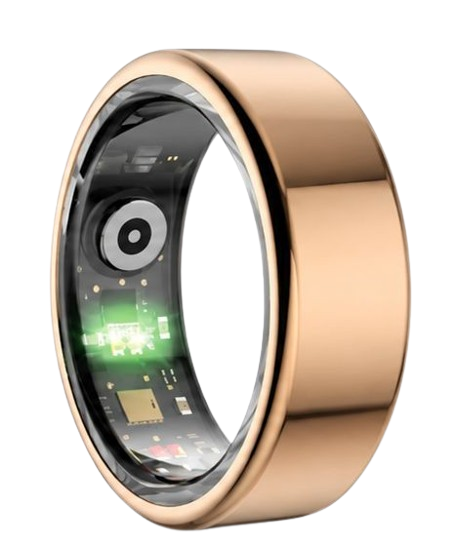
Taking control of your recovery metrics is the fastest way to build sustainable energy and mental clarity. Let the Herz P1 Smart Ring become your subscription-free wellness companion. Ready to discover your optimal recovery habits? Call our size-consulting team today at 1-866-479-1629 to lock in your discount and find your perfect fit.
Note: Individual results may vary depending on individual health conditions, age, and lifestyle habits. This article is intended for general health reference purposes only.
