

Many smart wearable users unlock their daily health dashboards and ask: is core sleep light sleep or is there a functional biological difference between these tracking metrics? Understanding how modern biometrics classify your nightly rest is essential for true recovery, and the subscription-free Herz P1 Smart Ring is engineered to decode these exact signals with military-grade precision to help you optimize your health journey every single day.
Built to Last. Save Up to 69% Today.
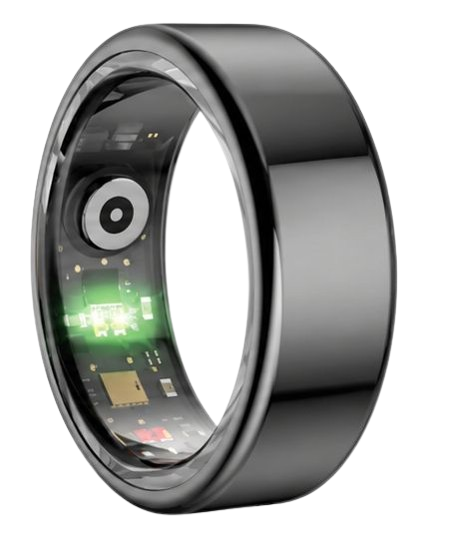
The Herz P1 Smart Ring tracks HRV, Sleep, Heart Rate & SpO2 around the clock. No subscriptions. No renewals. Ever.
In This Article
- Demystifying Sleep Stages: Discover the exact biological definitions of core sleep versus light sleep.
- How Optical Sensors Map Rest: Learn how modern smart rings track cardiac rhythms and movement overnight.
- Actionable Wearable Insights: Use heart rate variability and blood oxygen trends to master your daily performance.
- Eliminating Hidden Wearable Costs: Compare long-term ownership values to avoid unexpected monthly subscriptions.
Is Core Sleep Light Sleep? A Wearable Sleep Staging Guide

To understand your nightly recovery, you must first define what core sleep actually means in modern biometric terms.
Essentially, core sleep is the term used by specific proprietary algorithms to describe a combination of transitional sleep periods.
Many users wonder is core sleep deep or light when reviewing their morning summary dashboard.
Technically, core sleep refers primarily to light sleep, specifically representing stages N1 and N2 of the non-rapid eye movement phase.
This phase is distinct from the highly restorative deepest sleep stage and the cognitive processing of REM sleep.
During this stage, your brainwaves begin to slow down from their alert waking frequencies.
However, your mind remains sensitive to external stimuli like sudden noises or light changes.
This physiological distinction matters directly to health-conscious individuals, busy professionals, and athletes seeking to optimize their recovery.
Anyone who wears a smart tracker to bed relies on these classifications to evaluate mental and physical restoration.
Understanding these stages helps you identify whether your fatigue stems from fragmented transitional sleep or a genuine lack of deep rest.
Busy executives often find that high cognitive stress shifts their sleep ratio, causing an excess of core sleep at the expense of deep sleep.
Athletes also require this breakdown to ensure their physical training load is balanced by sufficient deep tissue recovery.
Monitoring these stages becomes critical when you experience unexplained daytime fatigue or a drop in athletic performance.
It is especially vital during periods of high stress when sleep fragmentation increases.
Tracking these metrics over weeks reveals long-term trends rather than just isolated nightly fluctuations.
For instance, tracking your sleep architecture during seasonal changes can reveal environmental sleep disruptions.
It also becomes essential when adjusting to a new diet, exercise regimen, or medication schedule.
These biological shifts occur within the central nervous system as your brain waves decelerate during the night.
The data itself is captured directly at your finger capillary bed, where blood flow patterns shift as you transition through stages of sleep.
These patterns are compiled and translated inside your dedicated wellness mobile application.
Specifically, the dense capillary network in the finger provides a much stronger pulse signal than the wrist.
This anatomical advantage allows finger-based sensors to accurately record micro-changes in your cardiovascular system.
Your body cycles through these states because each stage performs a unique physiological maintenance task.
Light sleep or core sleep serves as the essential doorway to deeper recovery and muscle tissue repair.
Without sufficient core sleep, your sleep cycle remains unstable, preventing you from entering deeper restorative phases.
This transitional phase helps stabilize the brain’s neural networks after a long day of processing information.
It also plays an underappreciated role in fine motor skill learning and muscle memory consolidation.
The mechanism relies on your brain slowing down its electrical activity from alpha waves to theta waves.
Your heart rate stabilizes, your body temperature drops slightly, and your muscle tone relaxes.
Advanced smart rings detect these shifts by monitoring changes in heart rate variability (HRV) and minute body movements.
By analyzing the intervals between successive heartbeats, the ring’s algorithm determines the activity of your autonomic nervous system.
A rise in parasympathetic activity signals that your body is successfully descending into core and deep sleep states.
Typically, light or core sleep occupies about 50% to 60% of an adult’s total nightly rest.
This translates to approximately three to four hours of core sleep for a standard eight-hour rest period.
Healthy individuals should aim to balance this with 15% to 25% deep sleep and 20% to 25% REM sleep.
If your core sleep exceeds 70% of your total sleep, it may indicate a sleep quality issue that requires lifestyle modifications.
Conversely, if your core sleep drops below 40%, you may experience frequent middle-of-the-night awakenings.
If you want to track this in real time, the Herz P1 Smart Ring monitors these exact parameters 24/7 — explore it here.
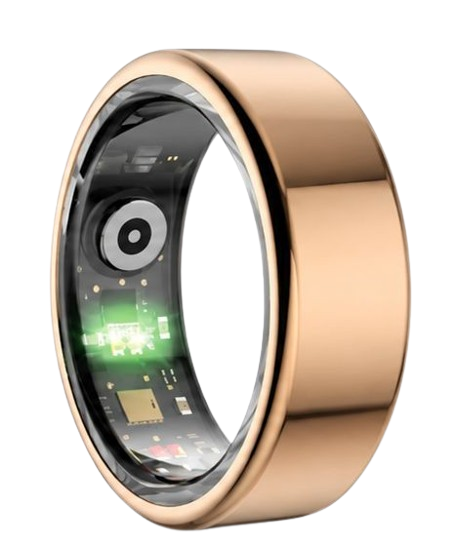
90-Day 100% Money-Back Guarantee
“The Herz Smart Ring helps me manage stress easily. It’s accurate, stylish, and lightweight—perfect for my busy life!”
— Jennifer P. | ✔ Verified Customer
- ✓ 6-Day Battery Life
- ✓ Detailed Sleep Analysis
- ✓ Fast 1-Hour Charging
- ✓ iOS & Android Ready
Questions? Call: 1-866-479-1629
The Physiology of Core Sleep, Deep Sleep, and REM States
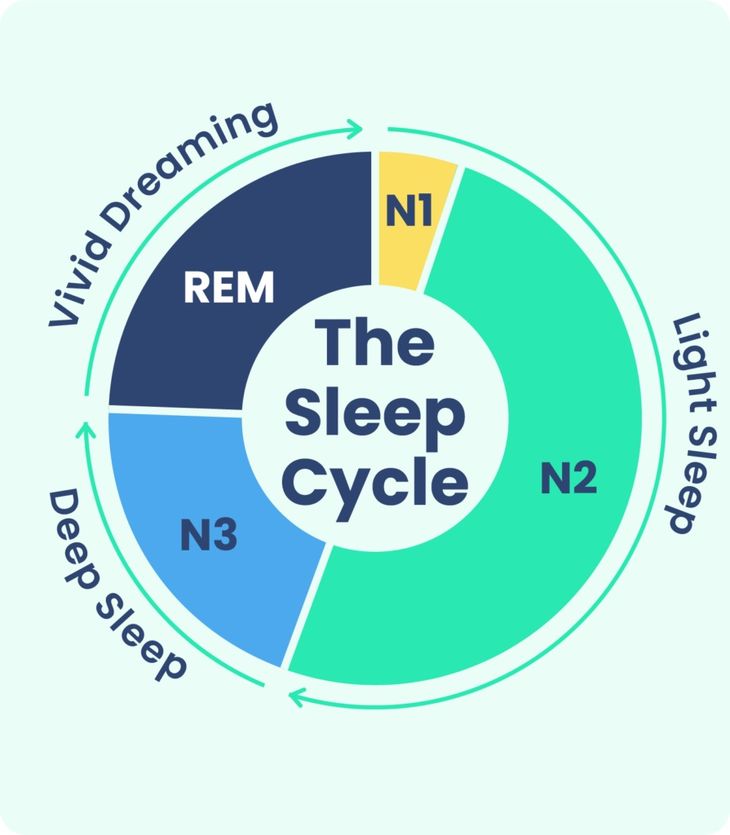
To master your recovery, you must explore the complex relationship of deep sleep vs rem vs core states.
Clinical research from the National Sleep Foundation indicates that sleep is not a uniform state of unconsciousness.
Instead, your brain progresses through highly structured nrem sleep stages before entering rapid eye movement sleep.
The term core sleep has gained popularity due to modern consumer electronics.
Specifically, the core sleep meaning apple watch users often see represents the baseline foundation of their night.
It encompasses light sleep stages where the body prepares for more intense restorative phases.
During these light stages, your brain clears out metabolic waste and consolidates daily memories.
The American Heart Association notes that cardiovascular stress decreases as your body transitions into these lighter phases.
Your blood pressure lowers, and your heart rate settles into a steady, rhythmic pattern.
This transitional phase is absolutely vital because it prevents abrupt awakenings from environmental noise.
It acts as a physiological buffer, keeping you asleep so that your body can descend into deep slow-wave states.
If your core sleep is constantly interrupted, your nervous system remains in a heightened state of alertness.
This autonomic disruption directly impacts your heart rate variability and elevates daytime stress levels.
To understand the biological significance of this, we must examine what happens during deep sleep.
Deep sleep is characterized by delta waves, which are the slowest and highest amplitude brain waves of the night.
During this deepest sleep stage, human growth hormone is released to repair muscles and tissues.
This is when physical restoration takes place, making it crucial for recovery after physical exertion.
Meanwhile, REM sleep is the primary zone for emotional processing and creative problem-solving.
Your brain is highly active during REM, almost mimicking your waking state while your body remains temporarily paralyzed.
Core sleep serves as the structural scaffolding that holds these two distinct and powerful states together.
Without stable core sleep, your sleep cycles become highly fragmented, leading to poor cognitive function the next day.
Therefore, tracking core sleep is not just about measuring light rest, but about ensuring the structural integrity of your entire night.
How Wearable Sensors Map the Sleep Cycle Diagram

Mapping your overnight recovery requires a clear, data-driven sleep cycle diagram.
Modern smart rings utilize advanced photoplethysmography (PPG) sensors to construct this map.
These optical sensors emit specific light wavelengths into your finger’s capillary beds to track blood flow volume changes.
As your heart beats, the volume of blood in your vessels expands and contracts rhythmically.
By analyzing these micro-movements, the smart ring calculates your heart rate and heart rate variability (HRV) with clinical accuracy.
These cardiac metrics correlate directly with different neurological sleep states.
For example, deep sleep triggers a highly regular heart rate and low sympathetic nervous system activity.
Conversely, REM sleep is characterized by erratic heart rates and high cognitive activity despite physical paralysis.
Light or core sleep displays a steady deceleration of cardiac rhythms and moderate HRV values.
A 3-axis accelerometer inside the ring tracks minor movements to differentiate awake periods from quiet rest.
By combining motion data with cardiac telemetry, the ring’s algorithm maps your precise sleep zones.
This multispectral approach allows compact devices like the Herz P1 to match the performance of bulky wrist trackers.
It provides an elegant, screen-free method to observe your body’s natural circadian rhythms without sleep-disrupting blue light.
Furthermore, the finger-based sensor position is superior because the digital arteries are closer to the skin surface.
This proximity minimizes signal noise caused by overnight tossing and turning.
Wrist-based trackers often experience sensor shifting, which leads to artificial “awake” spikes on your chart.
The Herz P1 Smart Ring overcomes this limitation by fitting snugly around the base of your finger.
It remains in constant contact with your skin, ensuring uninterrupted data stream transmission.
This consistent contact allows the ring to capture subtle autonomic shifts that indicate a transition between sleep stages.
Ultimately, this scientific approach gives you a laboratory-grade sleep analysis in a highly wearable form factor.
How to Use Your Sleep Data to Optimize Daily Recovery
Understanding your biometric data is only useful if you translate it into daily habit adjustments.
When you open the Herz P1 application, look first at your deep sleep and REM ratios.
If your core sleep is elevated but you lack deep rest, your body is missing out on physical tissue repair.
You can learn how to get more deep sleep by optimizing your evening routine.
First, avoid heavy meals and intense workouts within three hours of your planned bedtime.
These activities elevate your core body temperature, keeping you stuck in prolonged light sleep phases.
Second, maintain a cold, dark sleeping environment to encourage rapid descent into deep restorative cycles.
Third, use the ring’s HRV Stress Index to identify when mental fatigue is impacting your sleep quality.
If your stress index is high before bed, practice deep breathing exercises for five minutes.
This simple intervention stimulates the vagus nerve and shifts your body into a parasympathetic state.
As a result, your heart rate drops faster, and your transitional core sleep becomes more efficient.
The lightweight design of the Herz P1 ensures you can track these adjustments comfortably every single night.
You should also track how alcohol consumption affects your sleep stages.
Even a single evening drink can drastically reduce your deep sleep and spike your overnight heart rate.
By viewing these direct correlations on your app dashboard, you can make informed decisions about your lifestyle.
Over time, these minor adjustments compound to produce major improvements in your daily energy and cognitive performance.
Consistent tracking helps you build a highly personalized blueprint for optimal health.
Overcoming Common Wearable Tracking Mistakes and Hidden Costs
Many people make the critical mistake of wearing bulky, heavy smartwatches to bed.
These large wrist devices frequently shift during the night, leading to sensor misalignment and inaccurate readings.
Furthermore, the bright screens of smartwatches can accidentally activate, disrupting your natural melatonin production.
Wearing a tight band around your wrist can also restrict local blood circulation, causing discomfort.
A sleek, lightweight smart ring provides a far more comfortable and distraction-free sleep tracking experience.
Another major frustration in the wearable market is the hidden cost of ongoing monthly subscriptions.
Many brands charge you a premium price for the hardware, only to lock your detailed health data behind a paywall.
We believe your personal health data should belong to you completely and unconditionally.
The Herz P1 Smart Ring requires absolutely zero monthly fees, providing you with lifetime access to your metrics.
Additionally, the military-grade steel construction ensures your device survives daily wear without scratching or breaking.
The IP68 waterproof rating means you never have to remove the ring while washing your hands or showering.
This continuous wear capability eliminates data gaps, giving you a complete picture of your cardiovascular health.
You also avoid the hassle of daily charging, which is a common reason why people stop using wrist trackers.
With a six-day battery life, you only need to think about charging your ring once a week.
This ease of use translates directly into more consistent long-term tracking habits.
Ultimately, a reliable device should fit seamlessly into your life without adding financial or physical burdens.
Frequently Asked Questions About Wearable Sleep Tracking
Is the Herz P1 Smart Ring waterproof?
Yes, the ring features an advanced IP68 waterproof rating.
It is designed to withstand continuous water submersion up to 164 feet.
You can safely wear it while swimming, showering, washing dishes, or relaxing in a hot tub.
This ensures you never have to remove your tracker during your daily water activities.
How long does the battery last?
The highly efficient battery lasts up to 6 days on a single charge.
It charges rapidly from empty to full in less than one hour.
This long battery life eliminates the daily charging anxiety associated with standard smartwatches.
You can comfortably wear it through multiple sleep cycles without interruption.
Which finger is best to wear the smart ring on?
For the most accurate biometric readings, we recommend wearing the ring on your index finger.
The middle finger and ring finger are also excellent alternative options.
Choose the finger that provides a snug but comfortable fit without rotating excessively.
A proper fit is crucial because it keeps the optical sensors aligned with your digital arteries.
Does the Herz P1 store my health data offline?
Yes, the ring has secure onboard storage that holds up to 7 days of local data.
Your metrics will sync automatically once you open the mobile application near your smartphone.
You do not need an active internet connection to record your daily physiological signals.
This allows you to travel or sleep in remote areas without worrying about losing your records.
How accurate is the sleep staging compared to a sleep lab?
Our multispectral sensors achieve a high level of agreement with clinical polysomnography.
The algorithm uses advanced cardiac and movement mapping to deliver precise sleep stage estimates.
While it is not a medical-grade diagnostic tool, it offers highly accurate tracking of your nightly trends.
This allows you to see how your daily lifestyle choices directly affect your recovery phases.
Conclusion: Your Subscription-Free Wellness Journey Starts Here
Monitoring your sleep architecture is the first step toward lasting health.
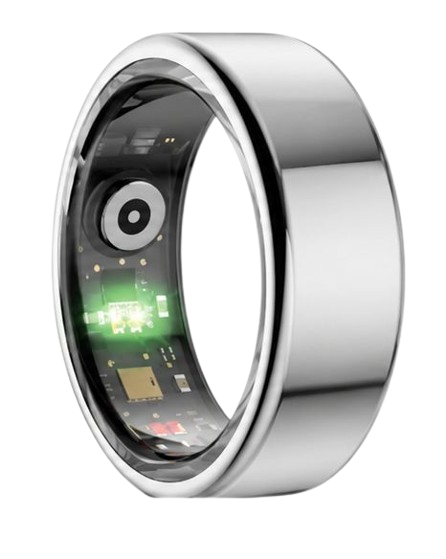
The subscription-free Herz P1 Smart Ring translates complex biometrics into daily recovery clarity.
Ready to monitor your health every day?
Explore the Herz P1 Smart Ring and see if it fits your lifestyle.
Call: 1-866-479-1629 — our team can help advise on your ring size.
