

Have you ever wondered why your heartbeat naturally shifts speed as you inhale and exhale? This fundamental physiological phenomenon, known as how your heart rate changes with respiration, serves as a direct window into your autonomic nervous system. At Team Herz P1, we believe that understanding these subtle cardiac patterns is the key to unlocking better sleep and stress management. By tracking your body’s natural rhythms with the Herz P1, you can decode these biological signals with effortless precision.
Built to Last. Save Up to 69% Today.
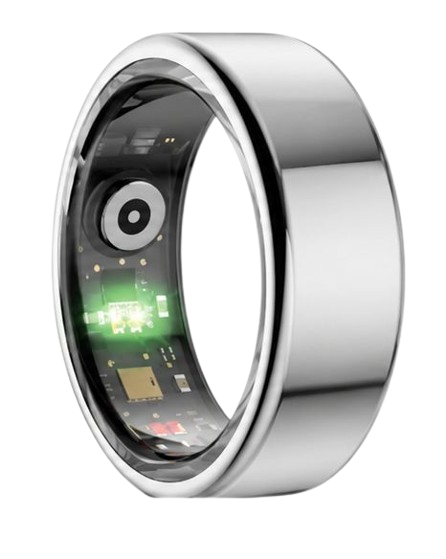
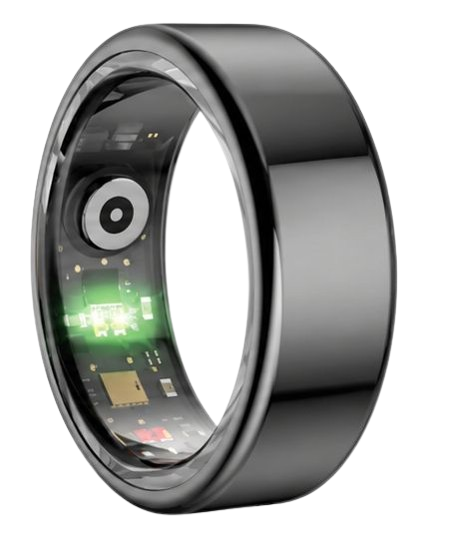
The Herz P1 Smart Ring tracks HRV, Sleep, Heart Rate & SpO2 around the clock. No subscriptions. No renewals. Ever.
In This Article
- The 5W2H Science: Understand why your heartbeat accelerates when you inhale and decelerates when you exhale.
- Vagal Nerve Control: Discover how the vagus nerve and autonomic nervous system regulate your cardiac rhythm.
- Overnight Tracking: Learn how respiratory rates and sleep stages interact to support physical recovery.
- Practical Application: Translate your biometric metrics into daily lifestyle and fitness improvements.
Does Your Heart Beat Faster When You Inhale? What the Science Says

This biological mechanism is known as respiratory sinus arrhythmia.
It describes how your heart rate accelerates during inhalation and decelerates during exhalation.
This natural synchronization is an indicator of robust cardiac health and high vagal tone.
This phenomenon affects healthy individuals across all demographics.
It is especially pronounced in younger people and highly trained endurance athletes.
If you have high aerobic fitness, you will notice these variations more clearly.
This shifting speed becomes highly noticeable when you are in a deeply relaxed state.
You can observe it during quiet rest, meditation, or while falling asleep.
It diminishes during periods of high mental stress or physical exertion.
The control center for this process resides in the brainstem.
The nucleus ambiguus and the vagus nerve work together to regulate this rhythm.
This regulatory network connects the lungs directly to the sinoatrial node in your heart.
Your body does this to optimize the efficiency of pulmonary gas exchange.
By speeding up your pulse when the lungs are full of oxygen, blood flow is maximized.
Slowing the heart down during exhalation saves precious metabolic energy.
During inhalation, the pressure inside your thoracic cavity drops.
This pressure change increases blood return to the heart and stretches the atrial walls.
In response, your vagus nerve temporarily suppresses its braking effect on your heart rate.
In healthy resting adults, the heart rate variation can range from five to fifteen beats per minute.
According to the American Heart Association, a higher variation indicates a highly adaptive nervous system.
A lower variation may indicate chronic fatigue or elevated systemic stress.
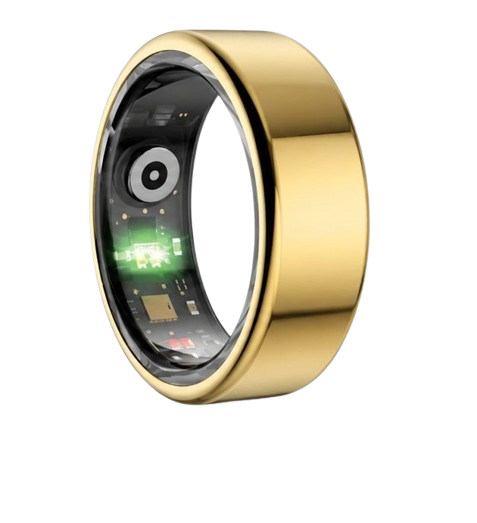
If you want to track this in real time, the Herz P1 Smart Ring monitors heart rate and respiration 24/7 — explore it here.
90-Day 100% Money-Back Guarantee
“The Herz Smart Ring helps me manage stress easily. It’s accurate, stylish, and lightweight—perfect for my busy life!”
— Jennifer P. | ✔ Verified Customer
- ✓ 6-Day Battery Life
- ✓ Detailed Sleep Analysis
- ✓ Fast 1-Hour Charging
- ✓ iOS & Android Ready
Questions? Call: 1-866-479-1629
The Physiology Behind Your Heartbeat Accelerating When You Inhale
Many people notice that they have a heartbeat faster when breathing in.
This is not a cause for panic or a sign of cardiac dysfunction.
It is actually a sign that your body’s natural regulatory systems are working perfectly.
We refer to this intimate connection between your breath and your pulse as the respiratory heart rate relationship.
Your heart is constantly adjusting its rhythm based on feedback from sensory receptors in your lungs.
When you inhale, the chest expands and sends signals to suppress vagus nerve activity.
The vagus nerve acts like a brake pedal on your cardiovascular system.
When you lift your foot off the brake during inhalation, your heart rate naturally rises.
Conversely, when you exhale, the vagus nerve reactivates and slows your pulse down.
This dynamic adjustment alters your respiration pulse rate continuously throughout the day.
Medical professionals use this exact rhythm to gauge your autonomic balance.
A rigid heart rate that does not change with breathing indicates physiological exhaustion.
By studying these fluctuations, you can discover how well your body recovers from stress.
The American Heart Association notes that healthy respiratory sinus arrhythmia is a marker of youth and vitality.
As we age, this natural flexibility in our cardiac rhythm tends to decrease.
However, regular aerobic exercise and deep breathing practices can help preserve this flexibility.
Tracking these shifts daily gives you a clear picture of your nervous system’s resilience.
How Vagus Nerve Health Impacts Respiratory Sinus Arrhythmia
Your vagus nerve is the main highway of your parasympathetic nervous system.
It acts as the primary link between your brain, heart, lungs, and gut.
When your vagus nerve is healthy and active, we say you have high vagal tone.
A high vagal tone is directly reflected in a strong, clear respiratory sinus arrhythmia pattern.
This means your heart rate adjusts quickly and smoothly with each inhale and exhale.
People with high vagal tone tend to recover much faster from acute mental and physical stress.
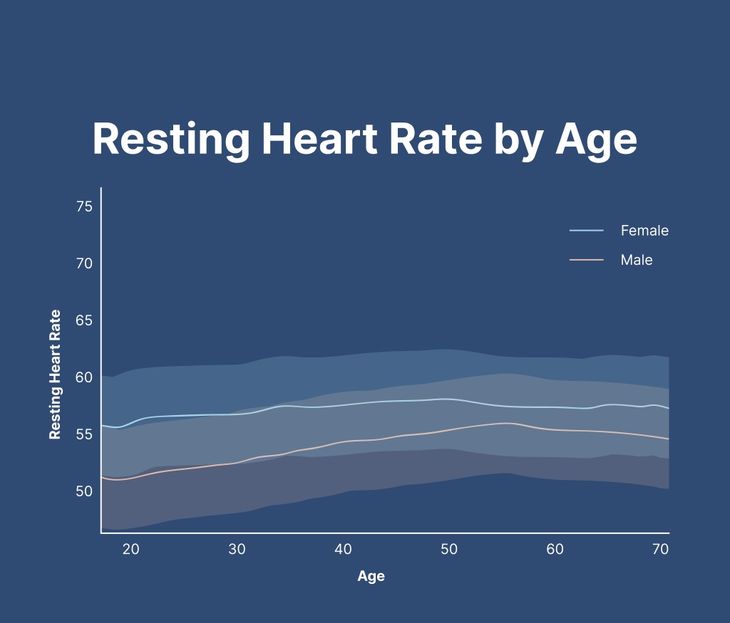
They also exhibit lower resting heart rates and higher baseline heart rate variability scores.
Conversely, a low vagal tone means your heart rhythm remains rigid and unresponsive to your breath.
This state is often linked to chronic anxiety, persistent fatigue, and elevated systemic inflammation.
By using the Herz P1 to track these subtle shifts, you can directly monitor your vagal health over time.
Simple daily habits like cold exposure, meditation, and slow breathing can actively strengthen your vagal tone.
Watching your sleep metrics improve on the app provides positive reinforcement for these healthy habits.
Tracking Heart Rate and Respiration Rates During Sleep
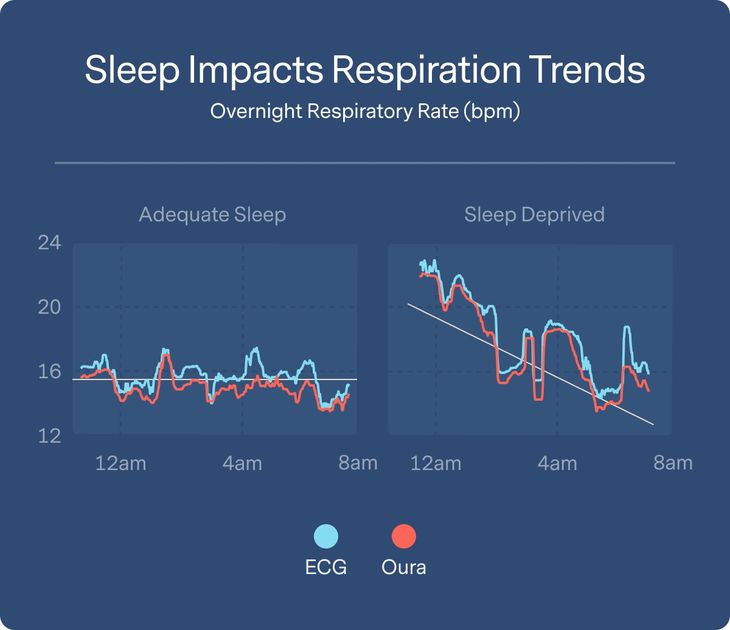
Your sleeping hours provide the cleanest data for analyzing how your heart rate changes with respiration.
During the day, movement and stress create noise in your physiological readings.
At night, your body is completely still, allowing sensors to read your biometric signals with clinical precision.
Analyzing these overnight metrics reveals the deep relationship between your brain and your heart.
This data serves as a roadmap for your physical and mental recovery.
How Sleep Architecture Influences Respiration and Cardiac Synchronization
Your sleep cycles directly dictate how your respiratory and cardiovascular systems interact.
During non-REM deep sleep, your body enters a highly organized, restorative state.
During this phase, your breathing becomes highly rhythmic and predictable.
A normal respiration rate while sleeping typically falls between twelve and twenty breaths per minute.
In deep sleep, your autonomic nervous system shifts heavily into parasympathetic dominance.
This shift causes your resting heart rate to drop to its lowest daily levels.
Your heart and lungs align in a highly coordinated dance during this phase.
In contrast, REM sleep introduces a highly erratic and unpredictable breathing pattern.
Your brain is highly active during REM, which causes rapid fluctuations in your pulse.
This variation makes the tracking of your heart rate and respiratory rate critical for identifying sleep transitions.
By mapping these changes, smart devices can accurately pinpoint when you are dreaming.
Consistent deep sleep stages ensure your heart has time to rest and repair.
Disruptions in these patterns often point to hidden stressors or poor sleep environments.
Measuring Sleep Recovery with Wearable Biometrics
Advanced optical sensors have revolutionized how we measure autonomic recovery at home.
A modern smart ring utilizes multi-wavelength photoplethysmography to track blood flow at the finger base.
This location provides a much stronger signal than the wrist, where bones and tendons interfere.
Continuous respiratory rate measurement during the night acts as a sentinel for your health.
Sudden spikes in resting breath rates can signal an oncoming illness or excessive alcohol consumption.
Your heart rate variability, or HRV, is also calculated by measuring the exact millisecond gaps between beats.
When you view your heart rate graph, you should see a healthy pattern of waves rather than a flat line.
This wave-like pattern shows that your heart is actively adapting to your breath cycles.
A healthy heart is not a metronome; it is a highly responsive dynamic instrument.
Monitoring these trends over weeks helps you understand if your lifestyle supports recovery.
The National Sleep Foundation states that tracking these metrics empowers users to make better lifestyle choices.
With the right tools, you can actively optimize your recovery window every night.
Practical Application Guide & Lifestyle Tips
Knowing the science of how your heart rate changes with respiration is only the first step.
The real power lies in applying this biometric data to your daily routine.
When you open the Herz P1 companion app, you are greeted with a clear breakdown of your daily metrics.
The app translates complex biological fluctuations into a simple, actionable recovery score.
If your morning recovery score is high, your nervous system is ready for intense physical exercise or deep focus.
If your score is low, it indicates that your body is still recovering from previous strain.
You can use this feedback to adjust your workout intensity, choosing a light walk over a heavy lifting session.
Before sleep, you can use the live biofeedback features to practice structured box breathing.
By watching your pulse slow down in real time, you can actively guide your body into a state of deep relaxation.
The military-grade steel construction of the Herz P1 ensures it can withstand heavy gym sessions without scratching.
Because the ring is incredibly lightweight and weighs only a few grams, you will forget you are even wearing it.
This comfort is essential for capturing uninterrupted data during the critical overnight window.
Consistency is key when building a reliable physiological baseline.
By keeping the ring on all day and night, you give the algorithms the data they need to protect your health.
Overcoming Risks & Common Mistakes
Many individuals make the mistake of wearing a bulky, heavy smartwatch to bed to track their sleep.
These large devices often shift during the night, leading to massive gaps in sensor contact.
When a sensor loses contact, the algorithm has to guess your metrics, resulting in highly inaccurate data.
Furthermore, the physical discomfort of a bulky wrist strap can actively disrupt your sleep stages.
A lightweight smart ring solves this problem by maintaining constant, gentle contact with your finger’s blood vessels.
Another major pitfall in the wearable market is the hidden cost of ongoing monthly subscriptions.
Many premium brands charge up to seventy dollars a year just to let you view your own health data.
We believe that you should never have to pay a recurring fee to access your own biological signals.
The Herz P1 App is completely free for lifetime, with zero hidden costs or paywalled features.
This approach saves you hundreds of dollars over the lifespan of your device.
Additionally, we back our hardware with a rock-solid two-year warranty and a ninety-day money-back guarantee.
This risk-free commitment ensures you can focus entirely on your wellness journey without financial anxiety.
Choosing a reliable, subscription-free tracker is the smartest way to invest in your long-term health.
Frequently Asked Questions (FAQ)
Is the Herz P1 Smart Ring waterproof?
Yes, the Herz P1 features a certified IP68 waterproof rating.
This means it is completely sealed against dust and water immersion up to one hundred and sixty-four feet deep.
You can safely wear it while washing your hands, taking a shower, or swimming in a pool.
There is no need to remove the ring during your daily water-based activities.
How long does the Herz P1 battery last on a single charge?
The battery is designed to last up to six days of continuous, round-the-clock tracking.
When it is time to recharge, the ring reaches a full charge in under one hour.
This rapid charging capability means you never have to miss a single night of sleep tracking.
You can easily top it off while taking a quick morning shower.
Which finger is the best to wear the Herz P1 on?
For the absolute highest data accuracy, we recommend wearing the ring on your index finger.
Your middle finger and ring finger are also excellent alternative options if you prefer.
We suggest placing it on your non-dominant hand to reduce physical wear and tear during daily tasks.
A snug but comfortable fit ensures the optical sensors maintain continuous contact with your skin.
Does the Herz P1 store my health data offline?
Yes, the ring has built-in local memory that stores up to seven days of biometric data offline.
You do not need to keep your smartphone nearby or connected via Bluetooth at all times.
The ring will automatically sync all stored metrics the next time you open the app.
This feature is perfect for camping trips, flights, or periods of digital detox.
Conclusion
We are committed to helping you decode your body’s natural signals.
The Herz P1 Smart Ring is your ultimate subscription-free health companion.
Ready to monitor your health every day? Explore the Herz P1 Smart Ring and see if it fits your lifestyle.
Call: 1-866-479-1629 — our team can help you advise on the correct ring size and set personalized health goals.
